
From U-Pick to Cider-Pressing, These Washington Farms Make Apple Season an Adventure
Picking juicy-looking apples right off the branch and taking a crisp bite is a beloved fall pastime. But do you know how to turn one into cider?
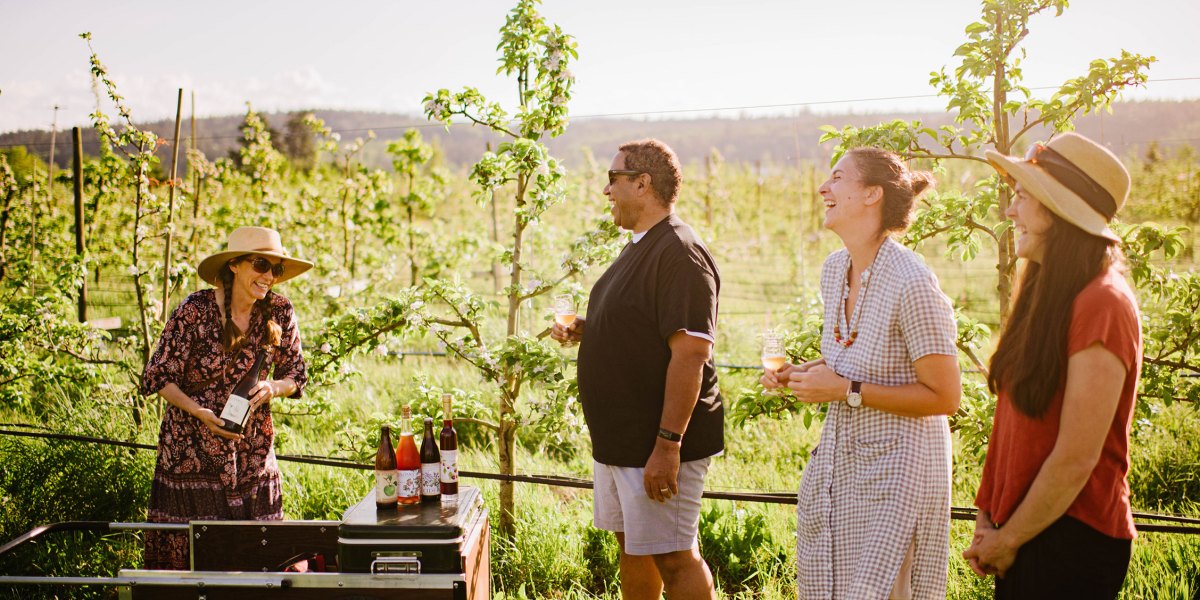
Courtesy of Finnriver Farm & Cidery
Harvest season is in full swing across Washington, making this the ideal time to get out of the grocery store and learn where apples come from. Washington leads the nation’s apple industry, with the USDA’s 2026 agricultural overview estimating a 7.4 billion-pound production.
“Washington grows more than 60 percent of the nation’s apples, and for good reason,” says Jana Daisy-Ensign, interim director of the Northwest Cider Association. “The Chelan and Wenatchee valleys sit in the rain shadow of the Cascades, where abundant sunshine and dry air create ideal orchard conditions.”
Those conditions aren’t just good for producing a lot of apples. Daisy-Ensign says the region’s warm days, cool nights, and volcanic and glacial soils help develop the sweetness and bright acidity that distinguish Washington apples—and the ciders made from them.
Beyond the familiar Honeycrisps, Cosmic Crisps, and Granny Smiths destined for the produce aisles, orchards across the state grow everything from heirloom varieties to tannic cider apples that rarely—if ever—make it to a grocery store.
Across the state, visitors can wander orchard rows sampling unfamiliar varieties; grind and press their own harvest to form fresh cider; do a cider tasting; or sip a glass just steps from the trees that produced the fruit. Experiences like these offer a hands-on look at a process most of us encounter only at its final stage—in a bottle, jug, or glass.
They also reveal just how varied Washington’s apple country is. Drew Handley, head cidermaker and co-owner of Union Hill Cider Company in East Wenatchee, says a single-varietal Kingston Black cider made from apples grown around Wenatchee could taste noticeably different from one made with Kingston Black apples grown on Vashon Island.
So, if you’re craving a change of scenery this fall, skip the produce aisle and go straight to the source. Whether you want to press the apples yourself or just enjoy the results surrounded by nature, these Washington orchards and cideries turn apple season into an experience.
Press Your Own Cider at Hidden Acres Orchards
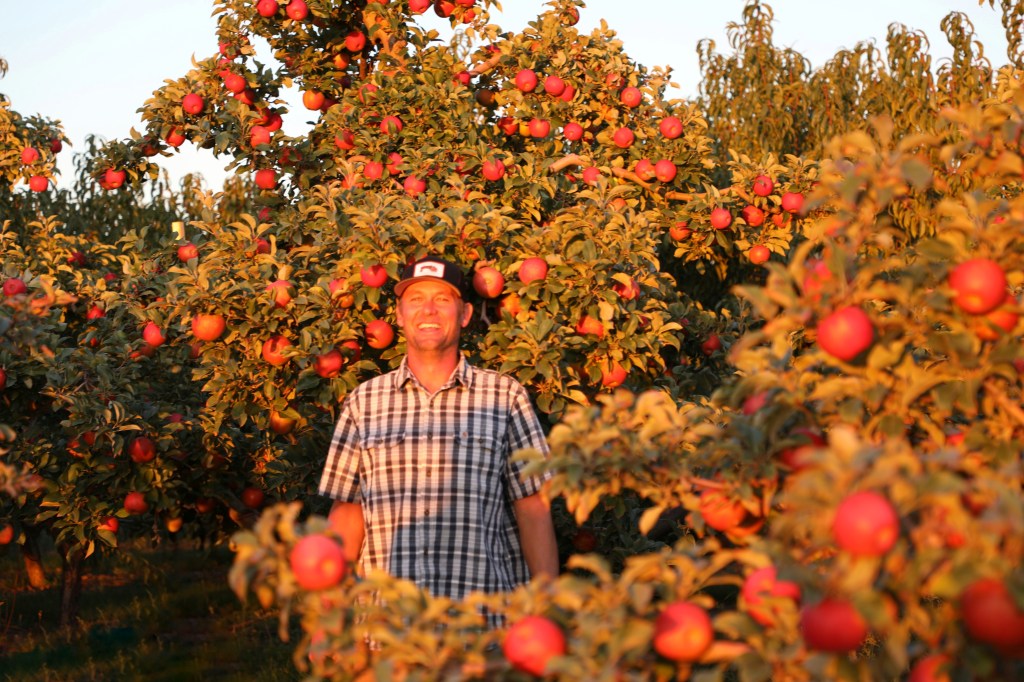
Apple growing is a family business at Hidden Acres Orchards in Green Bluff, just north of Spokane. The Conniff-Simchuk family has been growing apples here since 1970, passing down expertise, passion, and tradition for four generations. Today, guests can get in on the action themselves—starting with an empty harvest tote and a little taste test.
Courtesy of Nicholas Simchuk
Rather than having an established cider recipe, co-owners Nicholas and Karene Simchuk encourage guests to sample apples as they wander the orchard and choose the flavors they like best. Visitors are told to harvest 20 pounds of at least five apple varieties for their blend. The orchard grows many apples, but the Simchuks’ preferred varieties are Honeycrisp, Gala, McIntosh, Jonagold, and Golden Delicious. Combining varieties is part of the point. Nicholas describes the resulting fresh cider as multilayered, beginning sweet before its tartness comes through.
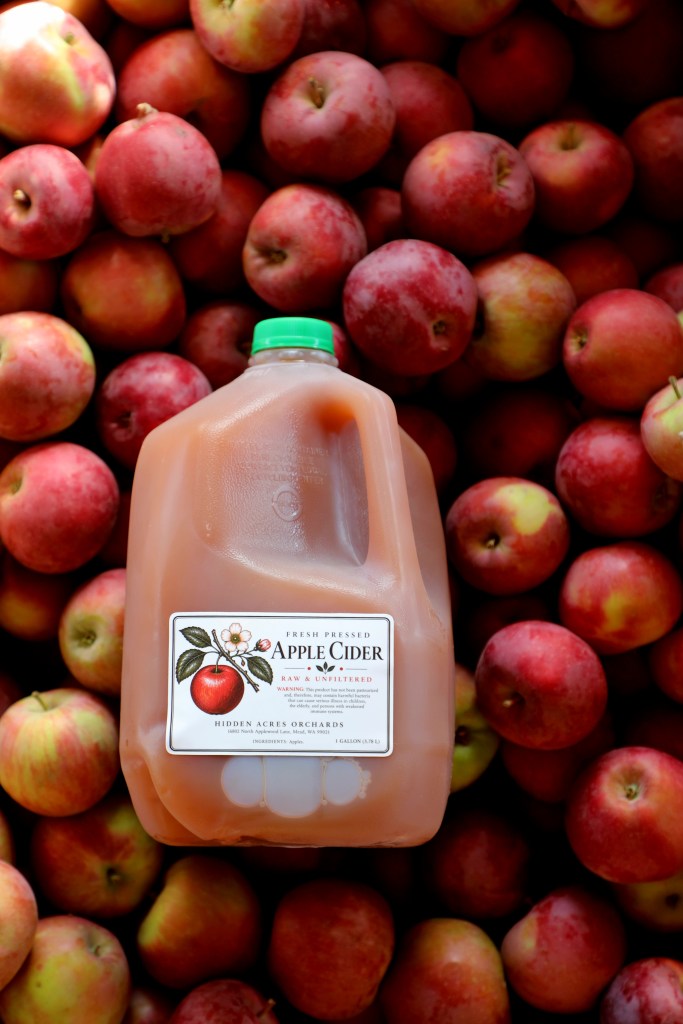
Once harvested, the apples go through an antique washer before visitors feed them one by one into a hand-cranked grinder. Once the fruit has been chopped, the grinder is swapped for a press plate, and visitors squeeze the juice into a gallon container. Cups are provided so you can taste the cider directly from the spout.
“The reactions from people are priceless when they taste their first sip,” says Nicholas.
Courtesy of Nicholas Simchuk
The best part of the whole process: nothing goes to waste. Once your cider is done, take the leftover apple mash to the orchard’s petting zoo, where it becomes food for their pigs!
Beyond pressing, Hidden Acres offers U-pick fruit, vegetables, flowers, and melons, plus a petting zoo and vintage playground. You can even book a campsite in the orchard and have the farm largely to yourselves once daytime visitors head home.
Hidden Acres welcomes visitors from May 1 through October 31, with apple harvest running through September and October.
Make Cider the Old-Fashioned Way at Bishops’ Orchard
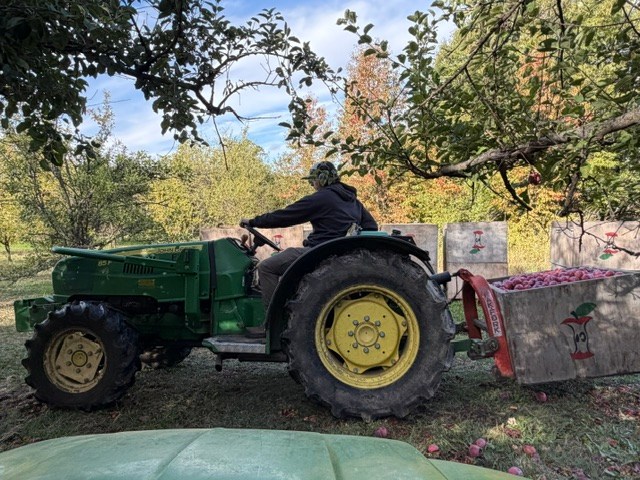
Cider pressing at Bishops’ Orchard in Garfield is an intentionally old-fashioned affair. Visitors pick their apples from the orchard and then run them through cider presses modeled on equipment used in the Palouse about 1900.
This hands-on approach fits a farm that has never been too concerned with traditions. In 1978, Stephen and Sally Bishop started growing their own orchard even though locals warned them that apples could never successfully grow in the Palouse. But Stephen had family history that suggested otherwise: His great-grandparents had successfully grown fruit after homesteading in the area over a century before.
Courtesy of Stephen Bishop
A visit to Bishops’ is intentionally kept simple. Guests receive a map, learn what’s ripe, and head into the orchard, where sampling is part of the experience. “You would end up picking way more than you intended,” Stephen says. As for how many apples you eat while wandering? “We’re not going to weigh you when you come back out.”
For cider-making, they have five antique presses for customers, plus a reserve one. The Bishops provide the fruits, tools, instructions, and food safety information. All you need is to bring your physical strength. That was purposeful on their part. The Bishops had thought about making and selling the cider but figured out that wasn’t what kept people coming back.
“People don’t come here really for the juice,” Stephen says. “They’re coming here for the experience.”
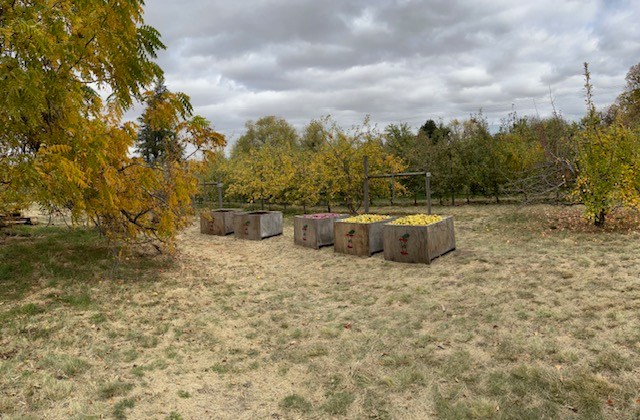
Courtesy of Stephen Bishop
You shouldn’t expect a polished-up fall festival here. The Bishops emphasize that it’s not an entertainment place but a real farm.
“If they’ve never been in an orchard before, they owe it to themselves just to see where apples come from, where pears come from, and how it’s all done,” Stephen says.
There are benches and picnic tables amidst the apple trees, and visitors often spend some time sitting there just enjoying the calmness of nature.
Experience “Tree-to-Tap” at Raising Cane Ranch
At Raising Cane Ranch and Riverview Road Cidery in Snohomish, the journey from orchard to glass barely requires leaving the property.
“Absolutely everything that we put in our cider comes from the farm,” says co-owner Melissa Denmark.
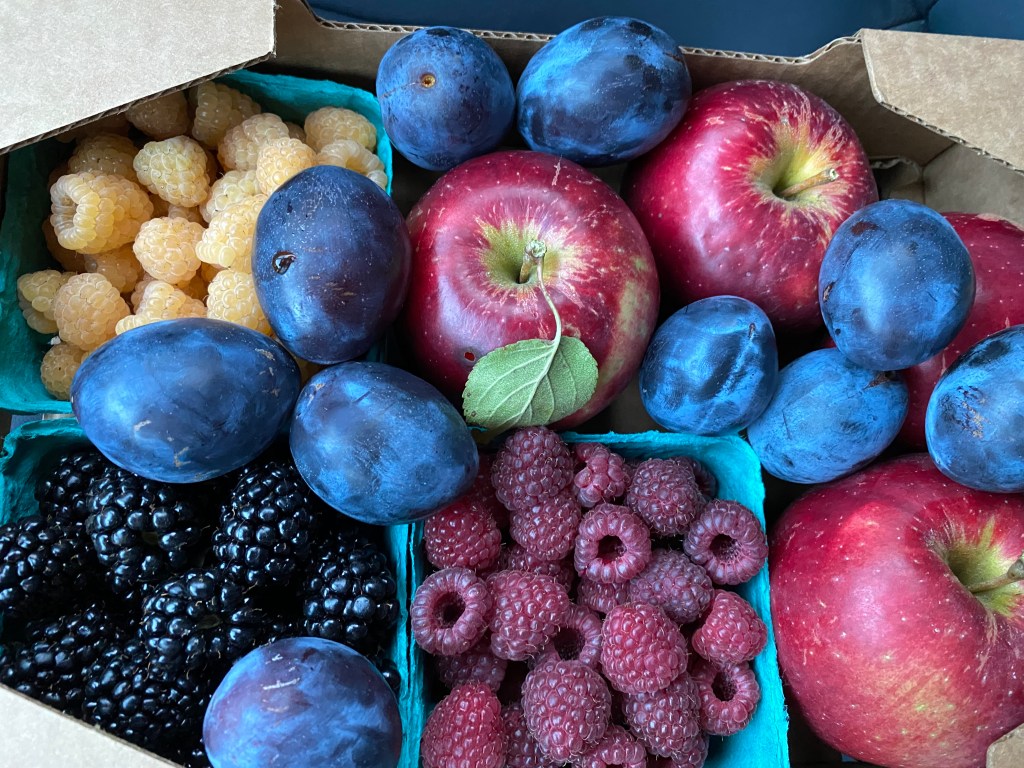
Denmark and her husband, Nick, purchased the land back in 2006 and settled there two years later, leaving Seattle despite having no farming experience. What used to be mostly grass turned into an assortment of apples and pears, along with other fruits like currants, hazelnuts, aronia berries, and chestnuts. Today, the family is four years into making their own hard cider.
Courtesy of Melissa Denmark
“Tree-to-tap is our cidery concept,” Denmark says.
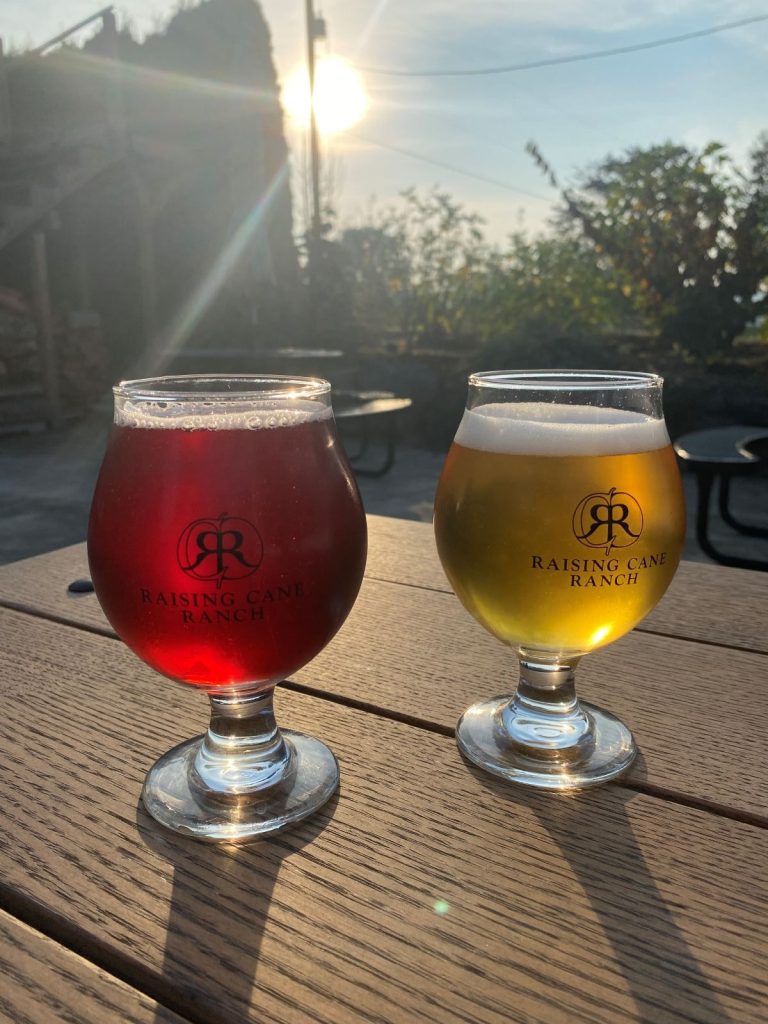
Apples are harvested from the trees, then rested and pressed right at the farm. The juice is then fermented, either blended or aged together with other fruits that grow on the farm, and the results are a wide range of ciders, covering all the bases.
“We’ve got dry, semi-sweet; nothing is super sweet. We’ve got fruited, co-ferments with fruited ciders,” Denmark added. “We’ve also got single varietals, more traditional ciders.”
Courtesy of Melissa Denmark
During the season’s height, guests can sample various apples and tour the farm, and a select few each year get to participate in a pressing party where they can harvest apples and press their own raw, unpasteurized juice. For Denmark, the cider variety available is something people haven’t fully embraced yet.
“There’s amazing ciders out there, all sorts of flavors and profiles and fruits and styles and methods,” she says.
Taste an Apple You’ve Never Seen at Rootwood Cider
More than 110 years ago, the family behind Rootwood Cider started growing apples in the Lake Chelan Valley. But in 2015, the family’s fourth generation made a decision to plant cider apples.
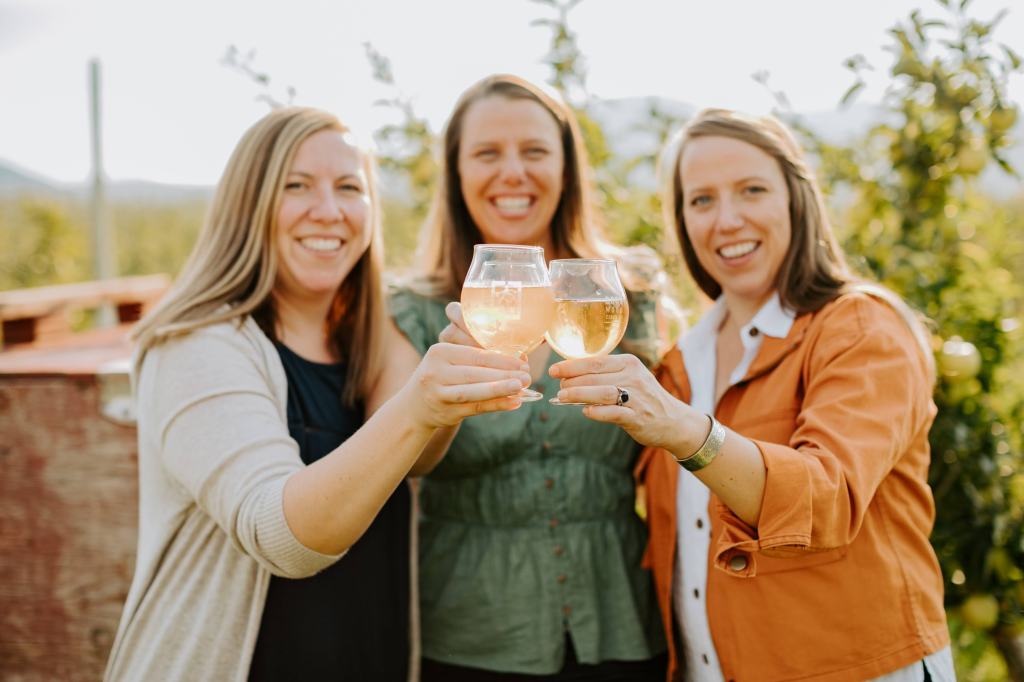
This decision gave another generation a chance to maintain the family’s agricultural history, notes Kate Howard, Rootwood’s cidermaker and co-owner. Alongside her two sisters, Emily and Anna, they own the estate cidery that focuses particularly on single-varietal cider.
Courtesy of Kate Koenig Howard
Those varieties, among others, are Spitzenberg, Golden Russet, Roxbury Russet, and Yarlington Mill. Unlike apples grown for the market, Rootwood’s cider apples aren’t destined for shelves.
“That’s a good thing,” Howard says. “These cider apples are rare, finicky to grow, and can be hard to pick.” However, she added that the challenge is worth it, given that their flavor profiles are unmatched.
Rootwood harvests apples when the right amount of starches have converted to sugar, then they press the apples and ferment the juice. Fermentation takes a few weeks, but there are some exceptions.
“Because these cider apples have higher tannins and more complexity, the cider matures for over a year in a maturation room before it is bottled,” Howard says. She added that this method allows the flavors to deepen and for the tannins to mellow.
Courtesy of Kate Koenig Howard
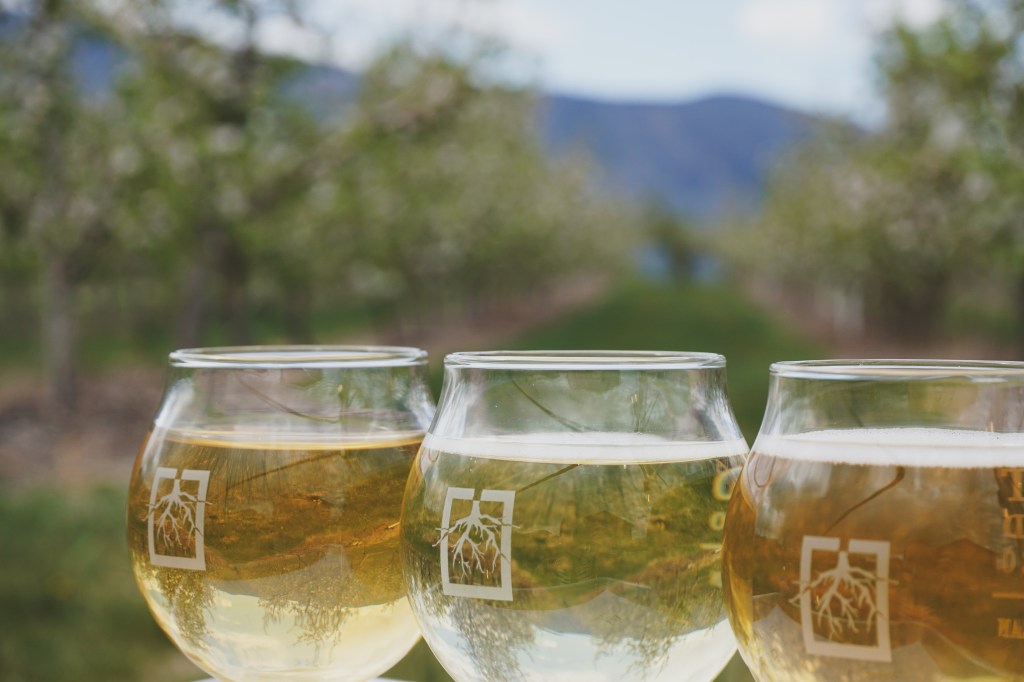
Rootwood’s tasting room offers the unique experience of tasting cider amidst the trees, offering a breathtaking view of the orchard, the mountains, and Lake Chelan.
For those new to cider, Rootwood suggests Lake Effect, a blend of Winesap and crab apples named for the lake’s effect on the local climate.
Howard recommends September and October for a fall visit, and late September to early October for picking apples.
Turn 90 Pounds of Apples Into Your Own Cider at Cider Press
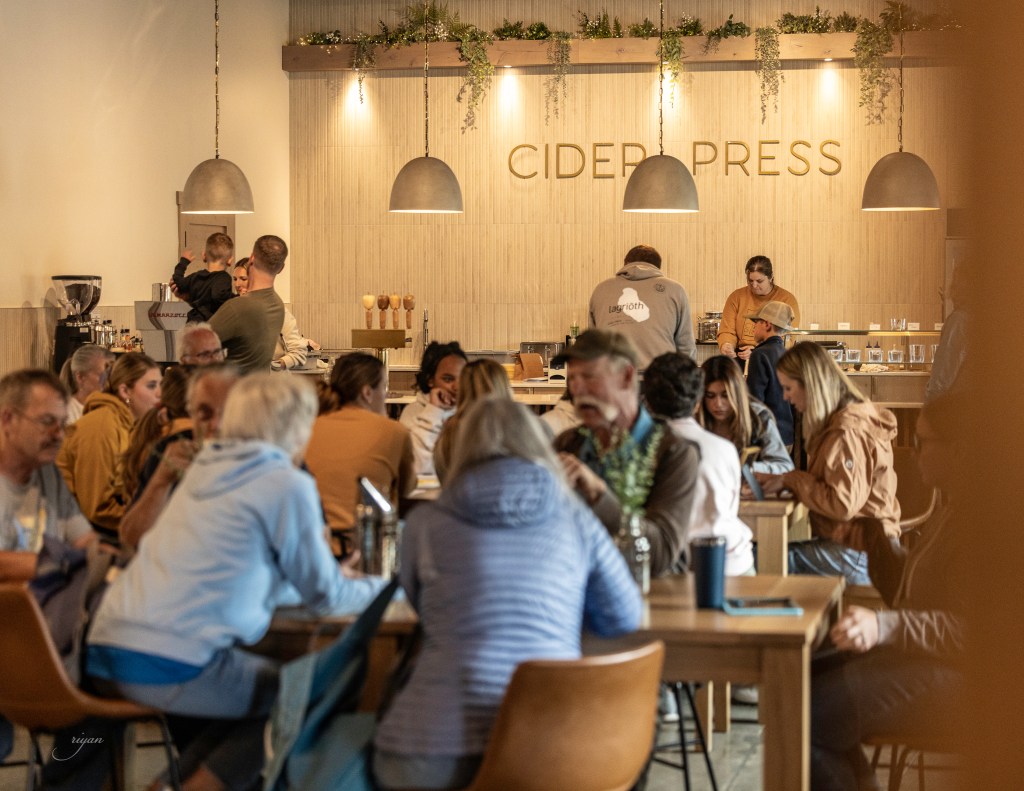
If Rootwood showcases what a professional cidermaker can do, nearby Cider Press in Manson puts the work in your hands. An added bonus: There is no need to worry about alcohol consumption here.
Courtesy of Kari Petersen
Cider Press, opened in 2024, is a fully nonalcoholic establishment opened by Manson Growers, a cooperative founded back in 1959 by 15 local apple growers. It was established to give visitors an insight into the local apple industry, make custom cider, and explore other products associated with the fruit.
“I wanted to create a space where families and friends would want to linger longer, create lasting memories, invite their out-of-town guests, find creative ways to enjoy apples, curate intentional and beautiful gifts, and allow children to fully participate and try everything we offer,” says Kari Petersen, Cider Press’s Operations Manager.
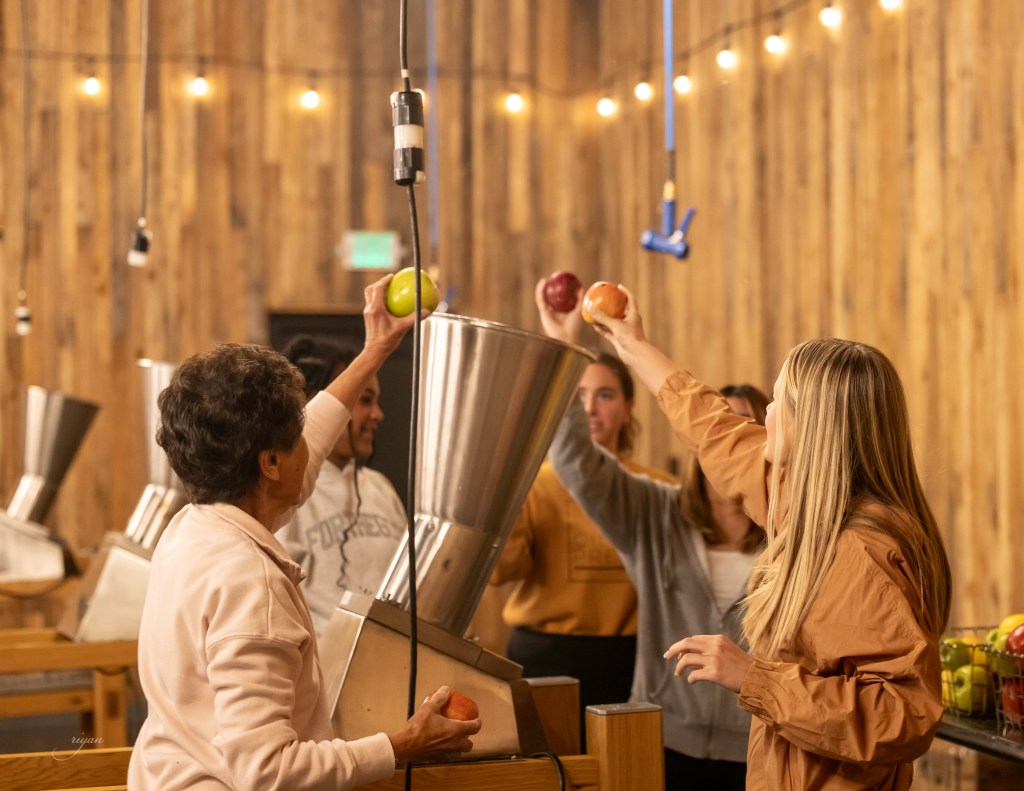
Their one-hour pressing experience starts with an introduction to the local apple industry and a discussion of the different apple varieties and their traits. Participants get to know more about the varieties and their characteristics, and choose their own custom blend, approximately 90 pounds of apples. Having been washed in ozone water, the fruit is fed one by one to the grinder to turn it into pulp. Once the pressing basket is loaded, participants pull it down the press ramp and crank the wheel. And then, as Petersen describes, the “golden cider” starts flowing.
Courtesy of Kari Petersen
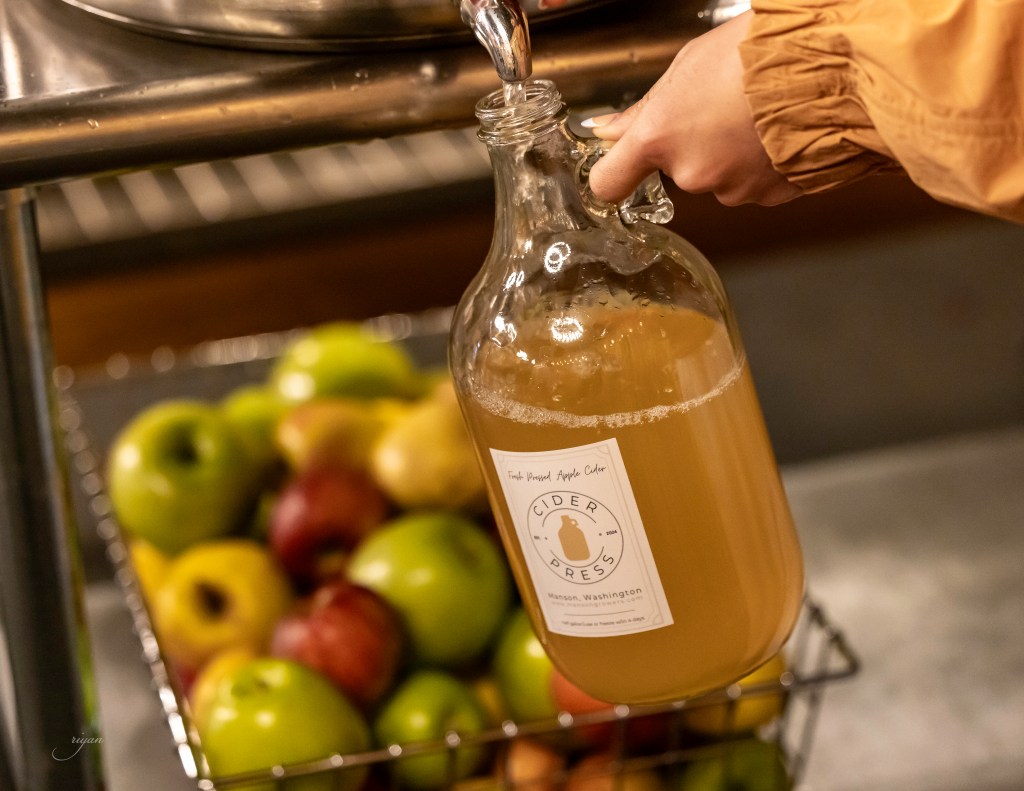
The return is huge: Every group bottles 10 half-gallon jugs of custom cider to take home. The one-hour session is $95 per group. According to Petersen, visitors use their cider for mocktails, slushies, baking, and more
For just $5, another experience you could have is this: order a flight of four freshly pressed non-alcoholic ciders from the rotating selection on tap. The current menu features varietal Cosmic Crisp; Golden Delicious and Ambrosia blend; Lucy Rose blend; and a blend of blueberries and Cosmic Crisp.
There are plenty of options available on-site, turning a visit into a whole-day experience. Besides serving breakfast and lunch, Cider Press also serves house-made Italian gelato and sorbet, as well as their famous Apple Sticks featuring fresh apples with toppings to your liking. Everything served on-site is non-alcoholic, providing a unique family-friendly opportunity.
Courtesy of Kari Petersen
While the fall season offers a full harvest experience and lots of fresh apples, cider pressing can be done anytime throughout the year. Reservations are recommended.
Enjoy Cider Around Heirloom Apple Trees at Finnriver Farm & Cidery
Travel westward across the Cascades and Washington apple country will take on a whole new look.
The Finnriver Farm & Cidery, in Chimacum on the Olympic Peninsula, was born from an experiment among neighbors. Crystie Kisler, Keith Kisler, and Eric Jorgenson started producing cider from heirloom apples in an experimental orchard, leading to the foundation of the cidery. About a decade ago, they moved to the currently occupied 50 acres of farmland, certified organic and Salmon Safe.
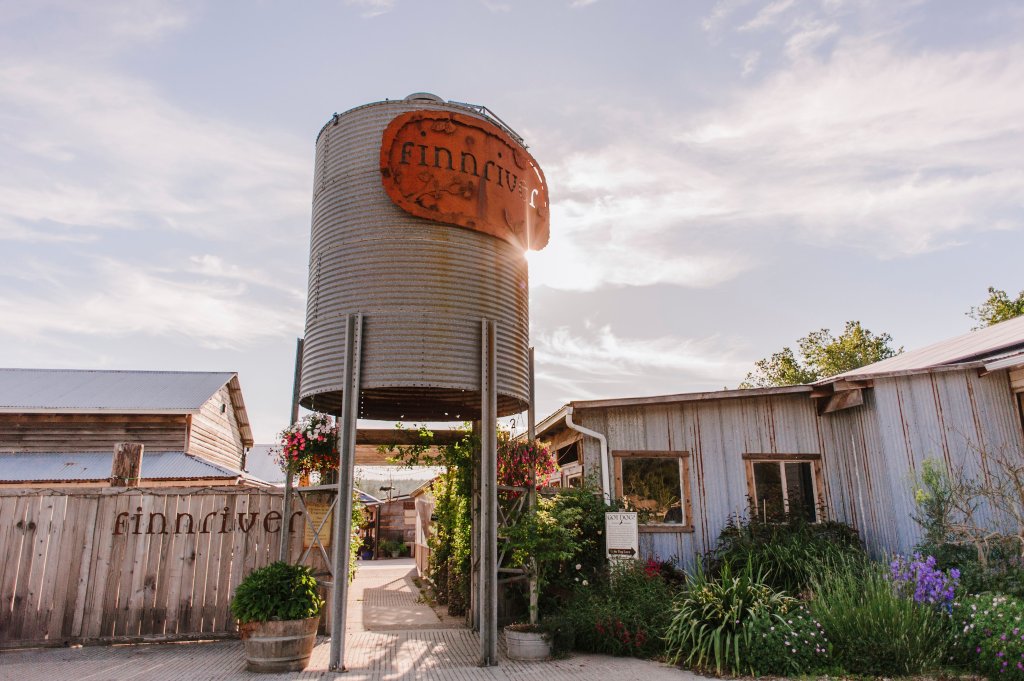
Courtesy of Finnriver Farm & Cidery
This farmland, however, came with some cider history.
“When cidermaker legend Drew Zimmerman retired in 2012, we hand-dug and relocated all 937 of his beloved trees to Finnriver,” explains Laura Prendergast, co-owner. “Many were rare French and English cider apple varieties prized by traditional cidermakers. Drew visited every other week for more than a year to check on the trees as they adapted to their new home and to our organic growing practices.”
Currently, Finnriver grows heirloom cider apples and pears such as Yarlington Mill, Brown Snout, Harry Masters Jersey, and Hewe’s Virginia Crab. The fruit is chosen not by its taste when eaten fresh, but based on the characteristics that it can give after being fermented in terms of acidity, tannins, aromas, structure, and flavor.
“Compared with the sweet, crisp apples most of us are accustomed to eating, these varieties can have pronounced tannins, acidity, and sometimes an astringency that makes them less appealing to eat out of hand,” explains Prendergast. “Some have earned the nickname ‘spitters’ for exactly that reason!”
Courtesy of Finnriver Farm & Cidery
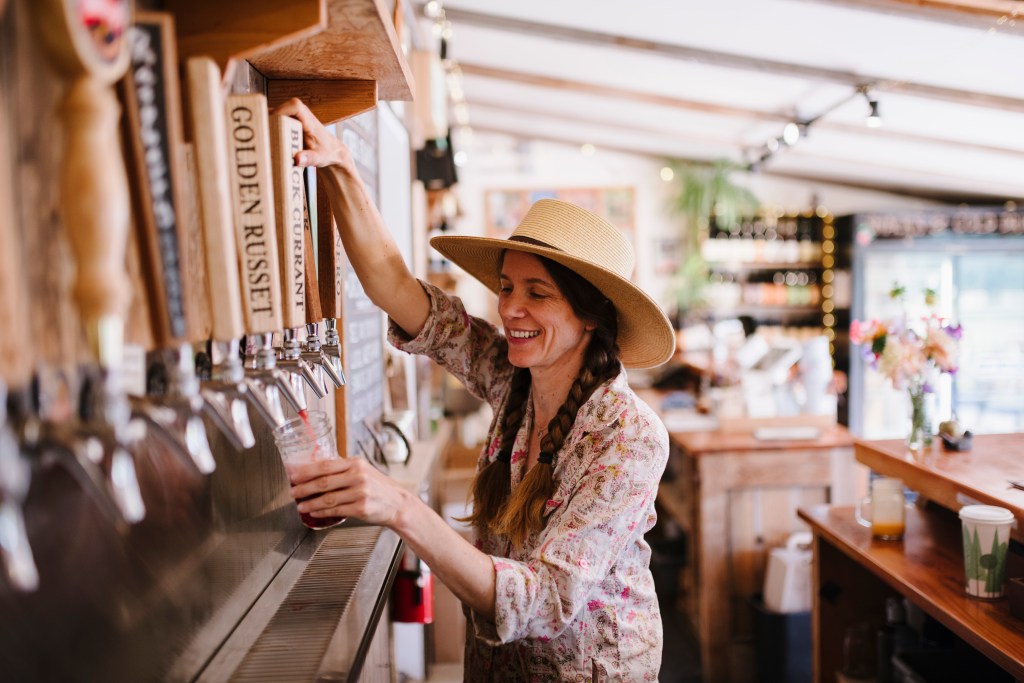
On Finnriver’s weekend tasting tours, visitors can hear more about these characteristics and what they contribute to cider. Along the way, guests will taste six farmcrafted hard ciders and fruit wines and learn how fruit is turned into juice and goes through fermentation, aging, and bottling.
If it’s your first time, Prendergast suggests exploring the farm itself: bins of freshly harvested apples, the changing colors of the orchard, and the feeling of the season changing. After a tasting tour, you can also stick around for local oysters or a farm bowl made from produce grown on neighboring farms. On a rainy day, Prendergast recommends warming up with hot mulled cider or tea made from herbs grown on the property.
Drink With a View at Union Hill Cider Company
At Union Hill Cider Company in East Wenatchee, the scenery comes second only to what’s in the glass.
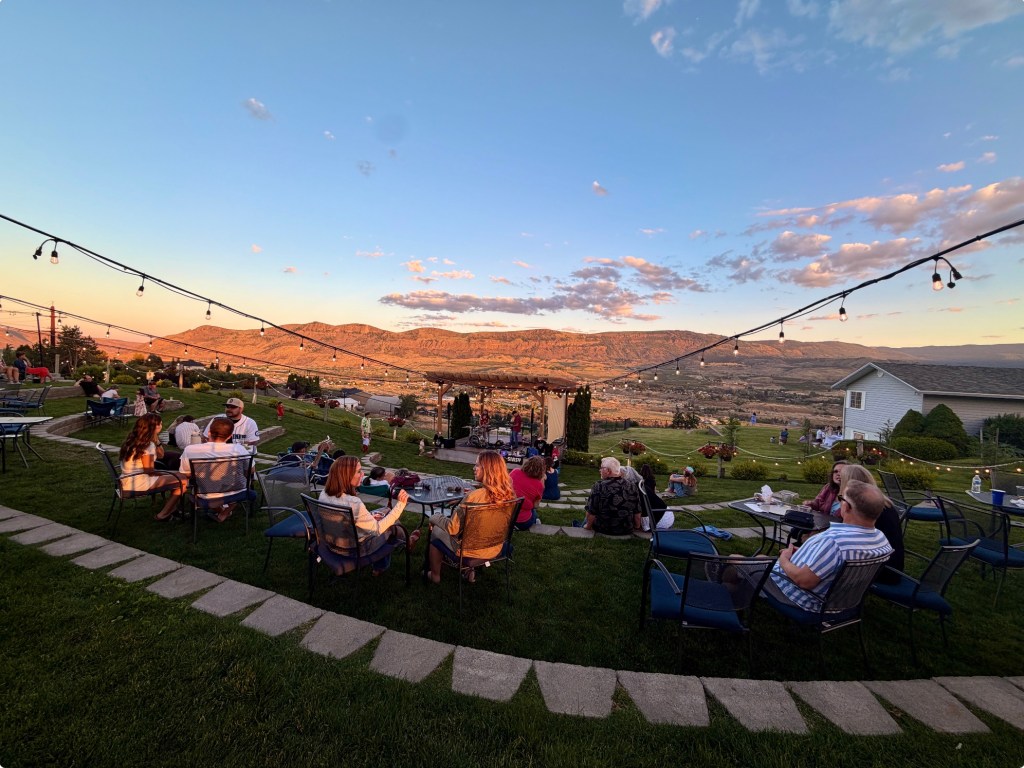
The tasting room is nestled among the family’s orchards, perched above the Columbia River and looking out over the Wenatchee Valley. During the fall harvest, visitors to the tasting room sometimes taste freshly picked apples along with the hard cider.
Courtesy of Katia Handley
“We are third-generation orchardists and have been farming apples since the 1960s, says Drew Handley, the Head Cider Maker and Co-owner of Unionhill Cider Company. “As the landscape of orcharding has changed over the years, we became intrigued by cider and wondered if we could use our own orchards to start making it.”
Having learned about apple varieties used exclusively for cider-making, they planted additional varieties and started making their own cider. The tasting room and cider production began in 2018.
All apples used in Union Hill’s production come from the family orchards located in Wenatchee and its vicinity. Besides the usual varieties used for fresh apple consumption—such as Cosmic Crisp, Pink Lady, Granny Smith, and Golden Delicious—the farm grows several types of cider-specific apples, such as Dabinett, Kingston Black, Porter’s Perfection, Golden Russet, and Redheart. They add structure, tannins, acidity, and complexity to the finished drink.
“Our dry, arid climate here in Central Washington, combined with abundant sunshine and warm summers, makes it an excellent place to grow apples,” says Handley. “These conditions help develop concentrated flavors in the fruit, along with the bold acidity that carries through into our ciders.”
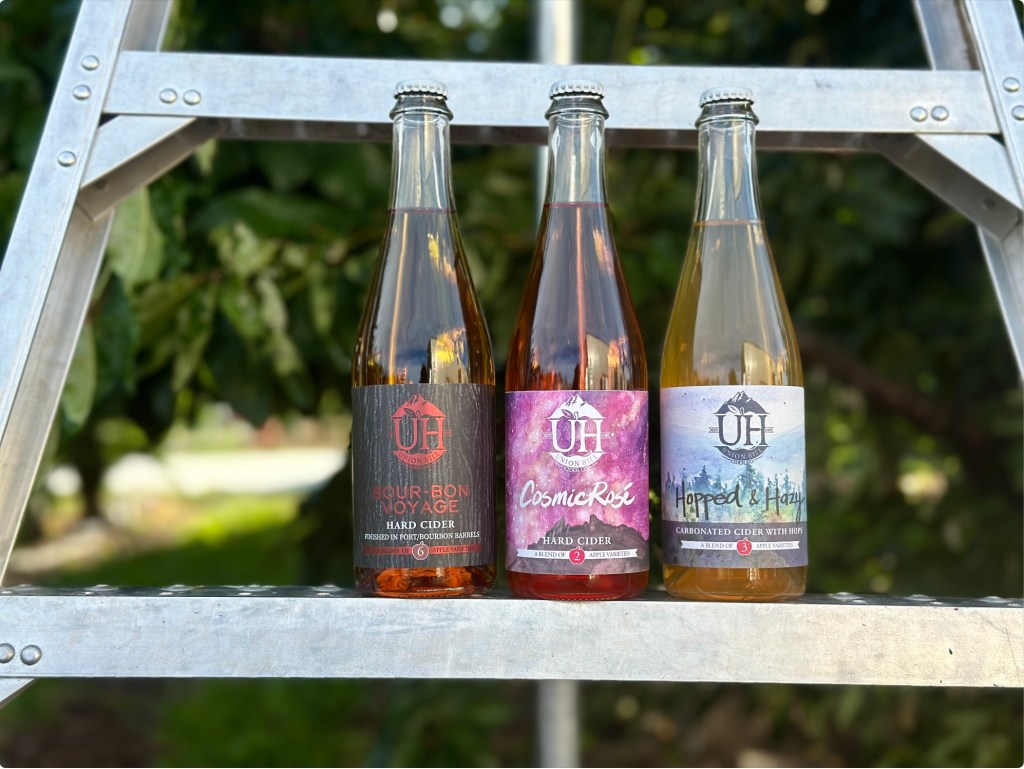
A cider flight is an excellent way to taste these flavors. Fall brings choices like single varietal ciders, barrel-aged ciders, and fresh hopped ciders. Group tours for the production process can also be arranged. The tasting room also has a kitchen that serves pizzas, charcuterie, pulled pork sandwiches, and more foods that pair well with ciders. However, the main reason to visit here during harvesting season may be simpler.
“The smell of fresh apples, honestly,” says Handley. This means walking through the orchards and experiencing all those fresh smells of cut grass, ripened fruit, and fresh air of the autumn season.
Courtesy of Katia Handley
Ultimately, that’s what makes Washington cider worth traveling for. You can get cider anywhere, but out here, you can meet the growers of those apples, walk among the trees, taste varieties that might be unpleasant straight from the branch but extraordinary after fermentation, and learn how the same fruit changes depending on where and how it is grown.
And, at a few farms, you can put your own hands on the press.