
10 Wildly Inventive Startups We Saw at TechCrunch Disrupt 2026 That Could Change Life in the West
From robotic hiking gear and automated farms to mosquito-fighting machines, helpful household robots, and the quest to bring extinct animals back to life, these are the innovations that caught our eye in San Francisco.
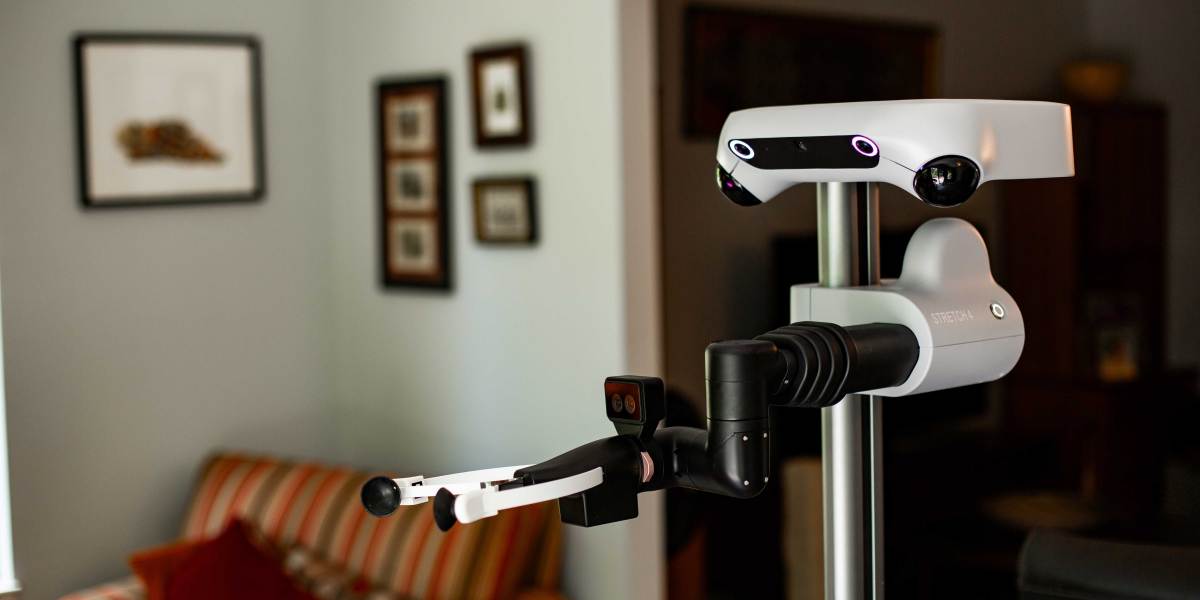
Courtesy of Hello Robot
The future of the West might look a little different than you imagine. Think robotic gear that helps you hike farther, a neighborhood greenhouse that grows your lettuce without human hands, or a high-tech mosquito trap that could finally make your backyard enjoyable again. Or how about a robot that helps around the house—or a company trying to bring extinct animals back to life?
At TechCrunch Disrupt 2026 in San Francisco, hundreds of startups gathered to show off their big ideas for the future. There was plenty of artificial intelligence, of course, but we were looking for something a little more tangible: inventions that could actually change the way we live.
At Sunset, we’ve spent 125 years chronicling the evolution of Western life, from the rise of the automobile and the modern kitchen to solar-powered homes and the outdoor recreation revolution. So we hit the show floor in search of what’s next.
Here are 10 companies that made us stop, look, and imagine the possibilities.
1. Hypershell: An Exoskeleton That Gives You Superhuman Hiking Legs

Courtesy of Hypershell
Ever wished you had a little extra horsepower on a steep trail? Hypershell has a solution that looks straight out of science fiction: a wearable robotic exoskeleton that straps around your waist and legs and gives your muscles a mechanical assist.
The company’s Hypershell X series uses electric motors, sensors, and an AI-powered algorithm to adapt to your movements, whether you’re powering up a mountain or picking your way downhill. It even has a descent-assist feature designed to reduce stress on your knees.
The company claims its technology can reduce muscle load by as much as 63% under specific conditions, with up to 30 kilometers of assisted range. Actual results will depend on terrain, pace, and how much assistance you’re using.
The big idea: Give ordinary people a little superhuman strength, making strenuous outdoor adventures easier and more accessible.
Why it matters to the West: Imagine older hikers staying on the trail longer, backpackers hauling heavy loads with less effort, or weekend adventurers getting a boost on the final miles back to the trailhead.
Will robotic hiking gear become as commonplace as trekking poles? We wouldn’t rule it out.
2. Mosqitter: A High-Tech Mosquito Trap That Could Save Your Backyard
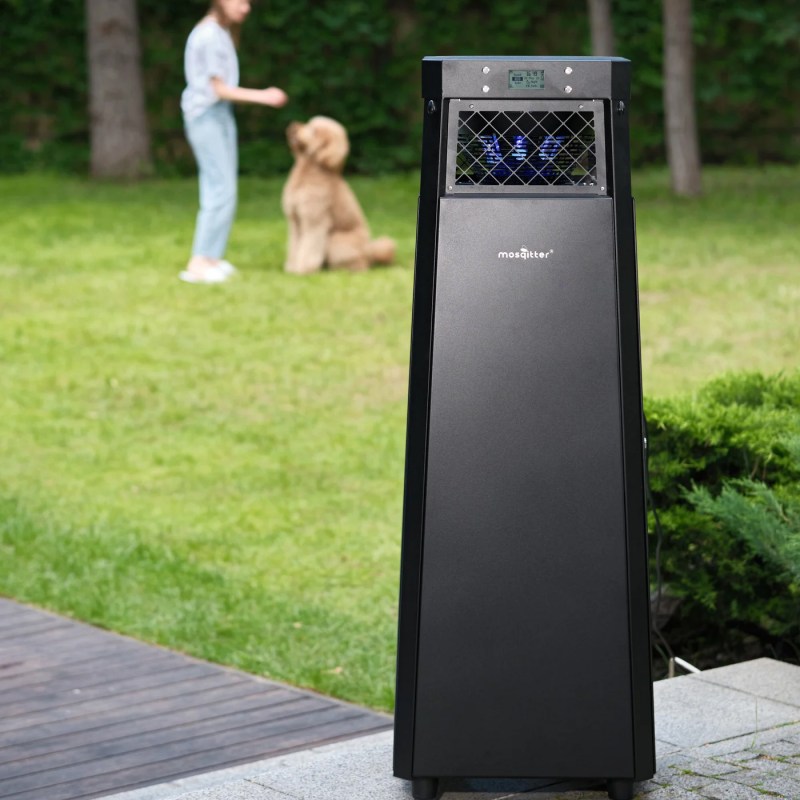
Courtesy of Mosqitter
There’s nothing quite like a swarm of mosquitoes to ruin an otherwise perfect evening outdoors. Citronella candles only go so far, and spraying your yard with pesticides isn’t exactly an appealing solution.
Enter Mosqitter, a Ukrainian-founded startup that’s developed a surprisingly sophisticated way to outsmart the little bloodsuckers.
Instead of repelling mosquitoes, the company’s devices impersonate their favorite meal: you. By combining heat, light, scent, and—in its larger model—carbon dioxide, Mosqitter mimics the signals that attract female mosquitoes. When the insects approach, a fan sucks them into a collection net, where they’re trapped without pesticides or electric zappers.
The company’s larger Mosqitter Grand is designed to cover outdoor areas up to two acres, with smartphone controls and settings that allow it to operate throughout mosquito season. Mosqitter claims its technology can reduce bites by as much as 93%, although results depend on conditions and independent verification would be welcome.
The big idea: Fight mosquitoes by tricking them into choosing a machine instead of you, without spraying pesticides all over your backyard.
Why it matters to the West: For homeowners who have watched invasive mosquitoes turn once-pleasant patios into no-go zones, the appeal is immediate. Imagine enjoying dinner outside without dousing yourself in repellent or constantly swatting at your ankles.
The future of outdoor living might just involve a very convincing robotic decoy.
3. Canopii: A Robotic Farm That Fits in a Neighborhood
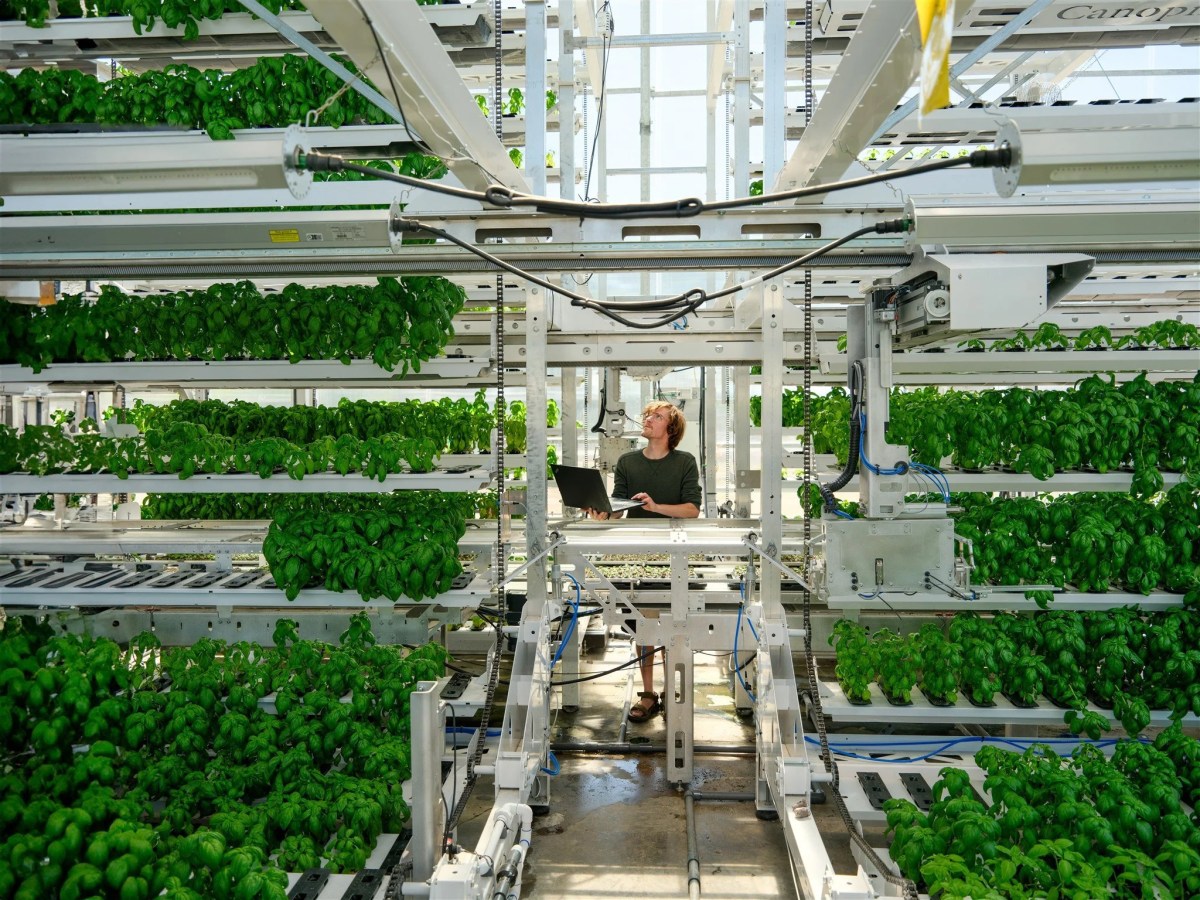
Courtesy of Canopii
Picture a farm that fits on a lot smaller than a basketball court, grows thousands of pounds of produce, and handles nearly every task itself, from planting seeds to harvesting lettuce.
That’s the vision behind Canopii, an Oregon startup developing fully automated greenhouses designed to bring food production closer to the people eating it.
Its 2,500-square-foot growing system uses robotics to seed, transplant, tend, and harvest leafy greens and herbs. According to the company’s current materials, a single greenhouse can produce up to 32,000 pounds of greens annually.
Rather than building enormous indoor farms that still require distribution networks to ship produce long distances, Canopii wants to put compact farms near grocery stores and communities. The company is targeting its first retail rollout in 2027.
The big idea: Shrink a commercial farm to neighborhood scale and let robots do the growing.
Why it matters to the West: Water, land, and agricultural labor are increasingly precious resources. Compact, automated greenhouses could bring fresh food closer to consumers while reducing transportation needs and potentially making more efficient use of land and water.
Your future salad might be grown by a robot just down the street.
4. Noble Carbon: The Tiny Upgrade That Could Make Your Home All-Electric
Here’s a problem familiar to anyone who has tried to install an EV charger, heat pump, or induction range in an older home: Your electrical panel may not have enough capacity, and upgrading it can cost thousands.
Noble Carbon thinks it has a smarter solution.
The startup is developing intelligent circuit breakers that fit inside existing electrical panels, allowing homeowners to monitor and manage how much electricity different appliances use. Instead of upgrading an entire panel to handle the theoretical maximum demand of every appliance running simultaneously, the system could help manage power consumption dynamically.
In practical terms, that could mean installing an EV charger without having to replace your home’s electrical infrastructure.
The technology is still moving through certification and early deployment, so it won’t eliminate every expensive panel upgrade.
The big idea: Make the electrical panel smarter instead of making it bigger, potentially saving homeowners thousands on the road to electrification.
Why it matters to the West: Millions of older homes weren’t built to accommodate electric cars, heat pumps, and other power-hungry appliances. Smarter electrical management could make upgrading those houses easier and more affordable, helping accelerate the transition away from fossil fuels.
Not every breakthrough needs to be flashy. Sometimes the future arrives in the form of a smarter circuit breaker.
5. Greenairy: A Houseplant That Works Like an Air Purifier
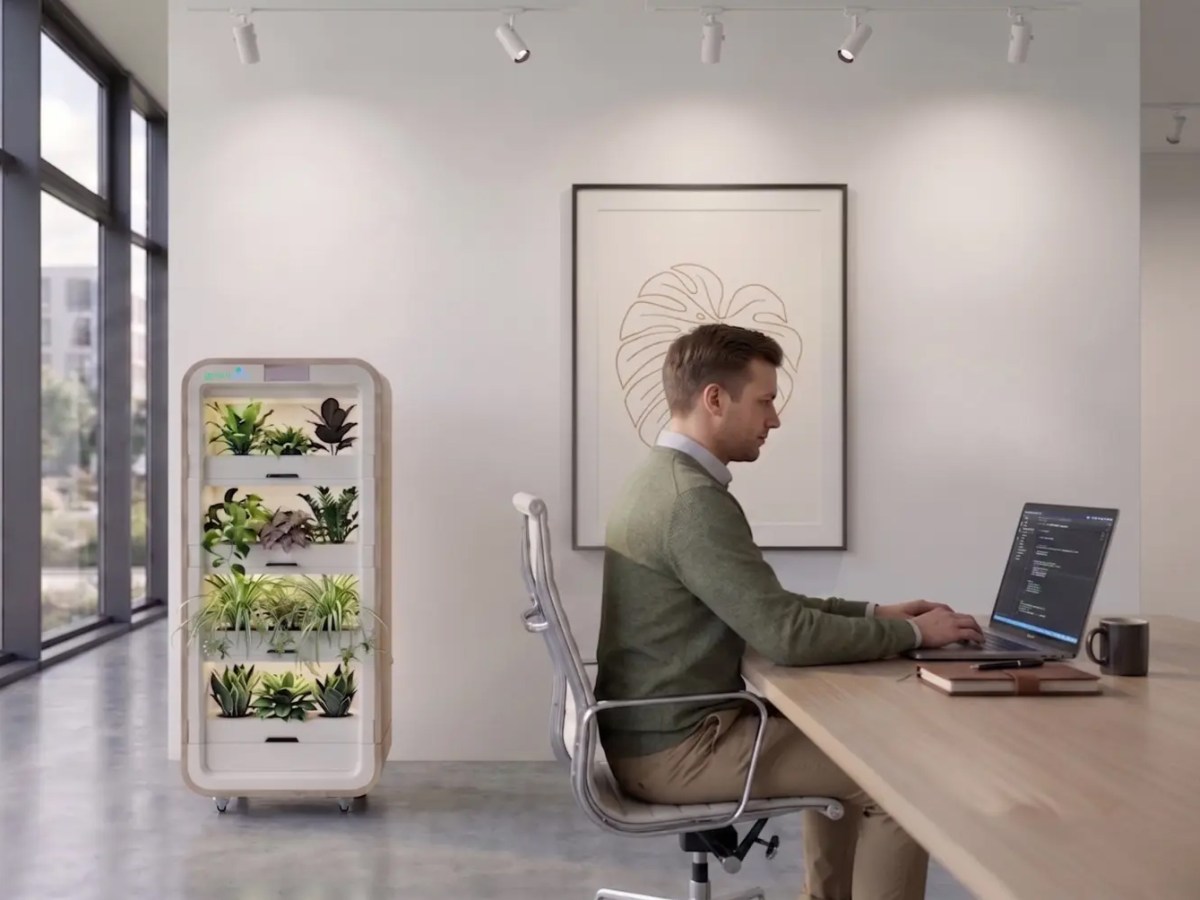
Courtesy of Greenairy
Houseplants have always made a room feel better. Greenairy wants them to make the air better, too.
The company is developing a smart, vertical plant tower designed to remove indoor air pollutants using living greenery. Think of it as a miniature living wall crossed with a high-tech air purifier, packaged in a compact, furniture-like cabinet.
According to the company’s promotional materials, its system can substantially reduce formaldehyde and fine particulate pollution in controlled tests. Those are promising claims, although we’d want to see independent, real-world testing before replacing a conventional HEPA air purifier.
The company is initially targeting offices and commercial spaces, but the concept is intriguing for residential design as well.
The big idea: Turn living plants into functional air-cleaning appliances that look more like furniture than machinery.
Why it matters to the West: As Western homeowners increasingly focus on wellness, indoor air quality, and biophilic design, technology that combines greenery with environmental performance could help create healthier, more appealing interiors.
Instead of hiding another humming plastic appliance in the corner, imagine a piece of living furniture that actually helps improve the environment. And unlike most futuristic gadgets, this one might make a room look better.
6. Krokos Bio: Saffron Grown in a Tank Instead of a Field
Courtesy of Krokos Bio
Saffron is among the world’s most expensive spices, thanks to the labor-intensive process of harvesting the delicate stigmas of crocus flowers. Its production is also concentrated in a few regions, making the global supply vulnerable to weather, politics, and other disruptions.
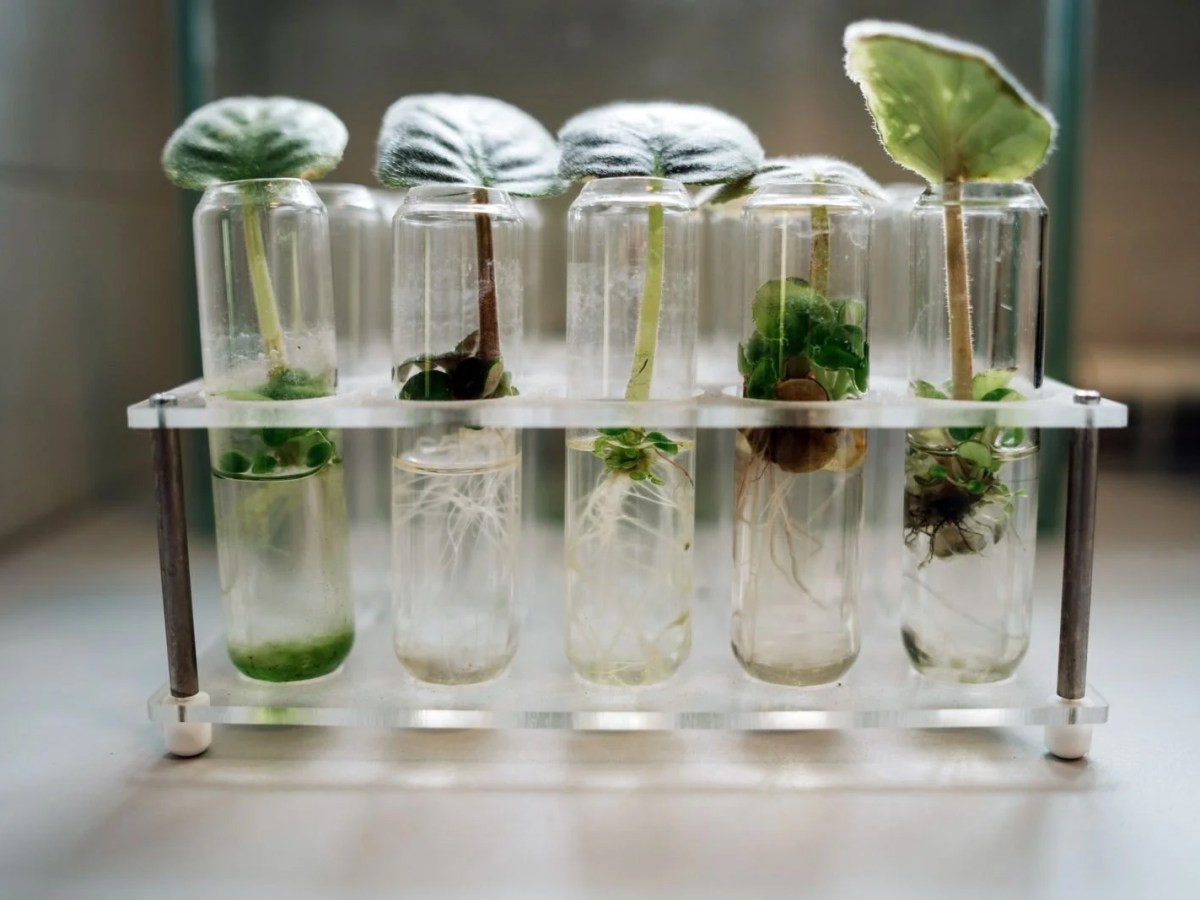
Krokos Bio has an intriguing alternative: Why grow the whole plant when you can cultivate the valuable parts in a tank?
The startup uses plant cell culture technology to grow botanical cells in controlled bioreactors, with the goal of producing the same key compounds found in conventionally grown saffron. Those include crocin, responsible for its vibrant color; picrocrocin, which contributes bitterness; and safranal, which gives saffron its unmistakable aroma.
The company envisions supplying food manufacturers, cosmetics companies, and wellness brands with ingredients that don’t depend on traditional agricultural production. Eventually, the same approach could extend to vanilla, ginseng, and other valuable botanicals.
The big idea: Grow valuable food ingredients in bioreactors rather than fields, potentially making rare and expensive botanicals more accessible.
Why it matters to the West: As drought, extreme weather, and agricultural constraints challenge traditional farming, alternative ways to produce high-value ingredients could make food supply chains more resilient.
There’s still an important culinary question: Can a bioreactor-grown saffron ingredient deliver the full complexity of the real thing in a paella or risotto? That’s something we’d love to put to the test.
7. Aeropod: A Tiny Underground Invention That Could Help Save Our Soil

Courtesy of Aeropod
Some of the most important innovations in agriculture aren’t happening above ground. They’re happening beneath our feet.
Aeropod, developed by Muju Earth, takes aim at one of farming’s persistent problems: compacted soil that prevents water, air, and nutrients from reaching plant roots.
The company’s approach uses small soil-aeration capsules designed to expand underground, creating channels that help improve water infiltration and root growth without the heavy machinery and disruptive tilling traditionally used to loosen soil.
The promise is healthier soil, less disturbance, and potentially reduced reliance on energy-intensive agricultural practices. Of course, the technology will have to prove itself at scale across different soil types, crops, and growing conditions.
The big idea: Improve soil health from the inside out with tiny underground devices rather than heavy machinery.
Why it matters to the West: Water conservation and soil health are critical to the future of Western agriculture. Technology that helps rain and irrigation water penetrate compacted soil could support healthier crops while reducing the need for disruptive tilling.
There’s something refreshing about a startup tackling a problem as fundamental as dirt. The future of farming may depend as much on what happens below the surface as on the robots and satellites above it.
8. ALSO: The Electric Bike That Could Replace Your Car
Courtesy of ALSO
What if the future of transportation wasn’t a bigger, smarter electric car, but something much smaller?
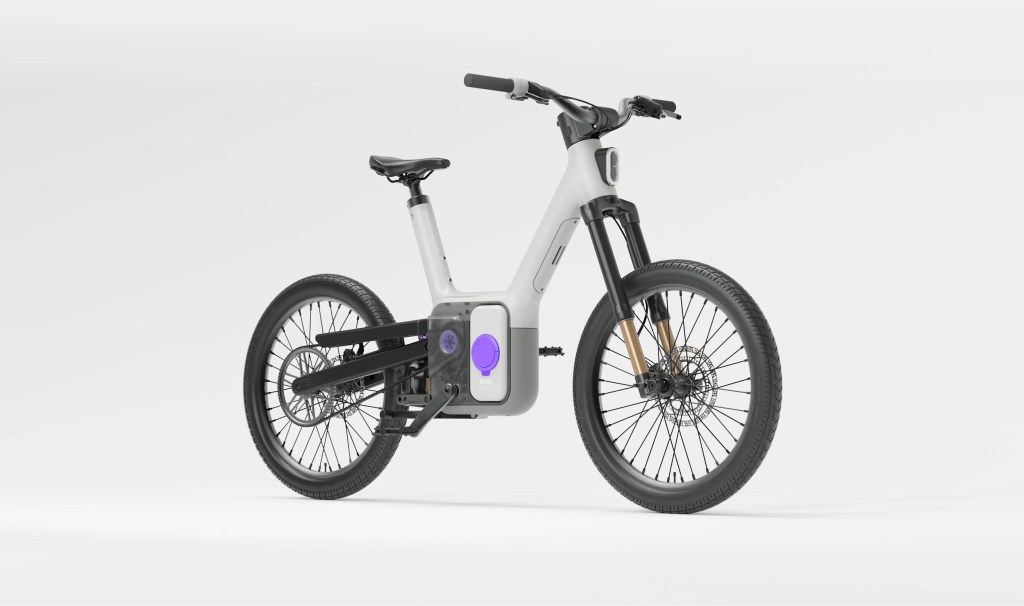
That’s the thinking behind ALSO, a California mobility startup spun out of Rivian that’s reimagining everything from electric bicycles to delivery vehicles. Its first consumer product, the TM-B, looks like a sleek, futuristic e-bike, but there’s some serious engineering beneath the frame.
Instead of a traditional mechanical connection between the pedals and rear wheel, ALSO uses a pedal-by-wire system that translates your pedaling into electronic signals. Software controls how the bike responds, allowing it to adjust assistance for hills, commuting, or exercise. Swappable frames let riders configure the bike for carrying cargo or a passenger.
But ALSO has bigger ambitions than selling fancy bicycles. The company is developing electric delivery quads and autonomous vehicles built around the same technology platform, with commercial partnerships involving Amazon and DoorDash.
The big idea: Rethink transportation from the ground up, creating smaller, smarter electric vehicles that could replace many of the trips we currently make by car.
Why it matters to the West: From Los Angeles traffic jams to sprawling suburban neighborhoods, the West has spent generations designing daily life around automobiles. Smaller electric vehicles could make short trips, school runs, errands, and deliveries more efficient, while reducing congestion and the space devoted to parking.
The future of mobility might not be a car in every driveway. It might be a really smart bike in every garage.
9. Colossal Biosciences: The Company Trying to Bring Extinct Animals Back to Life
Imagine a world where woolly mammoths once again roam the tundra, dodo birds return to their island habitats, and animals thought lost forever get a second chance.
It sounds like the premise of a Jurassic Park sequel, but it’s the actual mission of Colossal Biosciences, a Texas-based biotechnology company co-founded by entrepreneur Ben Lamm and Harvard geneticist George Church.
The company is using ancient DNA, CRISPR gene editing, and reproductive technology to re-create characteristics of extinct species. Its most headline-grabbing achievement involves three living wolves genetically engineered from gray wolves to exhibit traits of the prehistoric dire wolf. Colossal calls this de-extinction, although scientists have debated whether the animals should be considered resurrected dire wolves or genetically modified gray wolves.
Colossal’s ambitions extend to woolly mammoths, Tasmanian tigers, and dodos. But beyond the attention-grabbing possibility of bringing back vanished animals, the company is developing technology to help preserve species that are still alive. It has partnered with the U.S. Fish and Wildlife Service on an initiative to preserve genetic material from approximately 2,300 endangered species.
The big idea: Use biotechnology not only to recreate characteristics of extinct animals, but to prevent today’s threatened species from disappearing in the first place.
Why it matters to the West: The American West is home to extraordinary biodiversity, from endangered California condors to fragile desert ecosystems. As habitat loss, climate change, and human development threaten wildlife, genetic preservation and reproductive technologies could become increasingly important tools for conservation.
Whether we’ll ever see a woolly mammoth wandering across a snowy landscape remains an open question. But the possibility that extinction might someday become less permanent is a pretty extraordinary idea.
10. Hello Robot: The Robot That Could Help Around the House
Courtsy of Hello Robot
Forget the humanoid robots that dance, do backflips, and make headlines. What if the most useful robot of the future is one that can bring you a glass of water?
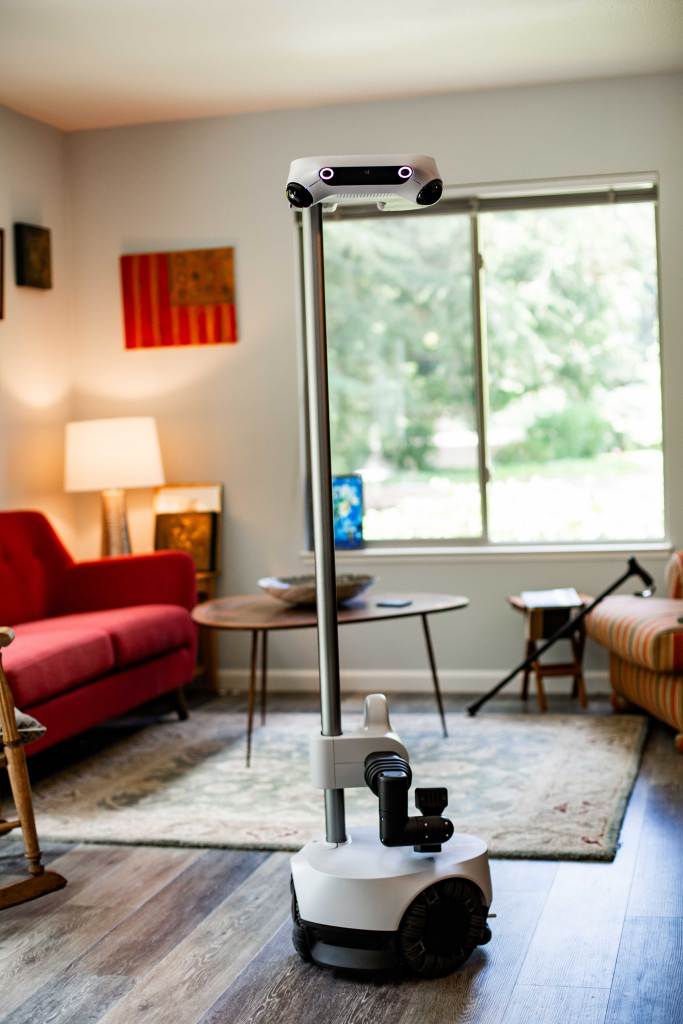
That’s the thinking behind Hello Robot, a California-based robotics company developing Stretch, a mobile robot designed to navigate everyday spaces and manipulate ordinary objects. Instead of trying to mimic the human body, Stretch uses a compact wheeled base, a telescoping arm, and a gripper to reach, grasp, and move things around.
The company’s Stretch 4 platform is designed primarily for researchers and developers exploring practical applications for mobile manipulation. But the possibilities for everyday living are compelling. Imagine a robot that can retrieve objects from shelves, help with household chores, or assist someone with limited mobility in maintaining their independence.
Stretch isn’t a mass-market household appliance yet, and reliably handling the countless unpredictable tasks in a home remains a significant technical challenge. Still, its relatively simple design offers a refreshing alternative to the more theatrical visions of humanoid robotics.
The big idea: Build practical, adaptable robots that can help people with everyday tasks rather than simply impress them with humanlike movements.
Why it matters to the West: With an aging population, rising caregiving costs, and a growing interest in aging in place, assistive home robotics could help people live independently for longer. The same technology could eventually change how we design homes, approach accessibility, and think about household labor.
The robot revolution might not arrive with a dramatic entrance. It might just reach up and grab something off the top shelf.
The Next West Is Already Taking Shape
What connects a robotic exoskeleton, a mosquito trap, an electric bike, a helpful household robot, and a company trying to bring extinct animals back to life? They’re all attempts to rethink the limits of what’s possible—and, in their own ways, change how we live in the West.
And that’s what interests us most about the next generation of technology. Not simply what computers will be capable of doing, but what people will be able to do because of them.
Hike farther. Enjoy the backyard. Grow food closer to home. Get around without a car. Live more independently. Build healthier houses and more resilient communities. And maybe even save a species from extinction.
After 125 years of covering the West, one thing is clear: The way we live never stops changing. Judging by the ideas on display at TechCrunch Disrupt, the next chapter should be interesting.
Keep Reading:
The Latest