
Staying at This Luxury Wilderness Preserve Is Like Having Your Own Private National Park
At Vermejo, the late Ted Turner’s vast private wilderness in northern New Mexico, conservation and hospitality converge in an experiment as big as the West itself.
Thomas J. Story
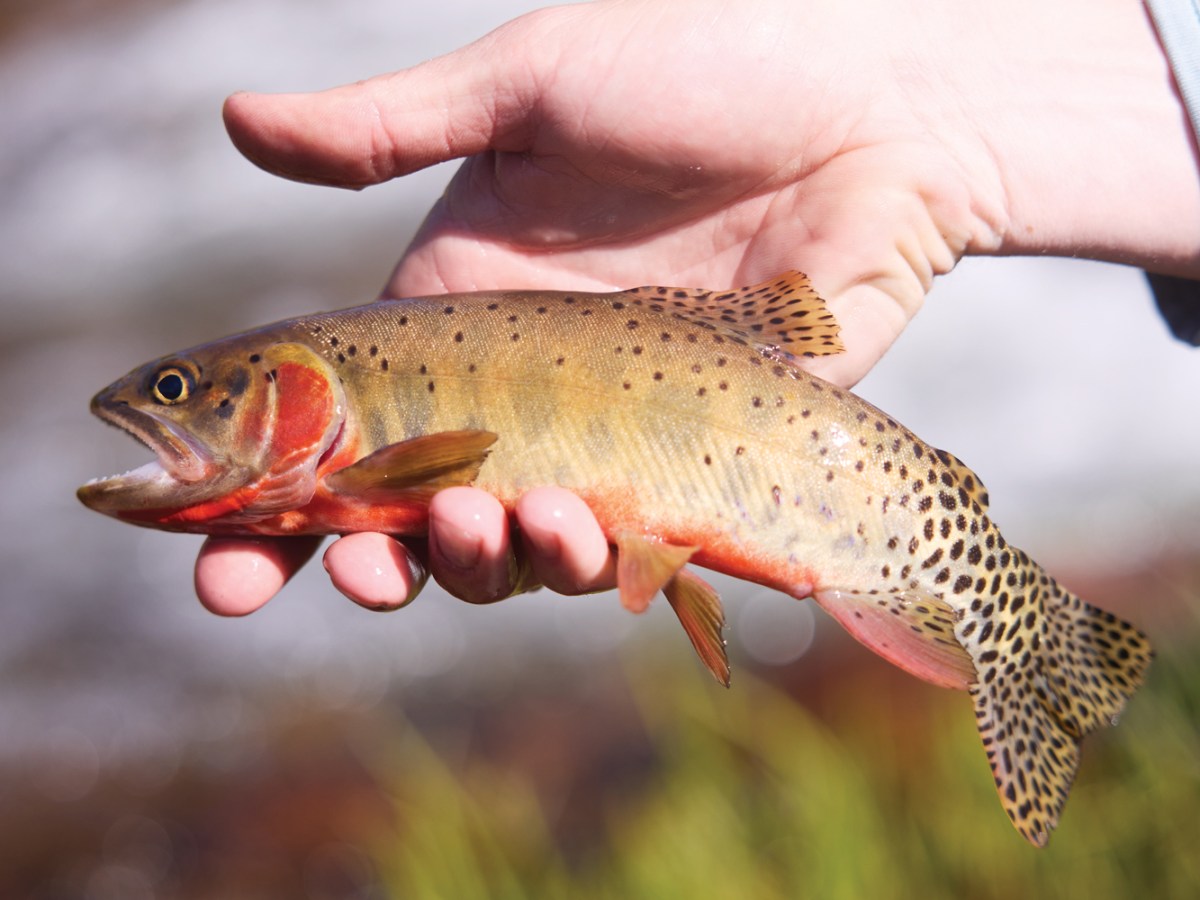
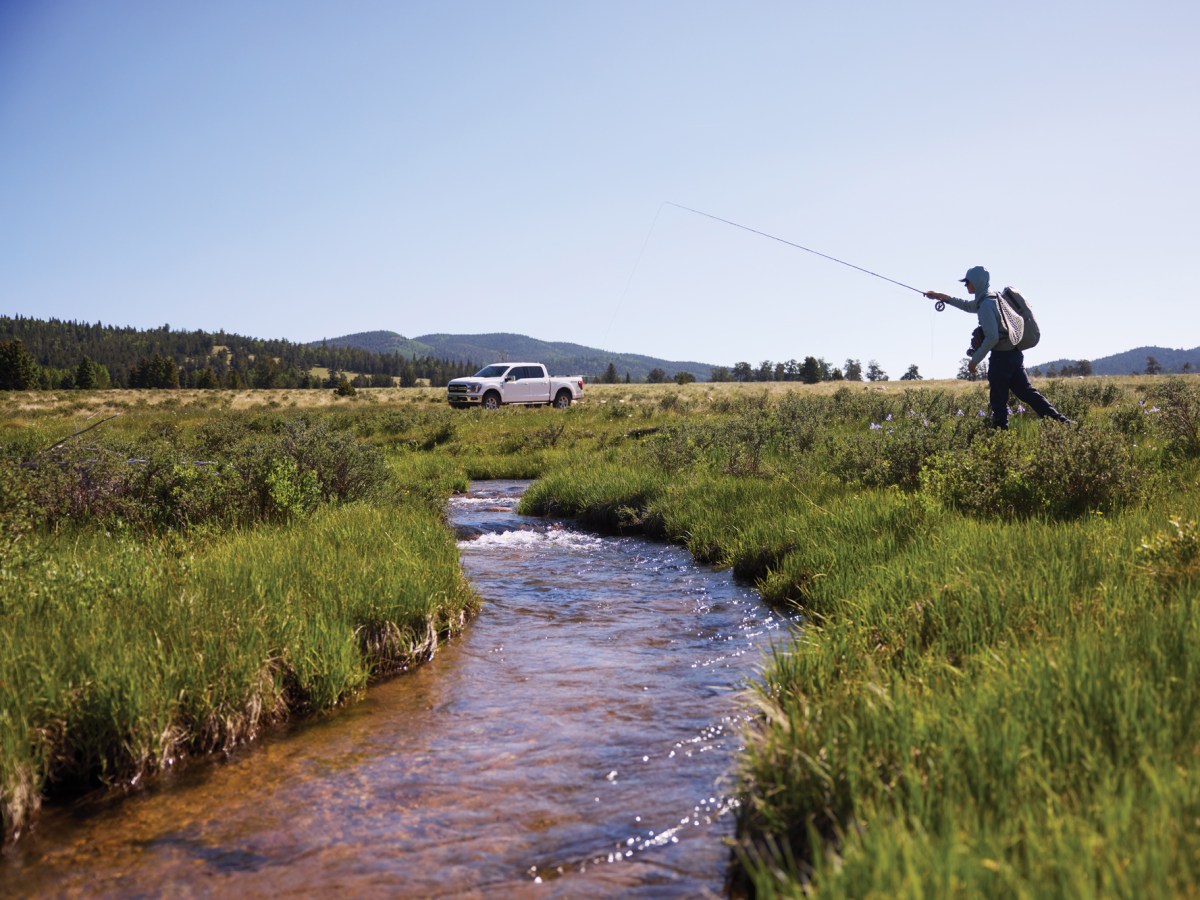
The angler crouches low, quietly whipping his fly rod back and forth across the creek that reflects the vivid blue sky. Melting ice pack brings water down from the mountains in the distance, through native grass, past blooming lavender-hued Rocky Mountain Iris. The fly sinks, the line goes taut, and suddenly glinting in the sun is a diminutive but beautiful Rio Grande Cutthroat Trout, its speckled rose-colored underbelly, which gives the fish its name, glowing crimson in the sun. It’s one of mere hundreds, so we admire it briefly before the angler dips his hands into the icy waters and gently releases the fish to swim again.
Thomas J. Story
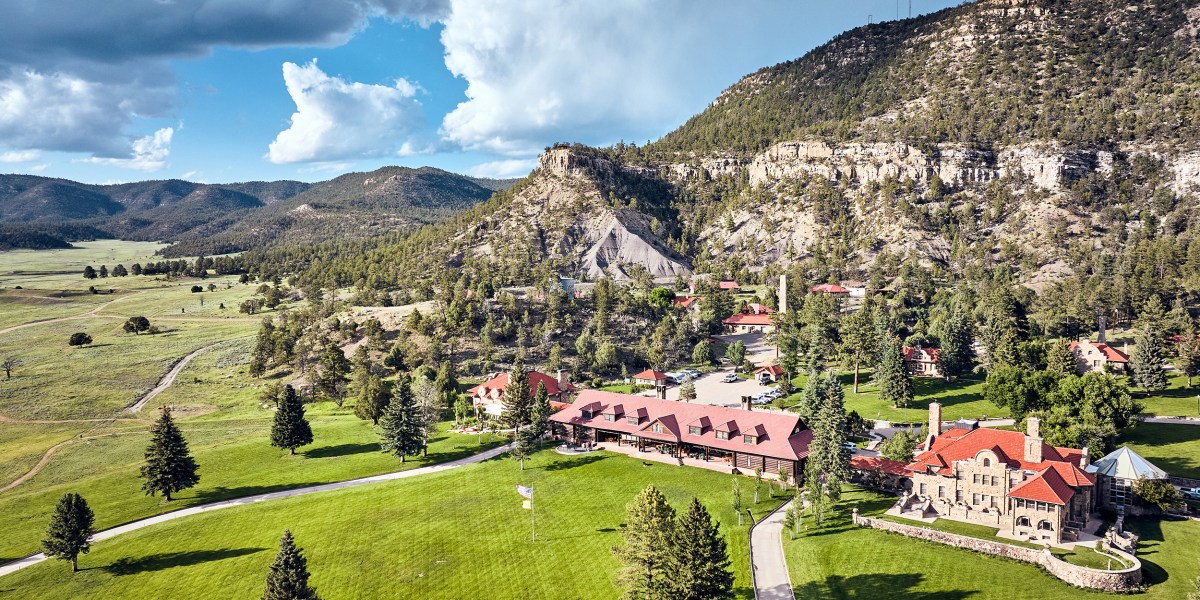
This is Vermejo, a 558,000-acre private wilderness preserve and all-inclusive resort 40 miles west of Raton near the New Mexico–Colorado border. The nearly 1,000 square miles of Alpine tundra, shortgrass prairie, forests, wetlands, and more are a mosaic of many ecosystems and a sort of private national park. Elk herds drift across valleys. Bison graze where cattle once stripped the grass. Black bears move through the ponderosa forests. Mountain lions patrol the ridges. And at the center of it all is the idea that compassionate capitalism can save the wild American West.
Thomas J. Story
To most Americans, Ted Turner, who passed away this spring at the age of 87, will always be the media titan who built CNN and rewired how the world consumes news. But to conservationists and the hospitality industry, Turner is known for something else entirely. At times he has been the largest private landowner in North America, with roughly two million acres spread across the United States and Argentina. Beginning in the 1970s, Turner began buying land across the West—massive properties in Montana, Nebraska, New Mexico, and South Dakota that had been worked hard for generations.
Thomas J. Story
Many were typical Western cattle operations: over-grazed grasslands, degraded waterways, wildlife pushed aside for livestock. Turner had a different idea. Instead of maximizing short-term profit from cattle, he would attempt something radically different: restore the ecosystems first, then build a business around their health. Over time he assembled a constellation of properties—Ted Turner Reserves—including places like Vermejo, Ladder, and Armendaris in New Mexico, along with vast properties in Montana. Today these lands function as a kind of ecological laboratory: part conservation preserve, part luxury wilderness destination. If the model works, the theory goes, the land pays for its own restoration.

Thomas J. Story
I recently spent several days there to experience this rare model of conservation-minded luxury hospitality. My guide was Jade McBride, the infectiously positive president of Ted Turner Reserves, the hospitality arm of Turner Enterprises. We traversed the landscape in a hybrid Ford F-150, taking in the endless sky and vast prairie, pausing to watch bison, mule deer, and the occasional pronghorn, the fastest land animal in North America. “Popping a tire here is a rite of passage,” says McBride, slowing as we climb a particularly rutted road.

Thomas J. Story
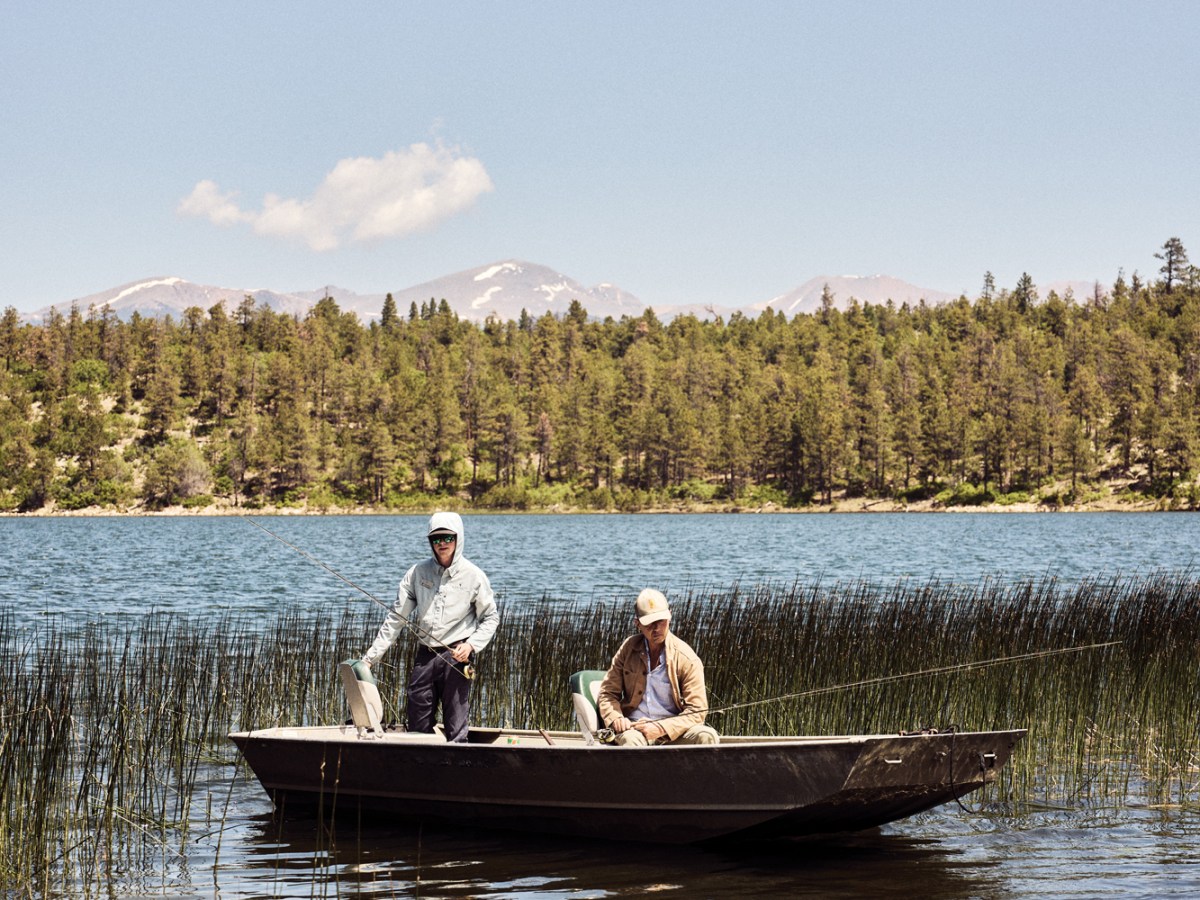
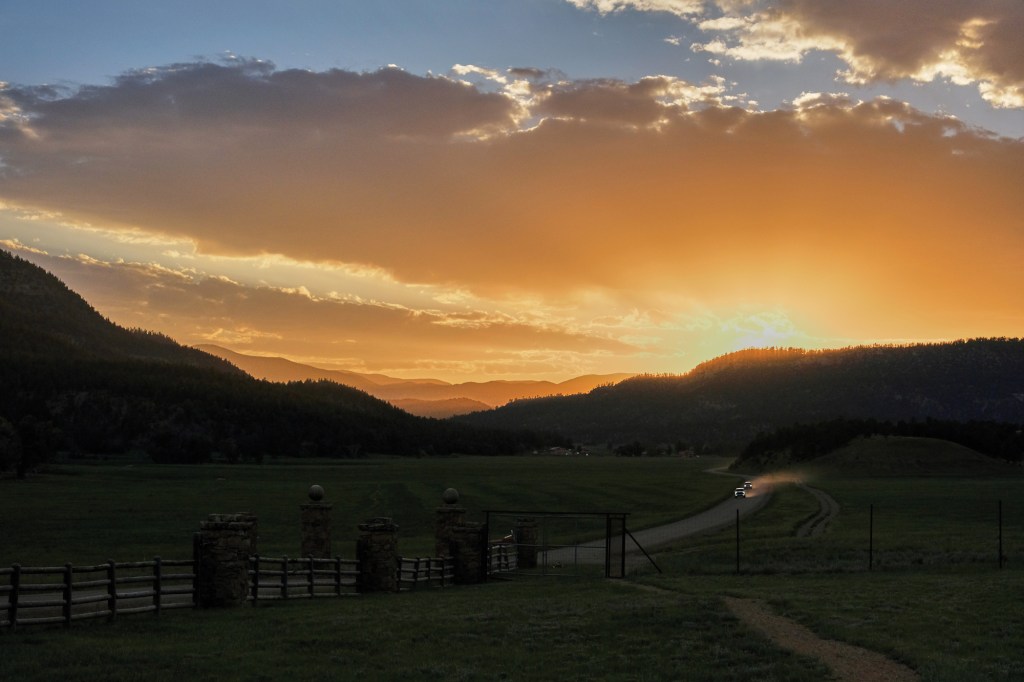
Driving through Vermejo feels like crossing into a separate country. The scale is difficult to grasp. The preserve stretches more than 30 miles north to south, rising from rolling prairie grasslands into alpine forests that crest above 12,000 feet. Hidden lakes appear in high valleys. Elk trails thread through spruce forests. Two mountain ranges sit inside the property boundary.
Thomas J. Story
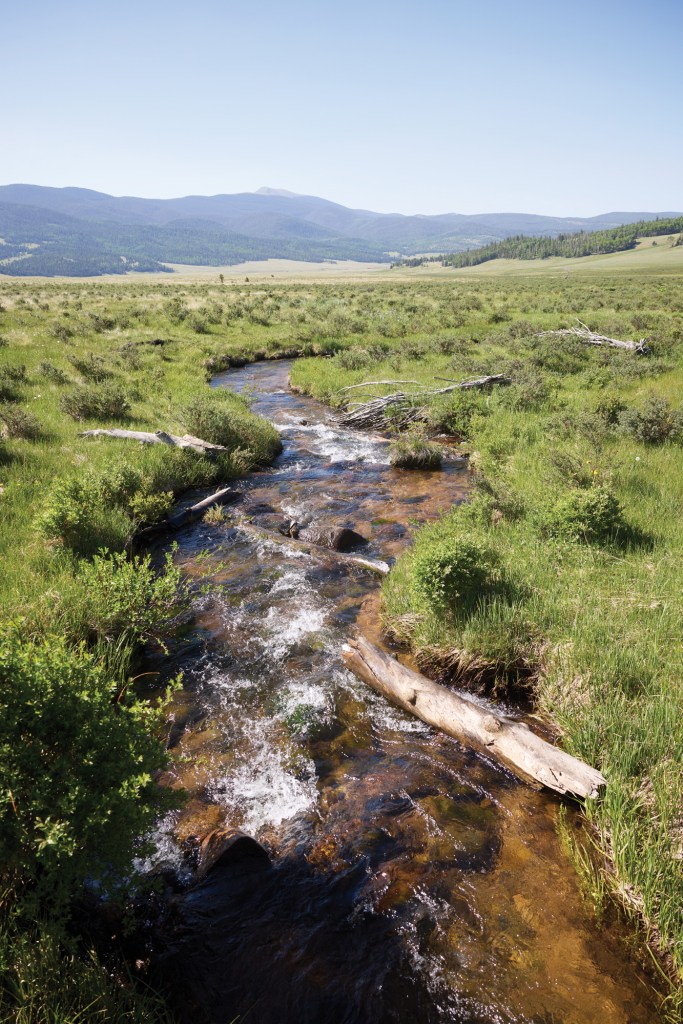
“Rivers can tell you whether land is healthy,” says McBride. “If the land’s healthy, the rivers are healthy.” He points to a creek cutting through the valley. “That one’s recovering.” Unlike another creek that looks like a gash cutting through the grass, this one is overgrown with shrubs and little trees that shade the creek, lowering the water temperature to a degree more hospitable for the trout and creating an ecosystem more amenable to beavers who are now damming the streams for the first time in decades.
Thomas J. Story
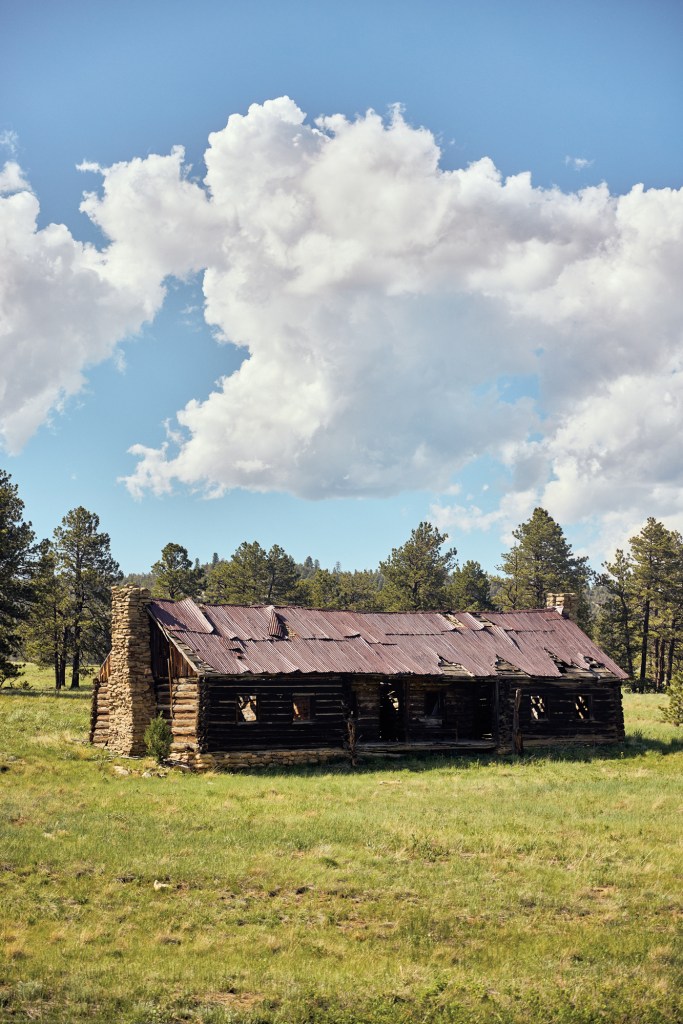
Like much of the American West, Vermejo spent decades under the pressures of extractive ranching—heavy cattle grazing, logging, and land practices that prioritized short-term productivity over long-term health. The results were predictable: degraded streams, damaged soil, wildlife pushed out of habitat. When Turner acquired the property in 1996, it was a shadow of what it had once been. Restoring it would take decades.
Thomas J. Story
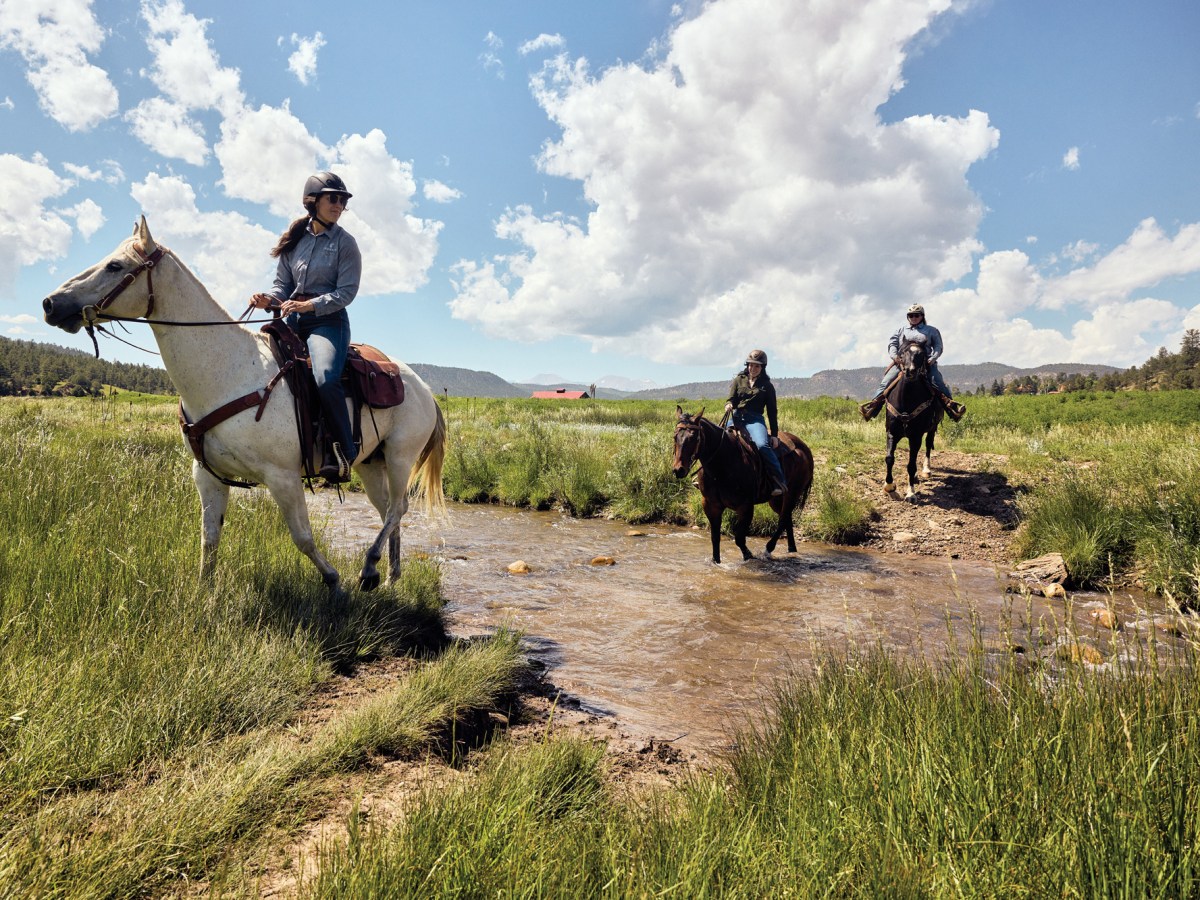
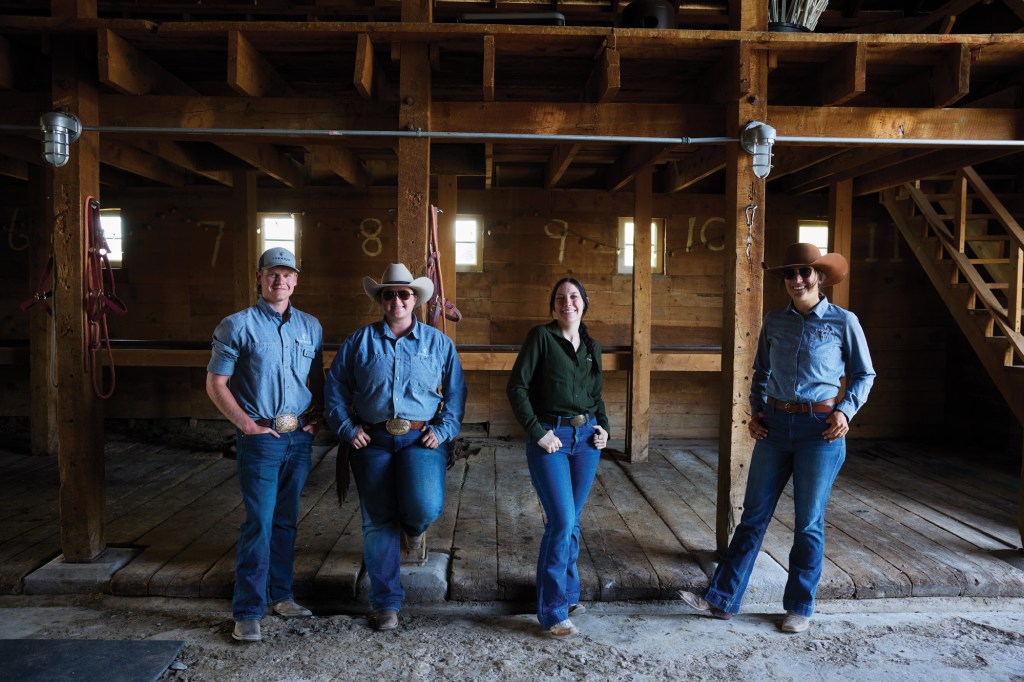
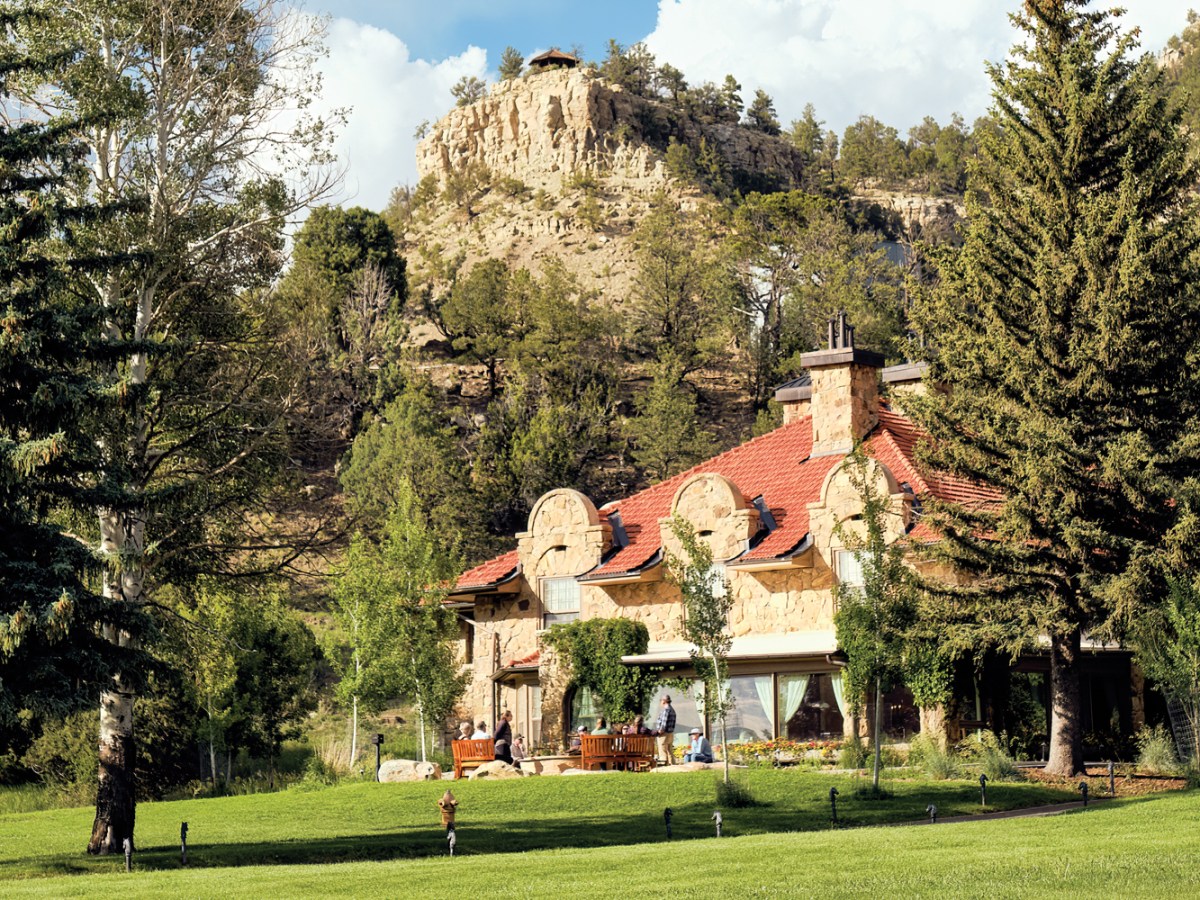
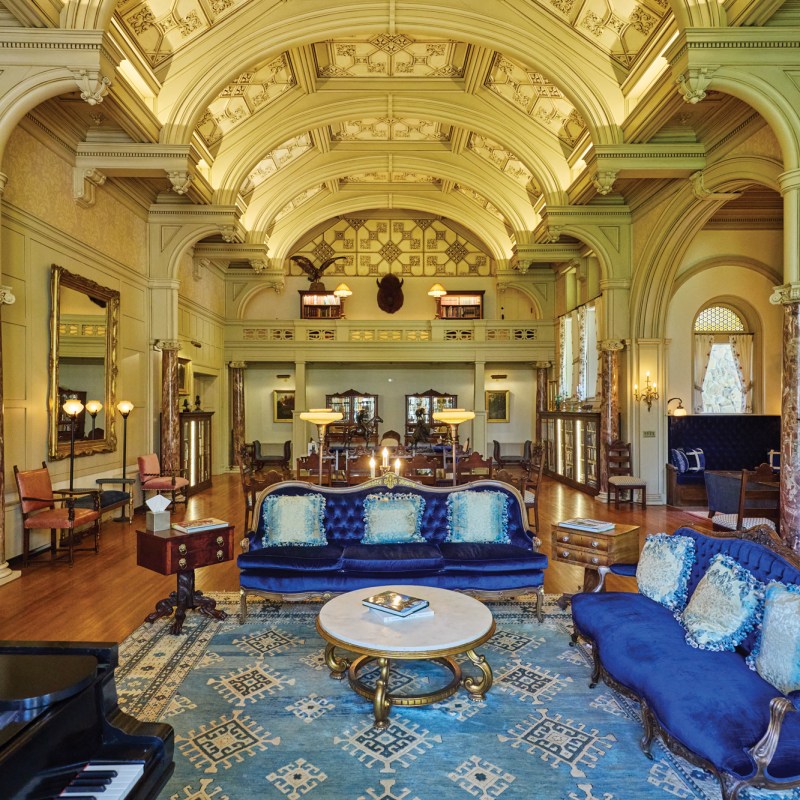
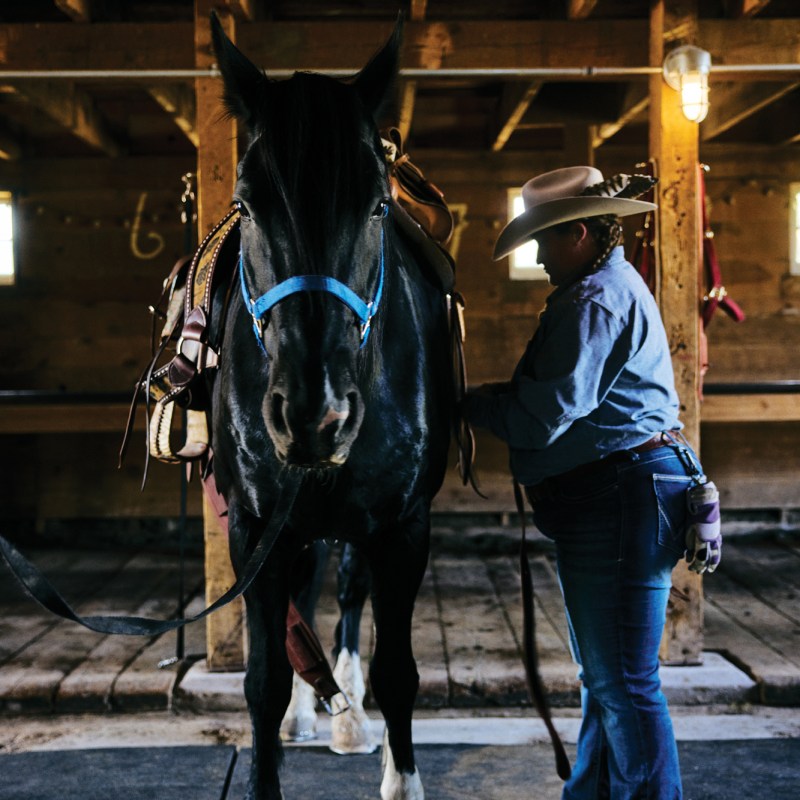
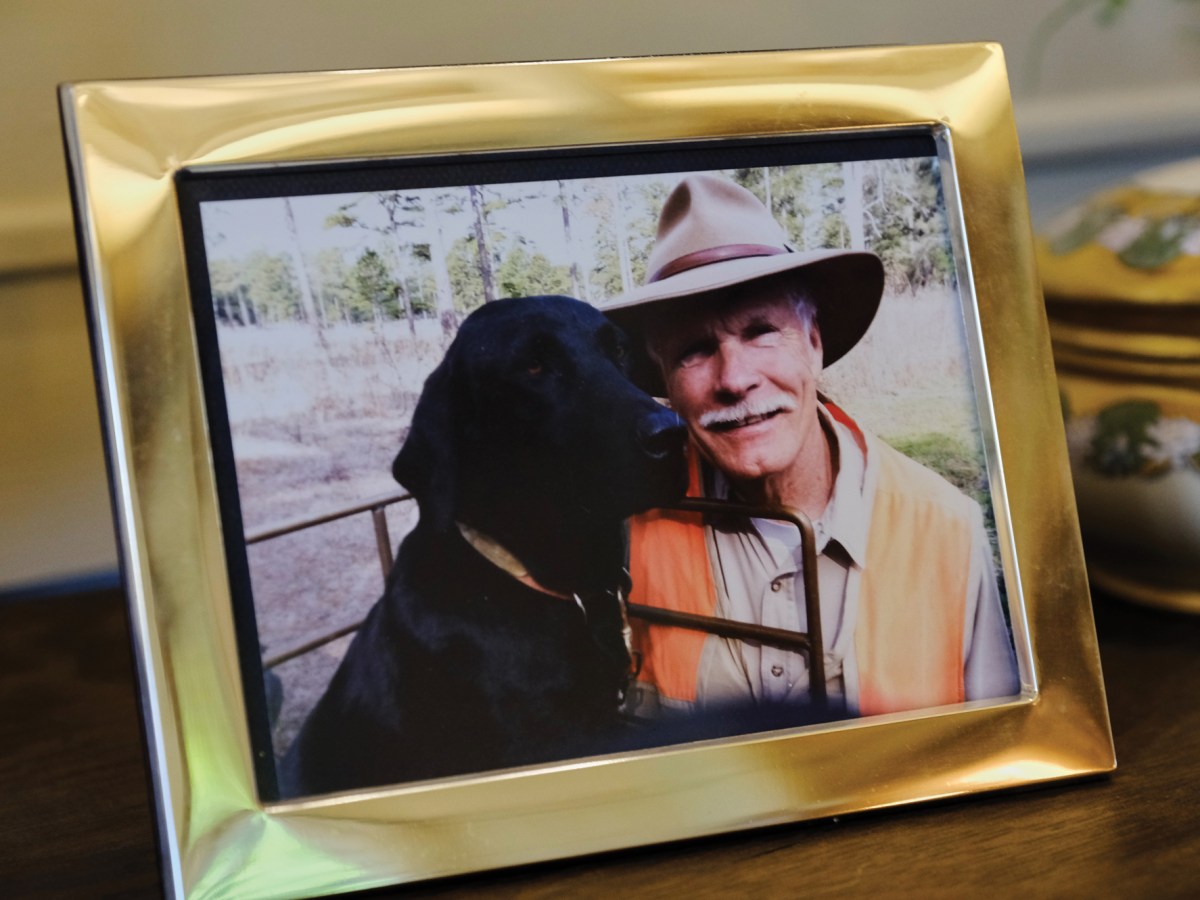
The experience of staying on Vermejo is as much about inhabiting Ted Turner’s vision as it is about the landscape itself. Guests don’t just check into a lodge—they step into a rarefied version of Western life that blends private-residence intimacy with quietly exacting luxury. At Casa Grande, Turner’s historic home turned flagship lodge, mornings begin with sunlight pouring through tall windows into a library with double-height ceilings and personal photos of Turner and friends. A guide might be waiting with saddled horses for a ride across open prairie, or a fly-fishing kit packed for a morning of angling. Others head out in trucks scanning for elk, bison, and the occasional black bear moving through the folds of the land. Guests can shoot clays, but you’d never know it back at the lodge, the distances being what they are. There’s hiking at higher elevations where the air sharpens. Or you can simply find a remote spot and sit still long enough to understand what quiet really feels like. There’s a working greenhouse supplying the kitchen, and meals lean into the land: bison steaks, just-harvested vegetables, regional wines. The rare privilege here is not just comfort, but proximity: to land at scale, to wildlife in motion, and to a version of the West that feels, against all odds, intact.
Thomas J. Story
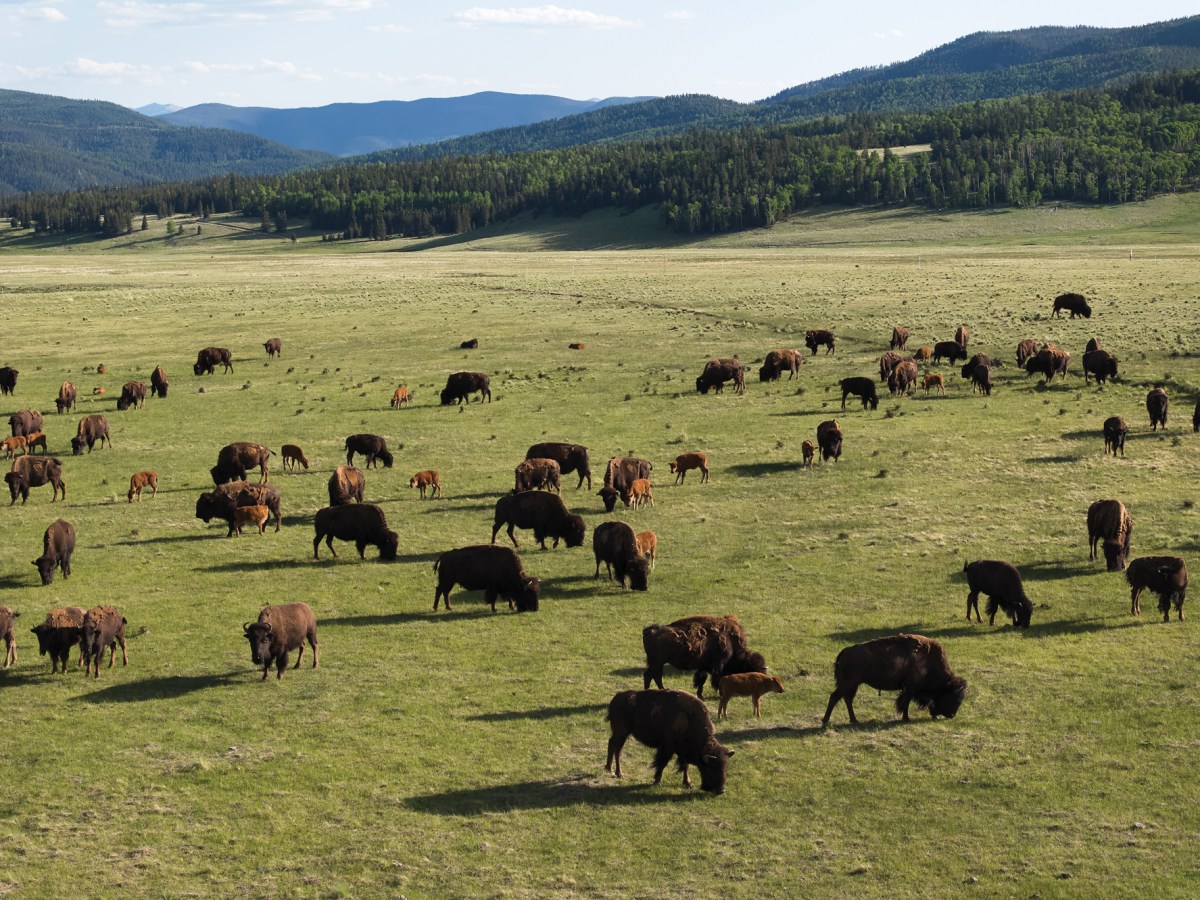
Turner’s most famous conservation story involves an animal that once defined the American West: the American bison. Before European settlement, an estimated 30 to 60 million bison roamed the Great Plains. Their migration shaped the ecology of an entire continent. By the late 1800s, industrial hunting and westward expansion had reduced that number to fewer than 1,000 animals. The species came within inches of extinction. As a boy Turner read about the plight of the bison in National Geographic and told his father he wanted to save them. His father told him he’d need to make a lot of money to do that. It’s a story Turner kept in his mind as he built his empire. When Turner began acquiring properties in the 1980s, he started introducing bison herds back onto the land—not as spectacle, but as functioning components of a restored prairie ecosystem. Today his holdings collectively host one of the largest privately managed bison herds in the world, numbering in the tens of thousands. But buffalo, it turns out, were just the beginning.
Thomas J. Story
In recent years Turner’s conservation focus shifted to a far smaller creature. The Rio Grande cutthroat trout. Native to the cold mountain streams of New Mexico and southern Colorado, the fish once thrived across thousands of miles of waterways. Over time, habitat destruction, overfishing, and the introduction of non-native trout species pushed the cutthroat into retreat. Today it survives only in fragments of its historic range. At Vermejo, biologists are working to reverse that trend. Creeks are monitored. Water flows restored. Non-native species removed. Native trout reintroduced. The goal is not simply to protect a fish—but to restore the entire watershed ecosystem that sustains it. Standing beside that small creek, watching the trout vanish back into the current, it’s easy to forget how fragile the species has become. The fish swims away. But the story that keeps it alive is much larger. Yes, it’s about saving fish, but it’s also about saving us.

Thomas J. Story
Turner liked to compress big ideas into bumper stickers. In the early environmental era, the message was simple: “Save the Whales.” But as he spent decades on the land, restoring rivers, grasslands, and wildlife across his land, the slogan evolved. At one point he joked that the bumper sticker should really read “Save the Humans,” because the entire environmental movement ultimately comes down to our own survival. Today the trucks and vehicles that crisscross his properties carry the line that best sums up the philosophy behind Ted Turner Reserves: “Save Everything.” It’s both a joke and a worldview. Once you start thinking in ecosystems instead of individual species, there’s really no other logical goal.
Thomas J. Story
Today Vermejo is managed less like a traditional resort and more like a massive ecological restoration project. Teams of biologists track wildlife movement, monitor native vegetation recovery, and study predator-prey dynamics. In some valleys, the land looks as if the last century never happened.
Thomas J. Story
But none of it comes cheap. And this is where Turner’s model diverges sharply from traditional conservation. The land must pay for its own protection. At Vermejo, that means carefully managed revenue streams—luxury lodging, guided outdoor experiences, wildlife tourism, and regulated hunting. The idea is not to eliminate extraction but to manage it thoughtfully. A certain number of elk are harvested each year. Bison are culled to maintain healthy herd sizes. Meat is sold.

Thomas J. Story
Late one afternoon I hike toward a small gazebo perched on a hilltop. From here the land stretches outward in every direction: golden grasslands, dark forests, distant mountain ridges layered into the horizon. The sound? Wind rustling through leaves. My heartbeat. Nothing else. Back at the lodge a naturalist describes one of the most remarkable features of the property. The K-Pg boundary layer—a thin geological seam marking the asteroid impact that wiped out the dinosaurs 66 million years ago—runs through Vermejo. It’s a reminder that this landscape contains not just centuries of human history but millions of years of planetary history. The same land where bison graze today once hosted Tyrannosaurus rex. Standing in the quiet, the time scales begin to blur.

Thomas J. Story
Today the empire Ted Turner built—from media networks to vast land holdings—is gradually transitioning into foundations and nonprofit structures designed to outlast him. The properties are increasingly managed under the umbrella of the Turner Institute of Ecoagriculture, which studies sustainable land practices across the portfolio. The hope is that these lands will remain protected. That the model—conservation funded by thoughtful business—might inspire others to follow. It’s an ambitious vision. Perhaps an impossible one. But then again, so was saving the buffalo.
Thomas J. Story
One afternoon we wander farther than planned. The trail dissolves into grass. The hills roll outward endlessly. For a moment it’s easy to imagine what this place looked like two hundred years ago—before railroads, highways, and barbed wire cut the West into pieces. Eventually we find our way back. But something about the experience lingers. In an age where almost every landscape is mapped, monetized, and measured, Vermejo offers a rare glimpse of something else: space. Not just physical space, but the possibility of thinking about land differently.
Thomas J. Story
McBride tells me a story that I now think of anytime I look out at a vast landscape untouched by the human hand. During a visit with Turner before his health took a steep decline, the mogul turned conservationist insisted on taking one last drive to Vision Quest, the highest point on his Flying D property in Montana. The request came after a difficult afternoon in which Turner, weakened by illness and traveling with nurses, struggled simply to stand. When a nurse suggested he skip the outing, Turner refused. “No,” he said. “I need to take Jade to Vision Quest.”
Thomas J. Story
Assisted by nurses and leaning on a trekking pole, Turner slowly made his way to the vehicle and endured the rough drive to the summit. When they arrived, Turner had one more request. “Jade,” he said, “let’s walk out to the edge.” Eventually the pair reached an overlook with sweeping views across the lands below. Looking out over the landscape he had spent decades protecting, he turned to McBride. “This is the most exciting spot on all my properties,” he said. McBride laughed, thinking Turner was joking. But when he looked down, Turner’s eyes were wet with tears. “Don’t you think people would like to see this place?” he asked. Then came the charge McBride says guides his work to this day: “We have to share this place with people because it will make better humans out of them.”
Thomas J. Story
Does Turner’s model actually work? Can capitalism—often blamed for environmental destruction—be repurposed as a tool for ecological restoration? Walking through the grasslands of Vermejo, watching elk move across valleys and trout slip through clear streams, it’s hard not to feel that something meaningful is happening here. An experiment. A dream. Maybe even a blueprint.
Thomas J. Story
A month after Turner died, three of the properties were put up for sale to create a fund that will provide the revenue needed to support the education-meets-hospitality mission of Vermejo and the other properties. It will fund the research and conservation efforts. It will continue to refine a model in which travelers can both be changed by nature and in turn rehabilitate the nature that nourishes us in profound ways. McBride once heard a guest say how it was so good to be at Vermejo and disconnect. McBride pointed out that connection with nature was actually what she was feeling. It’s a visceral and rare thing to be at a luxury resort and know that you’re doing something good for the planet and in turn for people. The West has always been a place where big ideas take shape on big landscapes. Ted Turner simply decided to try one of the biggest.