
The 20-Minute Evening Ritual That Can Save Your Garden
Beat summer heat with simple six-step gardening routine that helps Western gardens stay healthier, use less water, and thrive all season long.
George Pachantouris/Getty Images
If you’ve spent any time browsing WellnessTok lately, you’ve probably seen the rise of the “evening reset.” Instead of cramming one more task into the day, people are ending it with small, restorative rituals: dimming the lights, putting away their phones, taking a slow walk, practicing gratitude. Gardeners across the West are discovering a version of that same habit—only it happens outside.
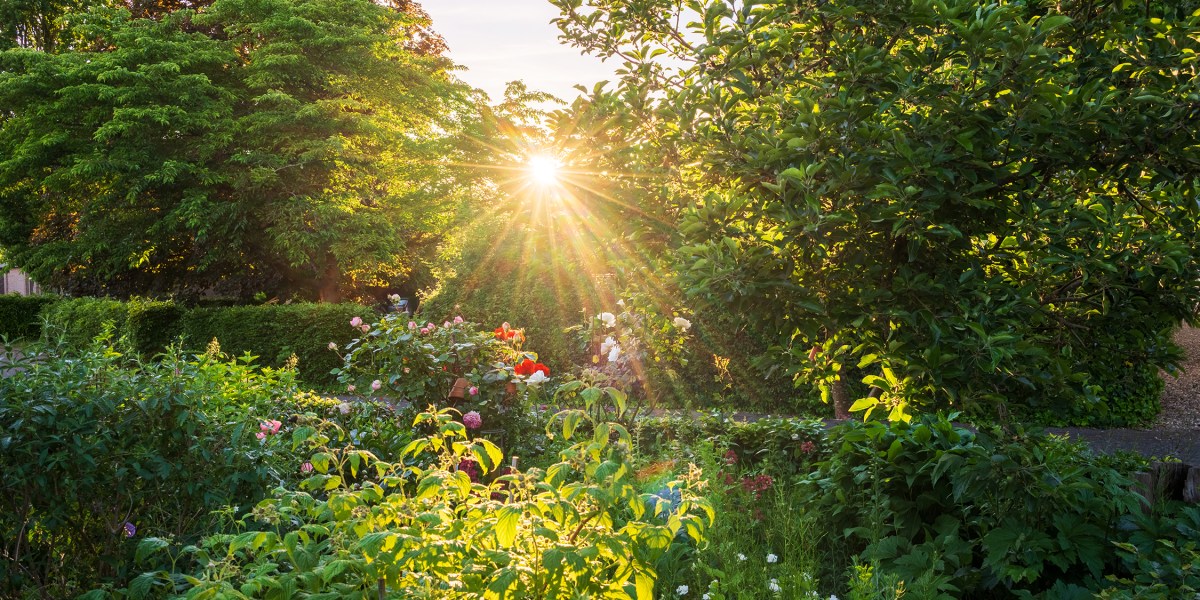
As hotter days, unpredictable heat waves, and water restrictions reshape the growing season, the most productive time to care for the garden isn’t noon. It’s the 20 minutes after dinner, when temperatures soften, pollinators begin to settle, and the landscape finally exhales.
Beyond healthier plants, there’s an unexpected bonus: Research continues to link time spent in nature with reduced stress, improved mood, and better sleep. That makes an evening garden walk one of the few routines that’s good for both your landscape and your nervous system.
Here’s how to make those 20 minutes count.
Westend61/Getty Images
1. Water Less Often—But More Intentionally
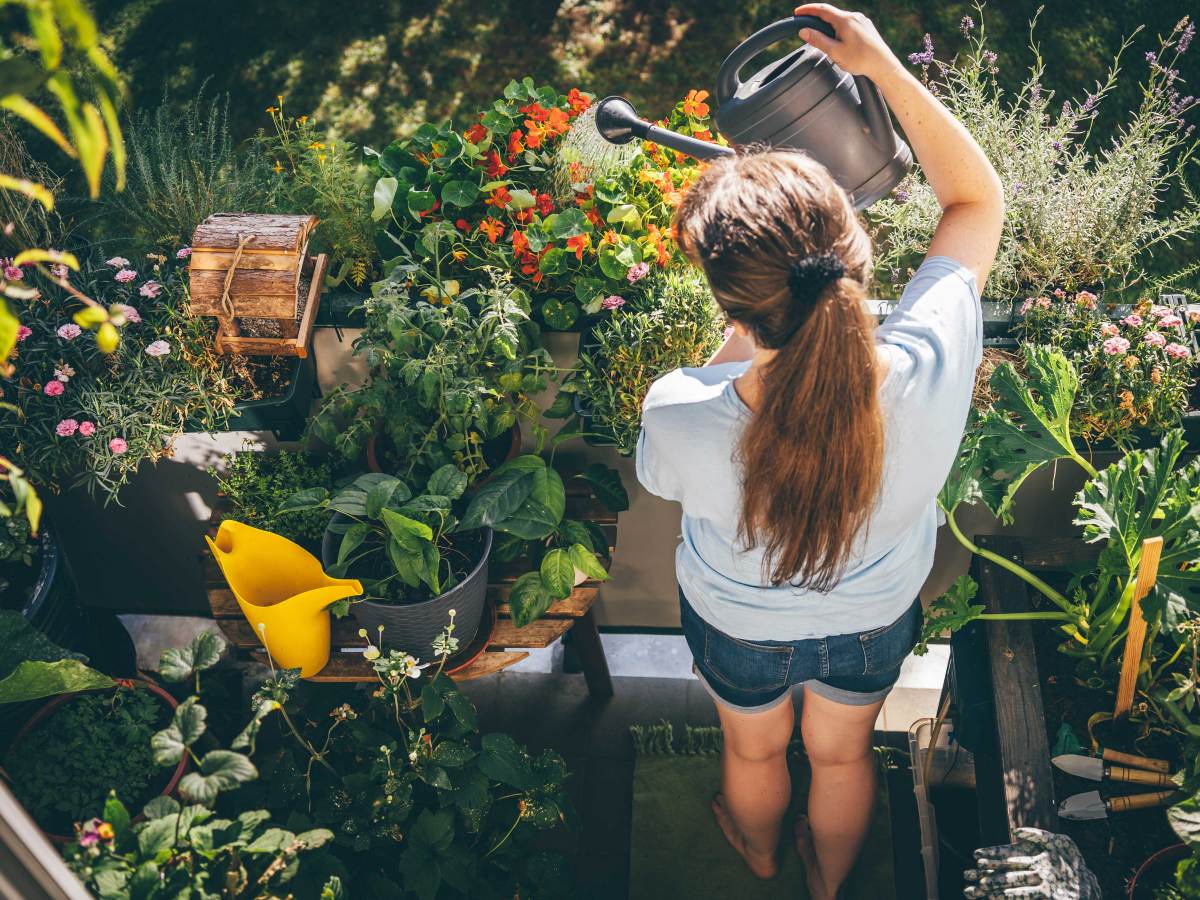
Evening is an ideal time to evaluate whether plants actually need water. Instead of automatically turning on irrigation, check the soil first. If it’s dry several inches below the surface, water deeply enough to encourage roots to grow downward rather than lingering near the surface.
This mindful approach aligns with one of today’s biggest wellness trends: doing less, but with greater intention. Your plants—and your water bill—will thank you.
2. Practice a Slow Garden Walk
The latest wellness buzzword is “soft living,” and gardens have been practicing it all along. Instead of arriving with pruners in hand, simply wander. Notice which leaves are curling. Which flowers opened today. Where birds are gathering. Which corner suddenly feels too dry.
Think of it as a walking meditation with practical benefits. Catching signs of heat stress, pests, or irrigation problems early often prevents much larger issues later in the season.

Thomas J. Story
3. Harvest During Nature’s Golden Hour
Leafy greens, herbs, edible flowers, and many vegetables hold onto moisture better after the heat of the day has passed. Evening harvesting often means crisper basil, more fragrant mint, and lettuce that’s less likely to wilt before dinner.
It’s also an easy way to build another wellness habit that’s trending: eating seasonally. Picking ingredients moments before they hit your plate is about as fresh as it gets.
4. Give Plants a Quick Health Check
Skip the marathon weekend gardening session. Instead, spend five minutes looking closely. Check the undersides of leaves for aphids or spider mites. Look for scorched foliage, broken stems, or branches weighed down by fruit. Remove anything diseased before it spreads.
Tiny daily check-ins almost always outperform monthly overhauls—a philosophy shared by both wellness experts and experienced gardeners.
Thomas J. Story
5. Create a Sunset Sensory Moment
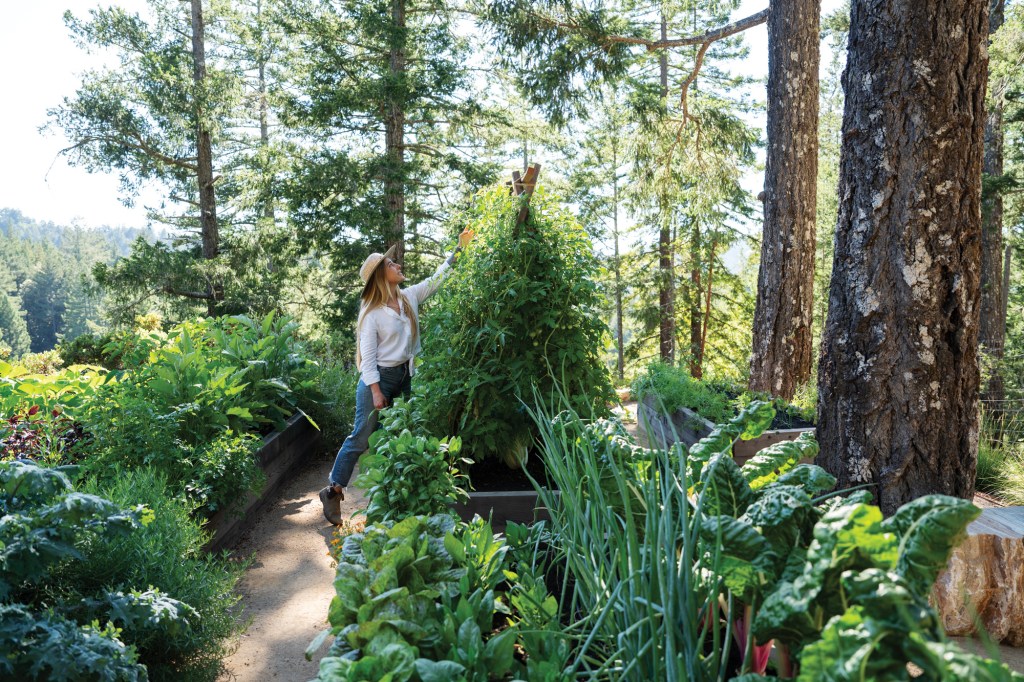
The hottest gardens often become their most beautiful in the evening. Night-blooming jasmine perfumes the air. White flowers seem to glow. Ornamental grasses catch the last light. Native evening pollinators begin their shift.
Instead of rushing back inside, linger for a few extra minutes. Bring a glass of iced tea onto the patio. Listen for owls. Watch hummingbirds make their final rounds. Consider it the outdoor version of replacing screen time with something more restorative.
6. End the Day with One Small Garden Task
One of the biggest productivity trends this year is the “tiny habit”—choosing one action so manageable you’re likely to repeat it tomorrow. The same principle works beautifully in the garden.
Rather than tackling an overwhelming weekend to-do list, choose one small task each evening:
- Deadhead a few flowers.
- Tie up one tomato vine.
- Pull a handful of weeds.
- Refill a bird bath.
- Sweep the patio.
Those small moments compound into a healthier garden with far less effort.
Thomas J. Story
Why This Routine Works So Well
Whether you’re growing in Arizona’s desert heat, California’s Mediterranean climate, Oregon’s increasingly dry summers, or the Intermountain West’s wide temperature swings, midday has become a challenging time for both plants and gardeners.
Evening offers something increasingly rare: cooler temperatures, calmer winds, and enough breathing room to notice what your landscape actually needs. In many ways, that’s the real lesson behind today’s wellness movement. The goal isn’t adding another complicated routine to your schedule. It’s creating a daily pause.
Turns out, your garden has been inviting you into one all along.