The World Cup, Minus the Logistical Misery
A smoother arrival, better seats, real food, and a civilized pregame made SoFi feel like the easiest way into soccer’s biggest moment.
Scott Strazzante/Getty Images
I am a midlife sports fan, which means two things are increasingly true at the same time.
One: I love the idea of connecting to the big stuff. The World Cup. The Olympics. The hometown Super Bowl. The once-in-a-generation events that make a city feel, for a few hours, like the center of the universe. I want the roar, the crowd, the flags, the collective gasp, the story I will still be telling 10 years from now. Two: I have less and less patience for logistical misery.
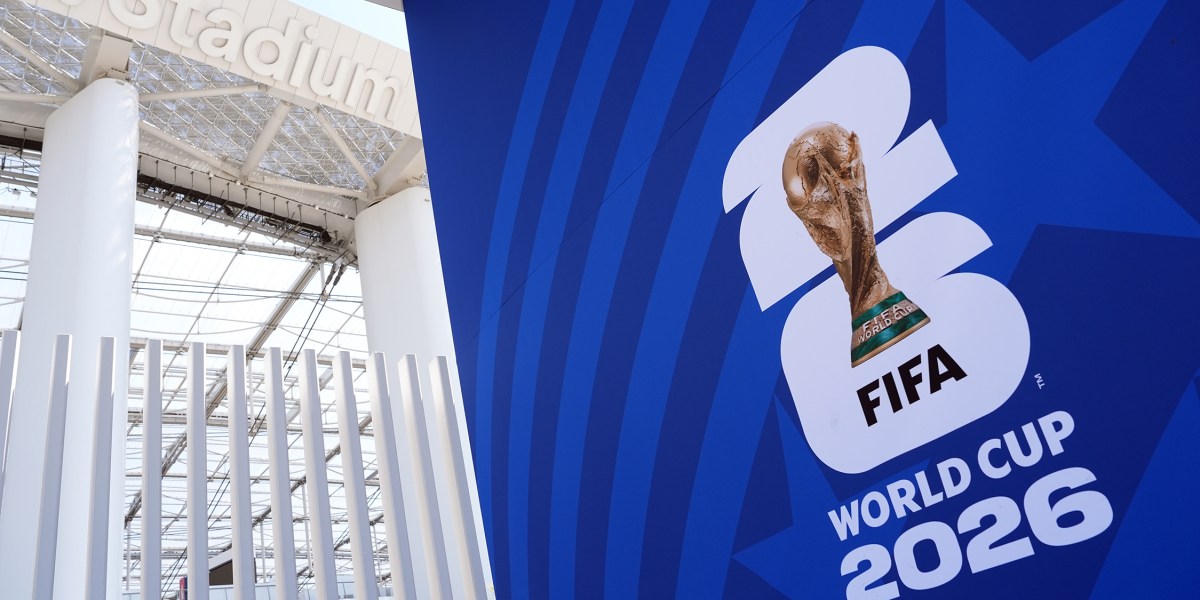
I do not romanticize fighting traffic, circling for parking, standing in a security line for an hour, missing the beginning of the event because I misjudged the entrance, or paying too much for bad food while balancing a drink, a phone, and a rising sense of regret. I am cheap about plenty of things that do not matter. But the older I get, the more I believe in being generous about experiences that do. That was my mindset when the World Cup came to my hometown and I headed to SoFi Stadium (rebranded for the tournament as Los Angeles Stadium) for USA vs. Türkiye.
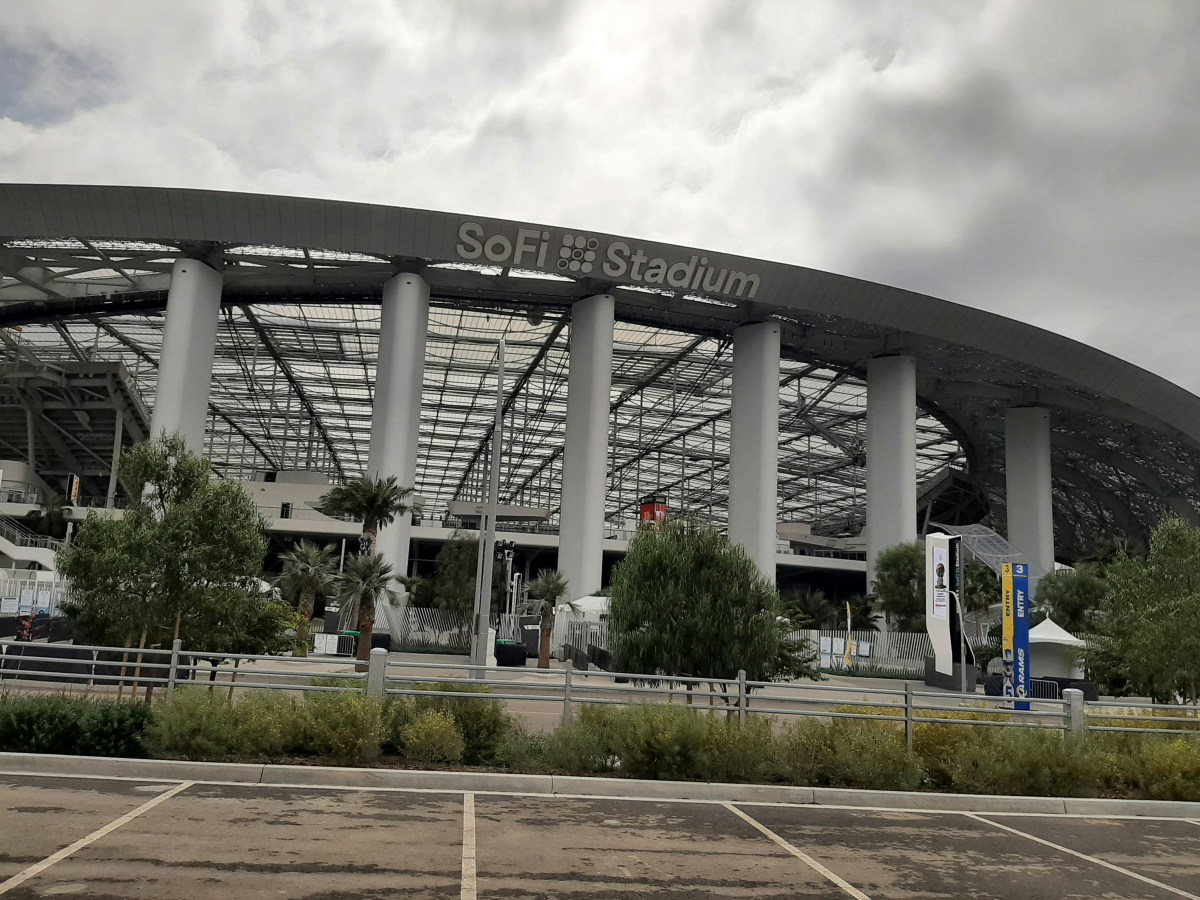
Photo by London Bridges on Unsplash
To be clear: I am not, by nature, a big soccer guy. I respect the game. I understand, in theory, why the rest of the world loses its collective mind over it. I have friends who talk about clubs, formations, fixtures, and stoppage time with the fluency I reserve for old Sunset covers, Santa Maria tri-tip, and the correct way to spend a long weekend in the West. But I have never been the person clearing my calendar around a match. And then I walked into SoFi for the World Cup, and the whole thing clicked.
The experience began, as all major stadium experiences in Los Angeles begin, with transportation anxiety. Reddit, friends, and every reliable source I consulted told me the same thing: Get there early. So I Ubered to Inglewood with a healthy respect for the scale of what I was walking into. For a moment, as we approached the stadium and I saw the crowds thickening, I wondered whether I had underplayed the logistics. Part of me wished I had driven and used the VIP parking. Then, when I saw how close that access point was, I really wished I had done it. There is nothing like staring at an easier version of your life from a line to make you rethink your commitment to rideshare minimalism.
Still, once we reached the VIP gate area, things moved quickly. The stadium lines looked intimidating from a distance, but this one had momentum. From getting in line to clearing security took maybe 20 minutes total. From there, it was another five minutes to the hospitality entrance. In the universe of mega-event logistics, that qualifies as a small miracle.
Courtesy of On Location
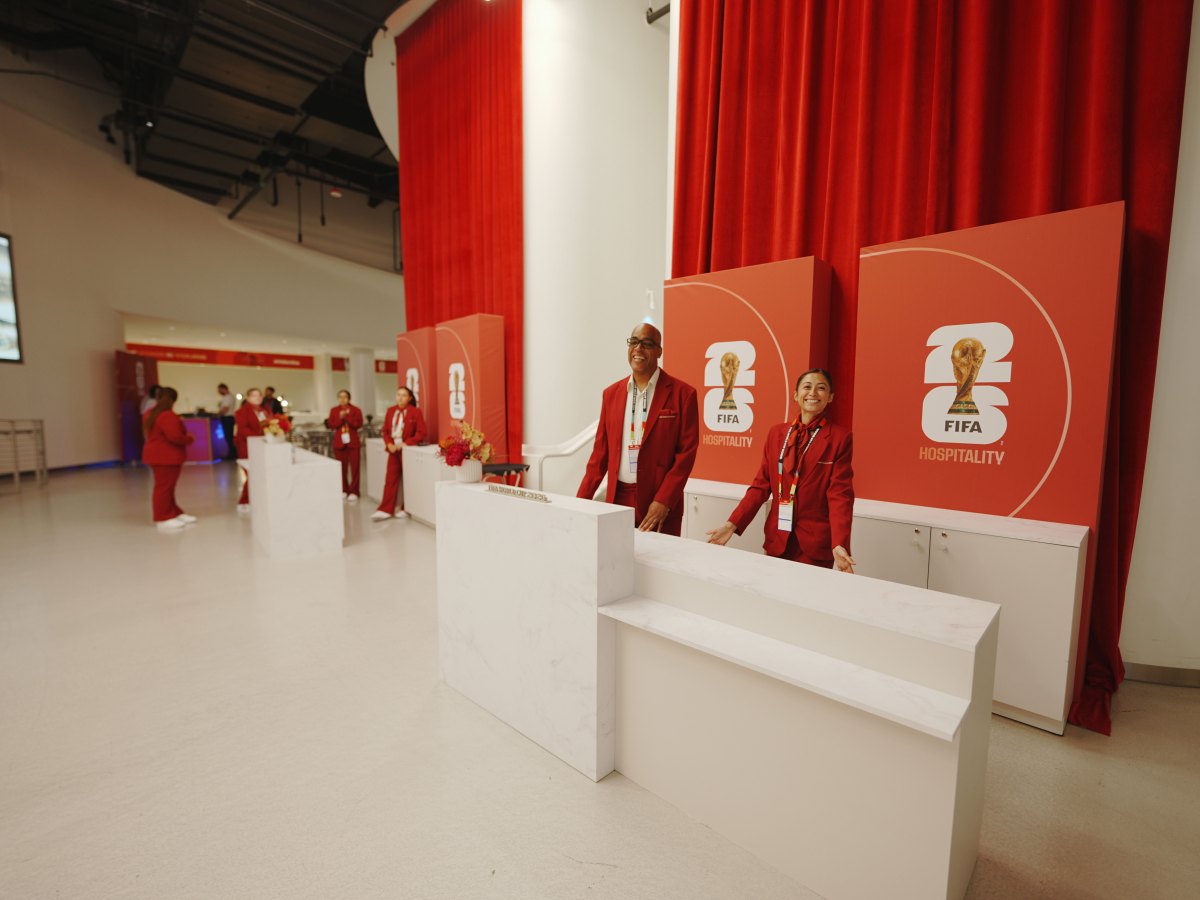
Then came the first real sign that this was not going to be a normal stadium night: Hosts in maroon suits directing us toward the lounge. Suddenly the emotional temperature shifted. Outside was the crush and electricity of a World Cup crowd. Inside was space. Expansive, blessed, civilized space. Four-tops. Plenty of tables. A wraparound bar. Room to breathe. Room to wander. Room to arrive.
That last part matters. One of the underrated luxuries of doing a major event this way is that it gives you time to become present. You are not simply surviving the pregame. You are entering the event with a drink in your hand and the sense that the night has already started working in your favor. Taittinger on arrival is a wonderful thing. It says: Congratulations, you made a good life choice. From there, the bar stayed serious: Domaine Ott rosé, Tanqueray No. Ten, enough bartenders that a proper drink was never far away. At a stadium, a drink is often a mission. Here, it was part of the rhythm of the night.
At 5 p.m., two hours before kickoff, the buffets opened, and the variety was almost comically generous. Sushi. Lamb with herb sauce. Roasted potatoes. Braised beef. Southeast Asian chicken and rice. Potato chips and dip. It was elevated enough to feel special, abundant enough to feel festive, and varied enough to make the room feel like a celebration rather than a holding pen.
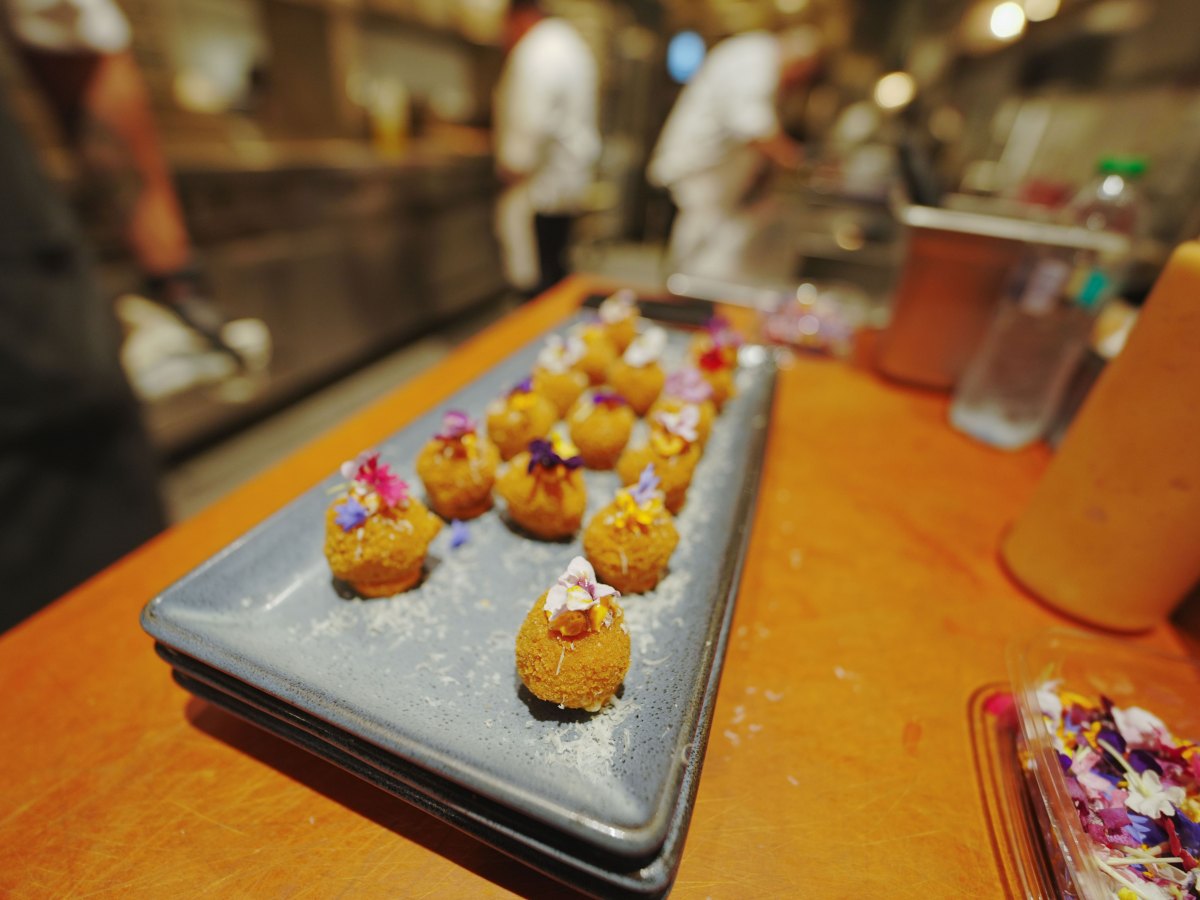
Courtesy of On Location
And that, really, was the larger point. The best version of a premium experience does not remove you from the event. It gives you a smoother runway into it. The food, the bar, the space, the easier entry, the sense of being hosted—none of it replaced the World Cup. It just got the friction out of the way so the World Cup could do what it does. Which is overwhelm you.
An usher showed me to my seat, and I did what every allegedly composed adult does when confronted with an epic view inside one of the most spectacular stadiums in the world: I took too many videos and selfies. But I could not help myself. The space was enormous, but from that seat it felt intimate. I was 12 rows from the closest seat to the field, close enough for the game to feel less like something being staged for television and more like something happening right in front of me. You could see the players’ movement, the speed, the angles, the physicality. You could feel the crowd tightening around each possession.
And then, 2 minutes and 15 seconds into the match, the U.S. scored. This is when I became, at least temporarily, a soccer person. I was high-fiving strangers. I was yelling. I was fully inside the thing I had previously only admired from a respectful distance. There is a particular alchemy that happens when a massive crowd is given an immediate reason to explode. It bypasses analysis. It bypasses self-consciousness. It turns everyone around you into a co-conspirator in joy. That was the peak soccer experience, and it happened almost before I had settled into my seat.
The rest of the match unfolded with all the things soccer people are always trying to explain to non-soccer people: the tension, the near misses, the way a crowd can rise before you understand why, the way a chant can become architecture, the way a stranger beside you becomes briefly important because you are both reacting to the same patch of grass. There will be many ways to experience the World Cup in L.A. You can watch in a packed bar in Koreatown, at a backyard party in the Valley, at a restaurant where half the room is yelling in one language and the other half is answering in another. That is one of the gifts of having the world come to Los Angeles: We already contain so much of it. But being inside SoFi for a match like this felt like the fullest version of the experience. It was sports as travel without leaving town. It was civic theater with better sightlines.
It also felt like a preview. The World Cup is not an isolated event. It is the beginning of a run of global sports moments that will put Southern California at the center of the world: World Cup now, Olympics and Paralympics in 2028, and whatever comes after that as stadiums and arenas become more ambitious about what live sports can be.
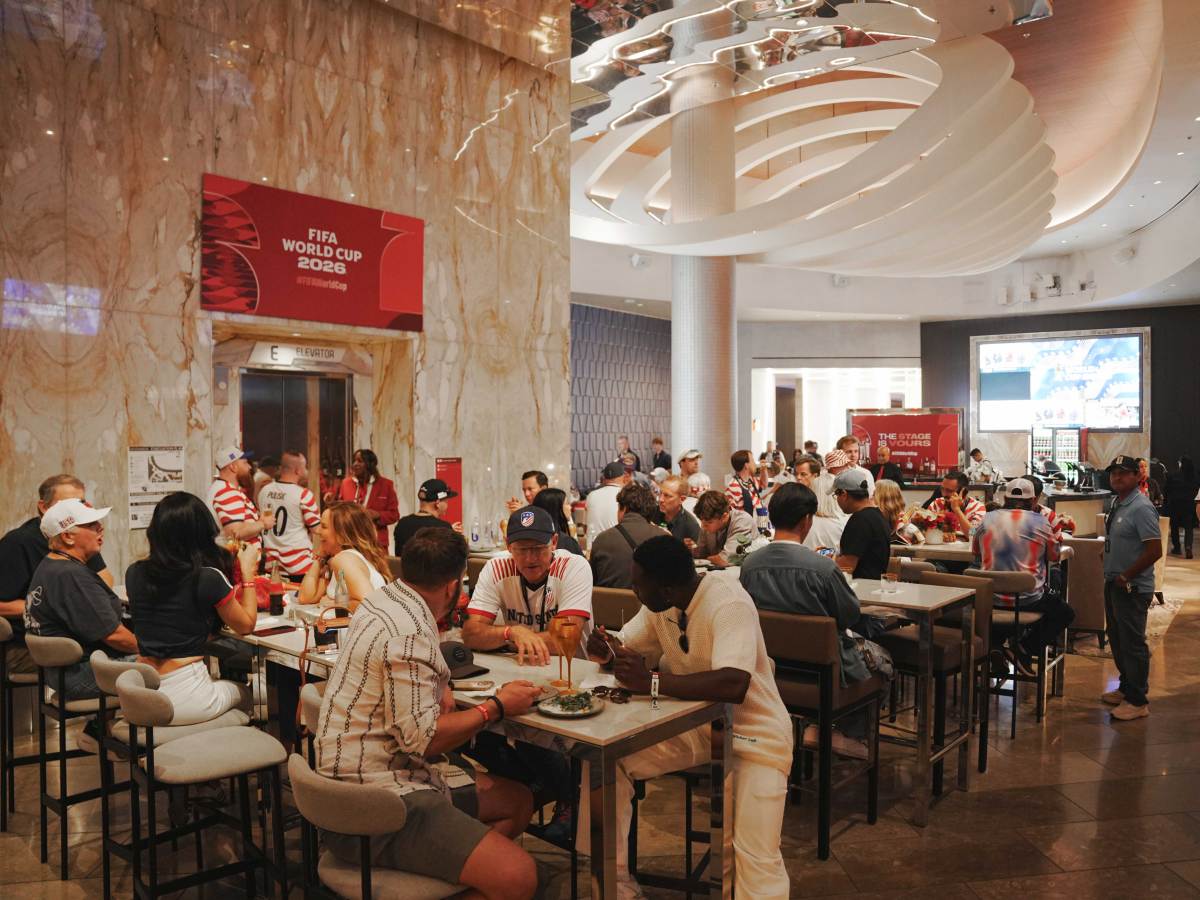
Courtesy of On Location
For me, the lesson was simple. Some experiences are worth making easier. Not because comfort is the whole point. It is not. The point is the roar. The goal. The stranger high-five. The feeling of walking into a stadium and realizing that, for one night, the world has come to your hometown. But ease creates the conditions for wonder. It removes the little frictions that keep you from fully giving yourself over to the thing you came to feel. I went in as someone who liked the idea of the World Cup more than I understood the obsession. I left with the bug. It was bucket list. And for once, the logistics did not get in the way of the memory.
To plan your own version, start with FIFA Hospitality, the official World Cup hospitality program run by On Location. The options range from single-match packages to bigger itineraries built around a team, a venue, or multiple matches, with perks such as premium seats, lounge access, food and drink, and, at the highest levels, on-field access and other once-in-a-lifetime extras. Packages start at $600, which is not nothing, but for a World Cup match—especially when resale tickets can be pricey and uncertain—it may be the most direct way to turn the game into a full, low-friction experience. On Location is also handling hospitality for LA28, making it a useful place to watch as Los Angeles heads into its next huge global sports moment.