The Genius Ways Interior Designers Combat Trend Fatigue
How to hold your own in the ever-changing cultural rhythm.
Anthony Garces
We know Ferris Bueller told us that life moves pretty fast, but design trends? They move at lightning speed. Truth is, fads can come and go faster than you can color-drench a room, which can be both a blessing and a curse. Though an onslaught of options makes it possible for everyone to find a unique way to keep their home “current,” it’s all too easy to be inundated with ideas. And let’s be honest: Keeping your home current can cause some serious burnout and may even make you lose sight of who you are as a designer.
But does it have to be that way? Not necessarily, according to decorators. As professional interior designers, they’ve endured virtually every trend you can think of. (Dopamine décor? Wooden kitchens? Moody paint colors? Been there, done that.) Through it all, these experts have managed to resist curb fatigue and keep their personal styles intact.
To help, we asked the pros about how they navigate the ever-changing cycle. From timeless touches to emotional appeal, their insights are timeless.
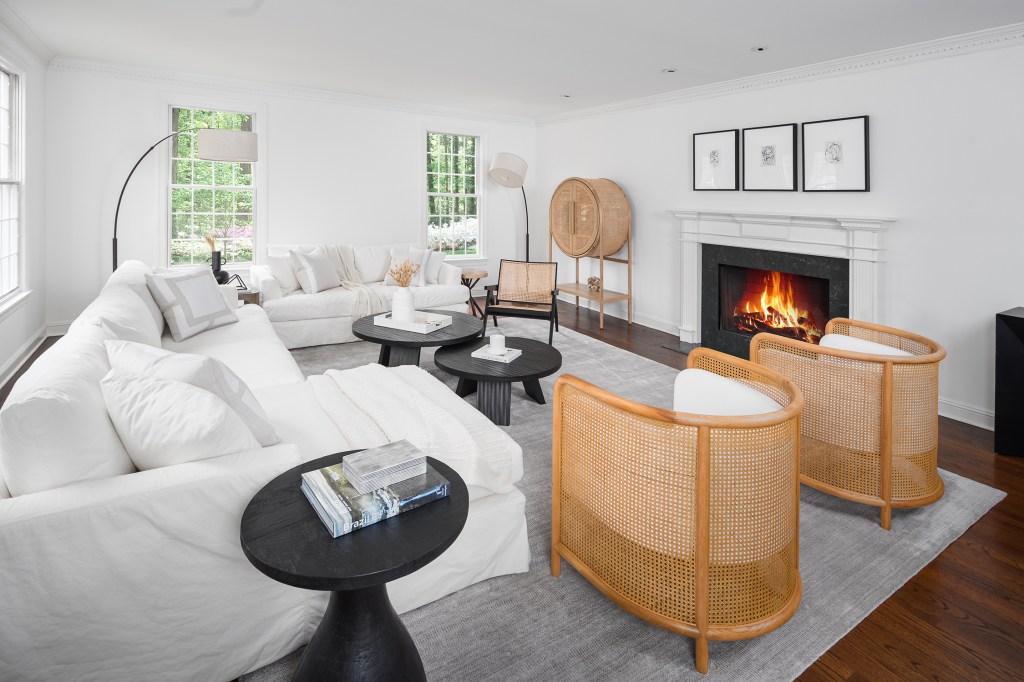
Design by Manuella Moreira; Photo by Anthony Garces
More Than a Feeling
For Manuella Moreira, an interior designer in Los Angeles, spaces should always be designed to evoke a feeling. “People can easily connect to a feeling, and that becomes a much stronger foundation than chasing a trend,” she explains. “While aesthetics are still incredibly important, they should support that feeling, not lead it.” That said, the influx of trend reports and AI prompts can make design feel so… well, impersonal.
Instead, Moreira likes to anchor projects in her clients’ personal memories. “These experiences carry an emotional imprint, and when we translate that into design, the result feels specific, grounded, and reflective of who they are,” she says. “Whether it is a hotel they loved, a restaurant they return to, a spa that made them feel at ease, or even a moment in nature.” After all, a room that evokes your happy place will never go out of style.
Forgo Fast Decor
“Trends are short-lived and money making for big box stores,” says Deepali Kalia, interior desigenr and creative director of Filling Spaces in Portland, Oregon. If you want to create a home that truly feels timeless, here’s your cue to skip the mainstream shops.
“At the heart of it all, it’s about imagination and aesthetic,” Kalia notes. “Creating spaces that feel timeless, not momentary.” For more pointers, be sure to check out our guide to antiquing.
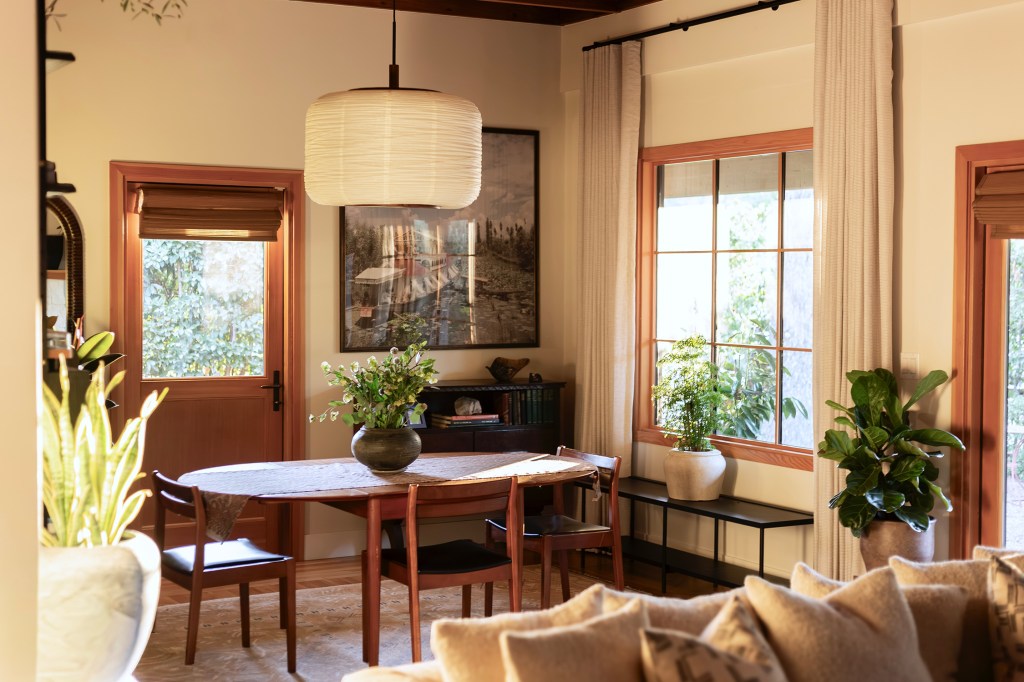
Design by Page Finlay; Photo by Miriam Carbó
Invest in the Basics
Just because trends are fleeting doesn’t exactly mean they don’t belong in your home. Page Finlay, for example, believes the secret lies in the balance. “Trends and seasonality can live in the pillows, the accessories, the smaller moments,” says the Napa Valley-based designer. Meanwhile, more time and money should be spent on larger, more permanent fixtures like flooring, cabinetry, and larger pieces of furniture.
Still feeling torn between five different aesthetics? Finaly says you can never go wrong with the classics. “When a room is grounded in natural materials, lighting that supports our daily rhythms, and honest proportion, you can refresh freely without ever renovating your way out of something you regret,” she says.
Bring Nuance to Neutrals
Speaking of neutrals? Nureed Saeed loves colors, but she agrees they can be cursory. “I also recognize that neutrals add grounding and calm to a space, which is a world of chaos is definitely needed these days,” says the California designer. As a compromise, a little bit of depth can go a long, long way.
“While I would like to see us all add some color to our lives, perhaps another way to refresh a monotone palette could be to think about layering multiple patterns in neutrals to add dimension and interest,” Saeed recommends. The result: A space that’s classic, yet current.
Look Through a Lens
With so many fabric swatches, paint shades, and silhouettes to choose from, sticking with a distinct design point of view can be easier said than done. To help streamline sourcing, Courtney B. Smith creates a “style lens” for her clients. “This unique recipe of client loves, studio style, and setting serves as a focused screen for all design decisions,” says Smith, who is based in California’s Marin County. “Fully embracing timeless choices and quieting the noise around ‘what’s hot’ is easier when working from a visual inspiration guide.”
This practice, Smith says, offers a gut-check when choosing the best vendors for a project. She adds: “If something doesn’t look right through this filter, it’s an immediate ‘no, thank you!’”