You Didn’t Miss Wildflower Season—You Just Need to Head for Higher Ground
The superbloom in Southern California might be long gone, but it’s not too late to see wildflowers at altitude.
Tom Kingsford
If the desert superbloom felt like it came and went in a blink, here’s the good news: wildflower season in the West is far from over. As temperatures climb, and the snow starts to melt at higher elevations, a second flush of flowers moves uphill. The late spring and early summer unlock a second wave of color across alpine meadows and high mountain basins, often peaking weeks (or even months) after lower elevations fade. Even better, these high-elevation displays tend to be lusher, longer-lasting, and blissfully less crowded than the influencer-hyped fields in Southern California.
Consider this your cue to skip the traffic jams and head for the mountains. From the Sierra to the Tetons to Utah’s Wasatch Range, these high-altitude meadows are just getting started. As always, it’s important to remember to simply look and not touch, and never pick the blooms for personal use, ensuring these magnificent natural wonders can remain for years to come.
Getty Images
Albion Basin, Utah
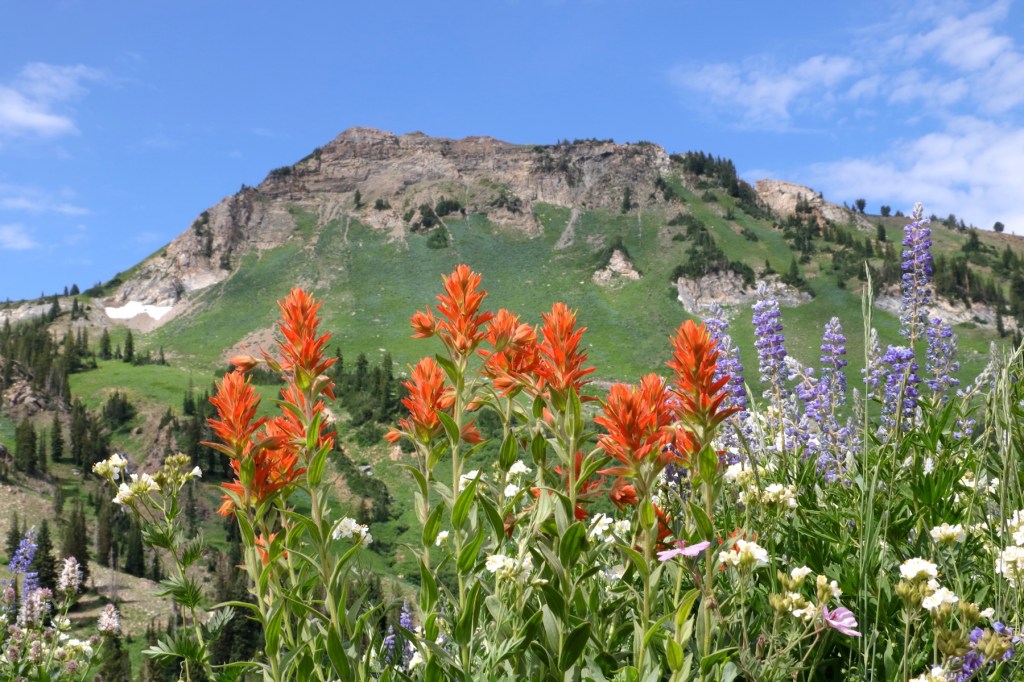
Just above Alta, this high-elevation basin erupts in color from mid-July into August. Though this year hasn’t been particularly great for snowpack (and therefore water), there have been several late-spring storms that have rolled through recently, making for a potentially more lush season ahead. Pro tip: the Cecret Lake trail offers one of the most accessible alpine wildflower experiences in the area, and is well worth the short hike for peak viewing.
Carson Pass & Hope Valley, California
An under-the-radar Sierra gem along Highway 88, where early-to-mid summer brings sweeping displays of mule’s ears, lupine, and alpine asters, often without the Yosemite-level congestion. Hike the easy trail to Winnemucca Lake for some of the region’s most vibrant wildflower displays including mule’s ears, lupine, and alpine asters with Round Top Peak rising dramatically in the background.
Mammoth Lakes Basin, California
A choose-your-own-adventure zone where lingering snowpack stretches bloom season into August. Trails around Lake Mary and Duck Pass deliver peak color with fewer crowds than Yosemite. Since Mammoth is at higher elevation, wildflower season really shows off after the resorts have been long-closed, think late-July and August.
Getty Images
Tuolumne Meadows, California
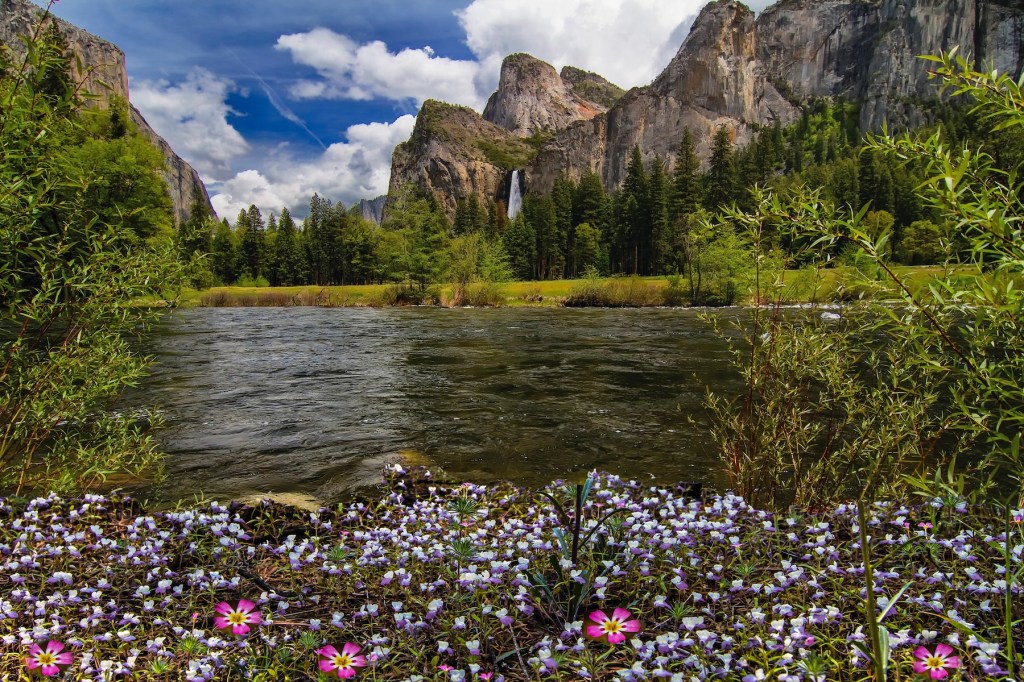
There’s a reason John Muir named these meadows as some of his favorites within the park. At 8,600 feet, this is one of the Sierra’s most iconic alpine landscapes. Come late June through July, the Tuolumne River in Yosemite National Park winds through fields of lupine, paintbrush, and shooting stars, all framed by granite domes. A fun way to see it all that’s an oft-forgotten perspective is by floating down the river.
Paintbrush Canyon & Cascade Canyon, Wyoming
By July, these neighboring canyons within Grand Teton National Park live up to their name, with dense patches of Indian paintbrush, lupine, and balsam root set against the Tetons’ jagged skyline. Granted crowds are in full effect in the National Parks during this time, so consider state parks as well. Horseback is a wonderful way to see it all too, though traditional hikes are excellent as well.
Paradise Meadows, Washington
Peak bloom hits mid-July to early August, when the slopes below Rainier transform into one of the most vibrant wildflower displays in North America. Expect painterly meadows of lupine, paintbrush, avalanche lilies, and beargrass, especially around Paradise and Sunrise, where well-maintained trails with are not only adorned with flowers, but glacier-capped views too.
Crested Butte, Colorado
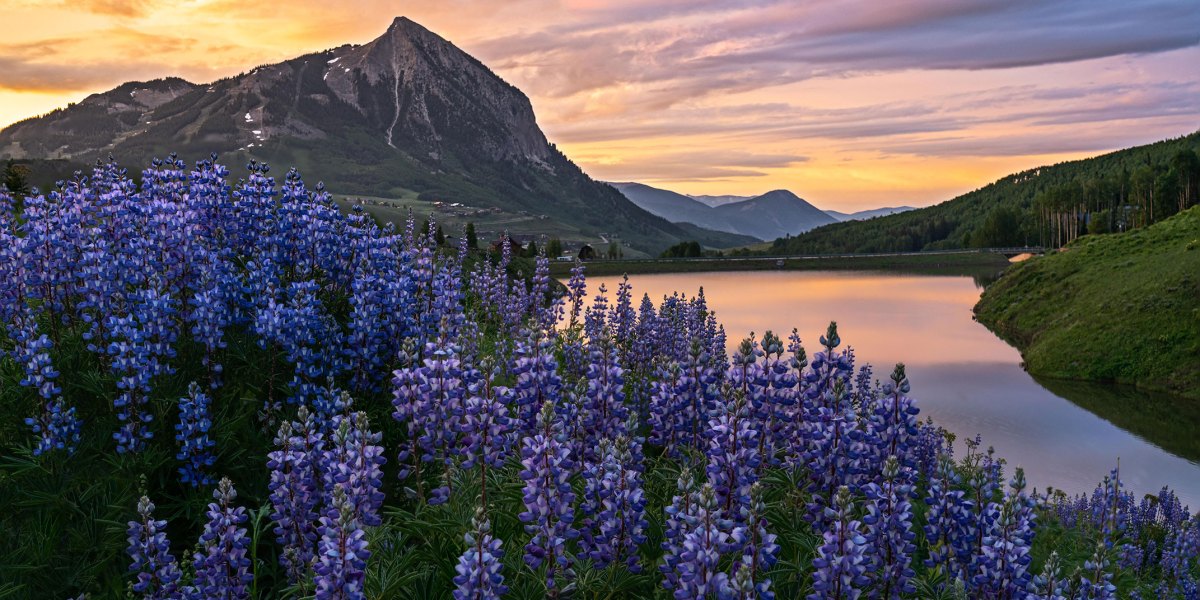
Come July, the surrounding valleys and alpine trails explode with columbine, lupine, and sunflowers, earning this former mining town its title as the Wildflower Capital of Colorado. Time your visit with the annual Crested Butte Wildflower Festival for guided hikes, photography workshops, and peak-bloom intel from local experts.