The Ultimate Guide to Mushroom Growing
How to grow fabulous fungi indoors and out before spring starts heating up.
Courtesy of North Spore
Early March in the West has its own rhythm. Citrus still glows against glossy leaves, hellebores nod in the rain, and seed trays line the windowsill waiting for their moment. It’s a threshold season—too early for tomatoes, too late to call it winter. And it just so happens to be an ideal time to grow mushrooms.
Unlike sun-hungry summer crops, many culinary fungi thrive in the cool, damp, softly lit conditions that define late winter across much of the Western U.S. They don’t compete for precious bed space, they’re surprisingly water-wise, and they turn overlooked corners—mulch paths, shaded edges, even garages—into productive growing zones.
To help us navigate the options, we tapped Matt McInnis, co-founder and creative director of North Spore, a Portland, Maine–based company that produces, sells, and educates about mushroom cultivation. From indoor oyster mushrooms to log inoculation and outdoor beds, McInnis has spent years translating fungi into garden language. Below, he shares practical advice—and a little perspective shift—on how to grow fabulous fungi before spring fully unfurls.
Why Late Winter Is Still Prime Time for Growing Mushrooms
Courtesy of North Spore
Across much of California, the Pacific Northwest, and parts of the Southwest, March brings cool rains and mild days. Mushrooms thrive in these conditions, especially before dry heat arrives.
Late winter also offers breathing room. As McInnis puts it, “You’re not juggling the full chaos of spring planting or summer maintenance, so you can actually take the time to learn something new and build confidence with fungi before the main garden season ramps up.”
Pro tip: Install outdoor systems now so mycelium can establish before temperatures spike. Think of it as root growth season—just underground and out of sight.
How to Grow Mushrooms Indoors Before Spring Heats Up
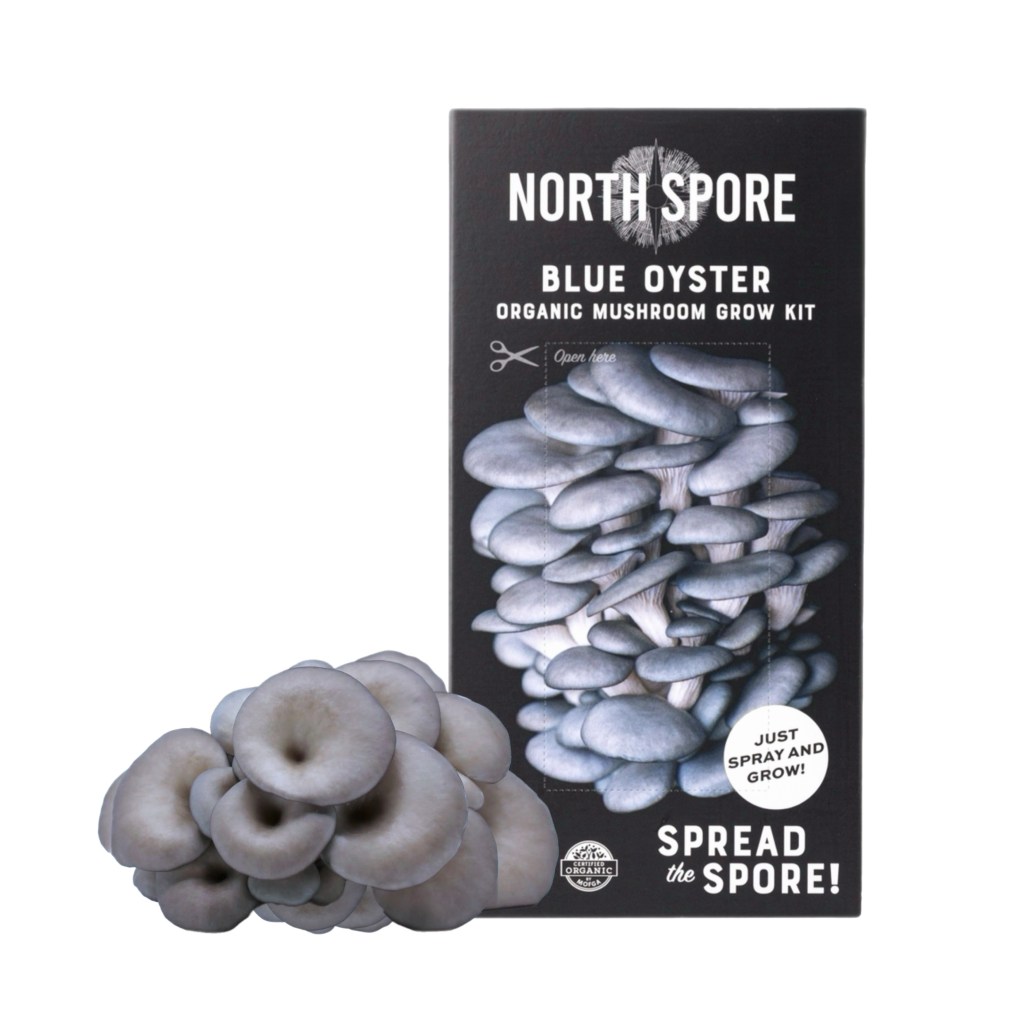
If you want a fast, satisfying win, start inside with oyster mushrooms.
“If I had to point to the highest-success method for beginners, I’d still say indoor oyster mushrooms are one of the best places to start, mostly because they give people a fast win,” McInnis says. “They’re reliable, fast, and visually responsive.”
Oysters colonize quickly and tolerate a range of indoor temperatures, making them ideal for late winter when heating systems are still running and windows crack open intermittently.
What matters most indoors:
- Humidity: Keep air moist but not dripping wet. A light misting routine often helps.
- Airflow: Fresh air prevents long stems and tiny caps.
- Moderate light: They don’t need grow lights—ambient daylight is enough.
“In my experience, a ‘pretty good’ setup with steady moisture and decent airflow outperforms a ‘perfect’ setup that gets overmanaged,” McInnis notes.
And if you’re intimidated, you’re not alone. “One of the biggest misconceptions I see from first-time growers is that mushroom growing is either extremely technical or incredibly fragile,” he says. “Once people realize they don’t have to become a mycology expert on day one, the whole thing opens up. It’s truly a beginner-friendly activity.”
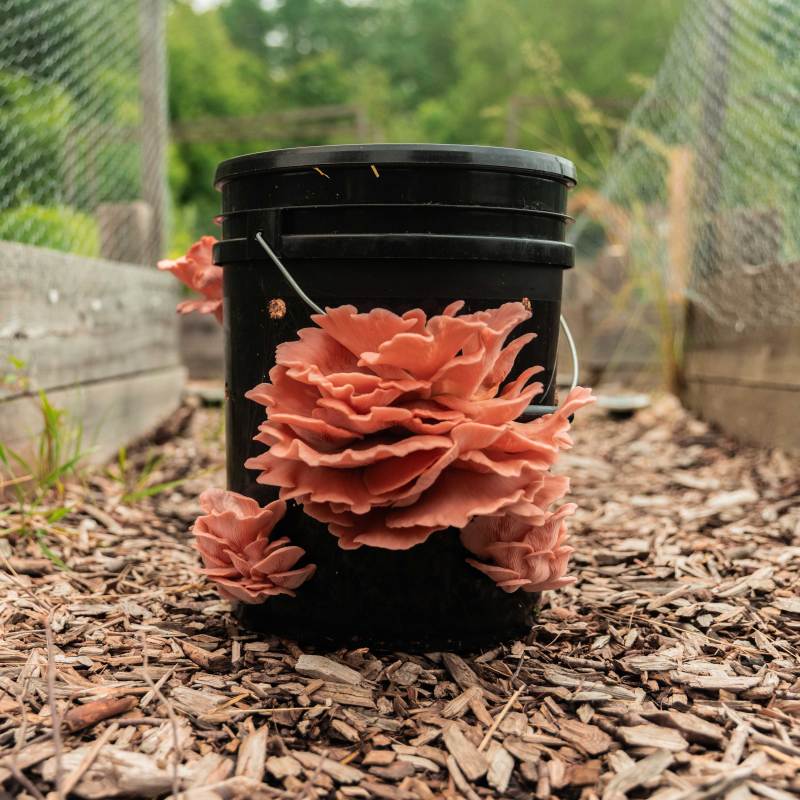
Mushroom Growing Buckets: The Ideal Small-Space Winter Project
Courtesy of North Spore
Buckets are the sweet spot between countertop kits and full outdoor beds. They’re compact, affordable, and surprisingly productive.
“Mushroom buckets are such a good winter option because they’re accessible in all the ways that matter,” McInnis says. “They’re affordable, compact, and productive, and they fit naturally into urban and suburban life.”
Tuck them into a garage, basement, or sheltered porch. As late-winter winds pick up, protection becomes key.
“A lot of bucket failures are not dramatic; they are slow, subtle moisture failures where mushrooms dry out just as they start to form,” McInnis explains.
Success tip:
- Keep buckets out of direct wind.
- Monitor moisture consistently, especially as days grow longer.
- Avoid moving them constantly—stability helps.
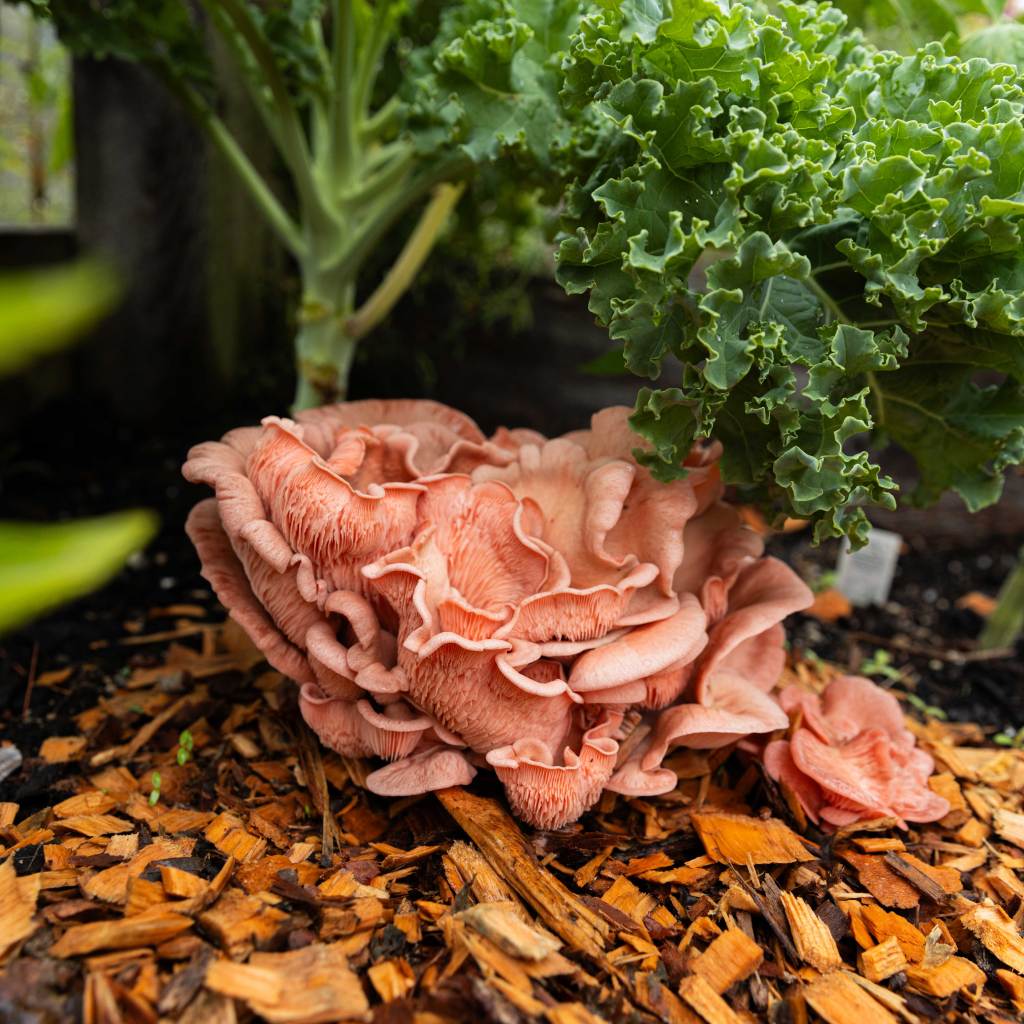
How to Grow Mushrooms in Raised Garden Beds
Courtesy of North Spore
Yes, mushrooms can live in your existing garden—and no, they won’t compete with your kale.
“Mushrooms fit beautifully into raised-bed and traditional garden systems because they don’t have to compete with winter vegetables the way another plant crop might,” McInnis says.
Most outdoor culinary mushrooms are decomposers, meaning they thrive in:
- Wood chips
- Mulched pathways
- Shaded bed edges
- Understory garden zones
Think of it as filling ecological gaps rather than fighting for root space. Timing, however, matters. “‘Winter’ isn’t one uniform condition,” McInnis says. “I encourage people to think in terms of weather windows and microclimates rather than broad seasonal labels.”
Late-winter strategy: Install beds during a cool, moist stretch—not right before a drying wind event or heavy freeze. For ease, use ready-to-go mushroom garden packs to see results quickly.
For gardeners who want a more defined system, North Spore’s recently debuted MycoSphere outdoor bed was designed to reduce guesswork and help stabilize moisture and setup.
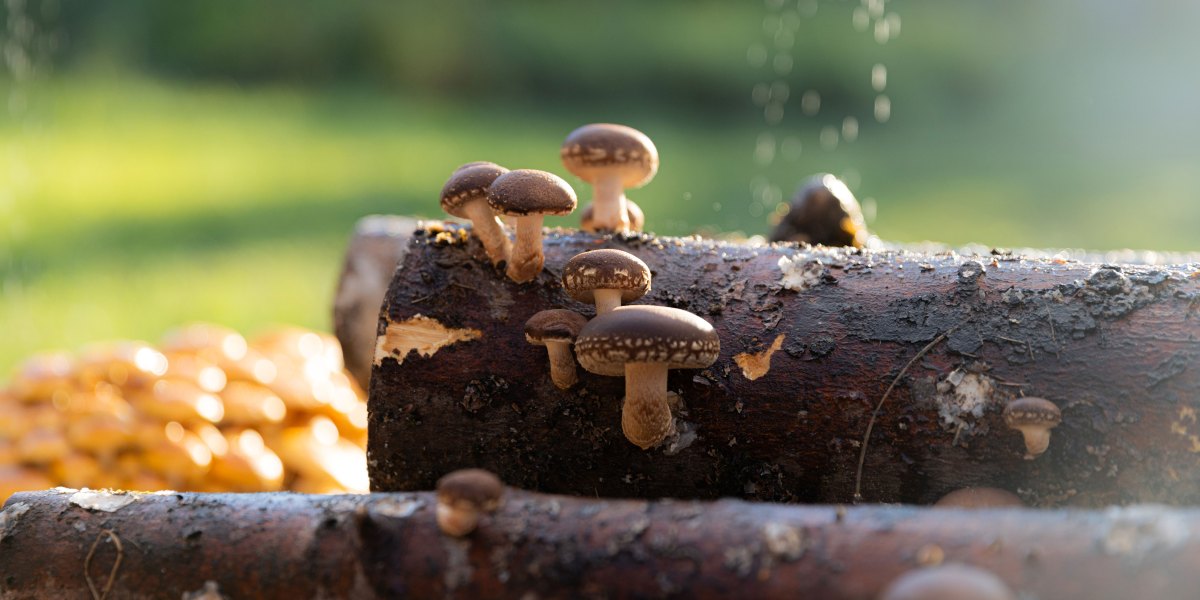
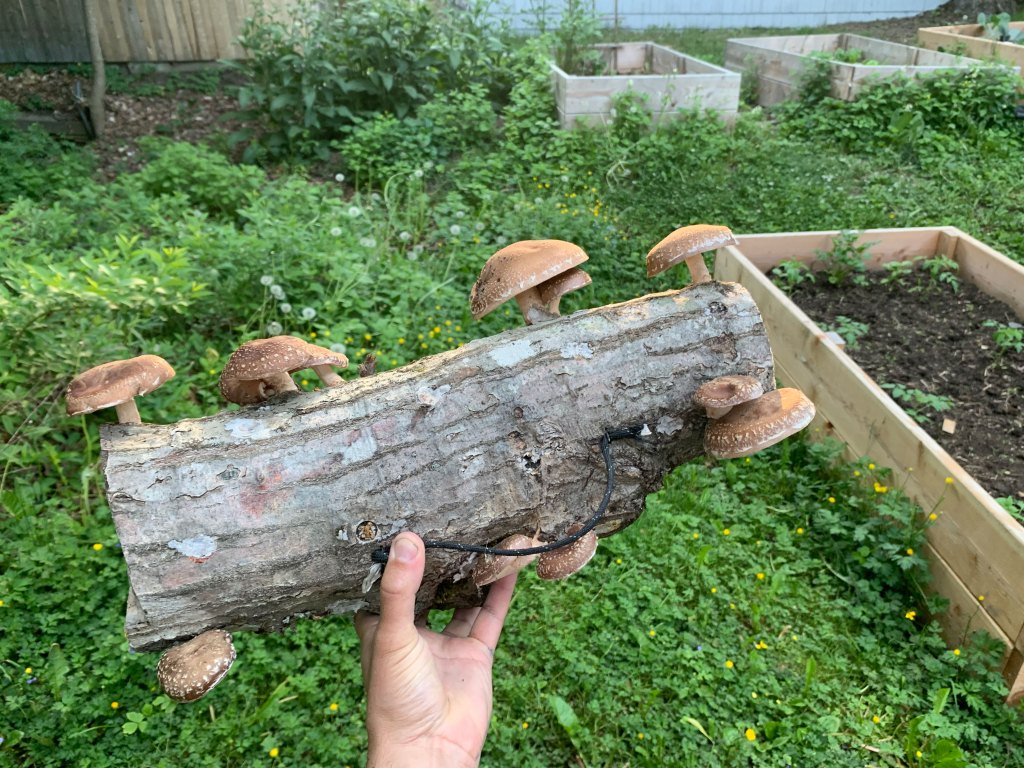
Growing Mushrooms on Logs: Start the Long Game Now
Courtesy of North Spore
If you’re pruning hardwood trees or sourcing fresh-cut logs, early March is a smart time to inoculate.
“When you inoculate logs, you are not growing just an annual crop; you are growing perennials that produce mushrooms year after year for up to a decade,” McInnis says. “They feel rooted, seasonal, and connected to place.”
In many Western regions, oak, maple, and alder are strong candidates. But species alone won’t guarantee success. “Log quality and environment matter just as much as species,” McInnis adds. “Fresh, healthy wood, good moisture content, and a shaded place to keep the logs will usually have a bigger impact on success than obsessing over an ideal species list.”
Log-growing basics:
- Use freshly cut hardwood.
- Keep logs shaded and off bare soil.
- Maintain consistent moisture during dry spells.
To stay motivated, McInnis suggests pairing projects: “Indoor oysters or Plant & Grow for early momentum, plus logs for future harvests.”
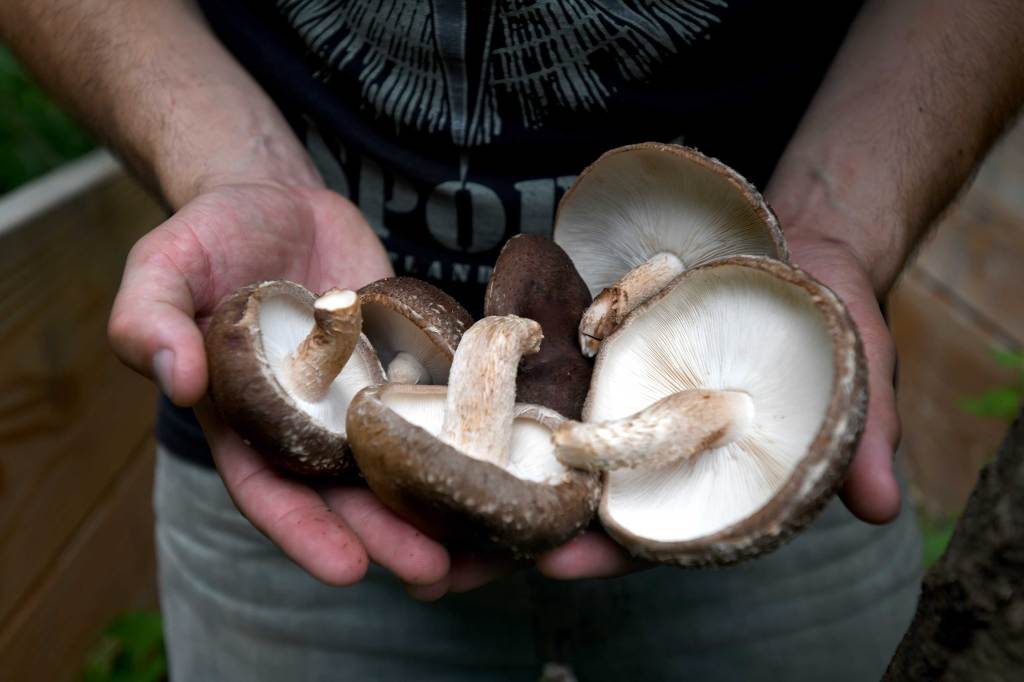
Choosing the Right Method and Caring for Your Mushrooms
Courtesy of North Spore
The most important decision isn’t which mushroom to grow—it’s which method fits your life.
“If I could give winter gardeners just one piece of mushroom-growing advice, it would be this: Start with a method that matches how you already garden,” McInnis says. “Don’t pick the method that sounds the coolest or the most advanced, pick the one you’re actually likely to follow through on.” Your first success is what changes everything.
Once you’ve chosen your method, resist the urge to fuss. “‘Overcare’ is one of the most common beginner mistakes, and with mushrooms it usually looks like too much intervention,” McInnis says. “Mushrooms really reward a different style of care: Create the right conditions, observe closely, and then let the biology work.”
Tips for late-winter success:
- Observe, don’t tinker: Set up the right conditions and let the mushrooms respond naturally.
- Keep moisture steady: Even late-winter air can dry substrates faster than expected.
- Harvest cleanly: Avoid stressing the mycelium to extend production.
- Think system health: Consistency now sets you up for multiple flushes and future seasons.
By pairing a method that fits your gardening style with steady, attentive care, you’ll maximize both success and enjoyment—whether you’re growing indoor oysters, buckets, or outdoor logs. And remember, late winter isn’t an ending. It’s a bridge. And fungi may be the most quietly productive crop you grow all year.