7 Packing Mistakes That Will Immediately Get You Flagged by TSA
An expert shares tips on making it through TSA seamlessly, every time.
Getty Images
If you’ve ever felt that subtle spike of anxiety inching toward the TSA conveyor belt—shoes half-off, laptop neatly placed in a plastic container, silently hoping your bag glides through without a hitch—you’re not alone. Even prepared travelers enrolled in expediting programs like TSA PreCheck or Clear still get tripped up at security, and it’s not necessarily because they’re doing anything wrong. “What slows people down isn’t a lack of experience, it’s the unpredictability and complexity of the environment itself,” says Lexy Basil, Chief Commercial Officer of PS. “Even the most seasoned travelers are still navigating a system designed for volume, not ease.”
So what do the smoothest travelers get right? It’s less about perfection and more about intention. “The most seamless travelers might be slightly better packers,” Basil says. “But the difference is that they’re choosing experiences and leveraging access to eliminate friction altogether.” In other words, it’s not about outsmarting the system—it’s about making it easier for the system to read what’s in your bag. Since PS has seen it all, they’re the right team to lend tips on common mistakes travelers make that immediately put TSA agents on alert.
1. Overpacked bags
Getty Images
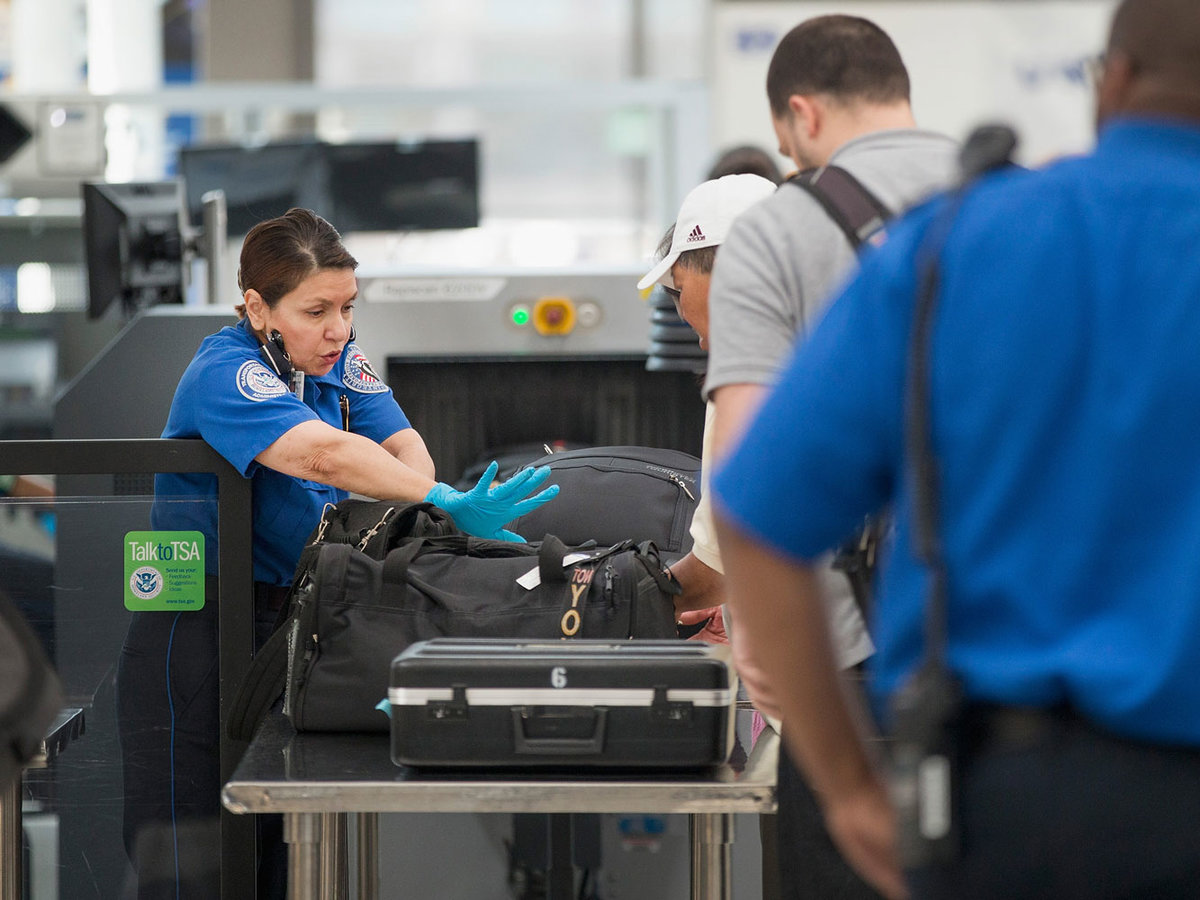
Overstuffed carry-ons where everything is layered tightly together are one of the biggest culprits. While it might feel efficient to compress your wardrobe into packing cubes, dense bags can slow down screening when agents can’t clearly distinguish what’s inside. “Densely packed bags, when everything is packed tightly or layered on top of each other, can make it take longer to clear,” Basil says. “But that’s a function of a high-volume system moving quickly.”
2. Liquids that almost follow the rules
Travelers know the 3-1-1 rule (TSA’s 3-1-1 guidelines state that liquids must be in containers of 3.4 ounces or less, all fitting into one quart-size clear bag, one per passenger). But it’s the almost-compliant items that trigger delays: a serum that’s just over the limit, a tube of toothpaste that’s just a bit too full, a toiletry bag buried deep in your carry-on, or a water bottle you forgot to empty. “Liquids are always one, especially when they’re just over the limit or not clearly separated,” Basil says.
3. Spreadable foods and “gel-like” items
Even savvy travelers get caught off guard by foods like peanut butter, yogurt, hummus, and soft cheeses—they’re technically considered liquids or gels and can be flagged during screening. We’ve been forced to ditch some pretty special items along the way forgetting this one, including our coveted ohia lehua honey from Big Island Bees. Another trip to O’ahu is clearly in order.
Getty Images
4. Dense powders and organic materials
Items like coffee grounds, protein powder, and even spices can be harder for scanners to read, which often leads to additional screening. Though they’re important to bring along if you’re sticking to a workout routine or fitness plan while on the road, keep in mind they may cause delays. If you’re traveling somewhere close, consider having them shipped via Amazon to your hotel.
5. Loose batteries and portable chargers
Portable chargers and lithium batteries must be in your carry-on, but if they’re tossed in loosely or tangled with cords, they can raise flags.
Getty Images
6. Wrapped or unclear items
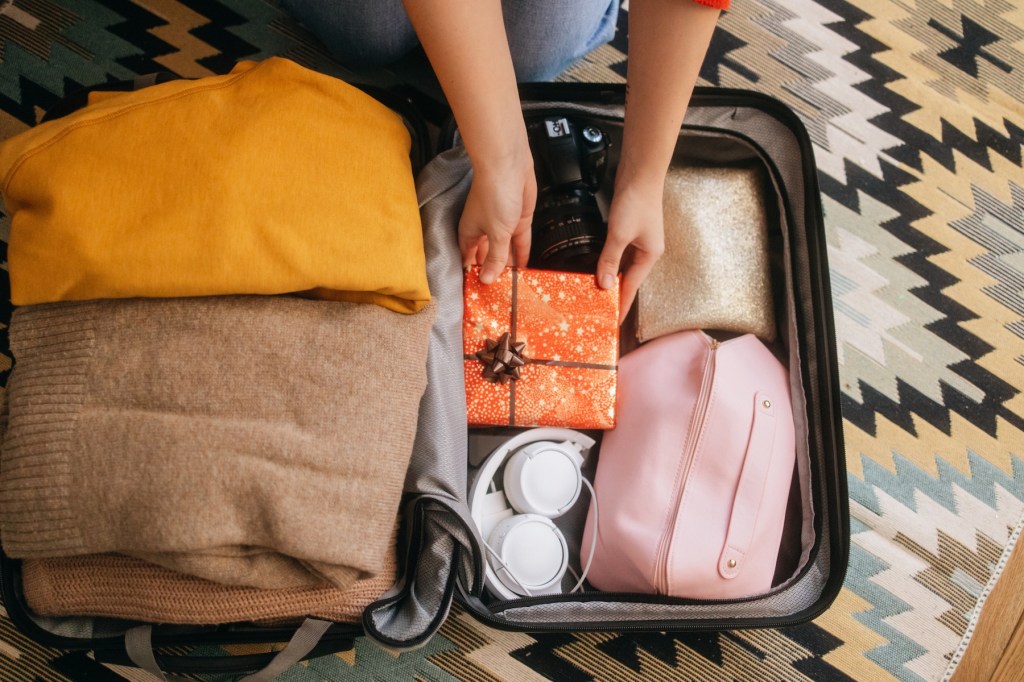
Wrapped gifts, cluttered electronics, or anything that obscures a clear image in your bag can slow things down. If agents can’t easily identify it, they’ll need a closer look.
7. Damp items and organic souvenirs
Wet swimsuits or damp clothing can alter how items appear on scanners, while shells, sand, or other natural souvenirs can also get a second look—especially if they’re not fully cleaned.
“Specialty food items and some medications tend to come up, and even certain electronics can create a pause depending on how they’re packed,” Basil says. “These moments are small and very minor, but can feel very stressful and disruptive when you must navigate them with a long, crowded line waiting behind you.”