
TSA Has Big Changes This Summer. Here’s What’s New—and What Actually Works
Some insider tips and insights to get you through screenings this season.
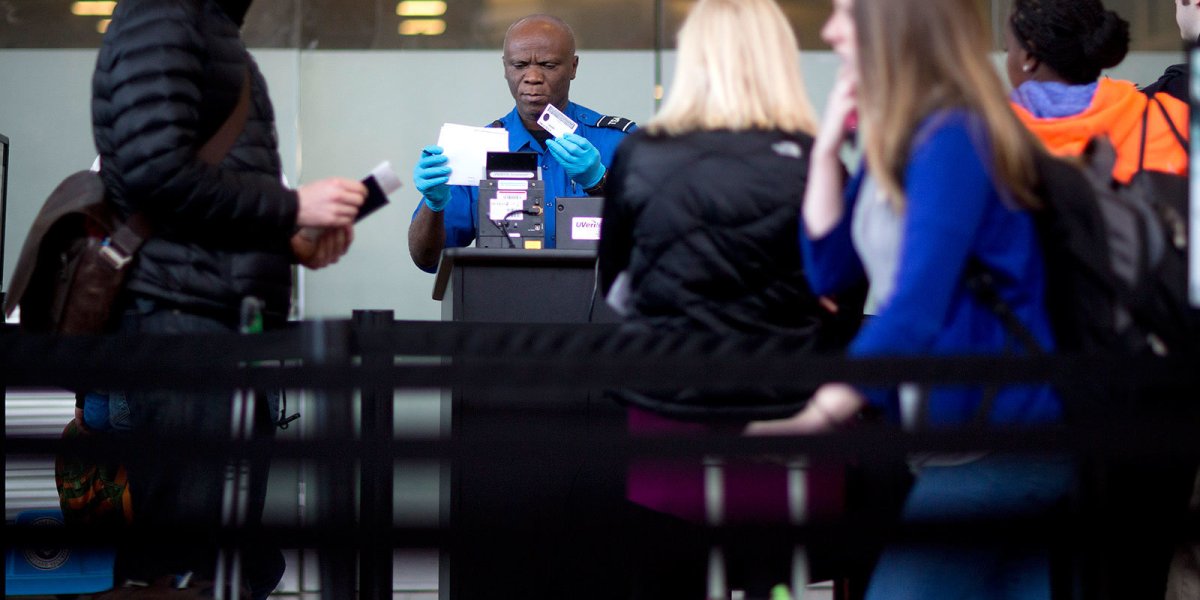
Image courtesy of Getty Images
The TSA has been gearing up for one of the biggest travel summers on record, and if you’ve been through airport security in the past few months, you’ve probably noticed the shifts. New screening lanes. Digital ID options. Way more staff shuffling around trying to figure out where they’re supposed to be. The system I thought I had figured out now seems like an experiment happening in real time.
Touchless ID
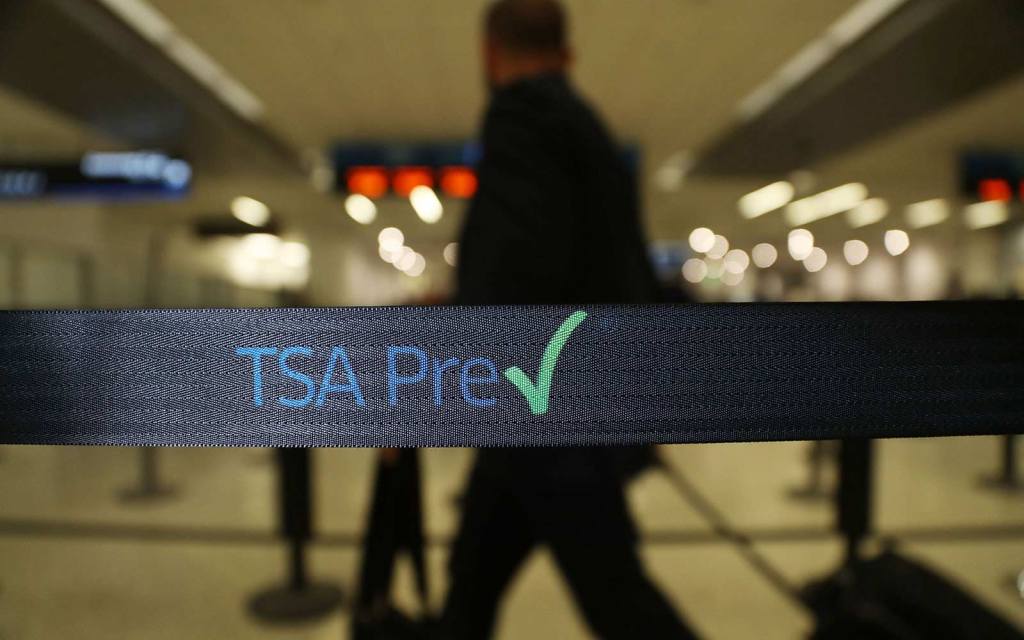
First, there’s the facial recognition expansion nobody asked for but is happening anyway. TSA PreCheck Touchless ID, which started at around 20 airports in spring, has expanded to some 65 U.S. airports this summer. If you have TSA PreCheck, you can opt in through your airline’s app, scan your face at a dedicated lane, and skip showing your physical ID. No digging for your license. (Currently Alaska, American, Delta, Southwest, and United are participating.) No handing anything over. No fumbling to put things back in your carefully curated carry-on before scanning.
Bloomberg / Getty Images
I tested TSA PreCheck Touchless ID at two Bay Area airports—SFO and OAK—and it worked. I showed up to the lane, stood still for a photo, and briskly moved through. It was pretty wild how well it worked, actually. That being said, in one instance so many people had opted in, the line was actually longer than standard TSA-Pre, which reminds me of those massive Clear queues I used to see when that priority program first rolled out.
I’ve also had mixed experiences at Southern California airports where the system seems to have either failed or the officers running it weren’t fully dialed in. That inconsistency matters more than the technology itself. The facial recognition isn’t your bottleneck; the execution of it is. There have been two times so far where I’ve had the tag for TSA PreCheck Touchless ID on my boarding pass and the system wasn’t working, so I had to pull my California Real ID out (yes, you do need those as of May). And the agents were downright huffy about it.
What’s most important to note is that participation in facial recognition at checkpoints is voluntary, with travelers allowed to decline the photo step and undergo alternative identity verification. If you opt in and it fails, you’ll just do manual ID verification anyway. It’s a low-stakes experiment if you want to try it.
Shoes Stay On
Another update is that more travelers are being allowed to keep shoes on, especially in lanes with newer scanners. TSA PreCheck lanes consistently allow shoes to stay on. But standard screening still varies by airport and lane, so watch what the officers around you are doing and follow their lead, not muscle memory.
Joe Raedle/Getty Images
TSA is also hiring thousands of new officers nationwide, which short-term means you’re more likely to encounter agents who are still learning the nuances of screening. Long-term, this is good news—shorter lines, better staffing. Right now, it means inconsistency. I saw a trainee at SEATAC flagging bags for the magnets or locking systems in them and then getting scolded by a superior while the line backed up. That’s not worth getting frustrated about. It’s just where we are at.
Bottom line: Come prepared, arrive early, and remember that every other traveler around you is in the same experiment. The system will figure itself out, but until then, your best move is being the person who isn’t surprised by anything. And one who operates with a default of both patience and kindness.
The Latest