Why Sacramento Should Be at the Top of Your Food-Travel Bucket List This Fall
California’s capital has become one of the state’s most exciting places to eat. The California Grand Tasting offers the perfect excuse to experience it for yourself at the pinnacle one-stop culinary event of the season.
Courtesy of Visit Sacramento
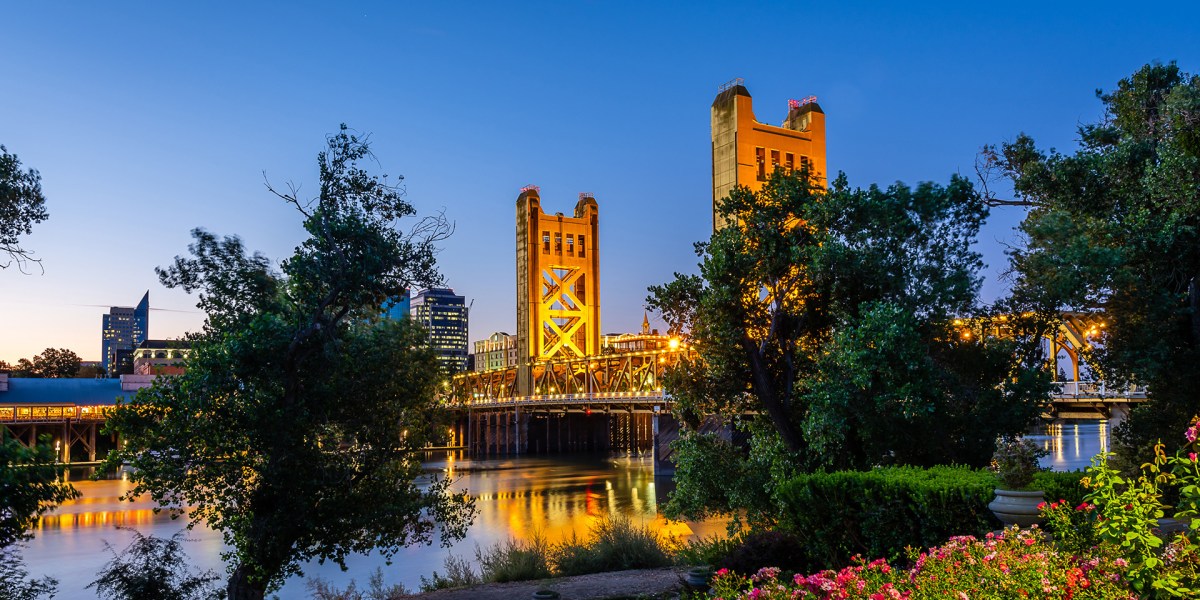
In Sacramento, asking if the ingredients in your dish are local isn’t even a question. It’s a given. Known as America’s Farm-to-Fork Capital, Sacramento sits at the center of one of the country’s most productive agricultural regions, surrounded by orchards, vineyards, rice fields, ranches and vegetable farms. Add the confidence and cultural range of a capital city, and the result is one of California’s most compelling foodie destinations—and in this state, that is saying something.
Courtesy of Visit Sacramento
At Sunset, we love championing the Best of the West. We love sharing insider tips, revealing overlooked corners of California, and, every so often, telling readers: Go here now. The “here” is Sacramento. The “now” is Friday, Sept. 11, 2026, when the California Grand Tasting brings together acclaimed restaurants, regional wineries, craft-beverage producers, and live entertainment for one exceptionally delicious evening in the heart of the city. Combining the expansive culinary spirit of Sacramento’s annual Grand Tasting with the wine-country appeal of Legends of Wine, the event offers visitors and locals alike a crash course in the food and drink of the region.
A Long Weekend in the Greater Sacramento Area

Courtesy of Visit Sacramento
Sacramento is an easy drive from the Bay Area and many other parts of Northern California, as well as a quick flight from Southern California. That makes the California Grand Tasting an ideal centerpiece for a spontaneous food-focused getaway: Arrive Friday, taste widely that evening, and spend the rest of the weekend following your discoveries around the city and into the surrounding countryside.
This isn’t simply another food and wine event. It’s a chance to experience the work of chefs, growers, producers, and winemakers who have something close to a backstage pass to America’s agricultural abundance. More than 40 farmers markets operate across the region throughout the year, and restaurants have direct access to an extraordinary variety of locally grown ingredients.
Discovering the Farm-to-Fork Capital
Courtesy of Visit Sacramento
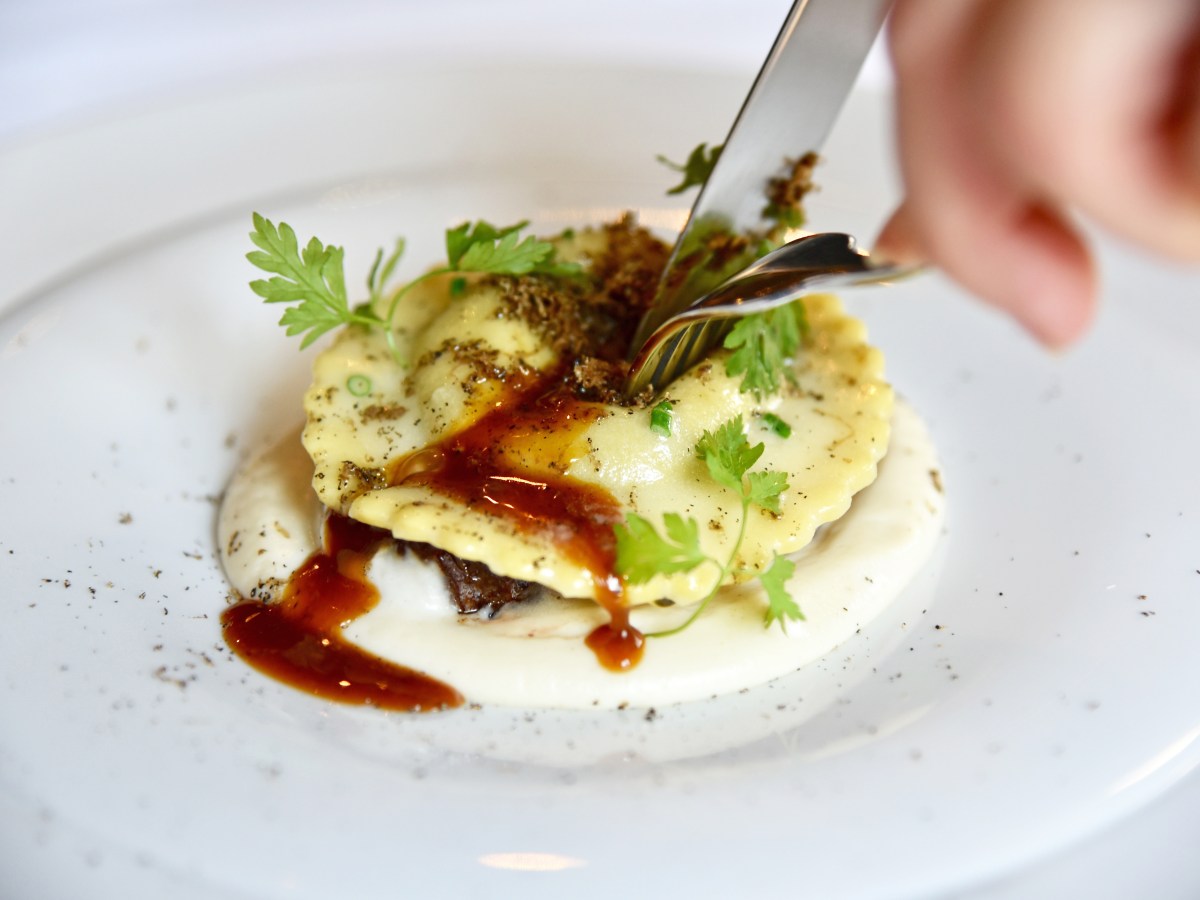
You see that connection in the menus, of course, but also in the culture. Farmers, winemakers, chefs, state workers, artists, and entrepreneurs all occupy the same dining rooms. The city’s food scene feels sophisticated without becoming disconnected from the people and places that supply it. The city and its immediate surroundings now have 15 restaurants listed by the Michelin Guide. Localis and The Kitchen retained their Michelin stars in the 2026 California guide, while Canon, Nixtaco, and Pho Momma earned Bib Gourmand recognition for high-quality cooking at accessible prices.
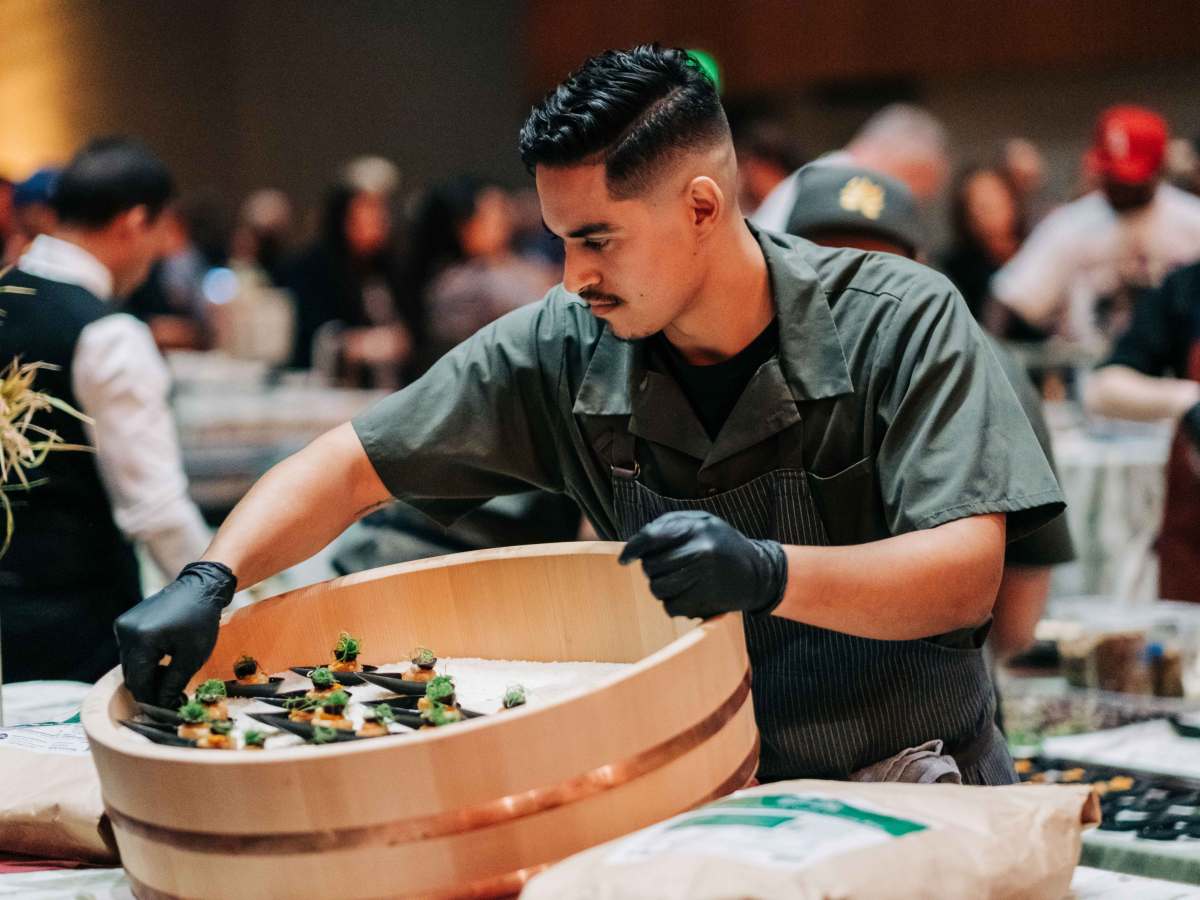
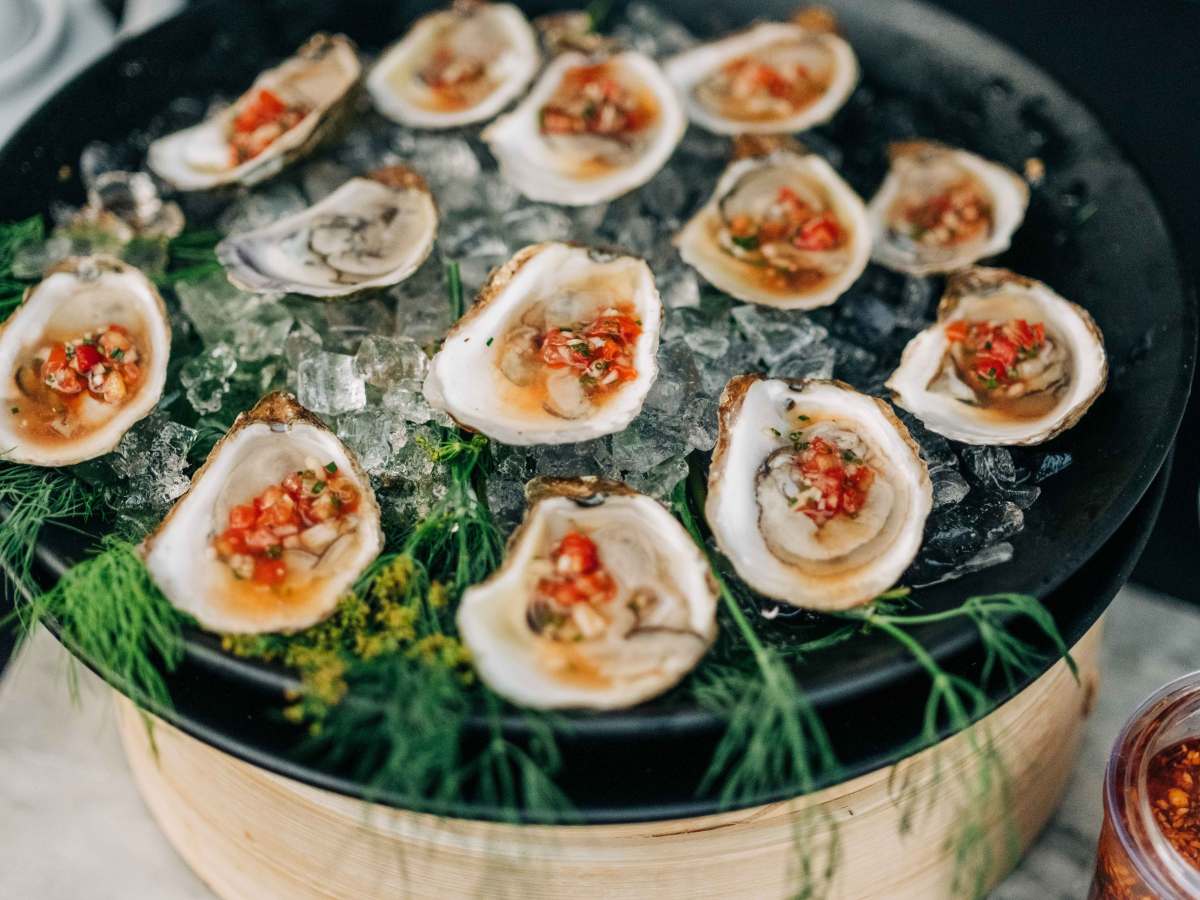
For a concise introduction to the talent gathering at the California Grand Tasting, start with three participants that express very different sides of Sacramento’s culinary identity. Mulvaney’s B&L is a foundational farm-to-fork restaurant and one of the city’s defining local institutions, known for a menu that changes with the daily harvest and for chef Patrick Mulvaney’s long-standing advocacy on behalf of Sacramento’s farmers and food community. At The California Grand Tasting, you will be able to try bites curated by chef John Trujillo of Mulvaney’s B&L. Nixtaco, represented by chef Patricio Wise, has earned national attention for its meticulous approach to nixtamalized heirloom corn, northern Mexican flavors, and chef-driven tacos. Binchoyaki, with bites curated by chef Craig Takehara, specializes in sumiyaki—Japanese cooking over binchotan charcoal—and has become one of the region’s most singular and widely admired restaurants.
River City’s Culinary Diversity
Courtesy of Visit Sacramento
Two newer names show how quickly the scene continues to evolve. Kin Thai Street Eatery, represented by chef Napak Kongsitthanakorn, explores regional Thai street food through dishes such as Isaan sausage, clay-pot shrimp, curry puffs, and Thai tea slushies. Aiona, led by Deneb Williams, brings a polished, live-fire approach to pan-Mediterranean cooking, along with an open kitchen and an ambitious wine program. Together, they broaden the tasting beyond the familiar language of California farm-to-table cooking and reflect the cultural diversity driving Sacramento’s next culinary chapter.
The wine roster offers an equally useful survey of the region. Séka Hills, owned by the Yocha Dehe Wintun Nation, produces estate wines, certified extra-virgin olive oils (a Sunset staff favorite!), honey, nuts, and other foods that reflect the Nation’s deep connection to the Capay Valley. Bogle Family Vineyards is the region’s best-known wine success story, built by sixth-generation farmers and third-generation winemakers whose roots remain firmly planted in Clarksburg and the Sacramento Delta. Matchbook Winery, a family-owned estate in the Dunnigan Hills, represents another side of the surrounding wine country, pairing regional heritage with regenerative farming and an especially strong sense of place.
Also worth watching are two urban producers helping bring wine culture directly into the city. Acheson Wine Company, based in Midtown, pours its wines from reusable stainless-steel kegs rather than conventional disposable bottles, giving its neighborhood tasting room a notably local and environmentally minded identity. Lucid Winery makes small-lot wines in Sacramento from lesser-known and heritage grape varieties, with an organic, low-sulfite, experimental approach that offers a compelling contrast to the larger agricultural estates surrounding the capital.
Together, these restaurants and wineries capture what Sacramento does particularly well: serious craftsmanship without self-importance, culinary ambition grounded in agriculture, and a food-and-wine culture shaped by communities with markedly different histories and traditions.
That everyday, elevated relationship with food also helps explain why Sacramento was chosen to host the first Terra Madre Americas in 2025. Associated with the international Slow Food movement, the gathering brought farmers, fishermen, Indigenous communities, cooks, producers, and food advocates from across the Americas together in the city. The selection placed Sacramento within a larger conversation about agriculture, cultural preservation, sustainability, and the future of food—and Terra Madre Americas will return to the city in 2027.
Cheers to California Grand Tasting 2026

Courtesy of Visit Sacramento
The California Grand Tasting may provide the initial reason to make the trip, but Sacramento merits more than an evening. Stay for one or two nights and use the event as the beginning of a wider exploration. As the state capital, the city is built for hosting visitors with dozens of hotels at every price point and style throughout the city. For a grand, historic sense of place, check into The Citizen Hotel, a 1920s former office tower near the State Capitol, with political cartoons decorating its interiors and Grange Restaurant & Bar downstairs. For a more contemporary base, the Kimpton Sawyer Hotel sits beside Golden 1 Center in the Downtown Commons district, within walking distance of restaurants, shops, and the Old Sacramento Waterfront. Build the next morning around the Midtown Farmers Market, followed by brunch and a walk through the tree-lined streets and historic houses of Midtown. Visit the Crocker Art Museum, wander the Old Sacramento Waterfront, or drive south through Delta farmland to Clarksburg for an afternoon of wine tasting. The Old Sugar Mill, a restored 1930s beet-sugar refinery housing multiple tasting rooms, makes an especially convenient introduction to the appellation.
Then let The California Grand Tasting shape your next meal. Return to a chef whose bite you loved, seek out a producer’s shop or tasting room, or make dinner an opportunity to see how another cook interprets the same regional abundance. Ask locals where they eat, but be prepared for the answer to come with one condition: “Don’t tell anybody.” Sorry, Sacramento. We’re telling.
The California Grand Tasting takes place Friday, Sept. 11, 2026. Buy tickets, book an overnight stay, and sign up for Visit Sacramento’s culinary emails to begin planning your trip by clicking here.
Event Details
Friday, Sept. 11, 2026
SAFE Credit Union Convention Center, Ballroom A
VIP Admission: 5-9 p.m.
General Admission: 6-9 p.m.
General Admission / $175
- Unlimited tastings from participating restaurants
- Wine tastings from 25-30 regional wineries
- Craft beverage tastings
- Live entertainment
- Event access from 6-9 p.m.
VIP Admission / $250
Everything included with General Admission, plus:
- One-hour early access beginning at 5 p.m. to enjoy first access to tastings and a more intimate experience
- A welcome caviar and sparkling wine pairing
- Exclusive passed appetizers during VIP hour
Buy tickets to all admission tiers here.
Keep Reading:
The Latest