I Tried 2 Viral Kitchen Food Recyclers, Here’s How to Choose If One Is Right for You
Because not everyone wants a backyard compost pile, but everyone has scraps to deal with.
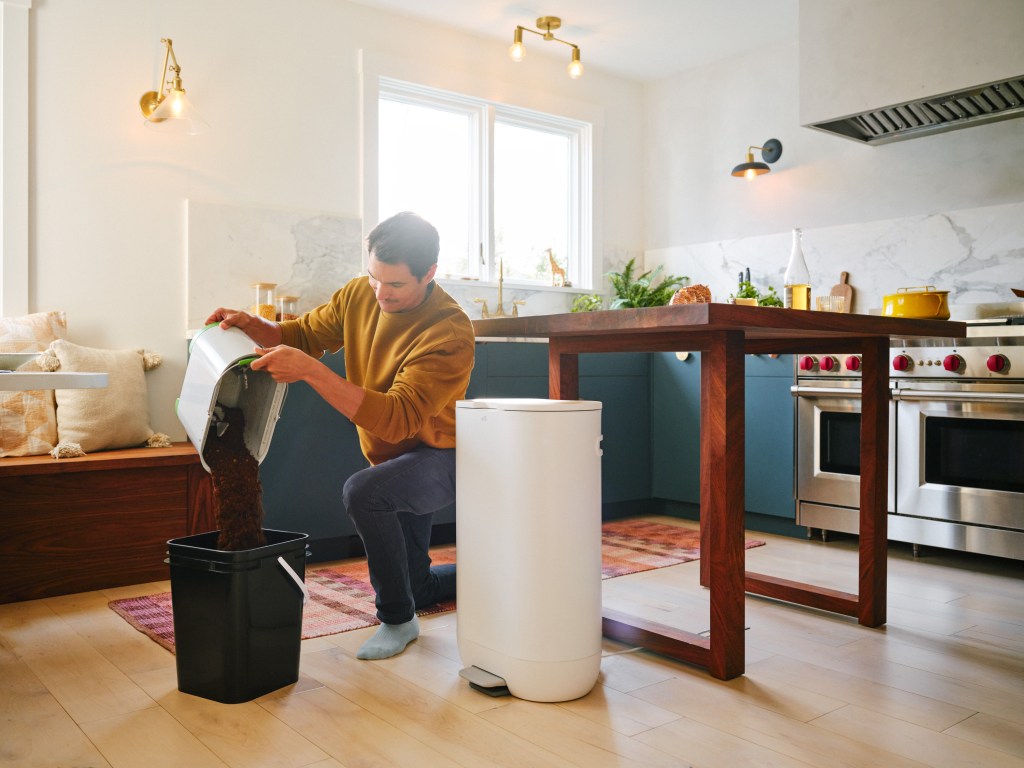
Courtesy of Mill Industries Inc.
Written byKristin Guy
April 3, 2026
Share this story
If you’ve ever hovered over your kitchen trash with a handful of onion skins, wondering if this is the moment you finally become a compost person, you’re not alone. The new wave of kitchen food recyclers promises a kind of middle path—less commitment than a backyard pile, but more intention than the landfill.
As an avid OG outdoor tumbler composter kind of gal, I was able (with a mix of curiosity and skepticism) to trial two of the internet’s favorites at home: the Reencle Home Composter and the Mill Food Recycler. From first plug-in to daily use, here’s how they stack up.
First Impressions: Setup & Space
Courtesy of Reencle
These machines tell you who they are right away.
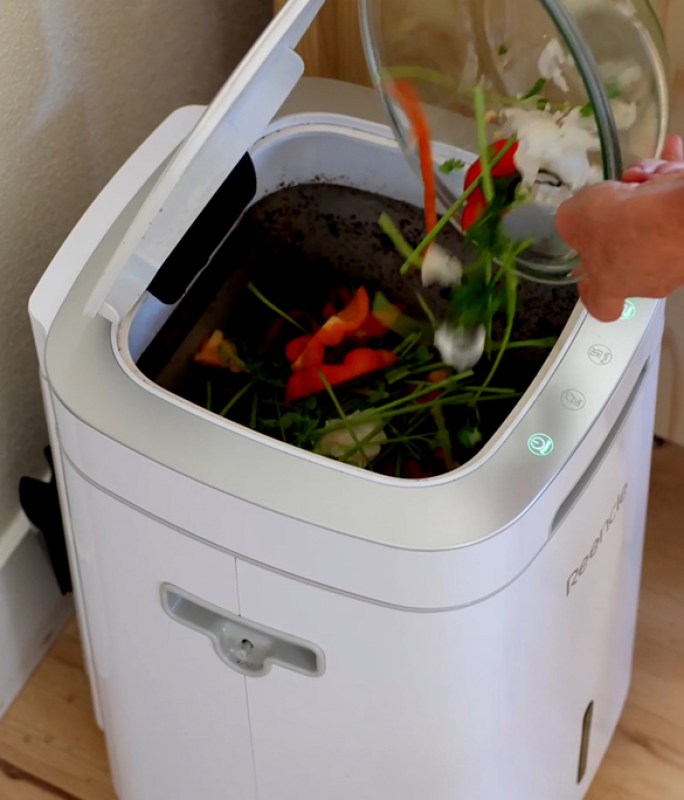
Reencle Home Composter
The vibe: compact, unassuming, easy to slide into a corner without rearranging your life.
Good to know: It asks for a little patience upfront. You’ll need 12–24 hours to activate its microbial base before adding scraps, and it prefers to stay on… this is a living system, after all.
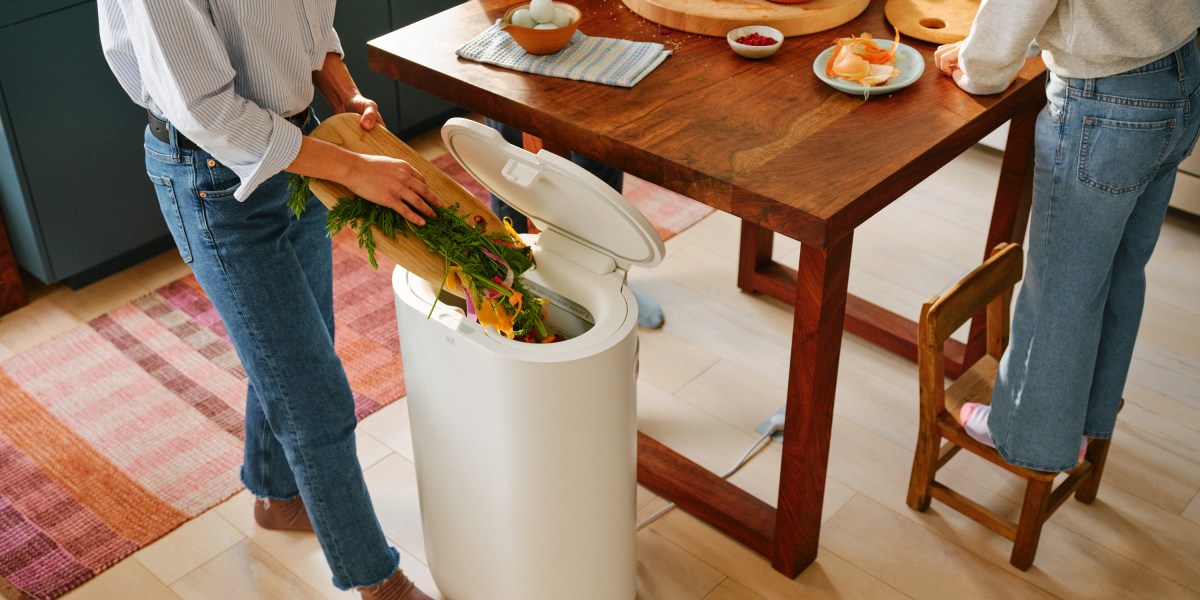
Courtesy of Mill Industries Inc.
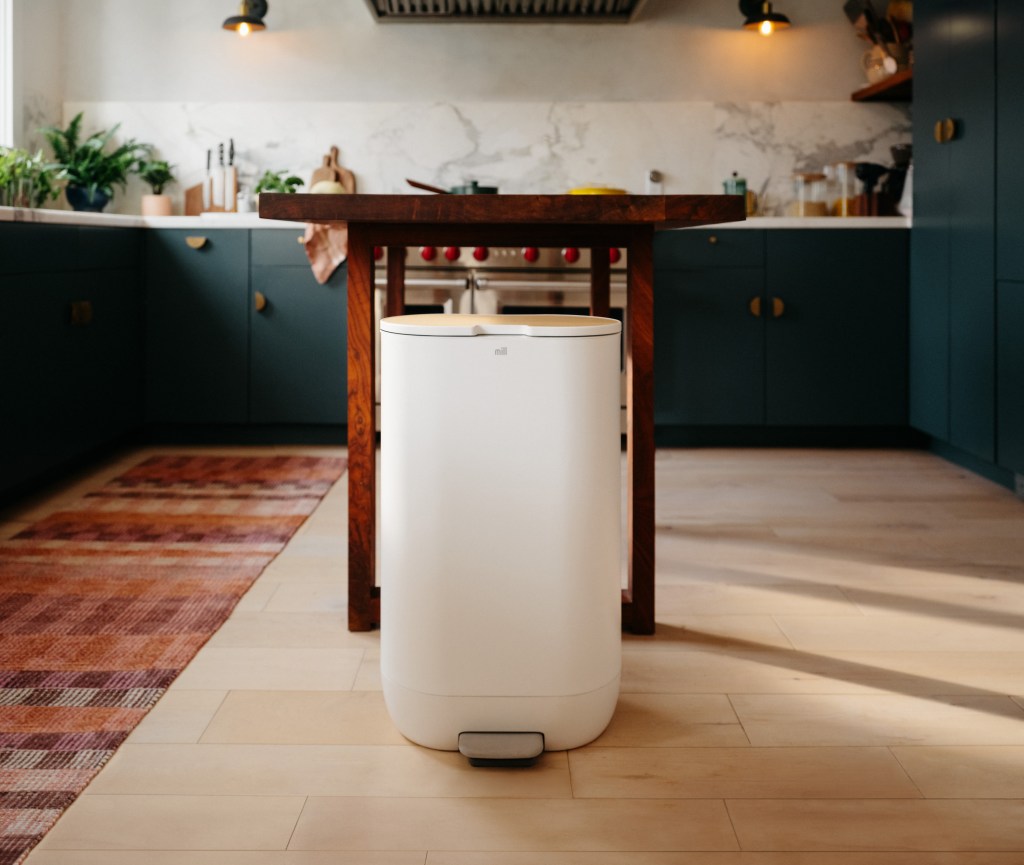
Mill Food Recycler
The vibe: polished, substantial, and very much an appliance. It doesn’t disappear—it settles in.
Good to know: Setup is refreshingly quick. The app connects in minutes, and you can start adding scraps right away. No waiting, no ramp-up.
Day-to-Day Use
Courtesy of Reencle
While both will take on similar food scraps (please avoid anything hard like clamshells, or liquid like oil), this is where the personalities really diverge.
Reencle Home Composter Pros:
Takes most kitchen scraps in stride (just skip pits, shells, oil).
Develops a mild, bready-earth scent—noticeable, but not unpleasant.
Emits a low, steady hum that blends into the background.
Is twice as fast as traditional outdoor composting
Cons:
Runs continuously, so it’s always quietly at work.
Needs occasional tending—adjusting moisture or giving it an extra stir to purify.
No app or remote monitoring on the Prime model.
Using it feels a bit like keeping a sourdough starter—you don’t have to fuss over it constantly, but you are in a relationship with it. For gardeners, that familiarity can be part of the appeal.
Courtesy of Mill Industries Inc.
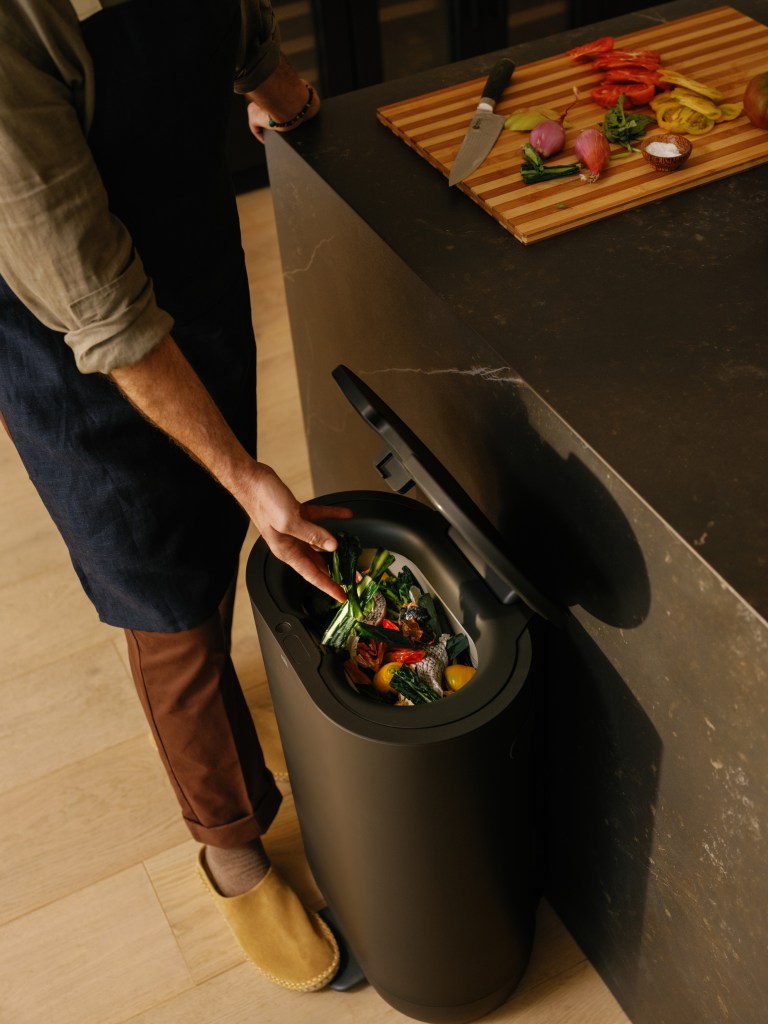
Mill Food Recycler Pros:
Takes most kitchen scraps in stride (just skip pits, shells, oil)
Effortless, almost to a fault.
Quiet throughout the day, with only a soft whir when processing. Runs only when needed, either on a schedule or when it’s full.
App-controlled, with simple, intuitive settings.
Cons:
Very hands-off, which can feel a little disconnected if you enjoy the process.
If you don’t have a use for the Mill’s dehydrated food output, you can mail it back to the company. But this option seems costly and counter-intuative because it increases your carbon footprint.
This is the one you choose when life is full and your mental load is already spoken for. Add scraps, close the lid, carry on.
What You Actually Get
Courtesy of Reencle
Here’s where expectations are worth a reset.
Reencle Home Composter
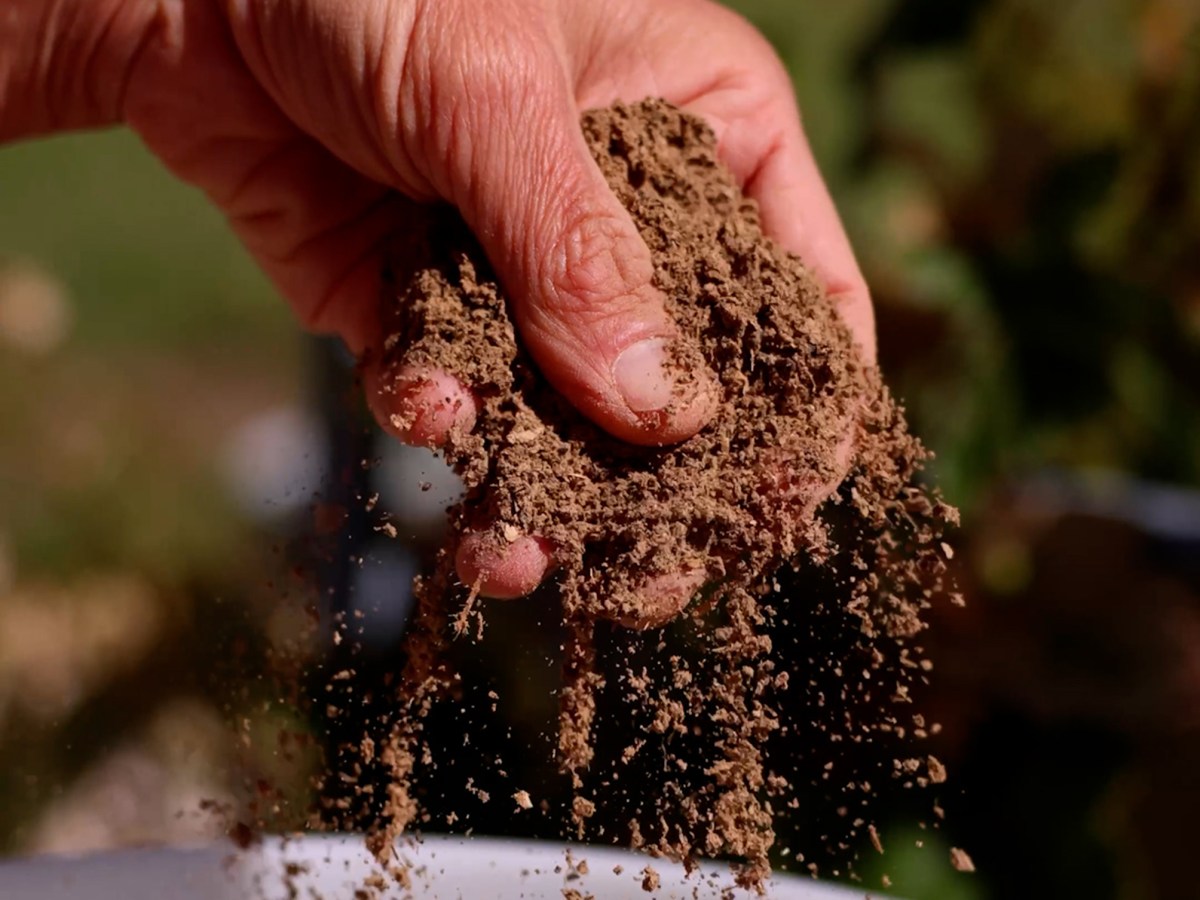
Output: a damp, soil-like material that looks and smells like young compost.
In practice: easy to mix into soil, familiar to anyone who’s worked with a backyard bin.
Courtesy of Mill Industries Inc.
Mill Food Recycler
Output: a dry, finely ground material made by dehydrating food scraps.
In practice: more of a garden amendment than a finished product. A plus for backyard chicken owners, as it can be fed to your flock.
The distinction matters. The Reencle is actively composting with microbes; the Mill is preserving and processing scraps for the next step—whether that’s mailing it back through their subscription program or incorporating it at home with a bit of care.
The Bottom Line
Both of these machines make a compelling case for keeping food scraps out of the trash, but they invite you into very different experiences.
The Reencle Home Composter leans into the slow magic of decomposition. It asks you to pay a little attention, to stay curious, to participate. In return, you get something that feels alive and ready for the garden. I would say for the compost-curious living in a small space (or with limited outdoor space), this one is for you.
The Mill Food Recycler is all about ease. It fits neatly into a busy routine, quietly doing its job in the background. You trade a bit of that hands-on connection for simplicity—and, depending on your season of life, that might be exactly the point. If you are someone with a little extra spending cash and prefer a set and forget method while looking to lighten your footprint at the landfill, this is the one for you.
In the end, the right choice isn’t about the machine. It’s about the rhythm you want in your kitchen and how close you’d like to stay to the process of turning scraps back into soil. For me? I’m sticking to my outdoor composting systems which include a tumbler and vermiculture bin, because there’s nothing better than nature doing her thing.
We only recommend things we love. If you buy something through our site, we might earn a commission.