
2026 Garden Trends: What to Do, Grow, and Design in the New Year
From tech-smart irrigation to intimate, layered outdoor rooms, the 2026 trends are all about blending beauty, practicality, and a little extra joy.

Thomas J. Story
Gardening in the West is getting a fresh twist this year. From tech-smart irrigation to intimate, layered outdoor rooms, the 2026 trends are all about blending beauty, practicality, and a little extra joy. Across the region, gardeners are rethinking how they use their outdoor spaces—whether that’s creating multi-sensory retreats, curating rare indoor plant collections, or designing patios that feel like extensions of the living room.
And as Sunset’s garden editor, I’ve been keeping tabs on what’s capturing attention across the region and comparing notes with a select group of industry experts who are equally tuned in to what’s next. Katie Tamony (Chief Marketing Officer at Monrovia Plants) has been watching patios and decks transform into full-fledged garden escapes; Kip McConnell (of Sunset® Plant Collection) and Mary Phillips (Head of Native Plant Habitat Strategy/Certifications at the National Wildlife Federation) are helping homeowners create hedges and borders that are as edible as they are fire-wise and wildlife-friendly. Katie Dubow (President of Garden Media Group) shares how pet-forward landscapes are evolving to reflect real life, while Paris Lalicata (Plant Education + Community Engagement at The Sill) shows how rare indoor plants are settling into homes that are as stylish as they are restorative.
Together, their observations confirm what we’ve been sensing all season: 2026 is about gardens that feel alive in every sense: lush, layered, and designed to be lived in. Whether you’re eyeing your first container plant or planning a full outdoor makeover, these trends prove that gardens can be functional, beautiful, and a little bit magical all at once.
1. Precision Gardening with AI & Data
Courtesy of Amazon
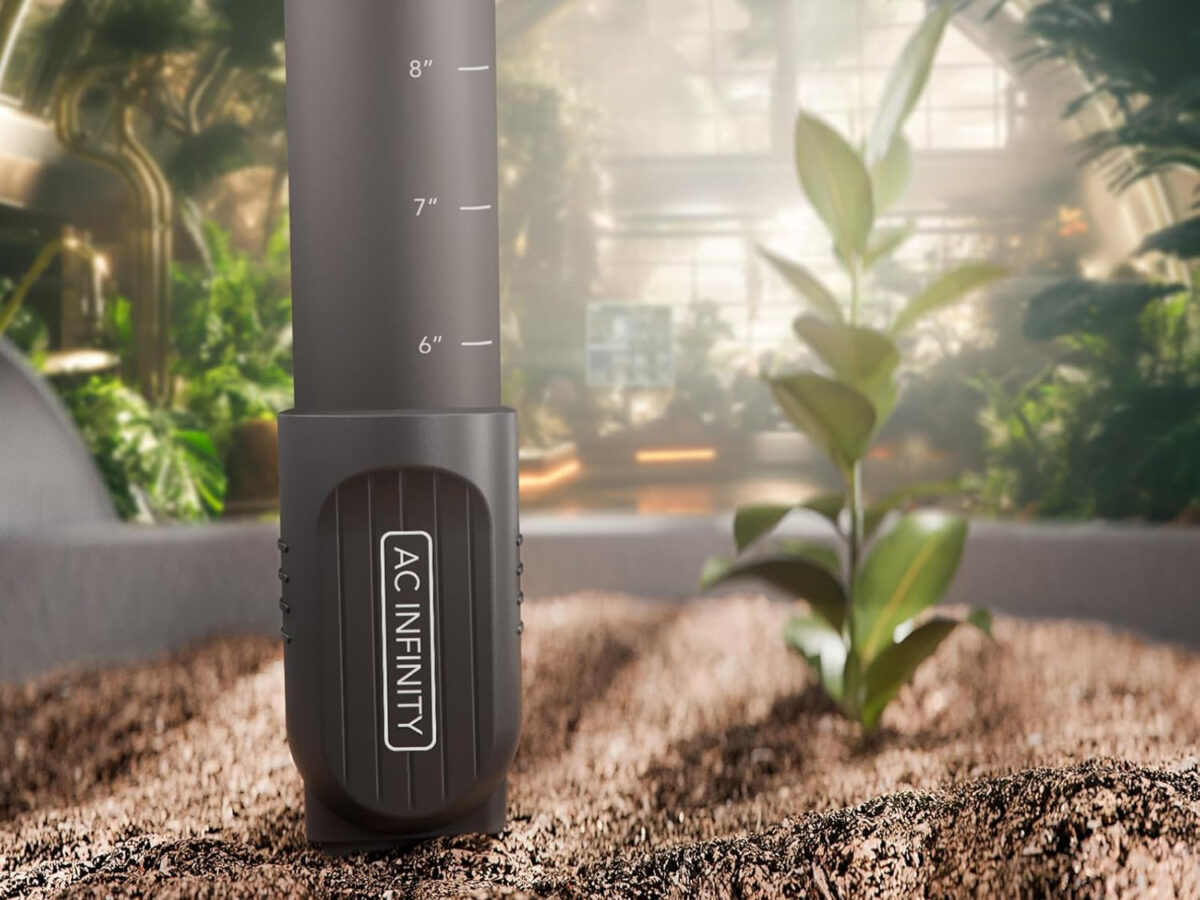
Gardening meets tech in 2026. Smart irrigation systems, soil sensors, and AI-driven apps track moisture, light, and nutrients, helping you water efficiently, catch plant stress early, and make data-driven decisions tailored to your space.
Why we love it: Precision gardening reduces guesswork, improves plant health, and encourages sustainability (even in sun-baked Western climates).
Tips to get started: To make precision gardening work for you, start with a smart irrigation system that adjusts based on weather or soil moisture, ensuring your plants get exactly what they need without waste. Pair this with soil sensors to keep tabs on pH, nutrients, and hydration, and explore AI-powered plant apps that can help identify pests or disease before they become a problem. For beginners, starting small with a raised bed or container garden is a great way to see how data-driven care can transform results while keeping your efforts manageable.
Before diving into smart tools, spend a little time mapping how the sunlight shifts across your garden and where water tends to pool or drain quickly. Pairing that on-the-ground knowledge with AI platforms or smart soil sensors helps the tech read your landscape more accurately, so recommendations feel less generic and more like they were made for your backyard.
2. Patio Culture
Courtesy of Monrovia.com by Doreen Wynja
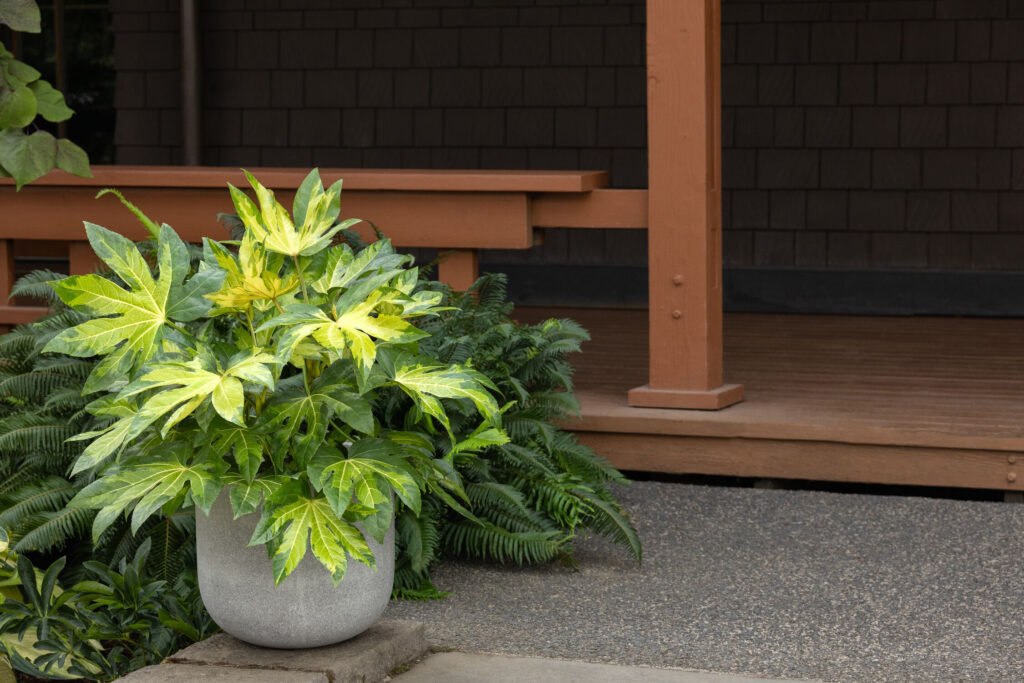
Patios and decks are becoming true extensions of the home as places to unwind, connect, and enjoy fresh air without leaving the comforts of daily life behind. For many gardeners, especially older homeowners, the patio is the new living room: relaxed, functional, and deeply personal.
Why we love it: Patio Culture celebrates the simple joy of outdoor living. With the right plants, patios feel softer and more inviting, transforming paved spaces into lush, sensory-rich mini-gardens. This trend is about more than a few potted annuals; it’s about creating whole container gardens that bring structure, texture, fragrance, and color into every corner of an outdoor living area.
Expert Insight: “There is more interest than ever in gardening on decks and patios,” says Katie Tamony. “We’re seeing the biggest increase in container gardening interest with older gardeners, but this is a trend that reaches every demographic, especially gardeners who want elegant outdoor spaces that are low maintenance. They are creating whole gardens on their patios with beautiful containers.” Tamony adds, “Patio Culture is all about pushing beyond having just a few annuals in your outdoor living area. Just about every shrub and perennial can be grown in a container, offering more options for an elevated look.”
Plant Inspiration: Gardeners are leaning into plants that soften edges, frame views, and add sensory appeal. Ferns, ornamental grasses, and broad-leafed evergreens provide structure and movement, while climbing vines such as jasmine or mandevilla bring height and fragrance. Tropical plants add texture and an unexpected flourish. Standout Monrovia selections include Jurassic™ Ferns, Little Ollie® Dwarf Olive, Sun Parasol® FiredUp Orange Mandevilla, and Red-Leafed Mukdenia.
3. Defining Spaces with Borders & Hedges
Thomas J. Story
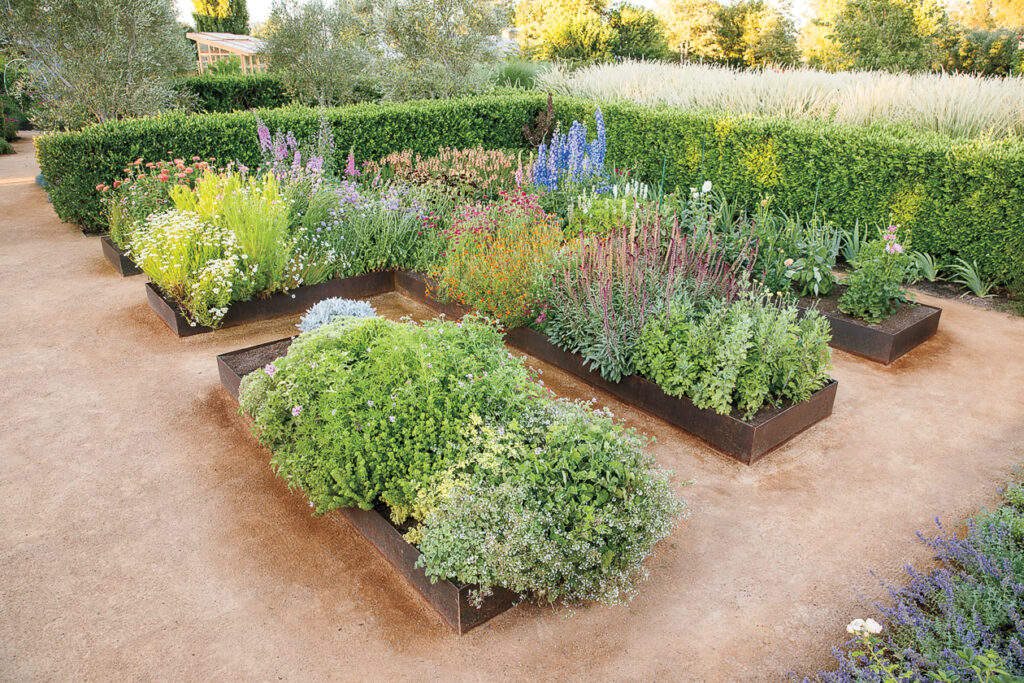
Clean edges are back. Hedges and borders give structure to pathways, patios, and planting beds, creating outdoor rooms, guiding movement, and lending rhythm to the landscape.
Why we love it: Borders are more than a visual outline, they support wildlife, provide privacy, and enhance curb appeal, all while offering edible bounty. With drought-tolerant natives, fire-wise selections, and fruiting shrubs on the rise across the West, hedges are becoming purposeful, personal, and ecologically smart. Thoughtful placement and layering allow borders to feel lush without increasing maintenance or fire risk, proving that structure and sustainability can go hand in hand.
Expert Tips: Kip McConnell champions the use of edible plants to create structure in Western yards, recommending fragrant Chef’s Choice® Culinary Rosemary for drought-tolerant borders. He also highlights ‘Little Miss Figgy’ Dwarf Fig and DownHome Harvest® Hello Darlin® Blueberry as hedges that combine beauty, resilience, and flavor, offering multi-seasonal interest with blooms, fruit, and fall color. Mary Phillips emphasizes that native plants are naturally adapted to local conditions and typically require less supplemental water. “Native hedges planted with proper spacing can still create lush borders, seasonal color, and wildlife benefits while managing to minimize fire risk,” she notes. Layered spacing, pruning lower branches, and replacing traditional mulch with gravel or living groundcovers are all simple ways to maintain fire-wise, wildlife-friendly hedges.
Plant Inspiration: For visual impact and ecological benefit, consider Common Snowberry (Symphoricarpos albus) or Blue Elderberry (Sambucus nigra ssp. cerulea). Both offer striking seasonal texture—white winter berries, frothy spring blooms, and vibrant summer fruits—while feeding pollinators, birds, and beneficial insects.
4. “Botanical Bento”
Thomas J. Story
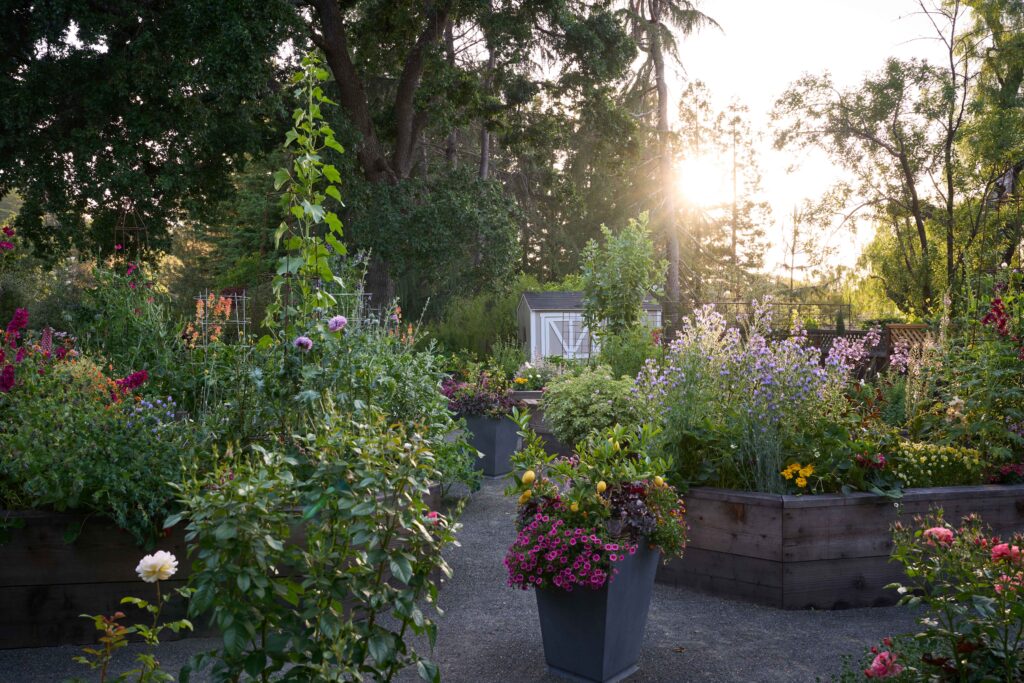
Compact outdoor rooms are gaining ground, turning small gardens into curated, layered spaces that feel like a series of interconnected rooms. Low hedges, pathways, and containers help define zones for dining, reading, or play, allowing gardeners to craft intimate, sensory-rich experiences even in limited square footage.
Why we love it: This trend transforms even the smallest garden into a series of purposeful, immersive experiences. By thinking in layers both vertical and horizontal, and through texture, gardeners can create a sense of depth and discovery. Each nook or pathway becomes an opportunity for sensory engagement, from fragrant blooms and soft foliage to tactile hardscaping and visual focal points. Botanical Bento gardens are about intentionality: Every plant, path, and container has a role, resulting in spaces that feel rich, cohesive, and full of life without appearing cluttered.
Expert Tips: Katie Dubow advises thinking of eco-regions or outdoor areas like rooms, where even small spaces feel expansive when each area has a role. Repetition is key, whether of bloom color, plant variety, or container style, to create rhythm and cohesion. Containers can elevate shorter plants, giving them more presence in garden beds, while repeating plants in clusters of three across pathways, beds, or planters strengthens visual connection. For seasonal or themed experiences, she suggests starting with small “anchor shrubs” like Obsession™ Nandina or Red Sky™ Ilex to provide year-round structure, then layering in colorful perennials and annuals to add focal points, scent, or texture.
Plant Inspiration: Sunset Plant Collection highlights gradients of Ever White™ to Ever Sapphire™ Agapanthus or three-shrub combos like Beach Ball™ Pittosporum, Better Boxwood® Heritage™, and Copper Glow Garden Clouds® Lonicera for visual intrigue.
5. Pet-Focused Gardening
Thomas J. Story
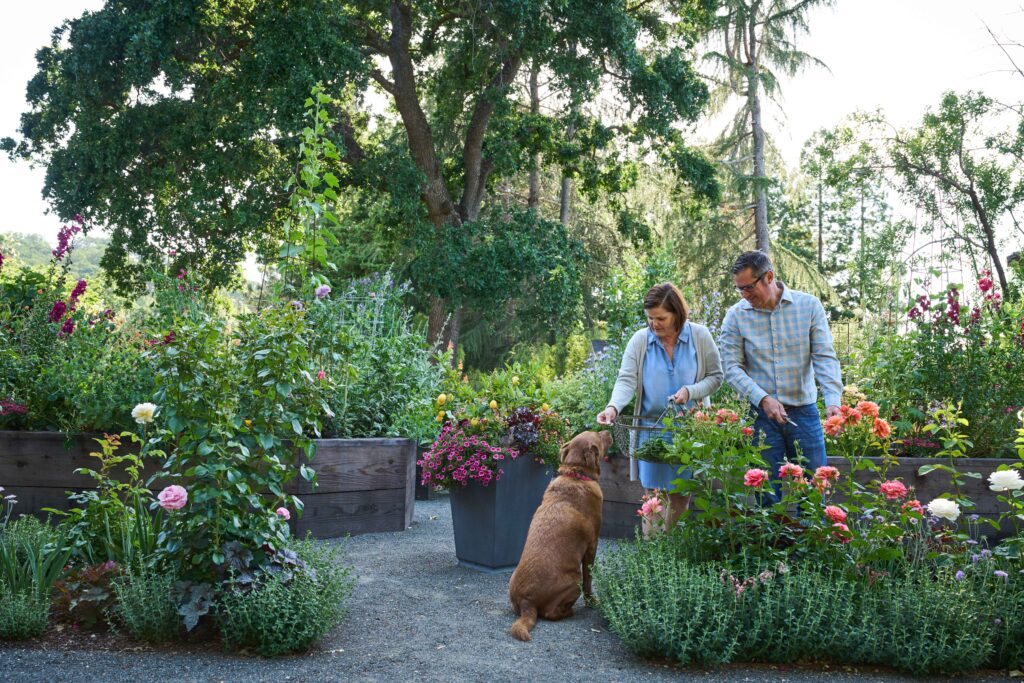
Gardens are evolving to include every member of the household, especially the ones with paws. Shaded pockets for lounging, cushioned pathways for zoomies, and durable, non-toxic plants create outdoor spaces that are thoughtful, stylish, and safe. What once felt like an optional design layer is now shaping backyards from concept to completion.
Why we love it: Pets are family, and this approach makes that visible. Pet-focused gardens are lush and beautiful, but they’re also built for movement and play. Shade structures double as design moments, ground covers soften hardscape edges, and container groupings define boundaries without feeling restrictive. It’s a functional, modern way to enjoy the outdoors together with less worrying, more bonding, and a yard that maintains its style even under daily pet wear and tear.
Expert Tips: Katie Dubow notes that the most successful pet-inclusive spaces are designed around behavior. “Soft groundcover paths for running, shaded rest areas, and durable plants that bounce back from activities of all matter,” she says, adding that it’s equally important to avoid toxic plants and hard or sharp materials. New ideas are emerging too: Dubow points to natural surfacing, designated dig zones, and multi-use elements like raised beds that double as visual boundaries, keeping gardens organized and pets safely contained.
Plant Choices: For color, structure, and easy care, pet-safe picks like Rainbow Sensation® Weigela, Garden Jewels™ Collection Gerbera Daisies, Miss Lemon™ Abelia, and Mojo® Pittosporum keep landscapes vibrant without worry. Pair with standout performers like Butterfly Candy® Buddleia for compact, water-wise blooms that hold up beautifully to foot (and paw) traffic.
6. Color Trend: Kusumi (Muted, Dusty Shades)
Courtesy of Sunset Plants
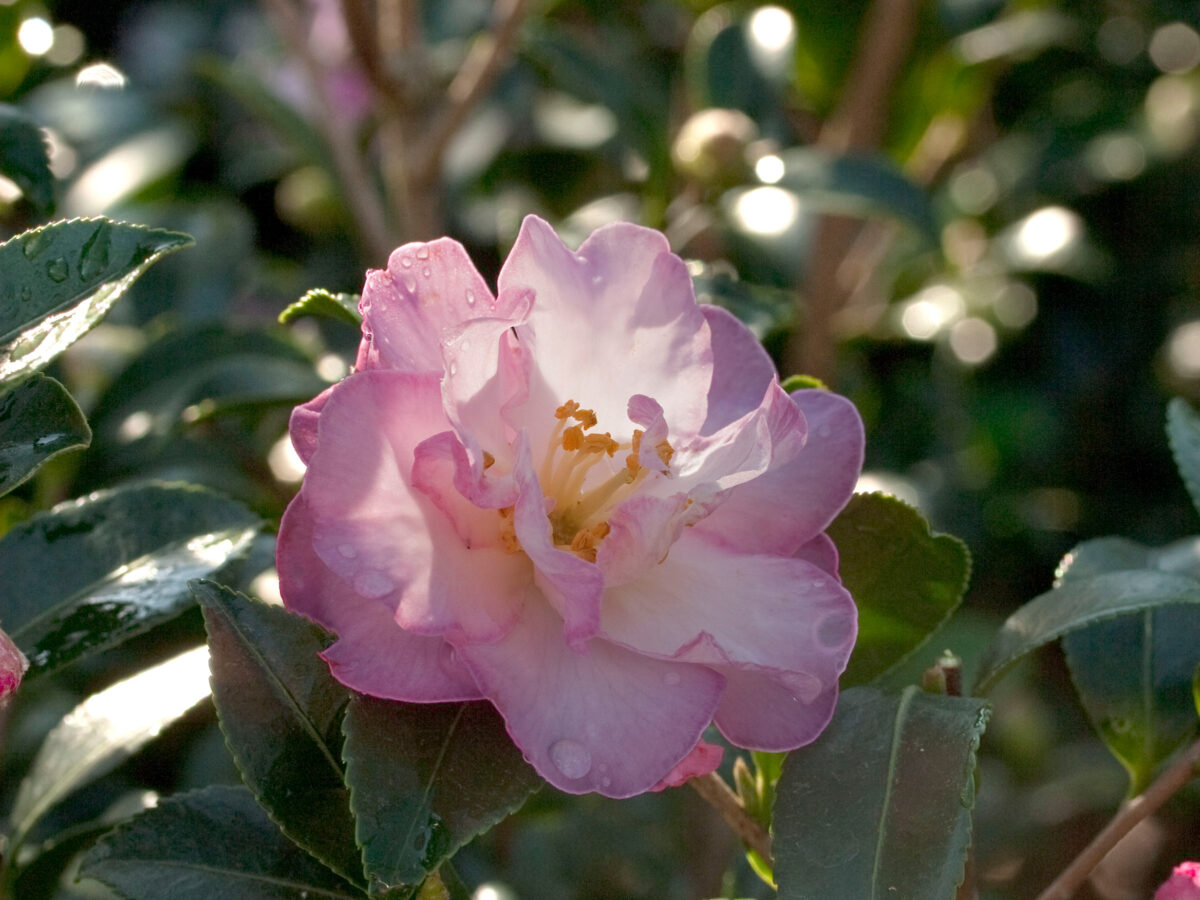
Soft, weathered tones are shaping garden palettes for 2026, echoing foggy mornings, desert patina, and sun-washed paint. Ash-covered pinks, muted lavenders, powdery blues, and misty neutrals create landscapes that feel timeless, romantic, and grounded. Rather than competing with their surroundings, these hues blend into the natural architecture of outdoor spaces, especially in the West, where dramatic light, stone, and shadow add depth.
Why we love it: Kusumi shades bring a gentle calm to gardens, offering a sophisticated base that works year-round. These colors pair effortlessly with natural textures like reclaimed wood, pale stone, and terracotta, allowing the plants, and the people enjoying them, to glow softly against a soothing backdrop. They also add flexibility: The palette works as a quiet foundation for bolder accents, or as the main attraction in a subdued, tonal design. And for many Western gardeners, Kusumi colors feel instinctively familiar like echoes of worn canyon rock, driftwood grain, and favorite ceramics left under the eaves.
Expert Tips: Katie Dubow notes that these tones feel at home in Western gardens because of their sun-washed character. They can be treated like a neutral base, she adds, beautifully supporting bolder shapes, textures, and hardscape elements. The Sunset Plant Collection team points out that Kusumi shades bring a sense of heirloom character. Choose plants that feel cherished and collected. They suggest weaving these hues through hedges, containers, and cut flower plantings for dimension and movement, noting that blooms like It’s a Breeze® Ivory Blush Groundcover Rose offer beauty both in the garden and again when gathered and dried. To highlight the soft palette, they recommend pairing with lighter hardscaping materials such as stone, weathered wood, terracotta, and aged metals, while steering clear of darker containers or finishes that overpower subtle tones.
Plant Inspiration: It’s a Breeze® Ivory Blush Groundcover Rose, October Magic® Dawn™ Camellia, Pink Perplexion™ Camellia, Blush Pink™ Nandina, Suntastic™ Pink Abelia, and Platinum Beauty® Lomandra. These varieties echo Kusumi’s soft, desaturated mood and blend beautifully with greens, silvers, and the surrounding landscape.
7. Rare & Collectible Indoor Plants
Courtesy of The Sill
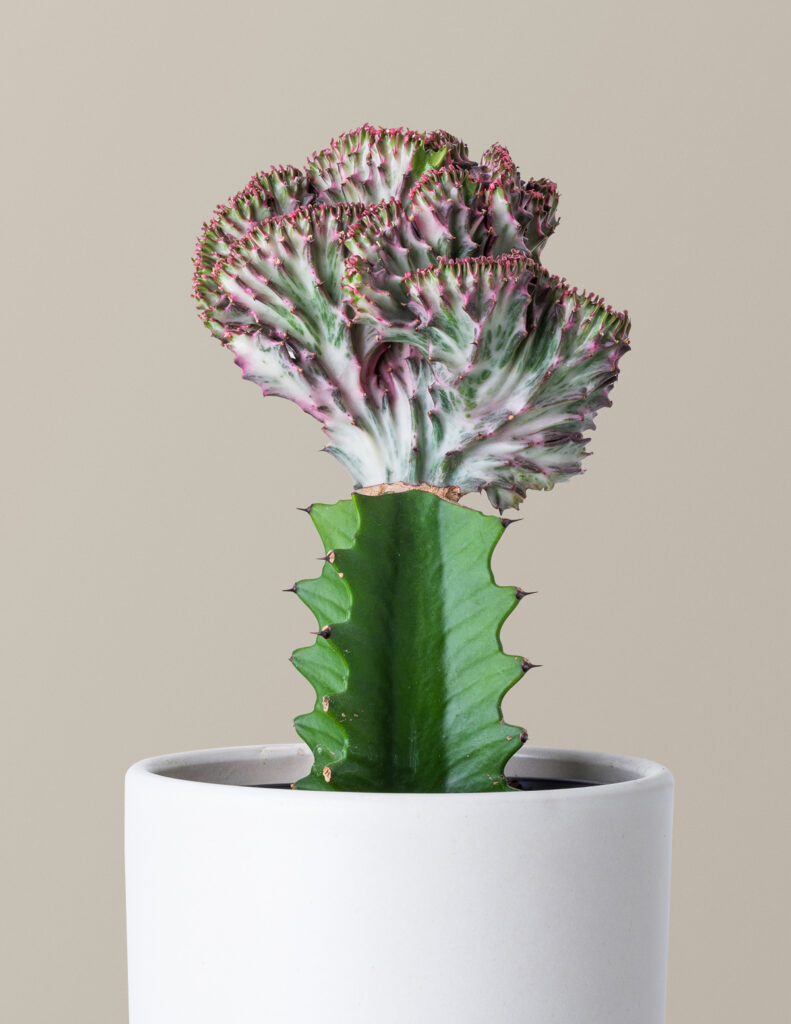
Houseplants are moving beyond decor—they’re becoming deeply personal, curated objects of joy. Instead of chasing the biggest plant trend or filling shelves with dozens of similar varieties, collectors are embracing intentional displays and standout specimens. Think single sculptural cactus as the focal point of a living room, or a variegated philodendron anchoring a gallery wall. It’s less about volume and more about identity, expression, and story.
Why we love it: This trend speaks to the growing desire to create indoor spaces that feel meaningful and alive. Rare and sculptural plants become conversation pieces, works of natural art—while familiar species in new forms (like variegated foliage) add a fresh layer of intrigue. There’s also comfort in slowing down and caring for something special. At a time when digital life feels nonstop, tending to a prized plant becomes grounding.
Expert Tips: Paris Lalicata of The Sill points to two standout directions for 2026. First, the rise of sculptural cacti and succulents like Spiral Cactus, Euphorbia White Ghost, and Mermaid Cactus. Each is beloved for its distinct form and surprising ease of care. Second, the continued demand for variegated foliage, with Thai Constellation Philodendron and Philodendron Florida Ghost leading the charge. Even simple twists on classics, such as Pothos Albo, offer new ways to express personality at home. Paris emphasizes that caring for collectible plants is less intimidating than it seems: Once plant parents understand light, water, and environmental needs and match those conditions at home, rare plants can be as manageable as beginner favorites. Many, she notes, are “surprisingly low maintenance,” especially cacti, which thrive with good sunlight and mindful watering.
She also points to a surprising surge in orchid interest, noting that many collectors are discovering that Phalaenopsis orchids, long considered fussy, are far more approachable than they expected. With education, confidence grows and so do gifted orchids.
8. Wellness Gardens
Thomas J. Story
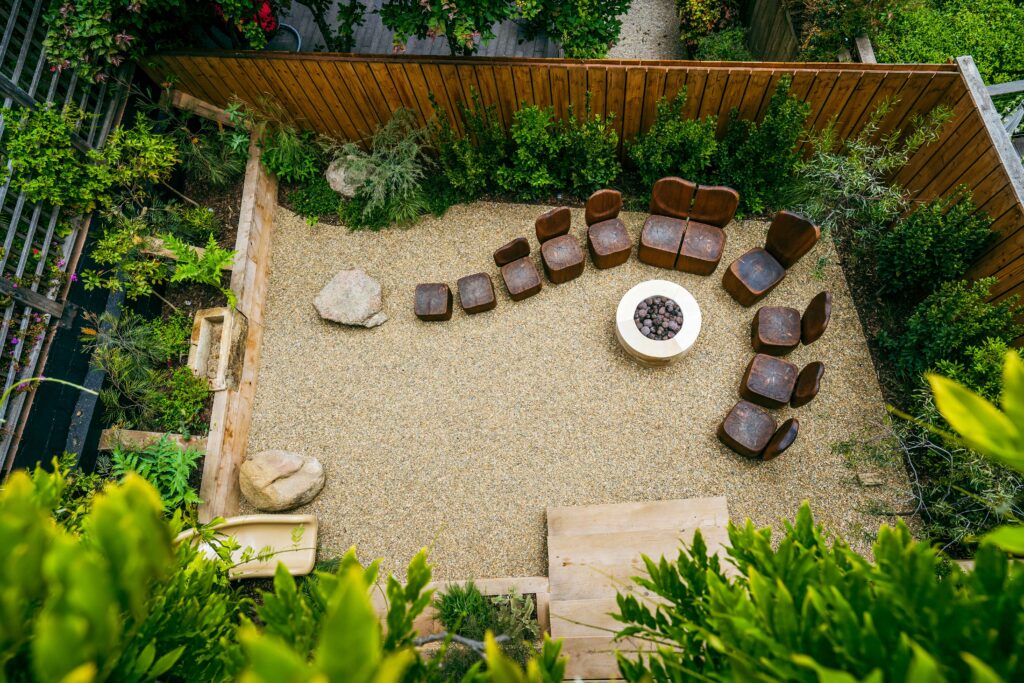
Gardens are increasingly evolving into sanctuaries—spaces designed to nurture the mind just as much as the landscape. Whether it’s a quiet bench tucked beneath evergreens, a pathway softened by long-leafed grasses, or the simple rhythm of watering and pruning, wellness gardens invite us to slow down and stay present. They’re sensory-rich, emotionally grounding, and deeply personal.
Why we love it: These spaces celebrate stillness. Curved pathways encourage wandering, layered plantings draw the eye and soften edges, and thoughtfully placed seating invites reflection. Sound becomes part of the experience too: the rustle of grasses, the hum of pollinators, and the hush of foliage in motion. Indoors, the effect is just as powerful—biophilic design and intentional routines create calm, comfort, and a sense of connection. In a busy world, wellness gardens offer balance.
Expert Input: Mary Phillips with National Wildlife Federation notes that layered plantings, curved pathways, and intentional pause points—like benches nestled near shrubs or water features—naturally slow the pace of a space and transform the garden into a relaxing retreat. She also highlights the restorative role of wildlife: diverse native plants invite movement from birds and butterflies, enhancing the sensory atmosphere. Indoors, Paris Lalicata of The Sill underscores the calming impact of biophilic design. Natural materials, layered greenery, and organic textures infuse indoor spaces with balance, while simple care routines become mindful moments. Paris adds that year-round beauty is easy to achieve with rotating seasonal interest, from spring forsythia and magnolias to winter camellias and evergreens, ensuring gardeners always feel connected.
Plant Inspiration: ‘Soft Caress’ Mahonia and EverColor® ‘Everest’ Carex for sound, texture, and movement; Jubilation™ Gardenia for fragrance; Chef’s Choice® Culinary Rosemary for sensory access and culinary reward; evergreen natives and berry-producing shrubs for structure, wildlife support, and seasonal color.
9. Cabbage Crush
Thomas J. Story
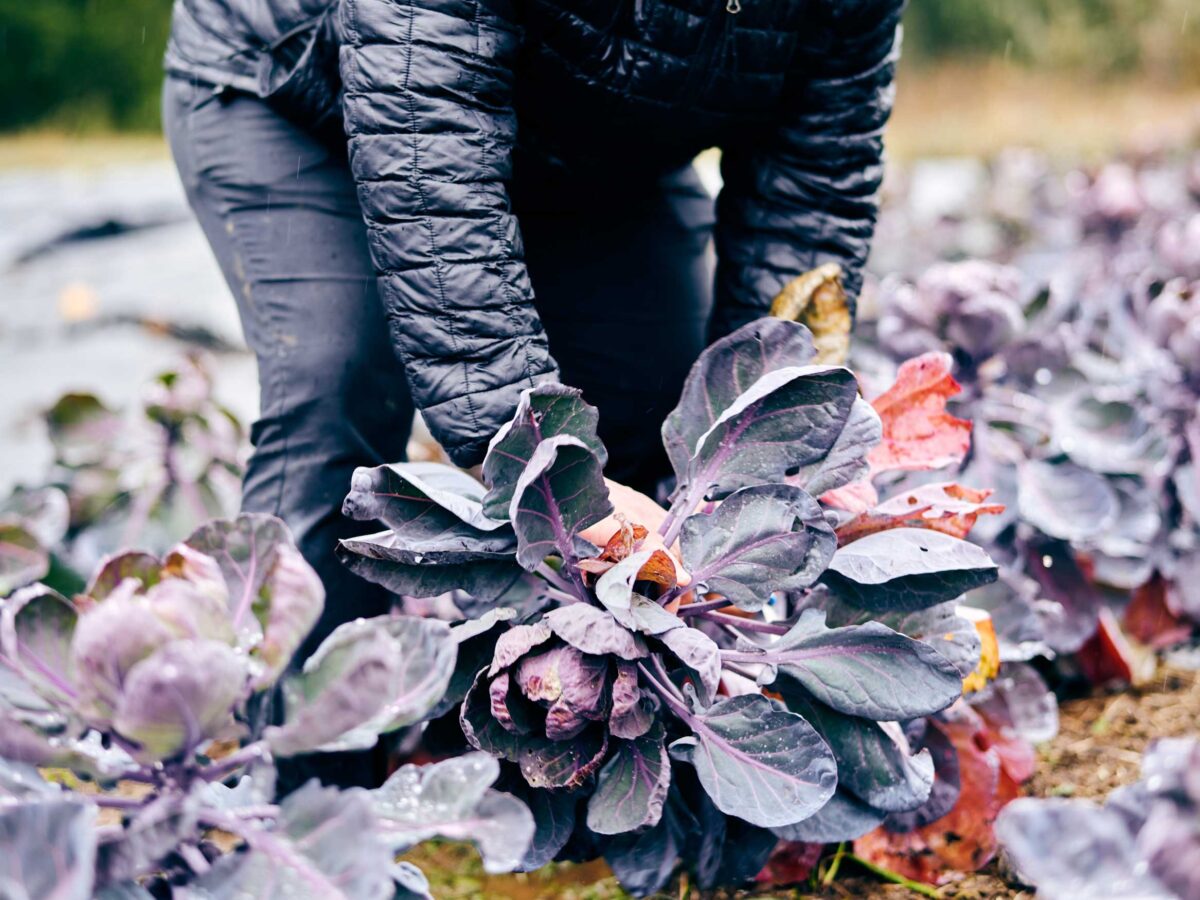
The humble cabbage is having its moment and not just in the kitchen. This year, ornamental cabbages and other brassicas are stepping into garden beds, container groupings, and seasonal arrangements with bold, ruffled foliage in purples, pinks, creams, and variegated greens. Pinterest Predicts calls out cabbage as 2026’s new culinary muse, replacing cauliflower as the star of creative cooking and we’re seeing the garden version follow suit. It’s a fresh, playful crossover: stylish, edible, and delightfully unexpected.
Why we love it: These plants deliver instant color and structure, especially in cooler seasons when many gardens fade. They’re as beautiful as they are practical, offering lush leaves for display and for harvest. Plus, compact varieties thrive in containers, perfect for patios, entryways, balcony gardens, and edible plantings that are meant to be seen. It’s a vibrant reminder that a productive garden can also be a stunning one.
Design + Plant Inspiration: Pair cabbage with kale, Swiss chard, or other ornamental brassicas to build rich tonal layers. Add flowering herbs for texture and seasonal interest. Tuck them into raised beds for sculptural form, mix into porch pots for color that lasts through winter chill, or line pathways for a soft, leafy border. Indoors, cut stems bring a painterly look to vases and arrangements, further blurring the line between food, florals, and décor.
10. Multi-Sensory Lighting Gardens
Thomas J. Story
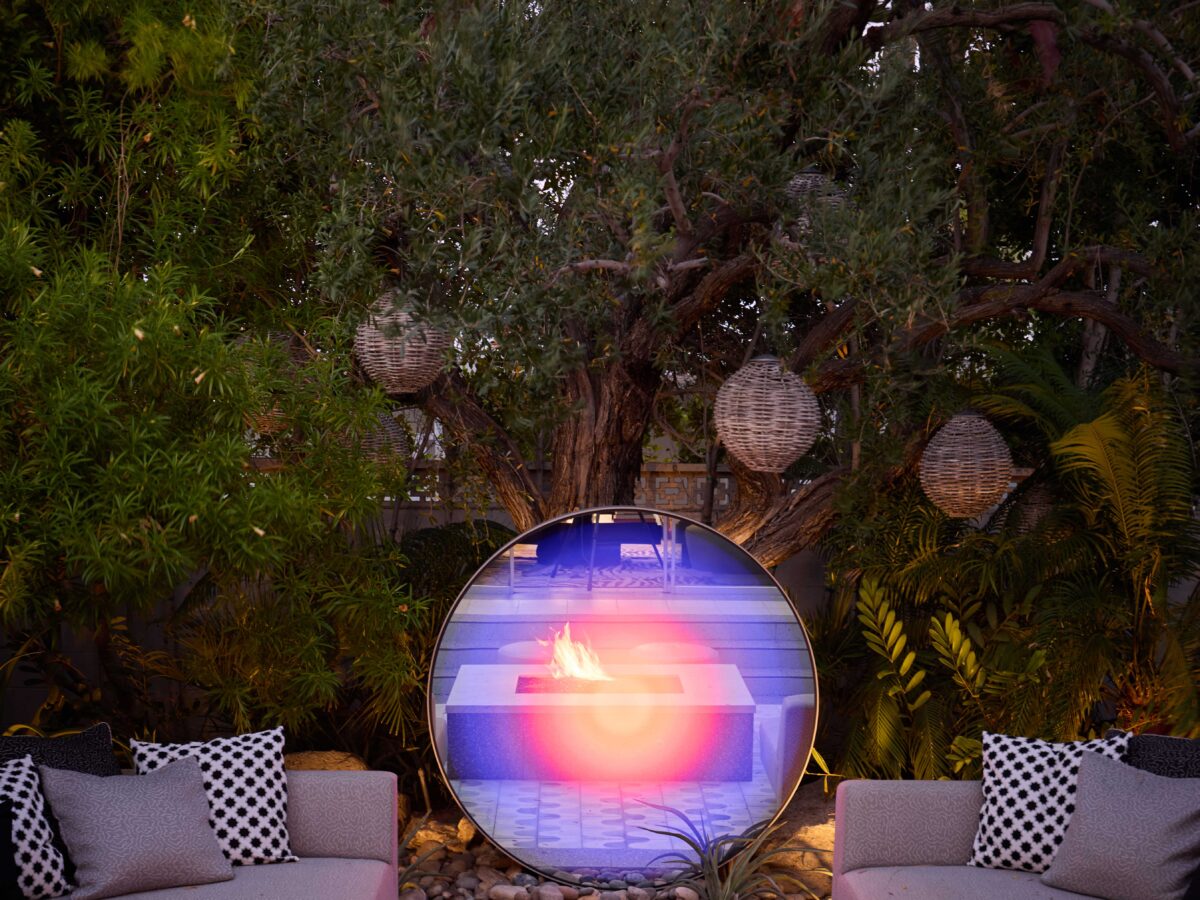
Gardens that glow after dusk are set to shine in 2026. Subtle, plant-friendly solar and LED lighting is weaving its way into beds and borders, spotlighting foliage, guiding pathways, and framing outdoor rooms. Whether it’s a soft wash of light glinting off sculptural grasses or a gentle glow tucked beneath a citrus tree, this trend blends design with utility… no electrician required.
Why we love it: Lighting redefines the garden after dark, turning familiar shapes and textures into something cinematic. It extends outdoor time, enhances safety, and brings a sense of warmth and wonder to any exterior space, no matter the size. Plus, today’s energy-efficient options are easier than ever to install and maintain.
Expert Tips: When choosing fixtures, seek out warm-toned LEDs that flatter foliage and flowers without washing them out. Think in layers: Use pathway markers to guide movement, uplights to accent architectural trees or grasses, and soft string or lantern lighting to define seating areas. Prioritize solar or low-voltage options to conserve energy, simplify installation, and keep heat levels low around plants. Above all, aim for subtlety. A little glow goes a long way in creating an atmosphere without overwhelming the night garden.
We only recommend things we love. If you buy something through our site, we might earn a commission.