4 Mistakes Interior Designers See Everywhere—and How to Solve Them
Fix those faux pas once and for all.
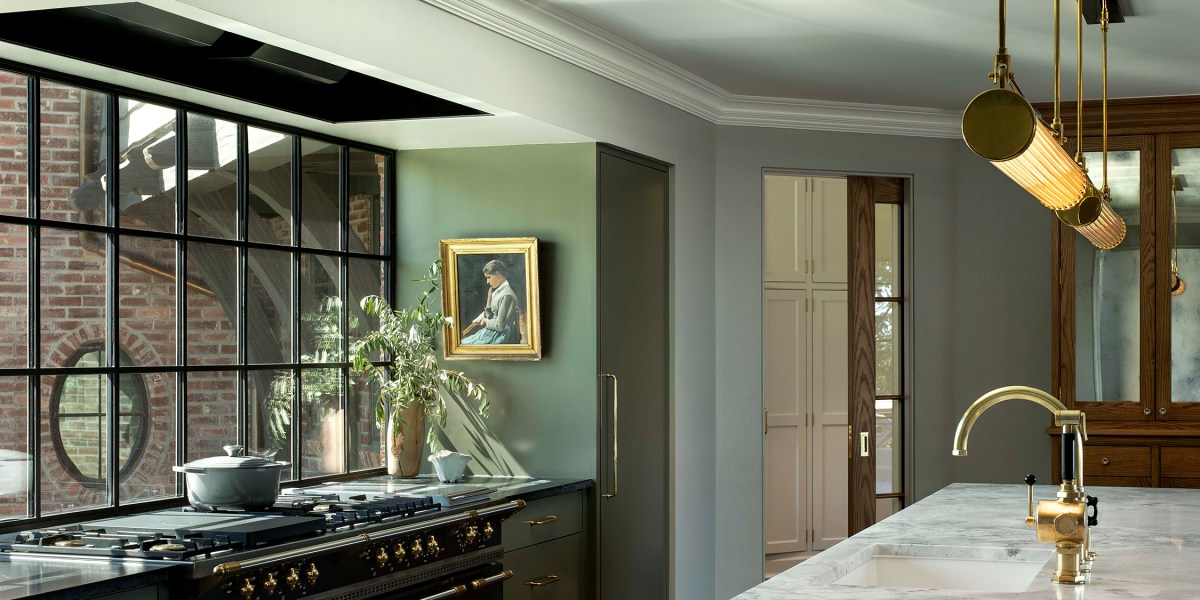
Design by JHL Deisgn; Photo by Jeremy Bitterman
Everyone makes mistakes—yes, even design enthusiasts. While a beautiful interior might lie in the eye of the beholder, one false move can throw off your entire room’s vibe. It’s easy to assume that the biggest mistakes are the most obvious, but the pros insist that some of the most egregious errors are hiding in plain sight.
But remember: Every mistake is a learning opportunity in disguise and, more times than not, can be easily fixed. That’s exactly why we tapped a few West Coast designers to share the biggest decorating mistakes they instantly spot and are asking—no, begging—you to fix once and for all. These faux pas go a step beyond an ill-placed throw pillow or a slightly crooked frame and into totally irritating territory. The good news? Once you learn from your mistakes, you’ll never, ever make them again.
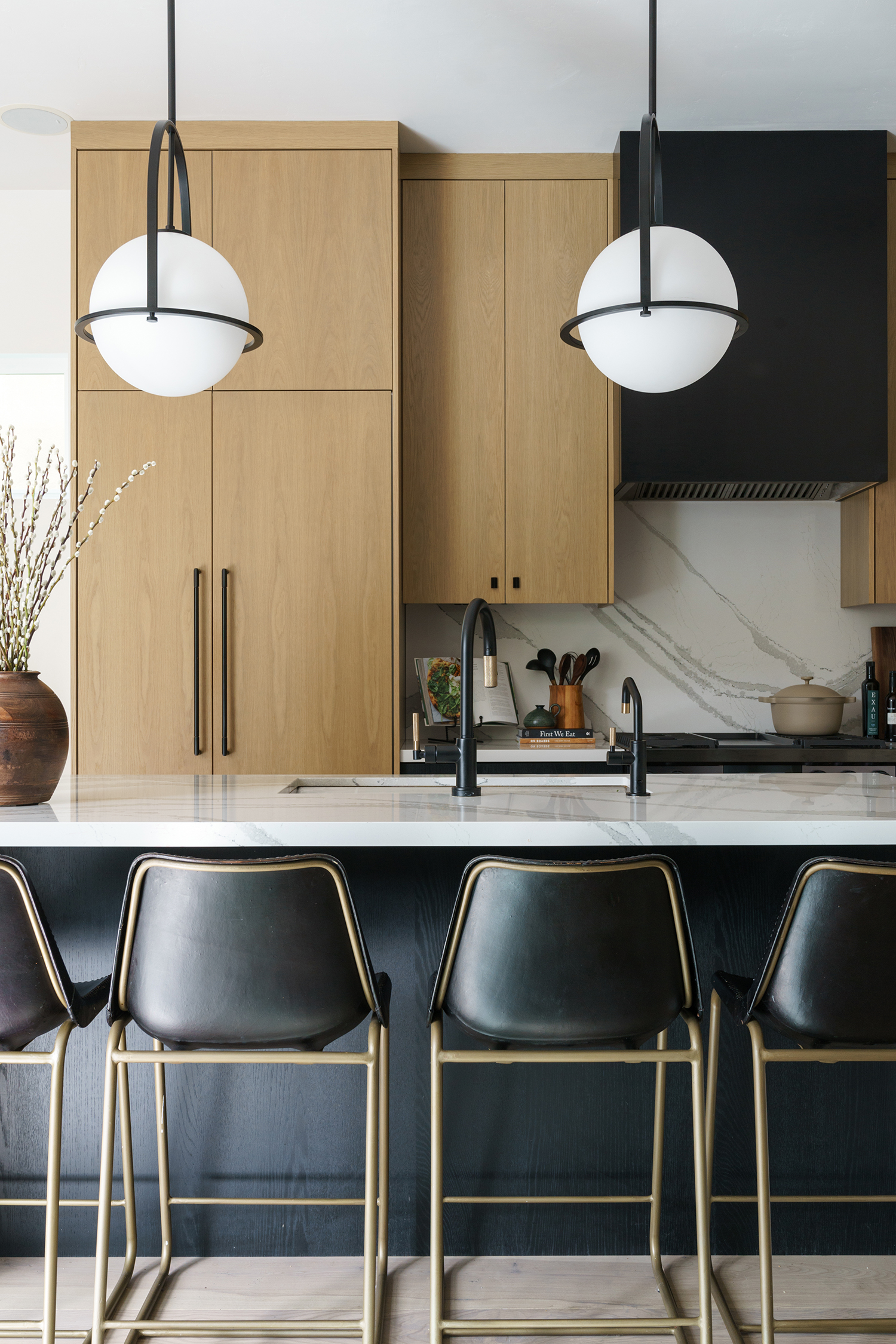
Design by High Tide Design; Photo by Charlotte Lea Photography
1. A Frumpy Fridge
A refrigerator might be a kitchen essential, but Kira Young of Hide Tide Design wants you to select your appliance with care. In fact, the Carlsbad, California, designer says an “eye-sore” can bring even the most beautiful space down instantly. “This may sound like a ‘small’ detail, but it’s actually a make-or-break element that will elevate a kitchen from basic to truly special,” she says. Instead, Young recommends opting for panel-ready appliances to seamlessly integrate the kitchen’s more practical moments. She’s particularly fond of Dacor’s column refrigerator and freezer which offers both form and function.
Design by JHL Design; Photo by Jeremy Bitterman
2. Light Bulb Blunder
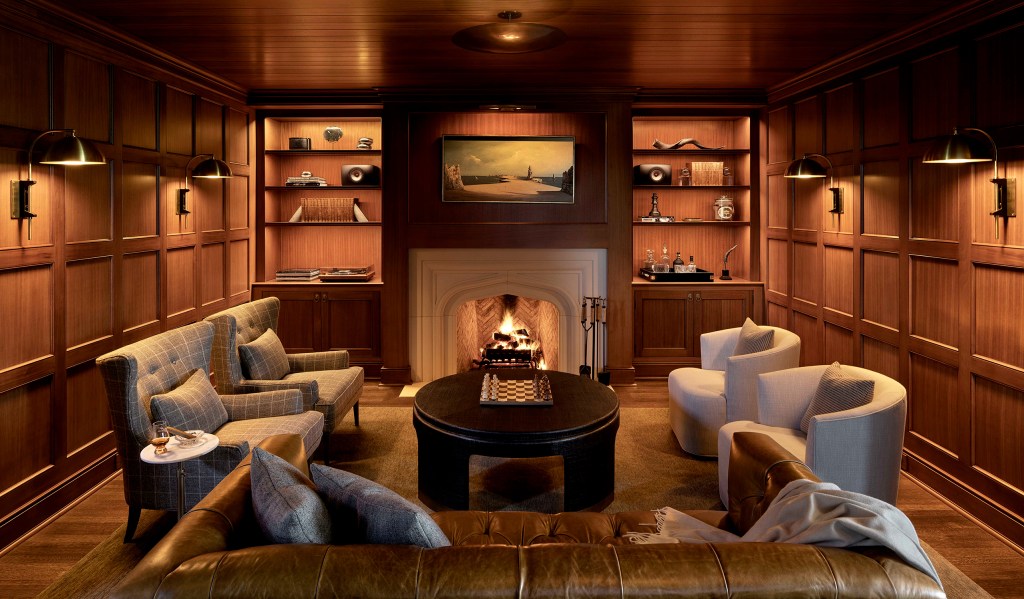
Never underestimate the power of lighting: While a gorgeous glow can help set the mood, Holly Freres of JHL Design says the wrong bulb can be a total mood-buster. “Before you reach for any light bulb on hand, remember they are not all created equally,” cautions the Portland, Oregon, designer. “Select for light temperature, which will dramatically affect how a space feels.”
She prefers warm, dimmable lighting in a relaxed, casual space as they set the atmosphere. In more task-oriented rooms like kitchens or workspaces, opt for brighter, more functional light. But, whatever you do, Freres says to avoid fluorescent lights at all costs. “[They] can instantly transform your house into a sterile-feeling doctor’s office.”
3. Cord Chaos
Speaking of bright ideas, you’ll want to think about how your light fixture interacts with the rest of the room. “Nothing is more frustrating than finally nailing the layout of a spacious floating furniture group in the center of the room, only to realize you’ve created a tripping hazard with a lamp cord snaking toward the nearest wall,” says Kristen Wolff, principal of interior design at Brandon Architects in Costa Mesa, California. “The cord can feel like an unavoidable eyesore.”
Her solution: Opt for a rechargeable, LED lightbulb. “It’s the ultimate designer hack that lets you place light exactly where you need it,” Wolff says. “No floor outlets, no extension cords, and no aesthetic compromises required. Everyone wins.”
Design by Ryan Saghian; Photo by Anthony Barcelo
4. Too Much Maximalism
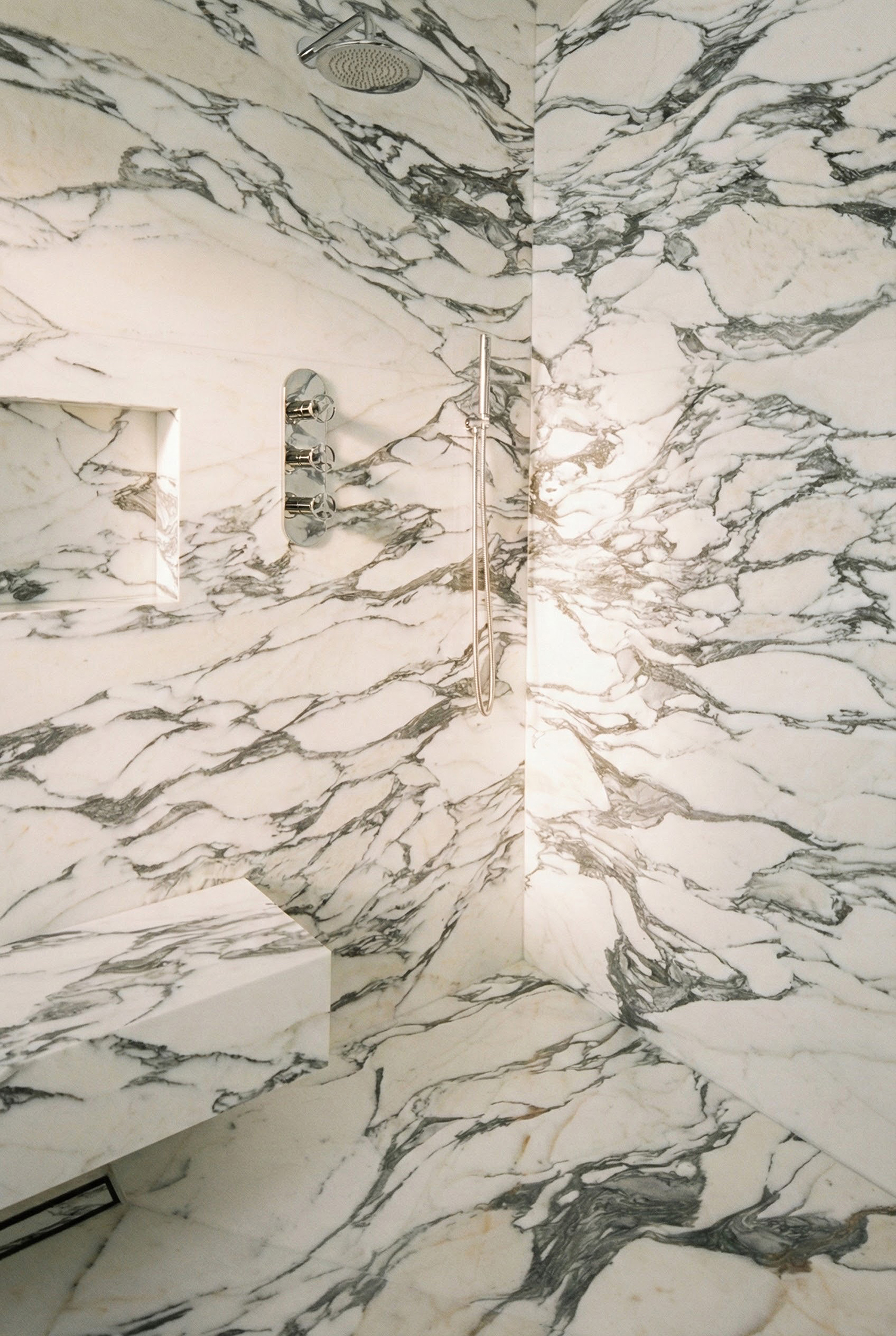
We love a bold streak as much as the next design lover, but it’s possible to have too much of a good thing. Los Angeles designer Ryan Saghian says that cramming too many elements into a confined space such as a shower or powder room can be overwhelming. “Designers start mixing five tiles, borders, mosaics, and accents, and the shower ends up feeling busy instead of special,” he says.
Rather, Saghian insists, a little bit can go a long way. “The most impactful showers usually come from restraint,” he shares. “One beautiful material used in a thoughtful way.” But why limit this rule to small spaces? From color-drenching to wood-washed kitchens, one detail can always make a big statement.