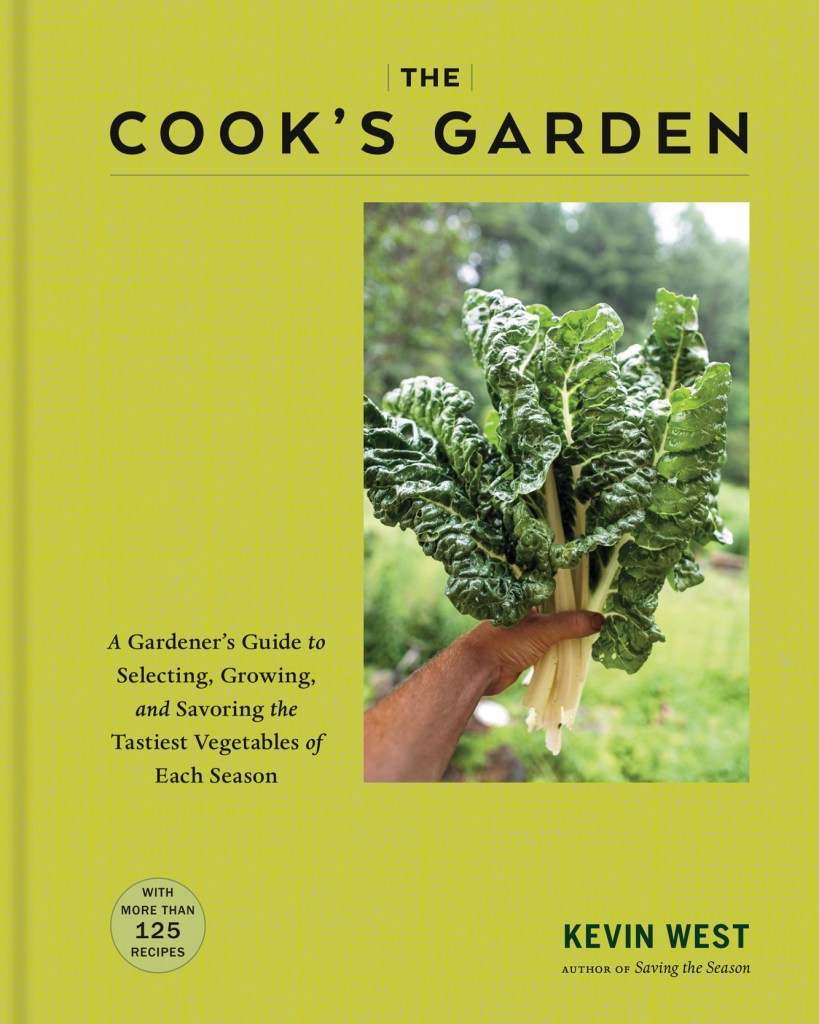
There are garden-to-table cookbooks filled with produce-forward recipes organized by season—and then there’s Kevin West’s The Cook’s Garden: A Gardener’s Guide to Selecting, Growing, and Savoring the Tastiest Vegetables of Each Season. The book doesn’t get to actual cooking until more than 100 pages in. Before the recipes arrive, West makes a poetic case for growing your own vegetables, arguing that nothing at the farmers market can rival the immediacy and flavor of produce harvested and cooked within minutes. He offers practical, well-grounded guidance on composting, tilling versus no-till methods, raised bed know-how, sowing and transplanting, and pest control, quoting Walt Whitman as naturally as he discusses soil health.
When West finally turns to the kitchen, he does so by category—beans and peas, brassicas, cucumbers and gherkins, hearty greens, and more—conjuring visions of a backyard in constant, generous rotation. The recipes are simple and deeply satisfying, designed to let vegetables shine in their micro-seasonal peak: young greens braised with spring onions; herby biscuits loaded with chives, thyme, savory, and rosemary; a risotto bright with green beans; or a watermelon and herb salad studded with cucumbers and fresh mint. Reading the book is a pleasure in its own right, and even if you never turn a spade of soil, it fosters a deeper appreciation for the plants—and the people—that grow our food. We’re sharing a few seasonal recipes from the book, which will become a go-to resource for gardeners who want to cook better and for cooks who want to garden smarter.
Get the Book
Courtesy of Alfred A. Knopf
The Cook’s Garden: A Gardener’s Guide to Selecting, Growing, and Savoring the Tastiest Vegetables of Each Season, by Kevin West (Knopf, $18).
From the Amazon description: “For Kevin West, the surest path to a successful garden leads through the kitchen door. And preparing for a fantastic meal of homegrown vegetables—the kind of meal that leaves you not only satisfied, but grateful—is just what he wants to help you learn to do.”
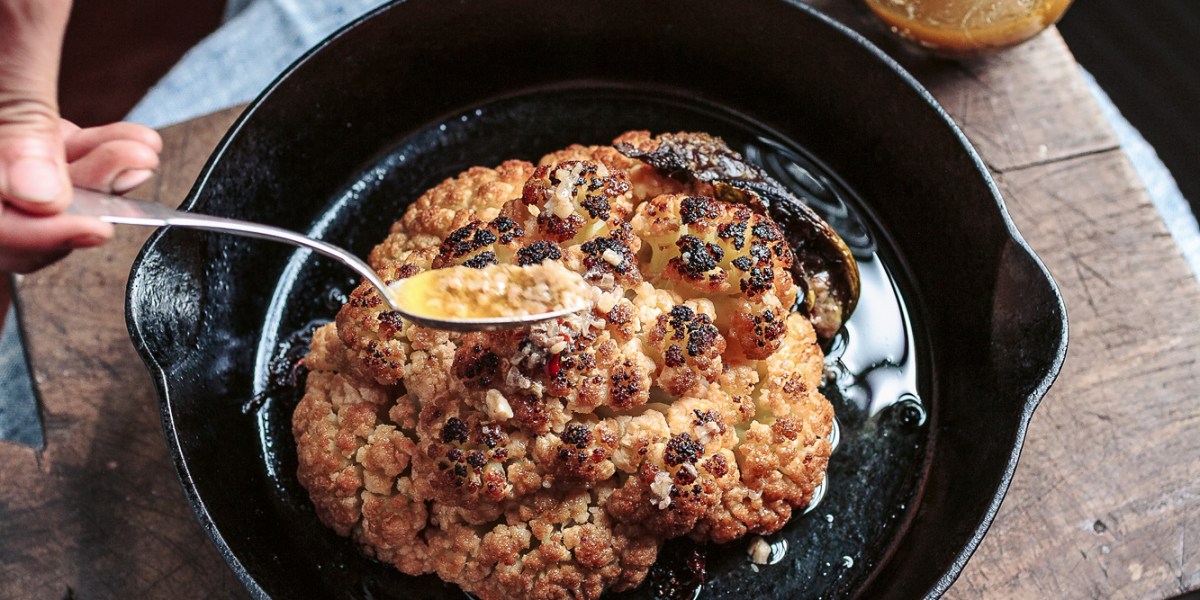
A young cauliflower plant bides its time in the garden, attractive but vague. Nothing about it suggests flamboyant maturity. The faint, powdery bloom on its glaucous leaves looks like blushing in reverse, the applied pallor of a ballerina’s face. Then something unthinkable happens. Atop the apical bud, the plant forms a clenched fist of pure white, a strange color in the garden, and punches itself into existence. The curd swells into a head. Unless quickly snatched in at this ripe moment, it will burst open over several days, flying into pieces, an explosion of flowers. Such drama!
Before that happens, seize it and roast whole until browned and tender as flesh. The dressing is a matter of taste, but cauliflower favors the bold. Splashed with bagna cauda, a potent warm sauce flavored with garlic, anchovies, and garden thyme, the head is fit to serve on a platter as the centerpiece of a garden meal. For a vegetarian option, omit the anchovies.
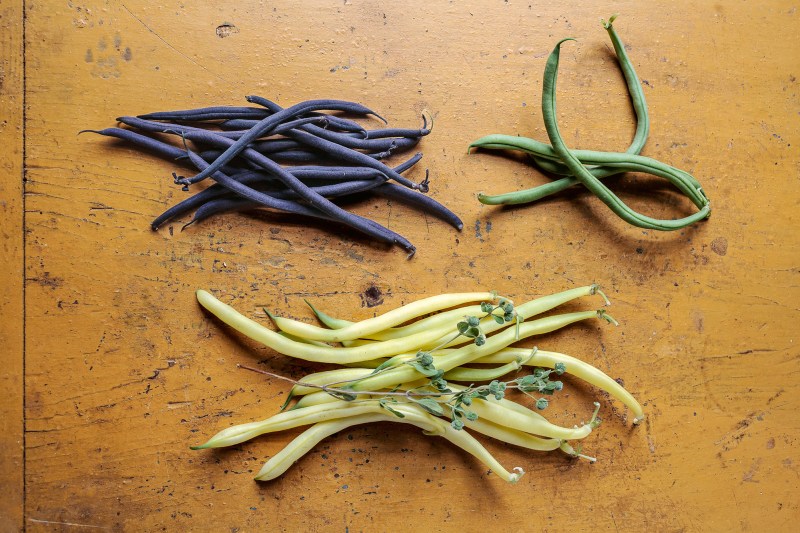
Any type of young, tender bean will work for this recipe. I like wax beans for their look, and I usually add a few of another color for contrast. I “top” the beans—trim the stem end—but leave them whole. The marinade is a quick-pickling brine; white wine and herbs give it a suave French-y vibe. Float a layer of good olive oil on top, and the beans emerge pre-dressed in a fragrant vinaigrette. My first cookbook, Saving the Season, includes more recipes for pickled green beans, alias Dilly Beans, as well as for fermenting green beans, a delicious technique for anyone who appreciates kosher dill pickles.
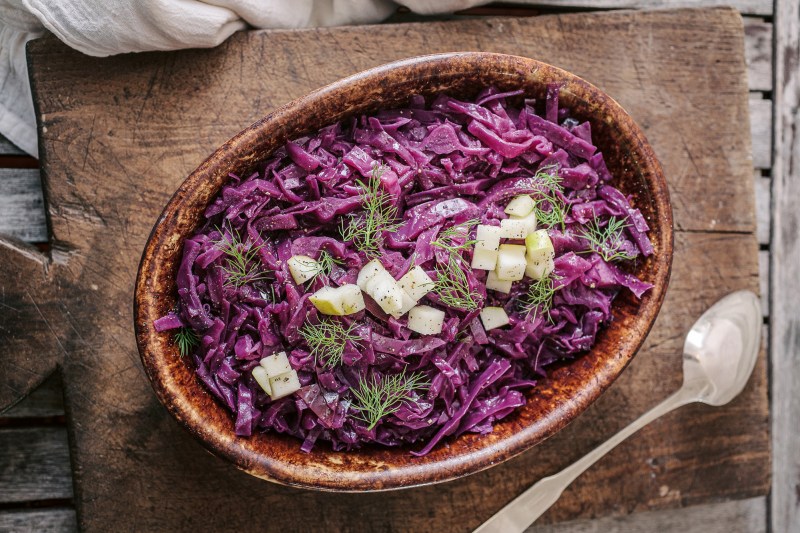
Braising red cabbage in wine preserves the color, but the flavor is reason enough. Here, I use Riesling because its residual sugar balances the acid, but other wines would work as well, including light, fruity reds. Or, improvise a nonalcoholic braising liquid with 1 pint of water, 1 tbsp red wine vinegar, and 1 tsp honey. Red cabbage is spicier and firmer than green. The densest fall-harvested varieties will require considerable cooking time. Like potatoes, cabbage absorbs fat as it cooks, becoming silky and luxurious. The sweet white miso stirred in at the end falls into the category of sneaky umami ingredients. You can do without, but it’s an ingredient worth getting to know. Here, the Granny Smith isn’t stewed but rather diced raw for a garnish.