
Small-Ship Alaska Cruises That Take You into the Wild
UnCruise’s small ships take travelers deep into wild Alaska for days of kayaking, hiking, wildlife encounters, and glacier exploration—with expert guides, excellent food, and a comfortable cabin as part of every immersive, multi-day adventure.
Courtesy of Uncruise
At dinner aboard an UnCruise ship, a member of the expedition team comes around with a different kind of menu: tomorrow’s adventures. Depending on where the captain has anchored, the weather, wildlife sightings, and what the guides discovered while scouting, the choices might include kayaking along a forested shoreline, following a naturalist through old-growth rainforest, taking a skiff toward a glacier, beachcombing, paddleboarding, or bushwhacking through a landscape without anything resembling an established trail. Choose one activity for the morning, return to the ship for a gourmet lunch and refreshing beverage, then head out again in the afternoon. Or take a skiff ride, have a glass of wine, and watch the mountains drift past. Yes, this is an expedition, but how you experience it is up to you.
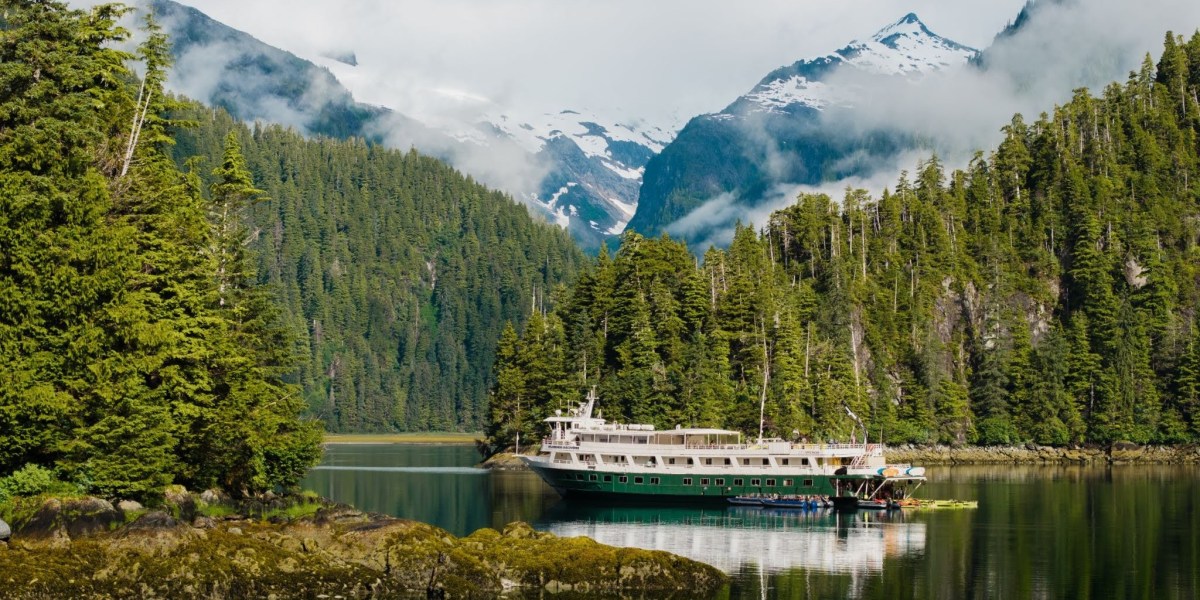
This combination of intimacy, access, and choice is the idea behind UnCruise Adventures. Its Alaska ships accommodate just 22 to 86 guests and operate more like floating wilderness lodges than conventional cruise ships. They are small enough to enter narrow waterways, drop anchor in secluded coves, and use skiffs and kayaks to bring guests into the landscape. This is not the mega-ship experience, but the way we like to travel at Sunset: actively, with full curiosity, and a deep respect for the places we visit.
The scale may be intimate, but the experience is expansive. A morning might begin with coffee as the ship slips through a misty fjord, continue in a kayak with the sound of water against the hull, and end back onboard over fresh bread made by the ship’s pastry chef. By dinner, everyone has stories. UnCruise provides a way to do more than just see Alaska. You can paddle it, walk through it, follow its shorelines, and learn how it works from people who have built their lives around understanding it.
Courtesy of UnCruise
The Small-Ship Difference
Many UnCruise Alaska expeditions begin in Juneau or other Alaskan towns. You fly into the state, board the ship, and begin exploring, rather than devoting several days of a weeklong vacation to reaching Alaska from Seattle or British Columbia. Once underway, the ship generally leaves conventional ports and tourist traps behind. The itinerary takes shape around fjords, channels, islands, glaciers, and protected anchorages where there may be no dock, road, or town in sight.
Courtesy of Uncruise
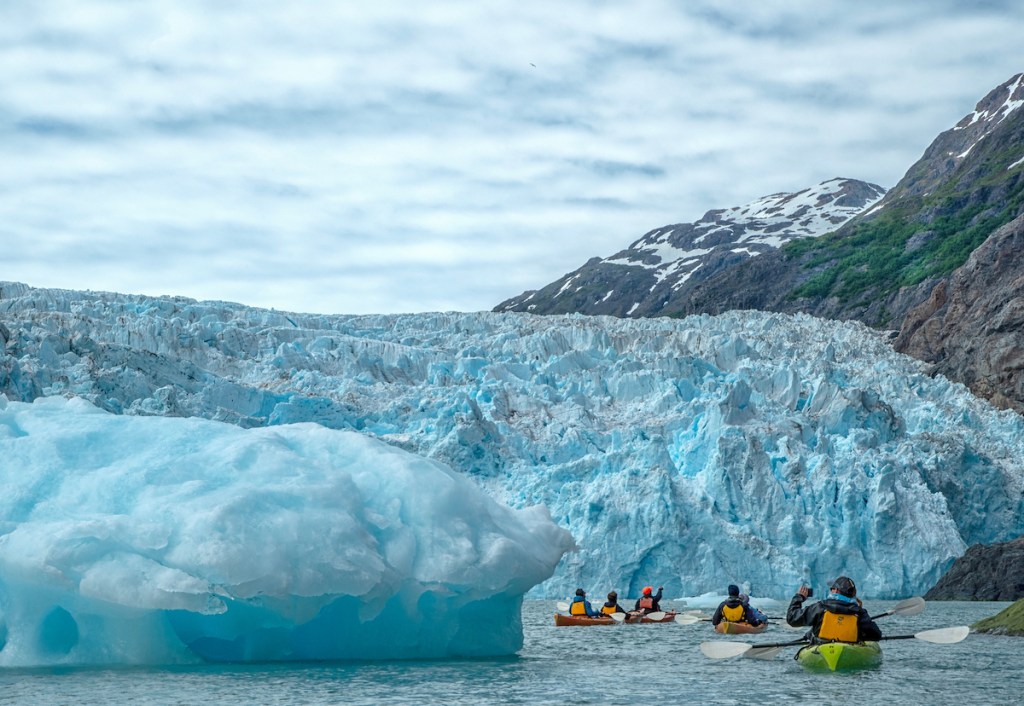
UnCruise ships can reach waterways and coves that are inaccessible or impractical for larger vessels. From there, guests head out in small groups with naturalist guides. A glacier is not simply a blue-white wall viewed from a distant deck. You might approach it by skiff, hear the cracks and rumbles of moving ice, go ashore nearby, and learn how it carved the surrounding terrain. Wildlife encounters become equally immediate. If a pod of humpback whales is feeding nearby, the captain may change direction. If conditions are ideal for kayaking in a protected inlet, the day can shift to take advantage of it. UnCruise calls this “the plan from which to deviate.” In a place governed by weather, tides, and wildlife, flexibility is not the absence of a plan but how the best experiences happen.
Uncruise
Adventure at Your Own Speed
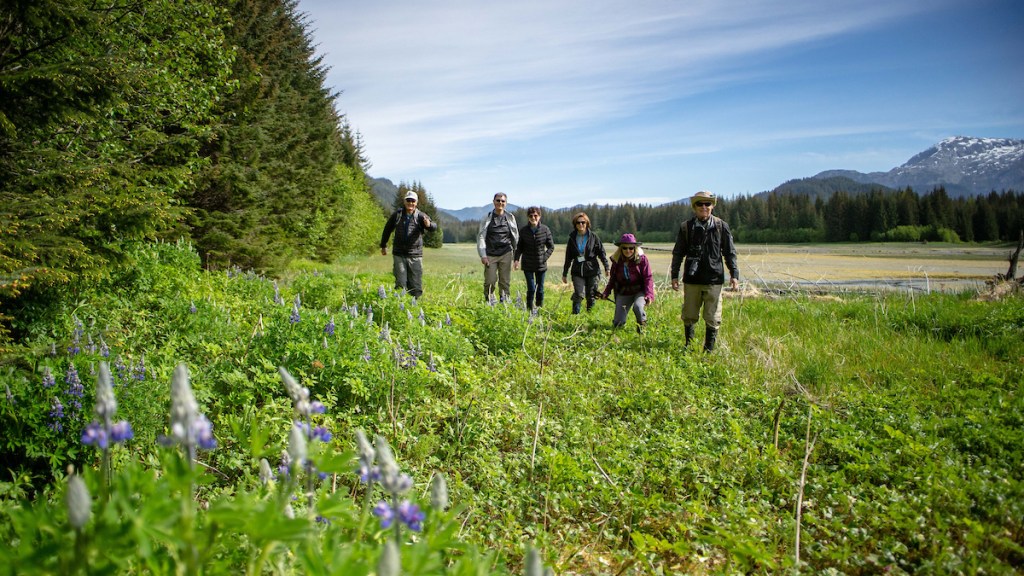
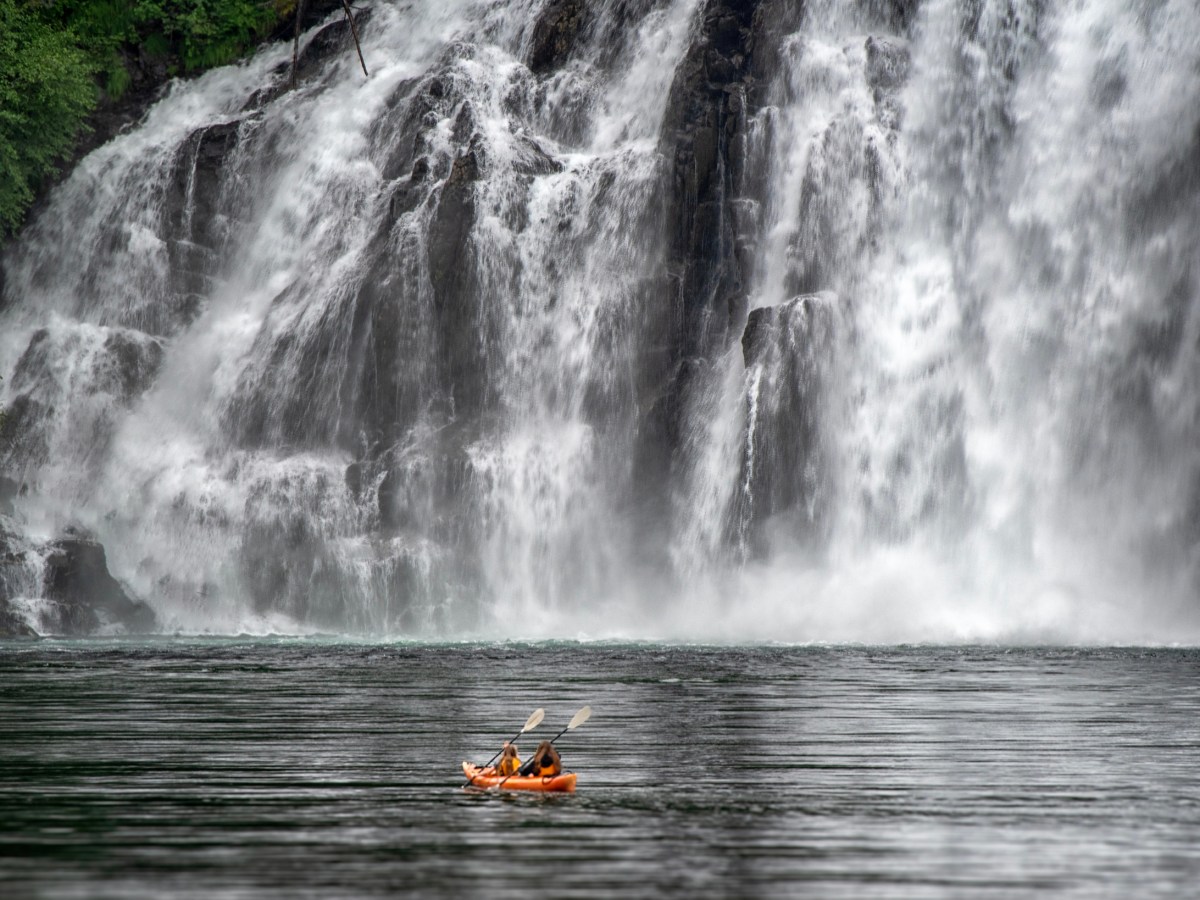
There are generally two opportunities to explore each day, but there is no requirement that everyone have the same day. One guest might sign up for a strenuous hike or bushwhack. Another can explore by skiff, take a gentler walk, beachcomb, or stay aboard and enjoy the view. Kayaking, snorkeling, and paddleboarding fall somewhere in between, offering a hands-on encounter with the landscape without requiring technical expertise, thanks to expert guides who are happy to teach guests the basics.
Courtesy of Uncruise
That range makes the experience particularly appealing to active travelers in their 50s, 60s, and 70s. These can be some of life’s best travel years: There is time to go farther, curiosity has not diminished, and neither has the desire to come home feeling that you actually did something. UnCruise provides the guides, gear, and access while allowing each guest to decide how hard to push.
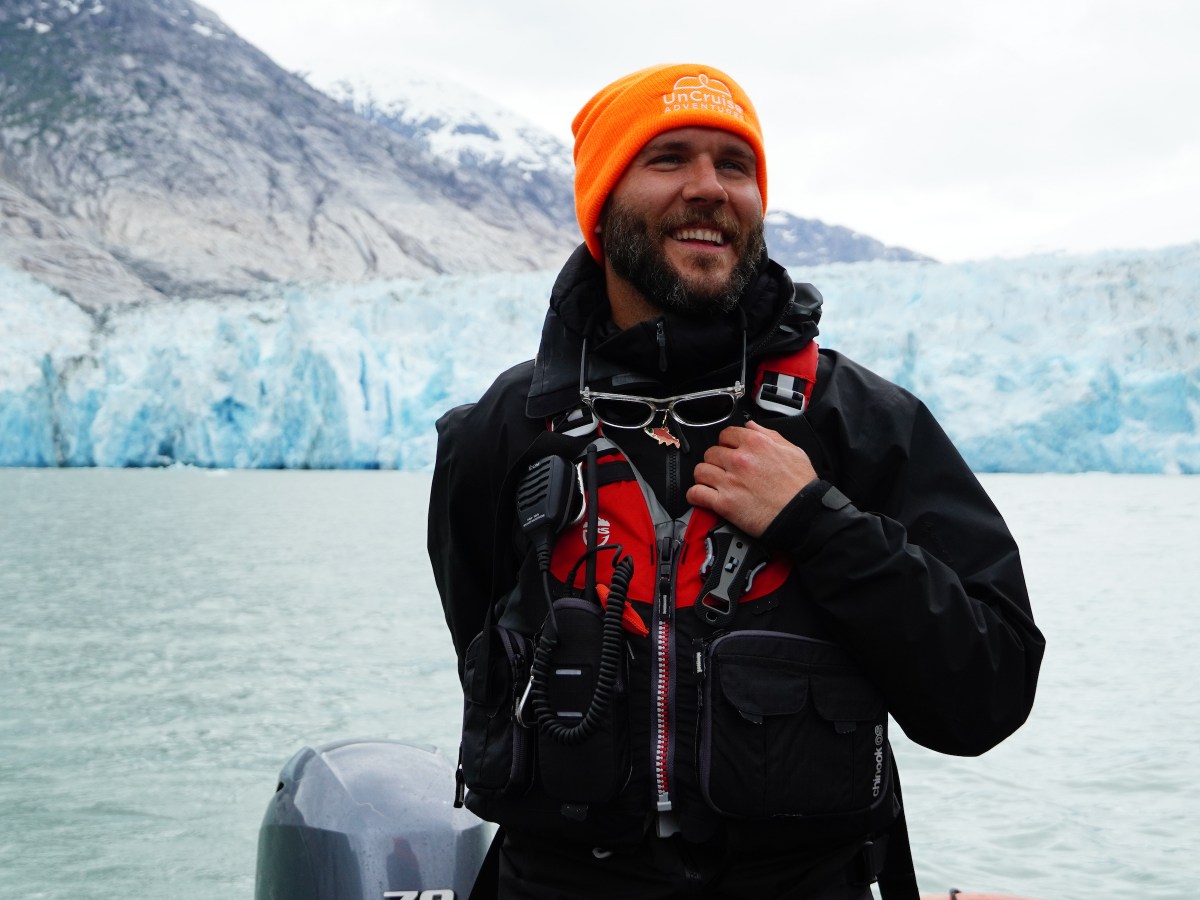
Expert guides make the outings richer. The expedition teams include naturalists with deep knowledge of marine biology, geology, botany, wildlife, and ecology. They notice the details you might otherwise miss and explain how they fit together. If guests see humpback whales bubble-net feeding, that evening’s presentation might explore how the whales communicate and coordinate the hunt. A walk through a temperate rainforest becomes a close look at the interconnected life beneath the canopy.
Courtesy of Uncruise
A Family Trip with Room to Move
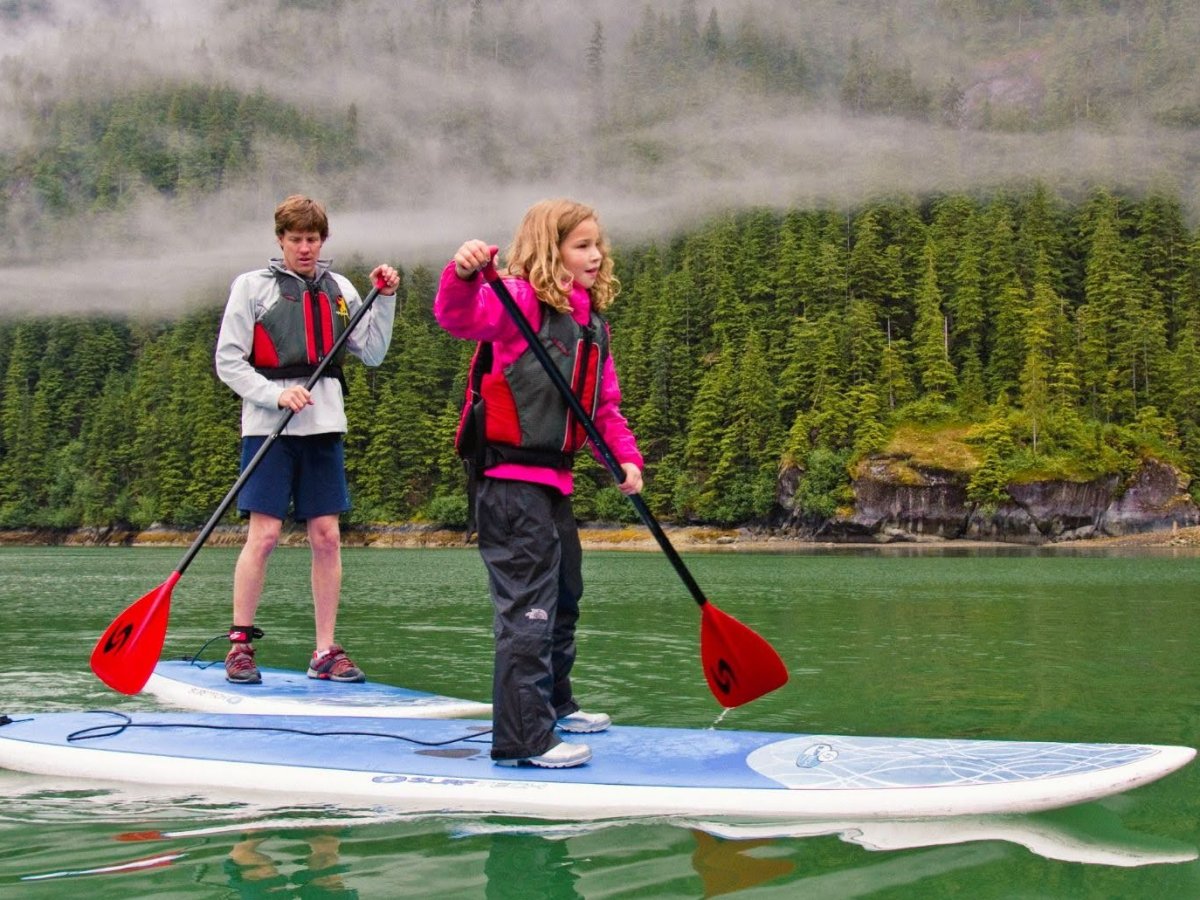
The same flexibility solves one of the enduring puzzles of multigenerational travel: how to plan a memorable trip for people with different abilities, interests, and energy levels. On an UnCruise voyage, the family shares Alaska without needing to share every activity. Grandparents might take a skiff excursion while adult children hike and grandchildren kayak. Everyone returns for lunch, compares sightings, and chooses again for the afternoon. That creates a rare balance of independence and togetherness. Nobody has to organize the day, negotiate transportation, or persuade the entire group to agree on one outing. The expedition team handles the logistics, and family members are free to have experiences of their own.
The ships are also small enough to feel personal. Crew and guides learn names quickly. Meals are open-seating, so families can dine together, mix with other guests, or do both.
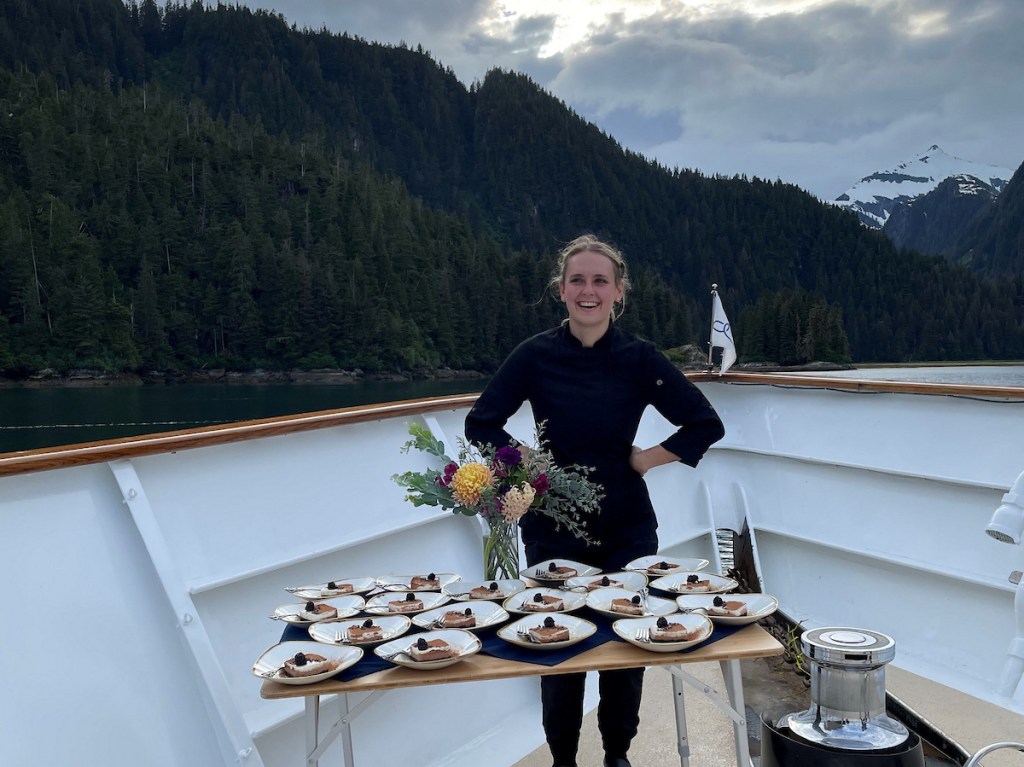
Each ship has a pastry chef, the sort of detail that may sound minor until you return from several damp hours on the water to warm bread and dessert. Wine, beer, spirits, and nonalcoholic beverages are included, along with meals, guided activities, and the necessary adventure gear. Instead of calculating the cost of each outing or deciding whether to add another experience, guests can say “yes” to the day and know the essentials have already been handled.
Courtesy of Uncruise
And because a day of paddling, hiking, and wildlife watching produces better conversation than another day of coordinating schedules, the social life onboard develops easily. Guests head out as small groups of strangers and return with a shared story. By the end of the week, the ship can feel less like a hotel and more like a very well-catered summer camp for adventurous adults and their families.
How to Choose Your Alaska
UnCruise explores several distinct regions of Alaska, but choosing a voyage need not involve comparing every inlet on every map. Start with the Alaska experience you most want, then consider the ship.
For a first visit, Southeast Alaska offers an extraordinary concentration of the state’s defining landscapes: tidewater glaciers, temperate rainforest, islands, fjords, and abundant marine life. Roundtrip itineraries make travel relatively straightforward, and some expeditions spend extended time in Glacier Bay National Park. If glaciers are the main attraction, consider Prince William Sound, located in South-Central Alaska. Roundtrip Seward voyages explore a region of steep mountains, iceberg-filled water, and one of Alaska’s greatest concentrations of tidewater glaciers. Days can include hiking, kayaking, wildlife watching, skiff exploration around remote islands, and time ashore in Cordova for hiking and exploring the town.
For travelers who have already explored Southeast Alaska—or who are drawn to the most remote place on the map—the Aleutian Islands offer a more rugged expedition. Longer voyages travel west through Kodiak and toward Dutch Harbor, following a volcanic island chain deep into the North Pacific.
The ship matters, too. The 22-passenger Safari Quest offers the intimacy of a private yacht and access to particularly secluded areas. Vessels carrying 60 to 86 guests provide a somewhat larger social circle while remaining small by any conventional cruise measure.
Courtesy of Uncruise
Beyond Alaska
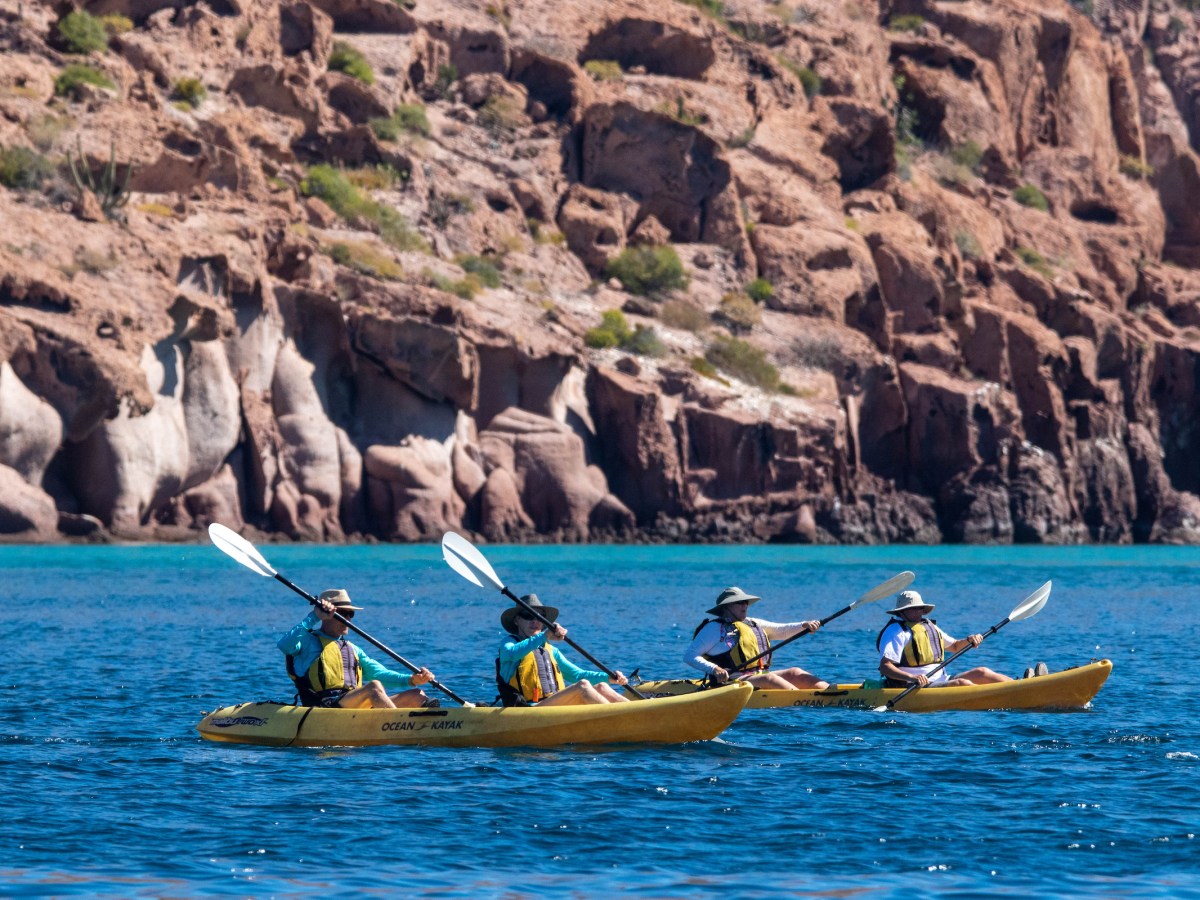
Alaska is the heart of UnCruise, but the same small-ship approach reveals an entirely different side of the Sea of Cortez in Baja that’s a convenient warm-weather alternative for travelers coming from the Western United States. Departing roundtrip from San José del Cabo, Baja expeditions trade the familiar resort landscape for volcanic islands, desert mountains, hidden coves, and the marine life of what Jacques Cousteau famously called “the world’s aquarium.” Guests might kayak along an empty shoreline, hike through cactus-studded terrain, snorkel with sea lion pups, search for whales, or take a guided mule ride with local rancheros before returning for a meal featuring ingredients sourced from local partners. Longer voyages follow the route made famous by John Steinbeck and Ed Ricketts, pushing deeper into the remote islands and ecosystems of the gulf. UnCruise brings the same intimate, active style of travel to other wild corners of the West and beyond, with four-island expeditions in Hawaii, wildlife encounters in the Galápagos, and jungle hikes, snorkeling, and coastal explorations in Costa Rica and Panama.
But Alaska is where the UnCruise story began, and it remains the fullest expression of the idea: a small ship carrying you deep into a vast landscape, expert guides helping you understand what you encounter, and the freedom to experience it at your own speed. That might mean paddling across a quiet cove, stepping ashore in a forest without a trail, and then returning to the ship for a hot shower, a cocktail, and dinner. By the time dessert arrives, tomorrow’s possibilities are already making their way around the room.
Explore UnCruise Adventures’ expeditions at UnCruise.com.
