
Lost Your Passport While Traveling? Before You Panic, Do This.
A travel expert walks you through this travel nightmare.
kieferpix/Getty Images
Nervous travelers can tell you there are a lot of things that can go wrong on a flight. What if there’s severe turbulence? What if someone has a medical emergency 35,000 feet in the air? And don’t even get us started about cancelled flights, labyrinth TSA lines, and the possibility of gate-checking your bag. However, if you’re going abroad, the biggest thing you have to worry about is losing your passport.
If you lose your passport when you’re home and have no plans to travel internationally, it’s still a problem, but one that’s slightly easier to navigate in your neck of the woods. But when you’re abroad? Well, you have places to go, language barriers to overcome, and eventually need to get home.
“Your passport is your most important travel document,” says Karen Schaler. “It’s your proof of identity, your proof of citizenship, and your ticket home.”
As a three-time Emmy Award-winning creator of Travel Therapy TV, Schaler has seen it all—and offers helpful tricks for navigating the biggest jetsetting blunders. Below, she’s sharing what you need to know about losing your passport. Though this predicament sounds like it’ll make even the dreamiest vacation nightmarish, Schaler insists that doesn’t have to be the case. “If you’re prepared and act fast, it doesn’t have to ruin your trip,” she says.

Alla Machutt/Getty Images
Know Your Resources
Think of jotting down your destination’s embassy information like packing an umbrella: We certainly hope you’ll never need it, but having it handy will give you some peace of mind. “I always do this before I travel,” she explains. If I ever have any problems I already have that information and I’m not looking for it last minute when something goes wrong.” Fortunately, all that critical information is just a quick web search away. For example, American citizens can find everything they need on the U.S. Department of State’s website.
Peace of mind aside, Schaler says the local embassy or consulate should always be your first call if your passport goes M.I.A. “Every country has its own rules and timelines, so you need to contact the local consulate or embassy immediately and find out your options for the quickest way forward,” she says.
Bring a Backup
While Schaler says it’s important to treat your passport like “the VIP of your trip,” it’s important to pack another form of identification such as a driver’s license or passport card. “If your passport is lost or stolen, you’re going to need to prove your identity when you apply for a new one,” she reasons. “Even though a passport card can’t be used for international air travel, it is an official U.S. travel document that can be used to prove your identity and citizenship.”
Schaler also encourages you to carry a copy of the front page of your passport and keep it separate. Though taking a quick picture on your phone seems like the easiest way, it’s not necessarily the smartest. Think of it this way: If a bag that contains your phone and passport is stolen, you lost your backup identification.
“I always send a copy of my passport’s front page and back page with the barcode to myself in a password protected PDF in an email,” she recommends. “Leave a copy with family or friends, so you have multiple ways to access it if needed.”
Courtesy of Amazon
Keep It Safe
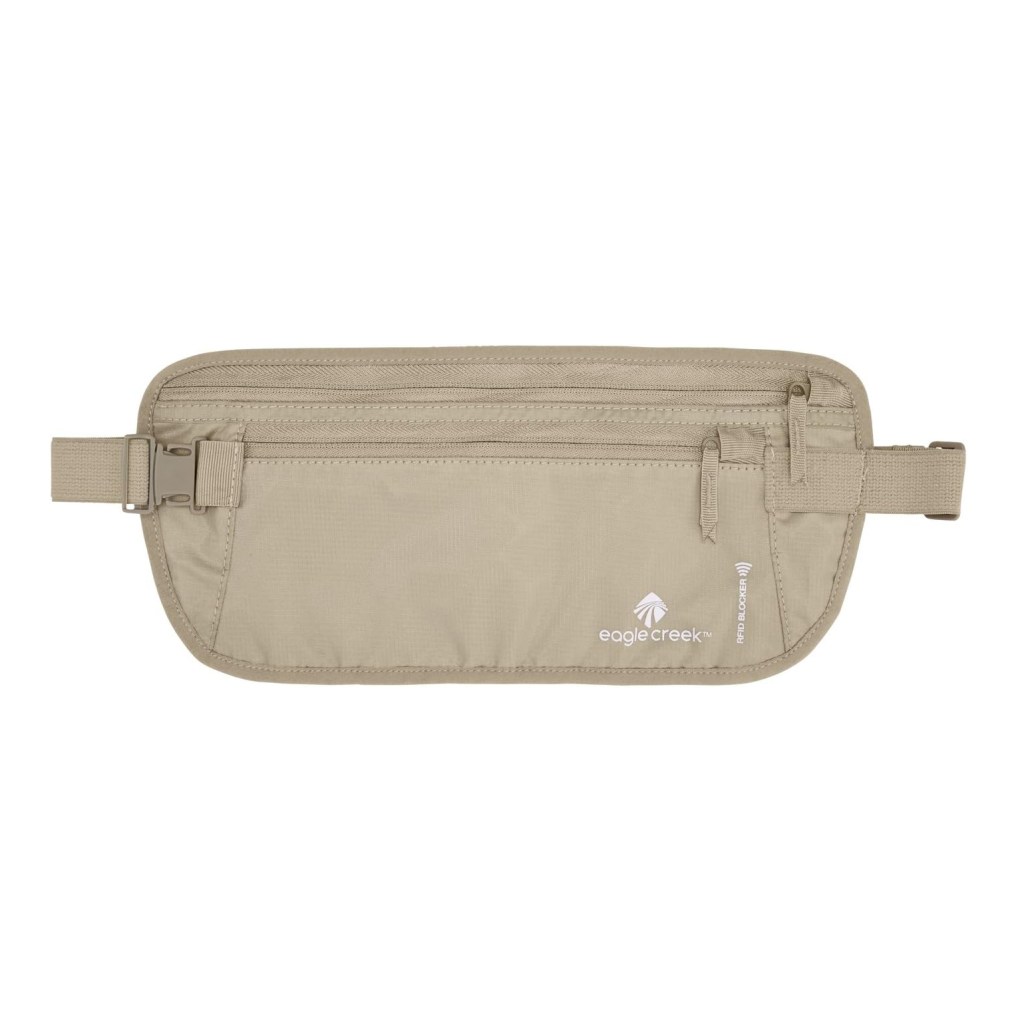
It’s possible to accidentally misplace your travel documents, but please watch out for pickpockets. When walking around with your passport in hand, Schaler takes an “out of sight, out of mind” mentality. “If a pickpocket can’t see it, they can’t get it,” she explains. “People think they’re safe with a crossbody bag but if a thief can see it, they can still cut the strap and grab it.” Ditto for a fanny pack. Instead, she suggests wearing a holder around your neck that’s tucked inside your shirt or a moneybelt under your clothes.
Should you have your passport stolen on the go, filing a police report isn’t mandatory, but Schaler says having the incident documentation doesn’t hurt. “Report it to the local police department and keep a copy of your police report for when you apply for a new passport,” she says.
Left your passport at your accommodations? Keep it somewhere safe. “Leave it in your hotel safe, not in your luggage in the hotel where someone could have access,” she says. Most Airbnbs don’t have safes, so consider hiding it in a secure place such as a suitcase with a built-in lock or an inconspicuous hiding spot.