
No Reservations Are Making National Parks More Chaotic Than Ever. Here’s Where to Go Instead.
These adjacent wildlands deliver all the magic of nature minus the crowds.
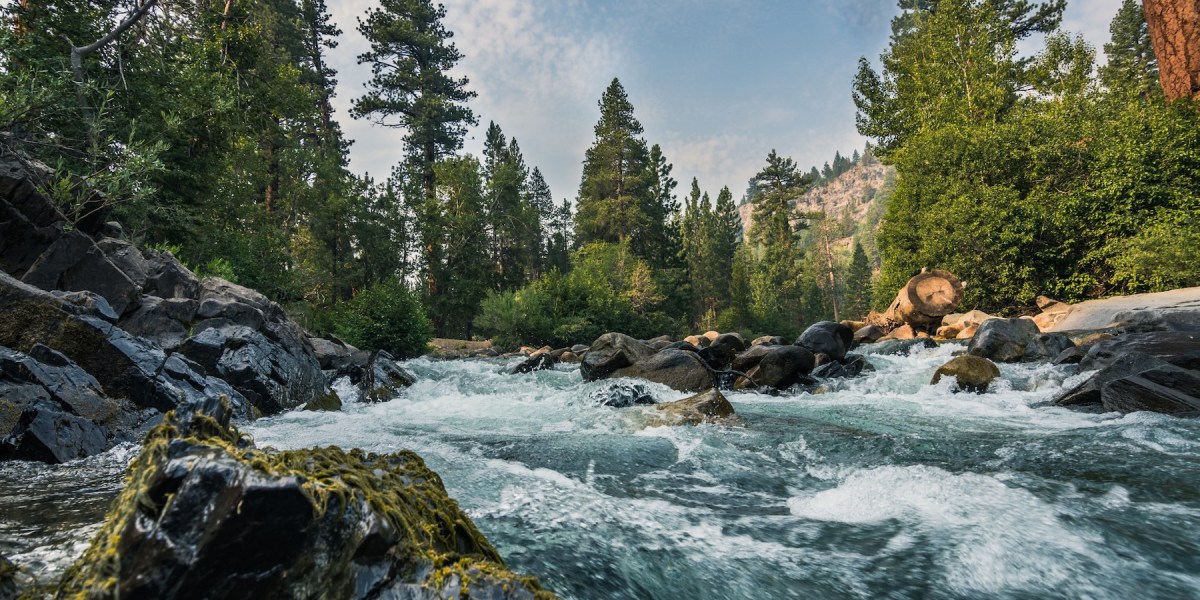
Stanislaus National Forest; Photo by Getty Images
Stanislaus National Park during the summer.
The timed-entry systems are gone. The reservation windows have closed. And if you were expecting that to mean a more relaxed experience at America’s most iconic parks this summer, the parking lots at Yosemite and Zion have another story to share. Visitation at the top five parks hit nearly 50 million people in 2025 alone, and with fewer barriers to entry than ever, summer 2026 is shaping up to be worse.
But there’s a silver lining to all this mess. Turns out, the most stunning landscapes in the West aren’t locked inside park boundaries. National forests share borders, and in many cases, the same mountains, rivers, and wilderness, with the country’s most overcrowded parks, have no entry fees, no timed entry, and no crowds to speak of. And as an added bonus, spreading out foot traffic means less impact on singular areas within the parks’ ecosystems. Here’s where to go instead.
deedeelim_1706/Getty Images
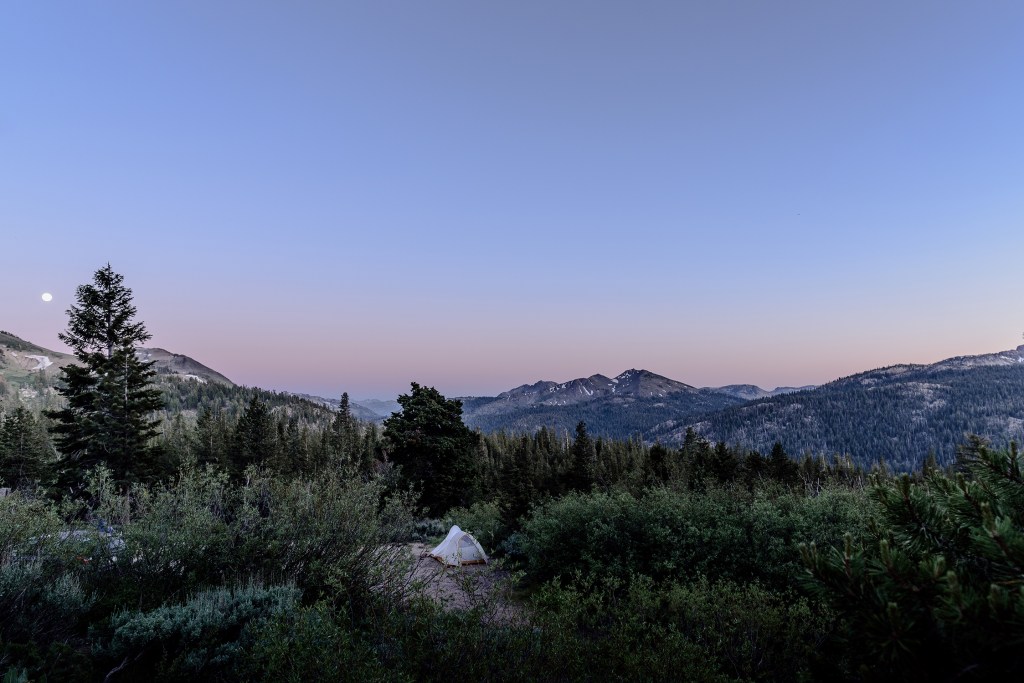
Instead of Yosemite: Stanislaus National Forest
Stanislaus sits northwest of Yosemite, shares the same Sierra Nevada granite, and has the kind of solitude that Yosemite Valley hasn’t seen since the 1970s. The Emigrant Wilderness offers high-alpine lakes and exposed ridgelines with zero permit lottery required. Dispersed camping is allowed throughout, meaning you can park yourself next to a river with no reservation, no fee, and no one fighting you for a spot. The Nelder Grove, a colony of giant sequoias tucked inside the forest, typically sees a fraction of the visitors that Yosemite’s sequoia stands draw, and it’s just as magnificent.
Getty Images
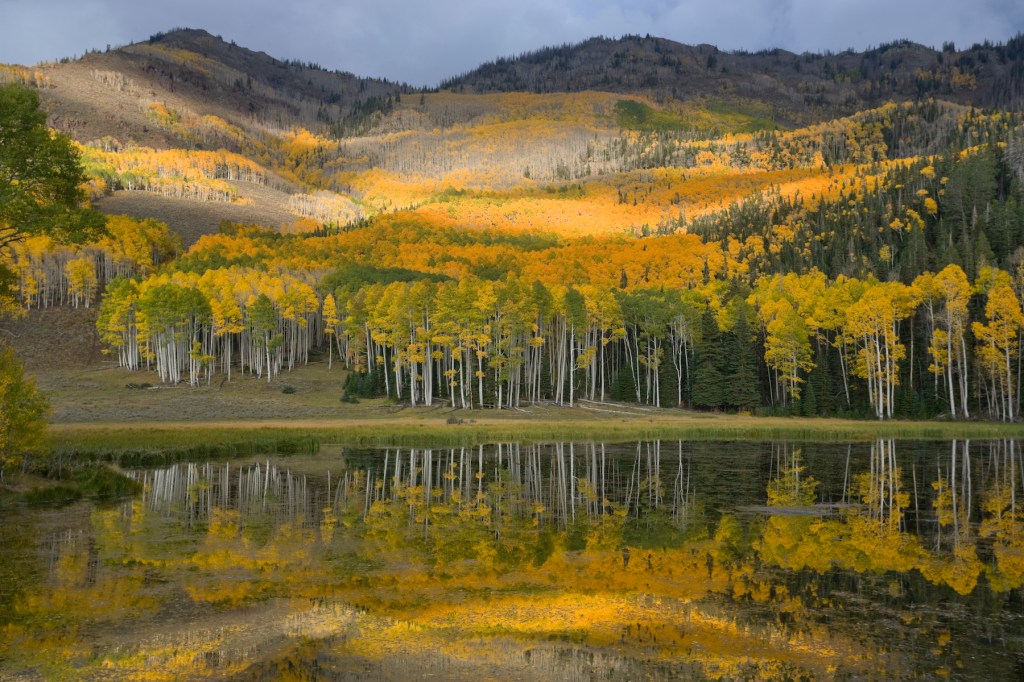
Instead of Zion: Fishlake National Forest
Zion became the second most visited national park in the country in 2025, which means the Narrows now looks less like a slot canyon and more like a theme park. Fishlake National Forest, spread across south-central Utah, has the same red rock terrain with none of the infrastructure—and it’s home to Pando, a 106-acre aspen clone that is considered one of the largest living organisms on Earth. Hiking, dispersed camping, and ATV trails wind through landscapes that are every bit as dramatic as Zion’s, with the added bonus of actually being able to hear yourself think.
Getty Image
Instead of Grand Canyon: Kaibab National Forest
Kaibab wraps around the Grand Canyon on both the North and South rims, which means the views are essentially the same—minus the traffic backup at the entrance gate. The forest sits at higher elevation than the canyon floor, which translates to cooler temperatures in summer and some of the darkest skies in the Southwest. Four designated wilderness areas cover more than 114,000 acres managed specifically for solitude. For anyone who has sat in a Grand Canyon parking lot for 45 minutes, Kaibab feels like a revelation.
Tetra Images/Getty Images
Instead of Yellowstone: Gallatin National Forest
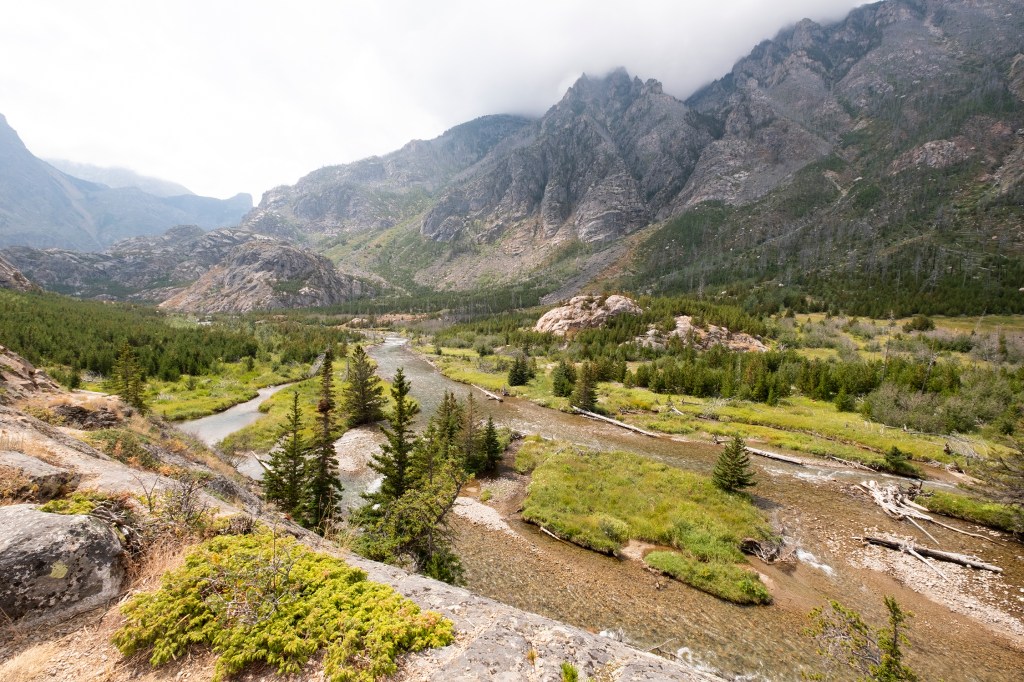
Gallatin borders Yellowstone on three sides, which means the wildlife, the geothermal features, and the sweeping Montana landscapes don’t stop at the park boundary—the crowds mostly do. The forest covers more than 1.7 million acres and includes the Absaroka-Beartooth Wilderness, one of the largest wilderness complexes in the lower 48. Bison, elk, and grizzly bears move freely between the park and the forest, so the wildlife viewing is legitimate. The difference is that you can pull off the road and set up camp without a reservation system telling you otherwise.
Erik Hecht/Getty Images
Instead of Olympic: Mt. Baker-Snoqualmie National Forest
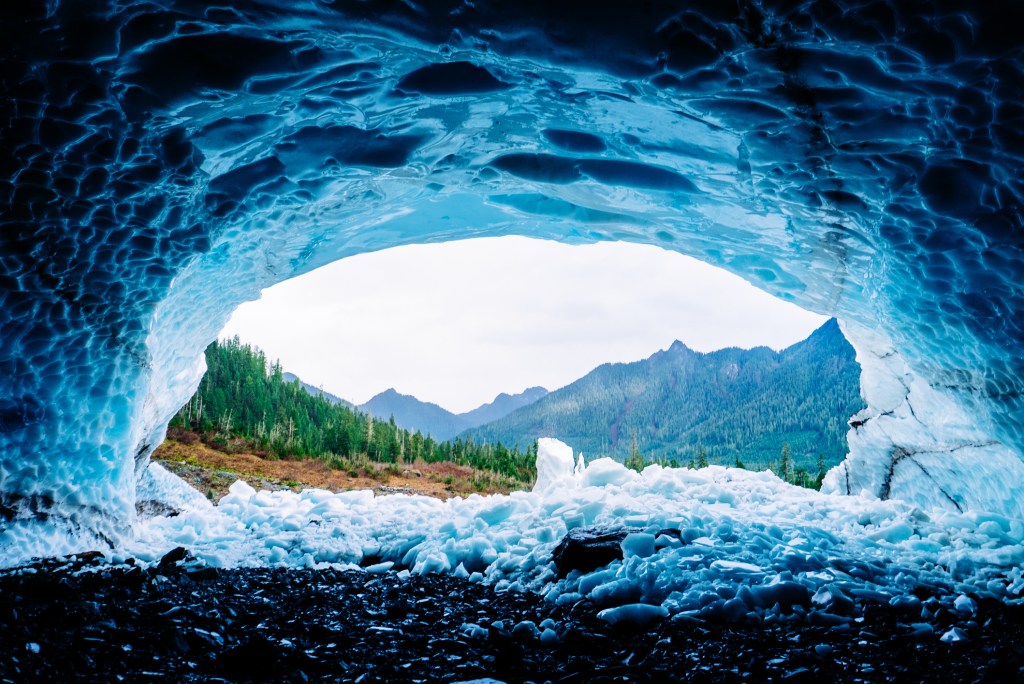
Olympic National Park set an all-time visitation record in 2025, up 22% from the year before—the biggest single-year surge of any park in the top 10. Mt. Baker-Snoqualmie, which runs along the western slope of the Cascades from the Canadian border down to Mount Rainier, has the same old-growth forest, glaciated peaks, and wild coastline access that makes Olympic worth the trip. The Mount Baker area in particular offers some of the most dramatic alpine scenery in the Pacific Northwest, and the Artist Point trailhead rivals any viewpoint in the national park system for sheer visual impact.