
How to Make the Perfect Martini, According to Bartenders
We’ll say “cheers” to these genius tips.
Jenner Images/Getty Images
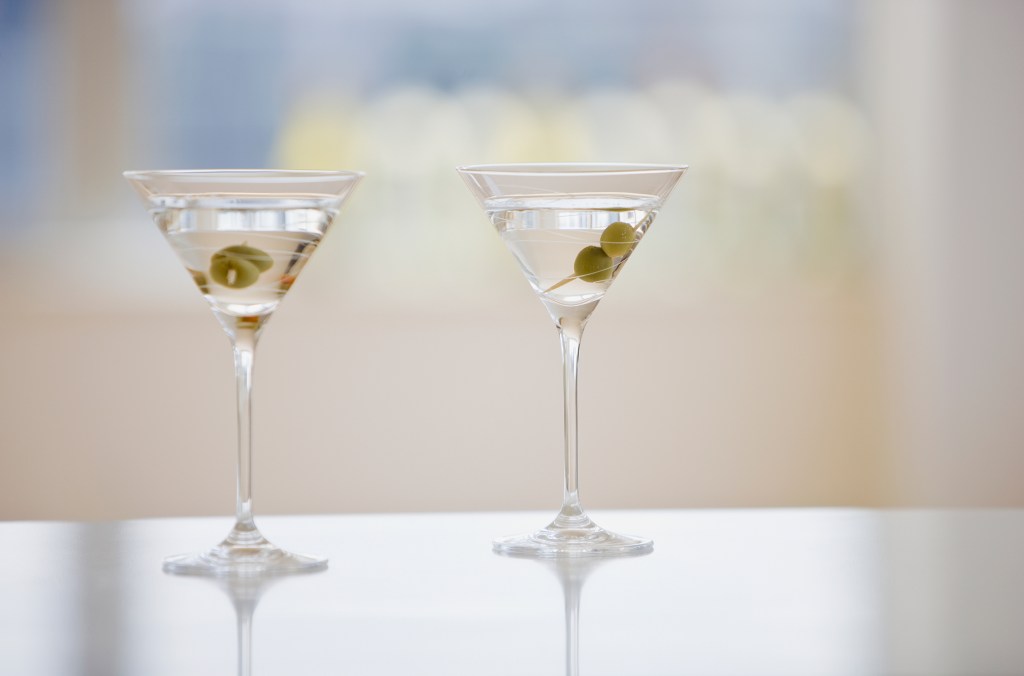
Though most bars are brimming with trendy, fat-washed cocktails and seasonal sips, you can rarely go wrong with a martini. Think of the beverage as the boozy-equivalent of a Rolls Royce: It’s luxury and class in a very cool-shaped glass.
Martinis might be a consistent crowd-pleaser, but how you make them is up for debate. Do you use vodka or gin? Dirty or dry? Shake it or stir? And what about the garnishes? For Zack Vernon, lead bartender at Rusty Parrot’s Wild Sage Bar in Jackson, Wyoming, there’s technically no right answer. “At the end of the day, preference matters most,” he says. “Whether you like it dirtier, drier, or with a twist, the ‘perfect’ martini is the one you actually enjoy drinking.”
That said, if you want to take your at-home recipe to the next level, you’ve come to the right place. We asked the pros who make some of the best martinis on the West Coast for their surefire tips. From top-tier ingredients to mastering the stir, their advice is totally toast-worthy.
Tetra Images/Getty Images
Go (Mostly) with Gin
We’re ending the vodka versus gin debate once and for all: Everyone has their preferences, but many insiders prefer gin. “Since a martini is such a spirit-forward cocktail, using a high-quality gin makes a noticeable difference in the final product,” Vernon says.
Gin is “the star of the show,” so he typically reaches for Nolet’s Private Reserve Gin, a limited-production spirit that releases 500 bottles per year. “What really sets this gin apart is its use of saffron as a dominant botanical instead of the more traditional juniper-forward profile,” Vernon says. “The martini itself is intentionally simple: We keep it classic to highlight the gin.” No wonder Wild Sage Bar charges $80 for its elite martini.
That said, there are a few exceptions. Tabatha Mohn, bar manager of Left Door in San Francisco, says vodka pairs nicely with a dirty martini.

Nicola Parisi
Invest in Vermouth
Speaking of which, mixologists are asking—no, begging—you to up your ingredients. “Vermouth isn’t that dusty bottle your parents kept in the cupboard, pulling out for the annual party,” says Catie Steinmetz of the Holbrook House, a must-visit for martini lovers in San Francisco. “Today, there are incredible options with bright, fun, complex flavors.”
Not only is vermouth a key part of a martini, but Mohn also calls it a “living, breathing ingredient,” adding that, “It’s full of organic materials and it oxidizes quickly, even in the refrigerator. Think about how long you’d keep an open bottle of white wine in the fridge. Maybe three to five days. Same rule applies here.” Mohn recommends buying a 375 milliliter bottle versus a larger 750 milliliter alternative. “You’ll go through it faster, which means it’ll always be fresh,” she notes.
Also, don’t skimp on quality. Steinmetz is partial to Veso, a vermouth distilled on Treasure Island in the Bay Area that has some “really interesting ones such as miso, tomato, and anchovy.”
Courtesy of Williams Sonoma
Ace the Shake or Stir
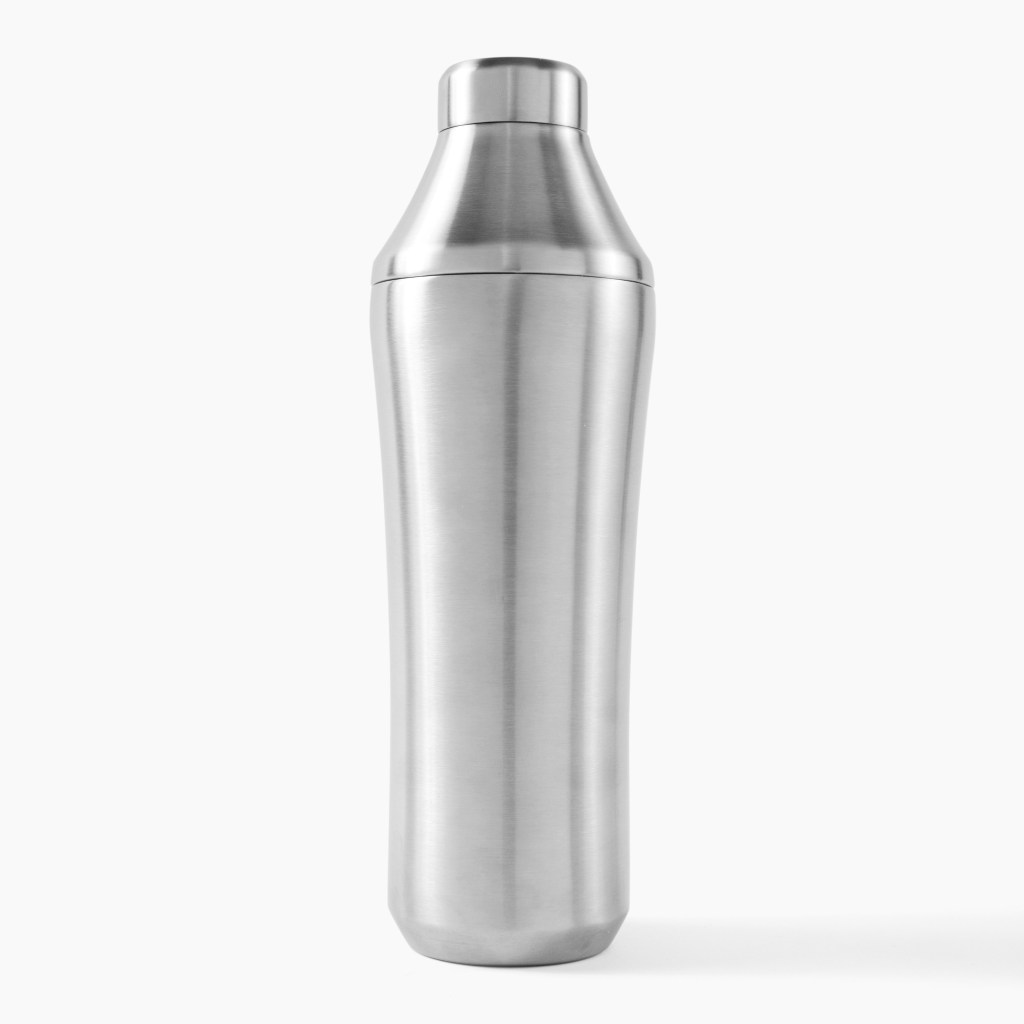
James Bond might prefer his martinis shaken, not stirred, but should you? For Den Stephens, owner of Oakland’s martini-centric bar Tallboy, each method yields different textures. “The act of stirring creates a viscous, round, almost creamy texture, while a shaken martini will be aerated, lively, energetic,” he says. “Think about it like drinking water from a peaceful creek or a cascading waterfall. It’s the same water, just in different states.”
Elbow grease is integral for a well-shaken martini. “The number one tip is to shake hard,” Stephens shares. “Don’t be shy with this. The point is to slam that ice around the liquid in your tin. You’re trying to wake your drink up, not put it to sleep.”
Meanwhile, if you’re stirring, Steinmetz says to aim for 30 turns around the glass. “That extra time isn’t just for show,” she says. “Proper dilution is key. Water helps the flavors marry, creating a crisp, balanced martini.”
Courtesy of CB2
A Swift, Stone-Cold Serve
Whether you shake or stir, you need to pour your martini, stat. According to Stephens, the longer your libation sits on ice, the more diluted it will become. “If you’ve ever been to a steakhouse where they shake your martini, pour some into the glass, and give you the shaker tin with the rest, you know what I’m talking about,” he explains. “While it’s a cute move, that second pour you do out of the tin some 15 minutes later is always watery and disappointing.”
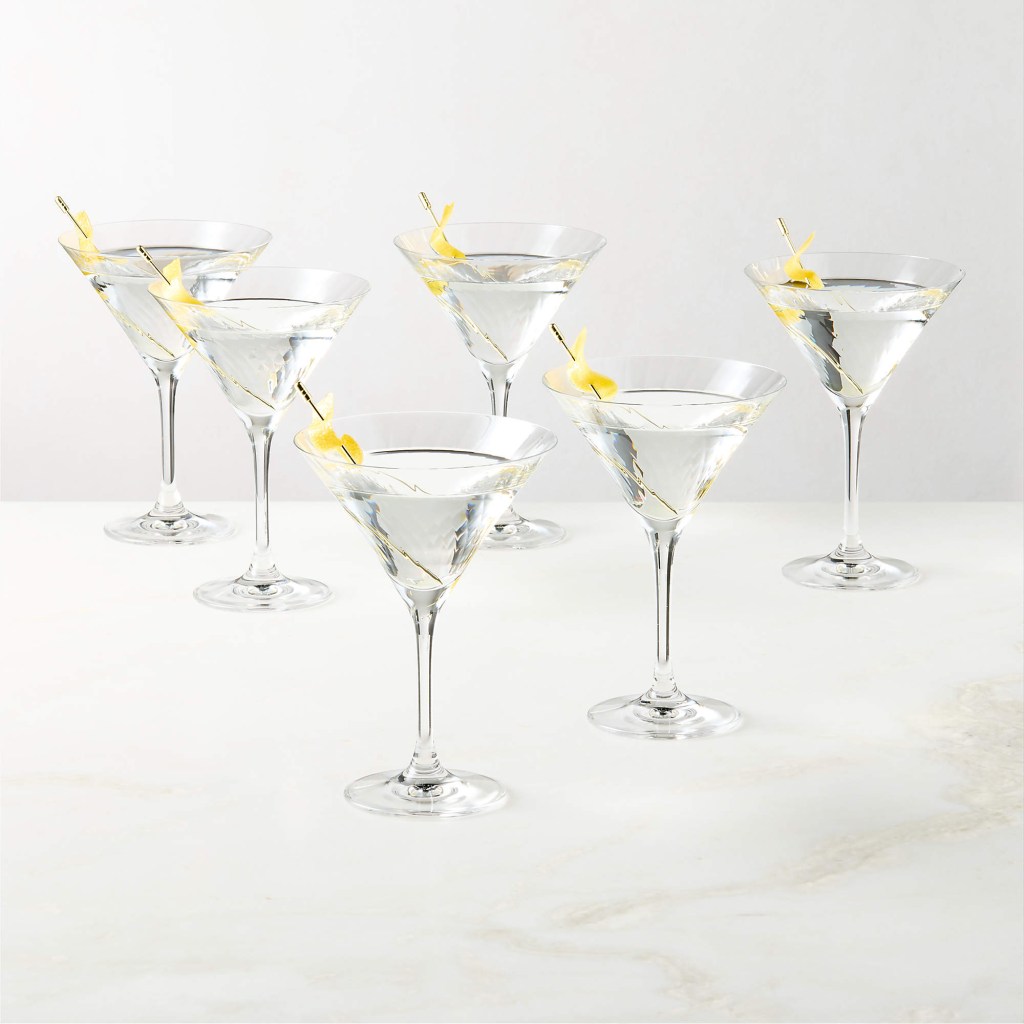
While you’re at it, you’ll want to pour your concoction into a frozen martini glass, which Vernon says helps maintain temperature and dilution. “A martini isn’t a martini unless it’s stunningly, bracingly cold,” Stephens shares. “Like, Arctic tundra-cold.”
Have Fun
There’s a lot of detail that goes into a martini, but you shouldn’t take the endeavor too seriously. If you ask Steinmetz, the best martini is the one you enjoy drinking, so why not give it a personal touch? “Add a splash of pickle brine, a dash of Tabasco, or experiment with different citrus twists,” she recommends. “Dirty, dry, savory, or bright—play around and find what you love.” Currently, the Holbrook House has seven martinis on its menu—plus some mocktail options—so you’ll certainly want to order a second round.
We only recommend things we love. If you buy something through our site, we might earn a commission.