
How to Navigate TSA Shutdowns and Skyrocketing Prices, According to a Travel Editor
It’s a tough time in travel, but there are ways to make it less miserable. Here’s how.
izusek/Getty Images
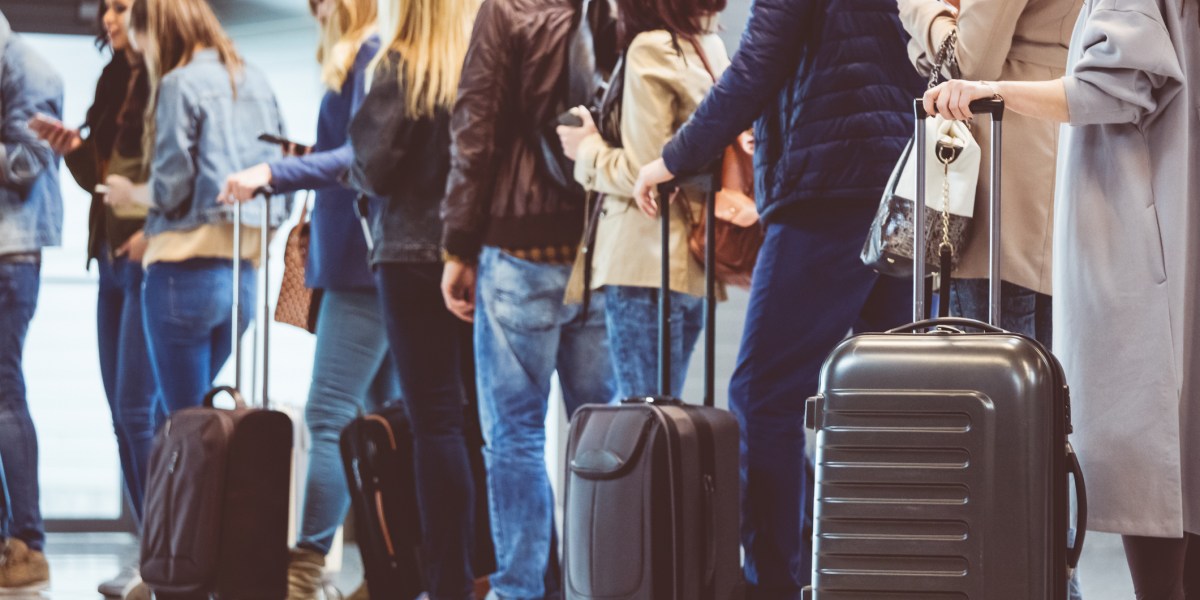
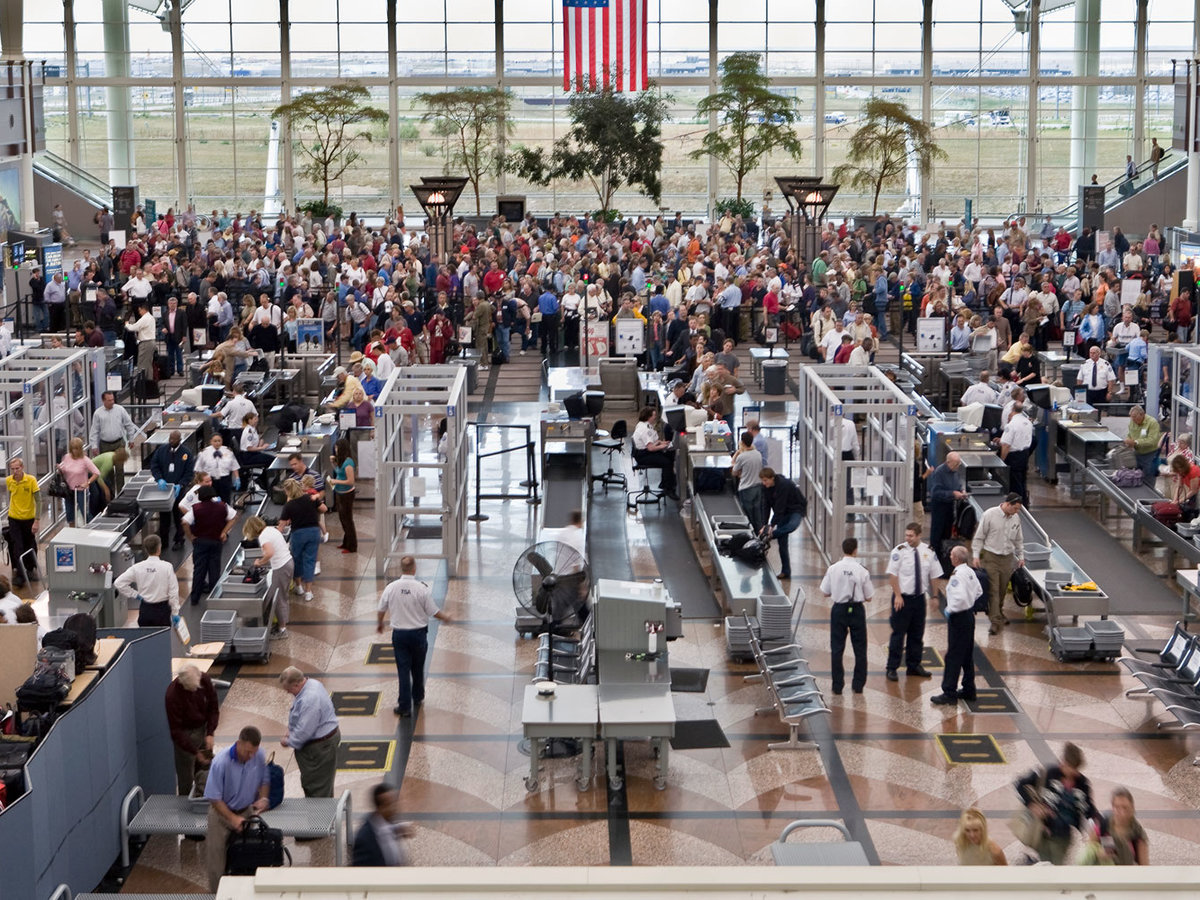
As the ripple effects of the government shutdown continue, TSA staffing shortages are leading to longer, less predictable security lines at airports across the country. It’s no doubt a turbulent time for travelers, many of whom are heading out on spring break. TSA workers are now working without pay, which has led to some walking out on the job. These major staffing shortages have created long waits at hubs like Houston International Airport, and some smaller airports in the country are even at risk of closure.
“We are seeing hours-long wait times in some cases, and every day the shutdown drags on it’s getting worse as more and more workers call out sick,” says Clint Henderson, managing editor at The Points Guy. “Part of the problem is that it’s very unpredictable because it’s hard to know how many TSA workers will be missing in any given day.”
From navigating security lines, shifting itineraries, and mitigating rising costs like a pro, now is a pivotal time to be strategic about travel.

d3sign/Getty Images
Do Your Research Before Heading to the Airport
More Videos From Sunset
“Pay attention to local news and social media, but most importantly check your departure airport’s website,” he says. “Oftentimes, airports will have the security line wait times listed. You should also be tracking your flights via [live tracker] apps like Flighty or FlightRadar24. These apps will let you know where your plane is coming from up to 24 hours ahead of time so you can stay informed.”
A simple Google search of the airline and flight number will also show you if your plane is on time. Henderson also suggests installing the app of your airline, which can give valuable information about your flight and allow you to rebook if needed.
Have a Back-up Plan in Case Things Go Sideways
“Know what other airlines are flying your route too just in case the airline operating the flight you are on that was canceled or delayed is willing to put you on a competitor’s flight. They don’t like doing this, but sometimes they will,” says Henderson. “Google Flights can help you quickly find alternate flights, but I also like the app Flighty, which will give you alternates and tracks where your plane is coming from.”
Photo by Drew Angerer/Getty Images
Sign up for Biometric Screening
This is a great time to enroll in biometric screening if you have PreCheck, which you can do on your airline app using your Known Traveler Number (KTN). Usually biometric screening lanes are the fastest, though they’ve sometimes been closed during the shutdown.
“If you don’t have PreCheck or the PreCheck lines are closed, it can be worth investing in Clear, which is a private screening company. You can even enroll at the airport in minutes and skip the lines,” he says. “Clear is $209 a year, but if you carry an Amex Platinum, you get a statement credit for the fee. I like having both Clear and PreCheck and seeing which line is shortest.”
Consider Booking Your Travel for the Year ASAP
The current conflict in the Middle East has also shifted guidance on when to book flights. Rising fuel costs tied to tensions in the Strait of Hormuz are pushing airfares higher, creating a one-two punch for travelers already navigating crowded terminals and tight schedules.
Gary Conner//Getty Images
“Usually we tell people to book 1-3 months ahead of time for domestic flights and 3-6 months for international for cheapest fares, but we are scrapping that advice for now and telling people to go ahead and book all their flights now for the year since we don’t know how high prices will go with the quickly rising cost of jet fuel,” says Henderson. “Remember you can get a trip credit for the price difference if the fare drops so long as you don’t book basic economy. There are even new services that will monitor your flights and automatically get those credits for you.”
Give Yourself Extra Time at the Airport
Henderson reminds travelers that it’s better to buffer plenty of time to eliminate stress, and instead of the standard 2 hours, giving yourself 3 hours. And, of course, always remember to be kind. Some airports are even suggesting bringing gift cards as a show of kindness during this time.
“TSA workers aren’t getting paid, and kindness goes a long way towards those who are showing up for work,” he says.