Designers Say Neglecting This One Space Will Instantly Cheapen Your Home
Give your home floor-to-ceiling appeal.
Christopher Stark
If you want to turn a blank space with four walls into a polished, vibey room, it’s all about the details. But while some people fixate on tiny touches like wall outlets and statement storage, the most transformative detail is hanging right above you. Yes, that’s right: We’re talking about your ceiling.
According to Clara Jung, principal at Banner Day Interiors and author of Storied Homes: Designs from Banner Day Interiors, a well-designed ceiling is “the tipping point” between a good room and a truly exceptional space. “It’s one of the most overlooked surfaces in the home,” says the Bay Area designer. “People rarely think of it as a canvas for design, but when you treat it intentionally, the whole room elevates.”
Nicholas V. Ruiz
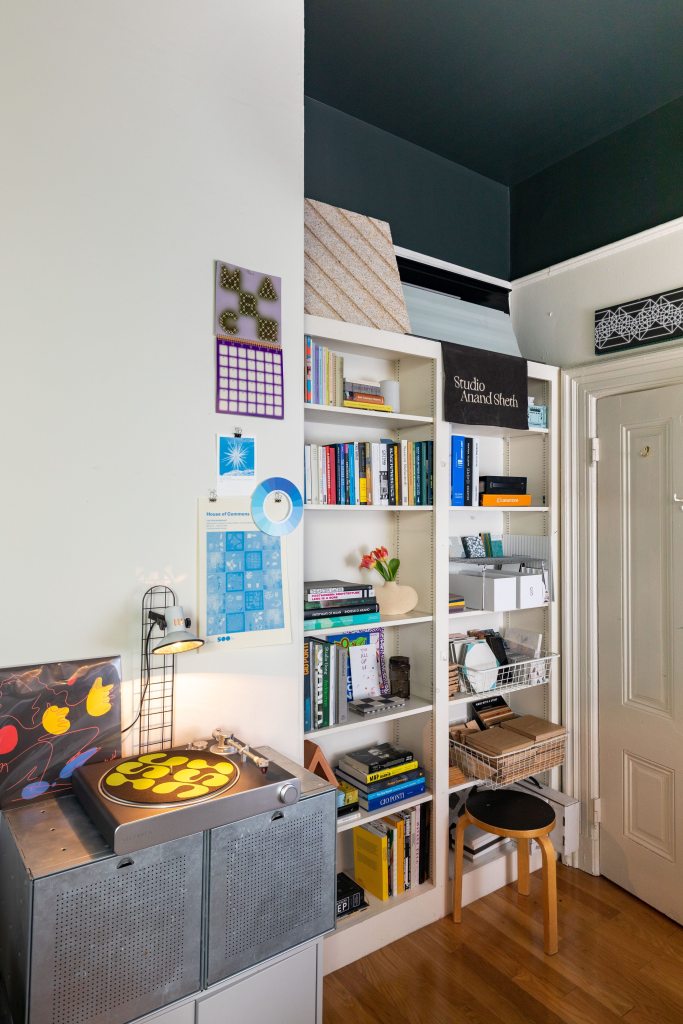
San Francisco designer Anand Sheth agrees and says he considers the ceiling when figuring out a project’s flooring and wall tone. “[The ceiling] is part of the envelope, not an afterthought,” he explains. “When you ignore it, the room feels unfinished.” And, if we’re being completely honest? That room you spent so much time, energy, and money sprucing up can read cheap.
The sky’s the limit for a ceiling, which is part of the challenge. With so many patterns, paint shades, and finishes to choose from, where to begin? Jung typically starts by defining a room’s purpose. “Every space deserves that consideration,” she says. “It’s more about reading what the room is asking for.”
While Jung says paint is a low-stakes and forgiving way to make a splash, the shade depends on the space’s vibe. For example, the designer would be hesitant to include a strong color in a serene bedroom, but a dash of drama would be appreciated in a foyer or dining room. “That’s where a ceiling treatment can really shine,” she says.
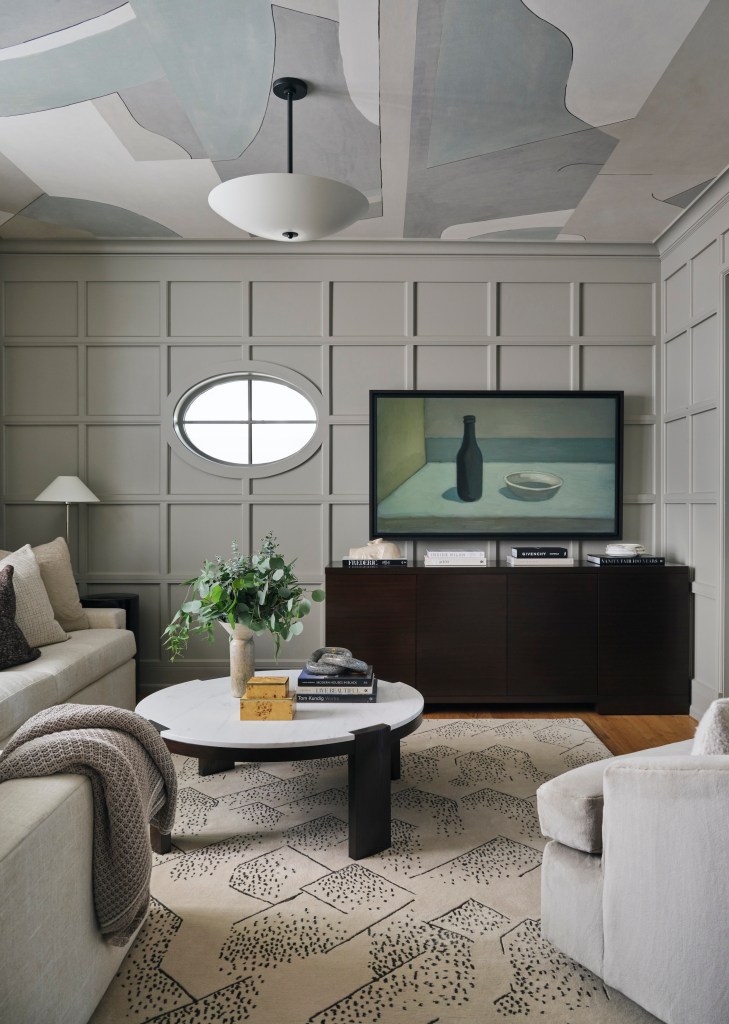
Cody Ulrch
Beth Dotolo of Pulp Design Studios typically steers clear of white ceilings, but will use them if they complement a “clean, modern” space or allow the architecture and furnishings to take the lead. Otherwise, the Seattle designer says she looks for “color or texture when a room feels flat or needs added intimacy.”
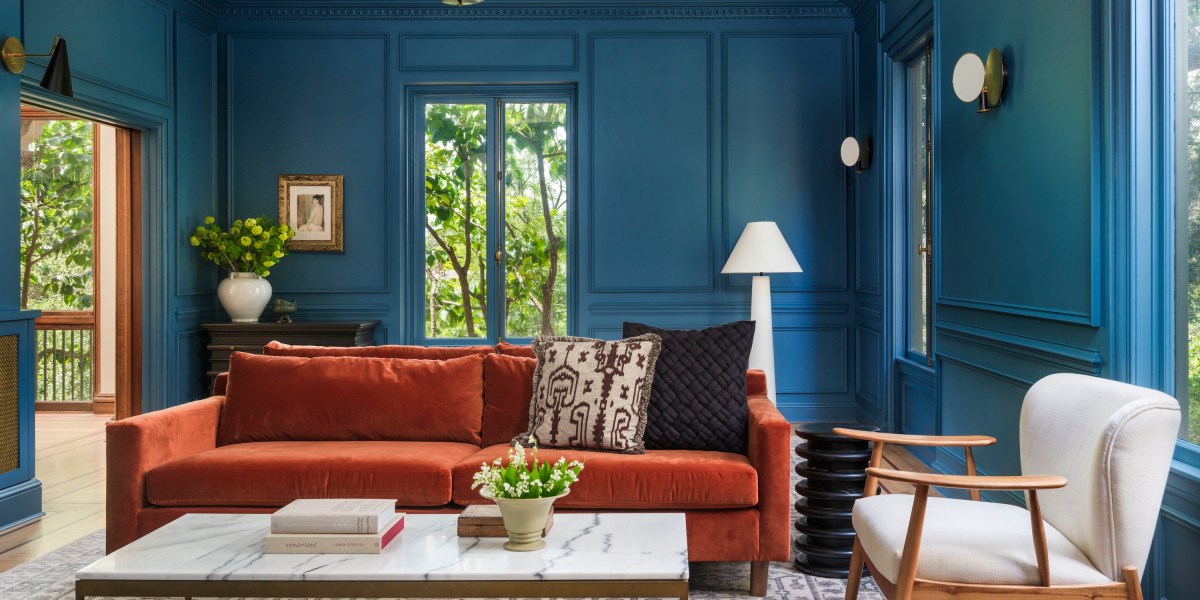
Though a painted or thoughtfully designed ceiling will make a room feel more complete, it should never upstage the rest of the space. The secret, designers say, is to lean into the subtleties. “One of the most fail-safe ways to experiment with a ceiling is to paint it the same color as the walls,” Dotolo explains. “It creates a cocooning effect that feels intentional, immersive, and softly dramatic rather than overwhelming.” She likes to set the mood with a darker tone like Sherwin-Williams’s Grizzle Gray SW7068.
If you want to skip the color-drenching and paint your ceiling a contrasting shade, Sheth begs you to avoid anything too saturated. “On a ceiling, intense chroma can feel aggressive,” he says. “Slightly muted tones perform better overhead.” Dotolo agrees and says soft gray, pale blue, and cream have the power to “shift the feel of a room.” “Even limewash or a high-gloss neutral adds movement without feeling overwhelming.”
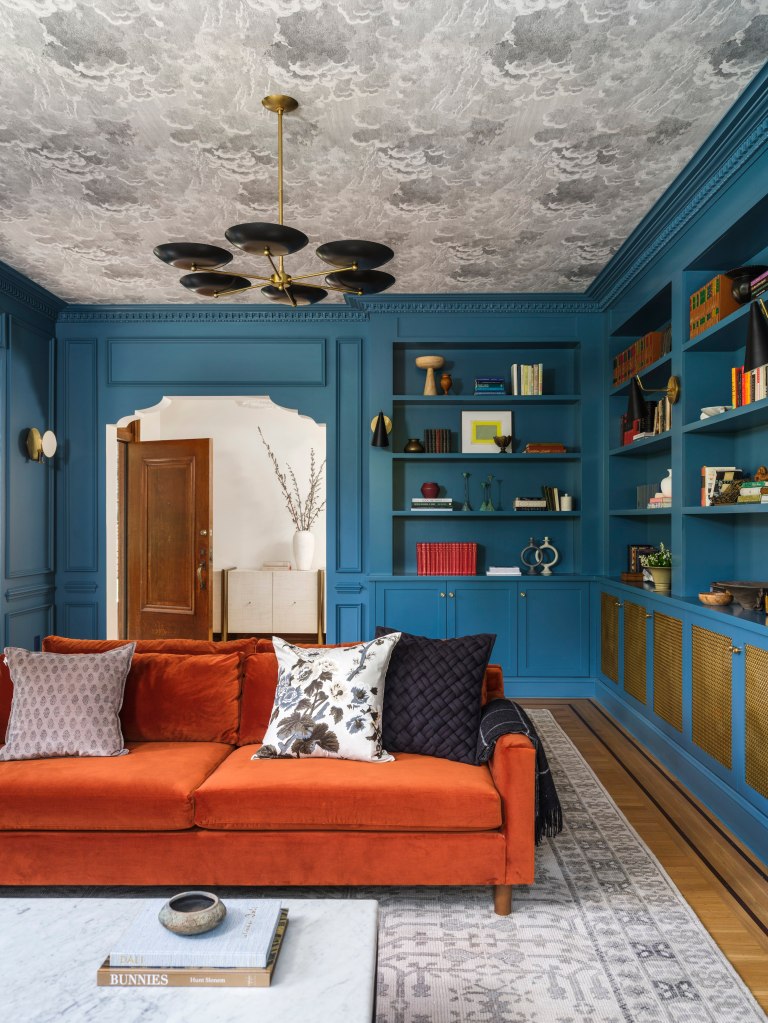
Christopher Stark
And, just like you would on your walls, swatch before you select a shade. “The way light interacts with color or texture will dramatically affect how a ceiling reads throughout the day,” Dotolo explains. “Test samples with the appropriate finish and observe them over 24 hours for the best finished result.”
Paint might be the safest bet, but can you zhuzh up your ceiling with wallpaper? Sure, but designers implore you to exercise caution. “Pattern works best when it’s tonal and scaled appropriately,” Dotolo says. For some pointers, check out these designer-approved tips to choose a suitable scale.
We only recommend things we love. If you buy something through our site, we might earn a commission.