Visiting National Parks Without Reservations in 2026? Read This First
With booking systems no longer in place, here’s how to make the most of heavily impacted parklands.
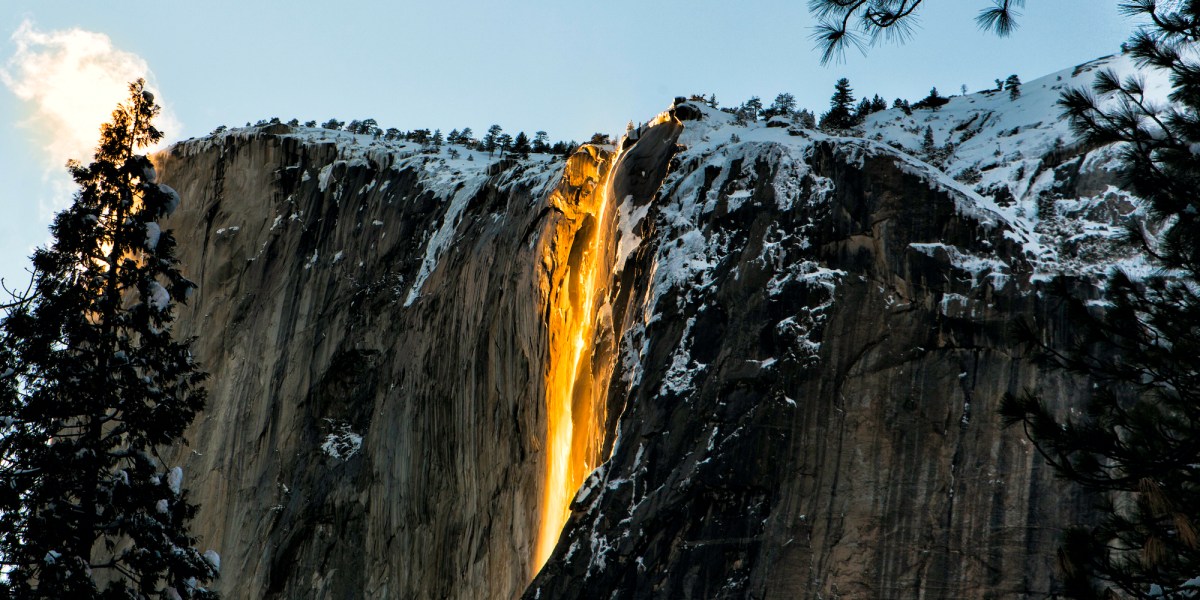
Though it’s only water illuminated by the setting sun, it looks just like fire. Photo by Getty Images
Yosemite Firefall, Yosemite National Park, CA
After years of timed-entry systems and reservation booking stress, the National Parks service has announced that Arches National Park in Utah, Yosemite National Park in California, and Glacier National Park in Montana are easing back into first-come access in 2026. That’s great news for spontaneous road trips and last-minute escapes, but it doesn’t mean crowds are disappearing. (In fact, if my trip to Yosemite for the jam-packed Firefall is any indicator, it’s quite the opposite.) The parks are still using tools like shuttles, parking caps, and peak-hour management in an attempt keep traffic under control. But considering many are already short staffed due to continued cutbacks, it’s wise to anticipate that there’ll be an impact on user experience. A little strategy will go a long way. Here’s how to make the most of your visit.
Arrive Early
During peak season and viral moments like Yosemite’s winter Firefall or summer holiday weekends, gate lines can stretch for miles by mid-morning. Arriving for dawn patrol not only means you’ll get epic sunrise shots, but you’ll likely be breezing through entrances, get easier parking, find quieter trails, and have a far more peaceful experience overall. And in the summer months, it’ll be much cooler before high noon.
Stay Inside the Park (or Right Outside the Gates)
Lodges, campgrounds, and nearby gateway towns help you avoid daily traffic jams and maximize the quietest times of day. Early mornings and evenings are when parks feel magical, wildlife is most active, and crowds thin out dramatically. Some excellent options in Yosemite, for instance, are Rush Creek Lodge just outside the park, or the historic Ahwahnee lodge located on the Valley Floor.
Use Shuttle Systems
Getty Images
More Videos From Sunset
It may feel slower, but shuttles are usually the fastest way to move through busy parks rather than by individual car. They bypass packed parking lots, drop you right at major viewpoints and trailheads, and significantly reduce stress during peak season. Of course, if you can, the best way to get around is on foot or by bike. But consider these public services for ease of access.
Travel Midweek
Tuesday through Thursday consistently sees fewer visitors than weekends, even in summer. Shifting your trip by just a day or two often means shorter lines, easier parking, and more space on trails.
Skip Peak Hours
Most congestion builds between about 10 a.m. and 3 p.m. Plan big hikes at dawn or late in the day, then use midday for a picnic or short strolls in less crowded areas.
Dustin Gaffke
Go Beyond the Greatest Hits
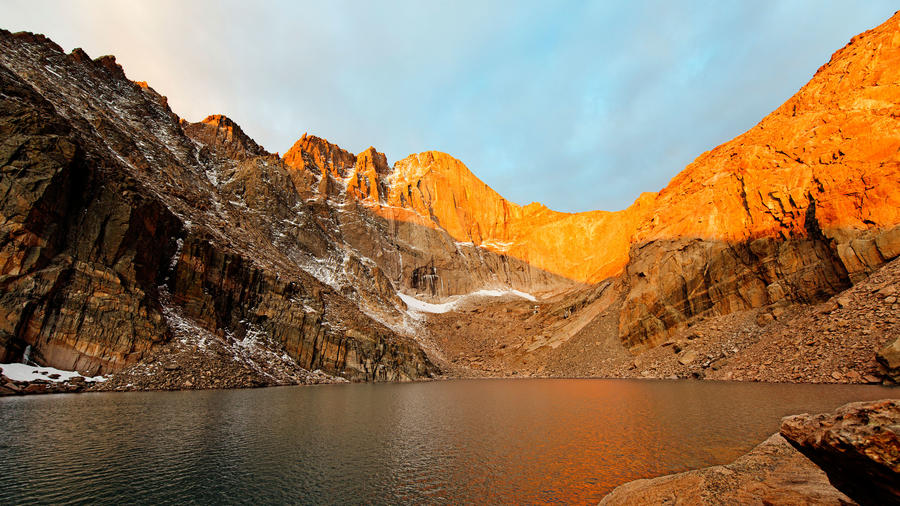
Iconic viewpoints are worth seeing, but they’re also the first to clog up. Secondary trails and quieter corners often deliver just as much scenery with a fraction of the people. Pair one bucket-list stop with one under-the-radar adventure for the best experience.
Check Parking Alerts and Road Conditions
Many parks now post real-time updates when lots fill, roads close, or shuttles switch to full capacity. A quick check the morning of your visit can save hours of sitting in traffic or getting turned away at trailheads.
Build in Buffer Time
Traffic backups, wildlife crossings, weather shifts, and full parking lots are part of peak-season park life. Leaving extra time between activities keeps the day enjoyable instead of stressful.
Pack in, Pack Out
As visitation increases, responsible travel matters more than ever. Bring reusable bottles, carry out all trash, stay on marked trails, and consider volunteering for park cleanups or trail restoration projects when available. And for the love of all things good, please refrain from tagging the land and consider doodling in a sketchbook instead.