
The Colorado River Is Drying Up. Here’s How to Protect It.
Photographer and conservationist Pete McBride shares the story of the Colorado River, a troubled water system of epic beauty.
© Pete McBride
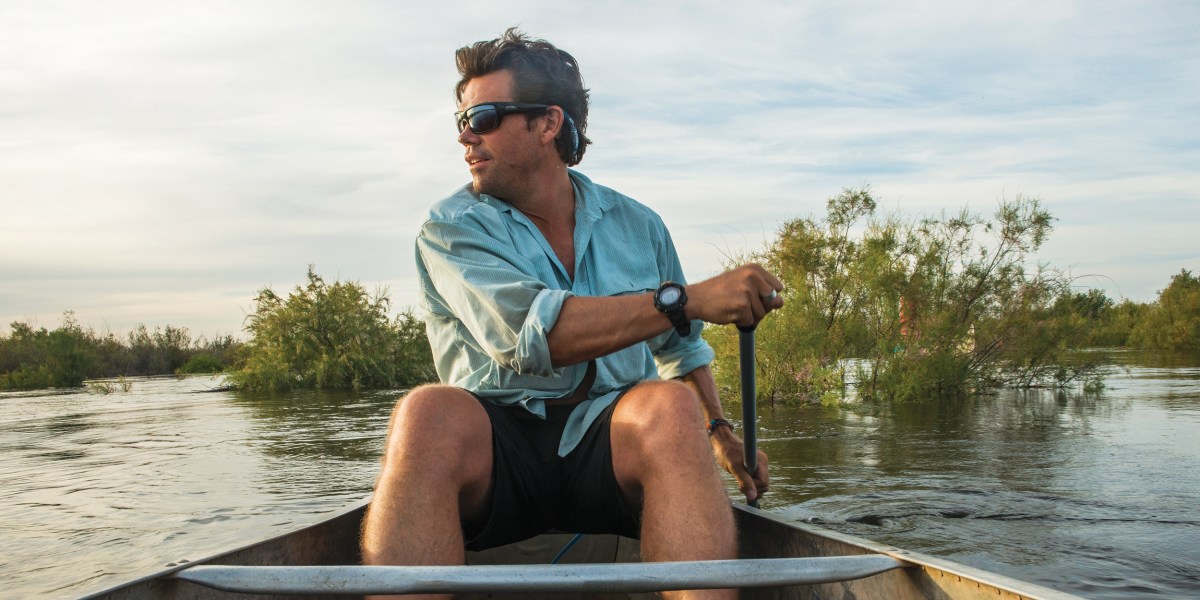
Paddling the 2014 historic pulse flow across the dry Colorado River Delta below the Morelos Dam in Mexico. The water release is part of a binational agreement for restoration.
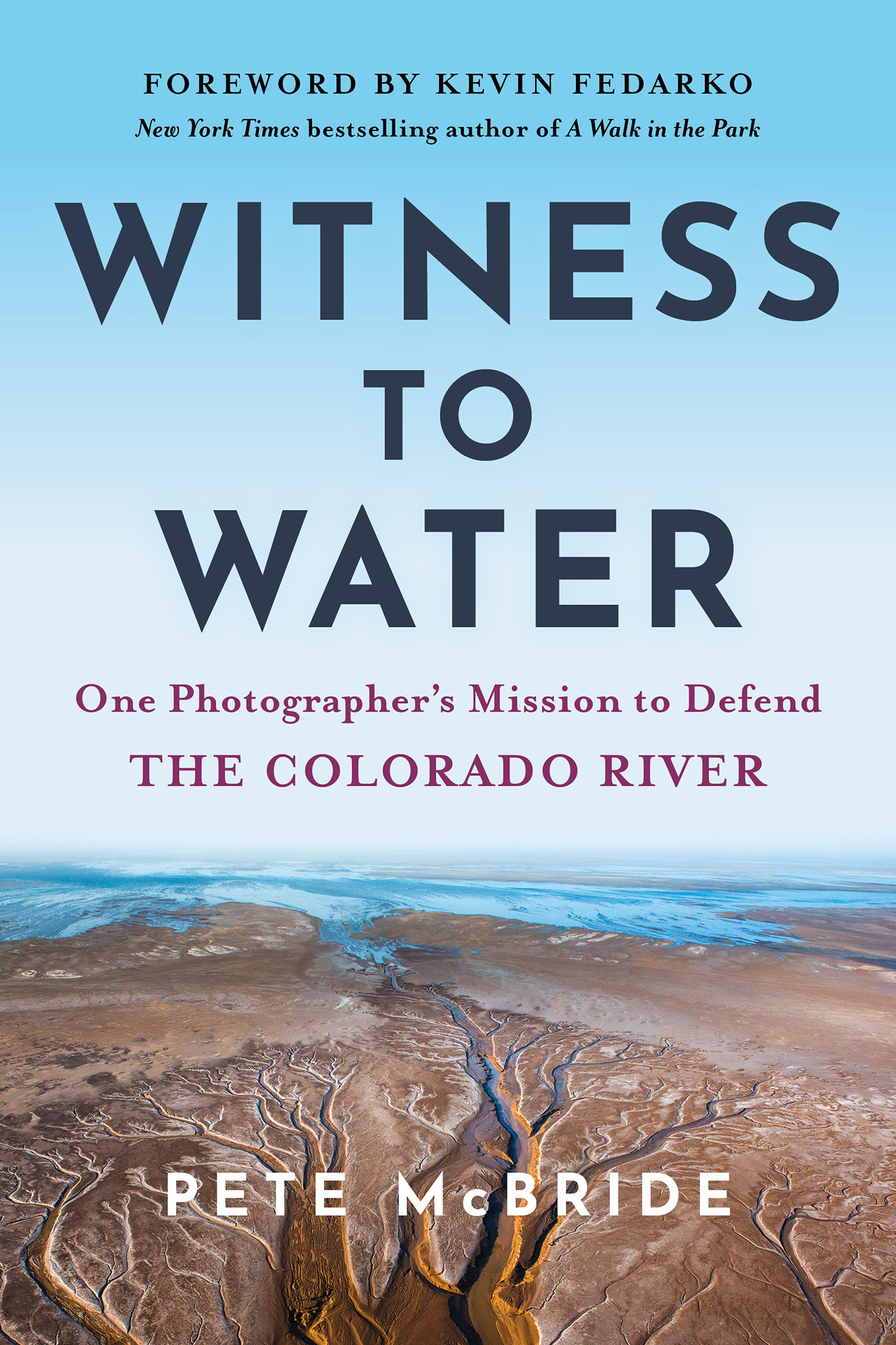
When Pete McBride reached the end of the Colorado River, he expected it to spill into the sea. Instead, he ran aground in the dry earth of the Colorado River Delta, roughly 100 miles from the Gulf of Mexico. The moment, which opens his book Witness to Water: One Photographer’s Mission to Defend the Colorado River, raises a stark question: How does a river that carved the Grand Canyon, supplies drinking water to 40 million people, and irrigates more than five million acres simply… end? That question sparked a deeper look at one of the West’s most urgent (and often overlooked) environmental crises. After hiking the Grand Canyon end to end—roughly 750 miles without a trail—McBride explores why this river’s story is bigger than drought, and what it will take to protect it.
We’ve engineered, divided, and stretched the river to the point that there’s nothing left at its end in the Gulf of Mexico. And we’ve had this wildly dry Western winter. There’s a tendency to frame this as a drought story, but your work suggests something deeper.
It’s about a lack of water and collaborative work between water managers, as well as valuing the river as a river, not just a Western plumbing system. It’s a drought story compounded by a hotter and drier climate that is decreasing the Colorado River’s flow by 15 to 20%. We have also over-allocated the river, which means we have water rights to more water than there actually is. We thought the river flowed annually at X and now it flows at two-thirds of X, but we still have water rights for X. It’s like we ordered a large drink with lots of straws for a group to share. But now the drink is a medium-size, but the same people (or more) are drinking the same amount.
© Pete McBride
Indigenous water rights are also an issue. What are some of the inequities there?
Native communities hold rights to over 25% of the Colorado River water, but most of those are never delivered. I’ve become more and more alarmed by how native communities are consistently overlooked and their voices kept from the decision-making.
What are some practical solutions that could help protect and restore the river?
We all need to learn to use and ask for less water. From cities to towns, industry (energy and data centers) and agriculture. Agriculture remains the largest straw in the system, so we need to grow crops and food that require less. Alfalfa production for export is currently a big problem as it uses about 25% of the river’s water for forage crops that get sent overseas. Being aware of where your water comes from and using your voice when possible through public meetings, comment periods, or water conservation organizations is important.
There’s a current of hope in your work. What would a healthier future for the Colorado River look like downstream?
I try to remind people (and myself) of the power of earned hope. This is the concept of people working hard behind the scenes to protect their regions. I’ve seen this in the Grand Canyon with uranium mining, and also in the Delta with restoration projects. In 2014 there was a big one that connected the river to the sea, but that’s unlikely to happen again. Despite all the challenges, people are still making a difference with hard work and collaboration.
Get the Book
© Pete McBride
We only recommend things we love. If you buy something through our site, we might earn a commission.