Everything You Need to Know When You Grow Your Own Herbs
When you find yourself cooking with tons of fresh herbs, it might be beneficial to start your own herb garden.
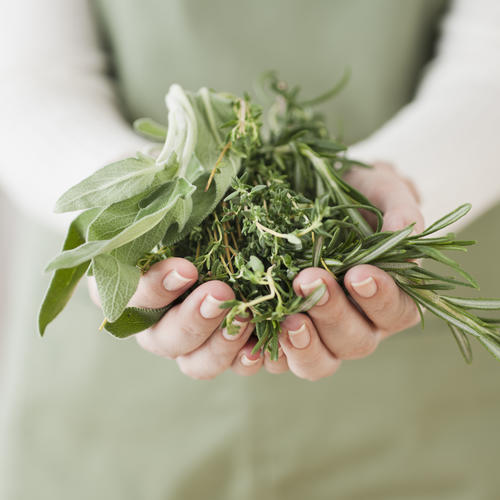
Credit: Tetra Images
If you’re planning on growing your own herbs, try these tips before investing in a plant.
One of the first things you need to consider is what kind of herbs are worth your time and money. Consider what style dishes you typically cook. If you like Mexican cuisine, try cilantro; or if you cook up Italian dishes most nights plan for basil and oregano. Next decide if you’ll be starting from scratch with a seed or buying an already established plant. Planting seeds is definitely the cheaper route, but it takes a lot more knowledge and effort. For beginners, I recommend starting with a blossoming plant. Keep in mind how long you want to have the plants around. Herbs that are annuals like anise, basil, cilantro, and dill will bloom for one single season and you’ll need to buy a new plant the following summer. Biennial plants like caraway and parsley can last you two seasons, but only bloom on the second season. Perennials like chives, fennel, mint, tarragon, and thyme are the best value, because they can bloom every season they live.
Figure out where you can place your plants and what kind of sunlight you get in that area. Most gardening experts will be able to tell which plants will thrive in the environment you have to offer. Some herbs like basil succeed in the outdoors with tons of sunlight while marjoram prefers to stay shady and indoors. Be sure you arrive prepared so you can get all the right information to help your herbs live a happy life.
If you plan to keep your herbs in a pot instead of in the a garden, most gardening centers can help you pick out a pot for your plants. Aim for a clay container with about 8 inches per plant, without overcrowding. You also will need to purchase soil and fertilizer to plant your herb in the container, but some gardening stores will be kind enough to plant it for you without the need to purchase your own soil. If you’re planting somewhere that needs to be protected, you can also purchase a saucer to keep everything clean. Check with the staff if your particular herb needs anything other than water, though most do not.
Almost every plant needs a minimum of four hours of direct sunlight. Make sure you check with the gardening staff about what the sunlight needs are for your specific plant variety. Keep the temperature in mind as well. If a day is way too hot and dry for people to be outside, it’s most likely way too hot and dry for your plant. If possible, move your plant to the shade on super hot days, and periodically check the dryness of the soil. Be sure to water your plants any time the soil is dry to the touch.