
Designers Are Sick of This One Lighting Trend That’s Been Everywhere
The love for this fixture is dimming.
Aire Images/Getty Images
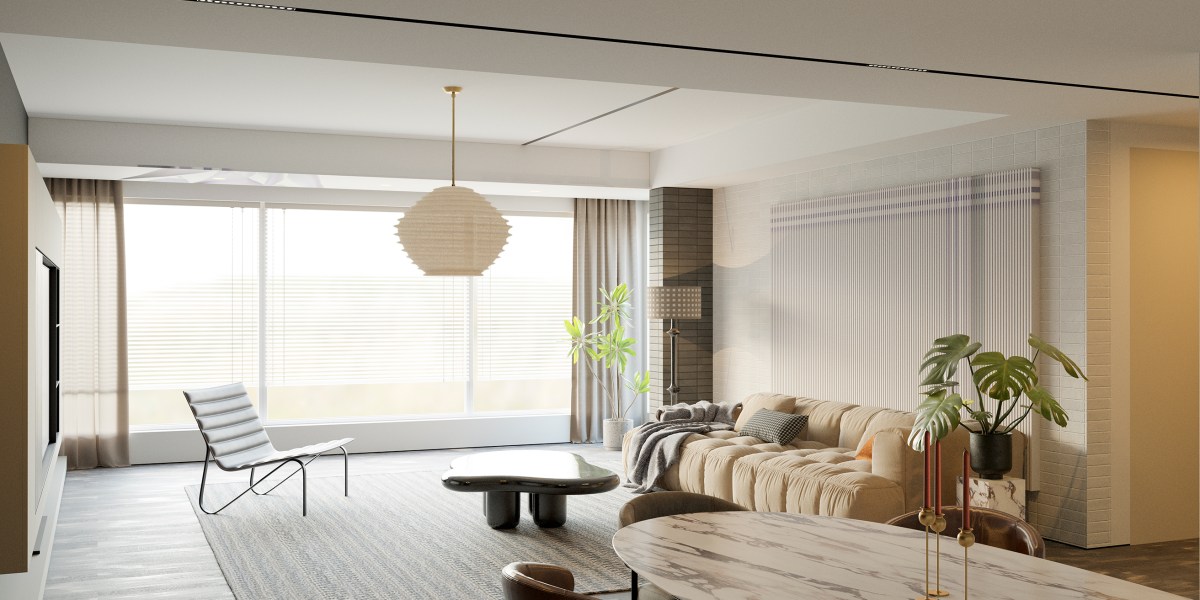
In the interior design world, there’s a fine line between an of-the-moment trend and one that’s officially overdone. Don’t believe us? Just think about the paper pendants. When the legendary Isamu Noguchi debuted his Akari light sculptures in 1951, he wanted to infuse a Japanese sensibility into modern design. Decades later, these fixtures and the knock-offs that followed are everywhere. Bohemian bungalows? Mid-century marvels? An “unexpected” way to bring some modernity to a traditional home? Really, everywhere.
Designers mean no disrespect to Mr. Noguchi, but the lights have become so common that they’ve lost their luster. Kristina Khersonsky of Studio Keeta, a design firm in Los Angeles, says “thoughtless repetition” has stripped these fixtures of their originality..
“With every imitation pendant that’s hung, a little more of the Noguchi’s original Akari paper pendant gets dim,” she says. “That’s a shame, because few fixtures create the same kind of atmosphere.”
Design by IMI Design; Photo by Lauren Taylor
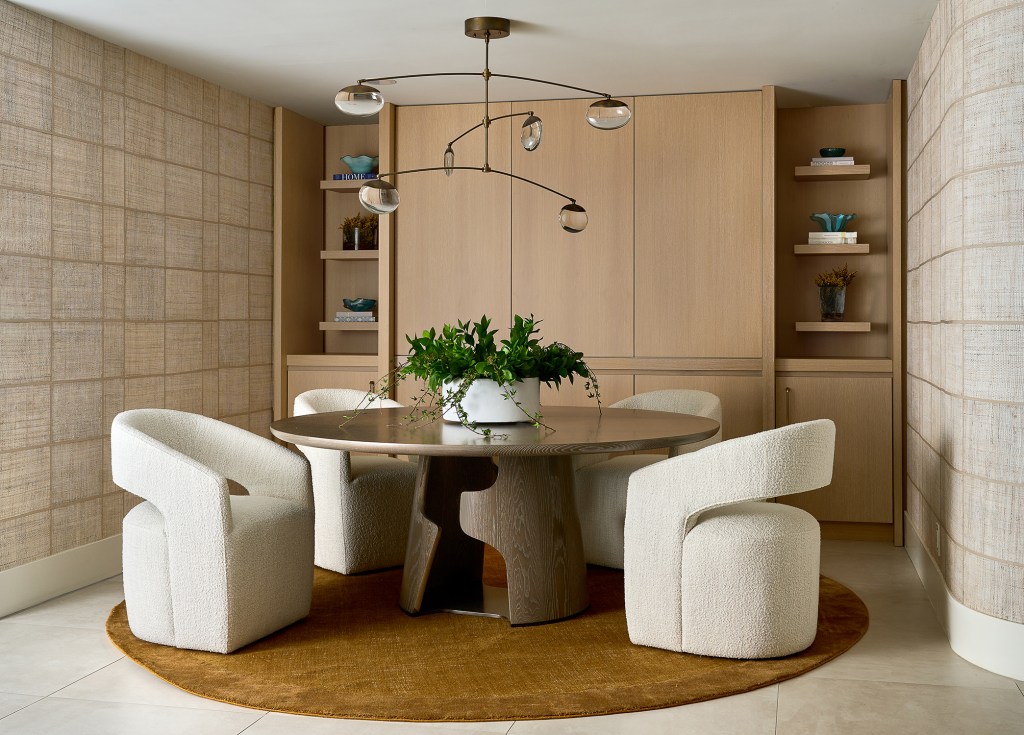
Anita Lang of IMI Design in Scottsdale agrees and says anything that’s overdone can lose its meaning. While paper-wrapped lamps and pendants once imbued a space with a relaxed, unpretentious charm Sara Malek Barney of BANDD/DESIGN says its ubiquity isn’t elevated. “It feels like a cheap way of getting scale out of a space,” says Barney, who splits her time between Austin and Los Angeles.
Does that mean these once-zen fixtures are completely out? Not necessarily. The secret, Lang says, is intentionality. “If a client has loved one for 15 years and [it’s become] a piece of their story, and I’ll design the whole room to hold it properly,” she says. “But if we choose it because it’s everywhere and it feels safe, we can do better.”
If you’re looking for a simple and straight-foward swap, Barney encourages you to look for a fixture with a similar scale. “Bigger is always better when it comes to lighting, but be careful it doesn’t become too distracting from its surroundings both inside and outside.” For example, she says a proportional pendant with another shade can lend a “refreshed feel” to a space.
Gutsy homebodies might want to create visual intrigue and go off the beaten path. “I want to feel like a person made it, not a machine,” shares Lang, who often turns to vintage fixtures. “Something with a little asymmetry, a seam that isn’t perfectly hidden, an edge that isn’t machine-true.”
Courtesy of Shades of Light
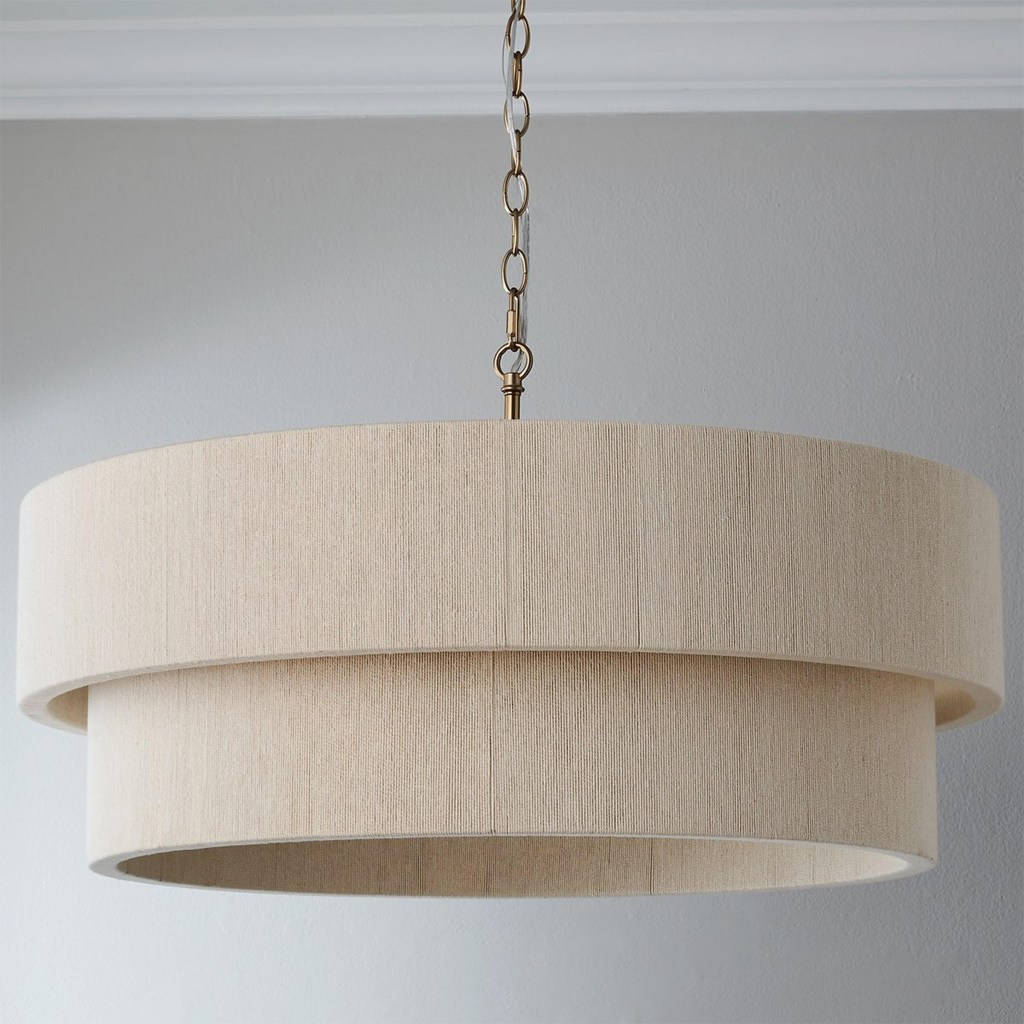
Barney loves to experiment with unexpected shapes and materials, and is currently eyeing this rope-laden chandelier from Shades of Light. “It’s got enough heft to create a statement, but it can also read subdued and organic at the same time,” she says. “And it’s not a budget-buster!” Meanwhile, Khersonsky says paper fixtures from brands like Swadoh, James Cherry, and Prangé feel more novel than an overexposed Noguchi.
Or, if you want to think outside of the box, focus on composition. “Experiment with a collection of fixtures together instead of one piece,” Barney recommends. “Like three of the same pendant collected together in a staggered application.”
Design by BANDD/Design; Photo by Andrea Calo
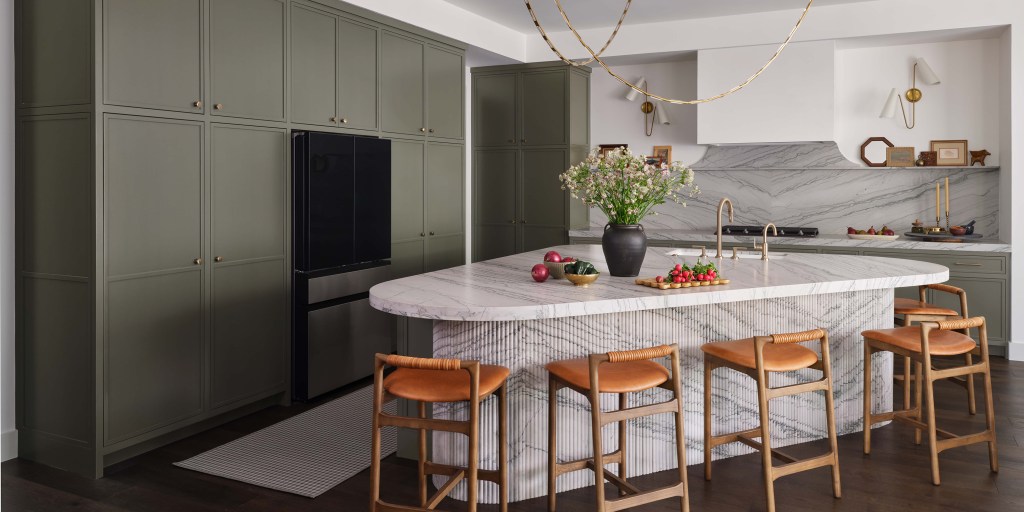
Paper lights might be getting a lot of heat right now, but they’re not the only fixtures that are falling out of fashion. Barney is over “anything with a visible Edison bulb,” while Lang is begging homeowners to get rid of that synonymous LED ring that hangs over most kitchen islands. “I understand why people reach for it,” she says. “I have used it several times starting five to ten years ago on a project, but I’m done with it now.”
With so many styles on the outs, it’s hard to tell which ones are in. But, if you ask Lang, that’s kind of for the best. Instead of treating light fixtures like a fleeting trend, she reminds you a good glow offers way more than pretty décor. “It manipulates the feel of a space; how it pools, shadows it creates, [and] what it lets go dark on purpose,” she explains. “ Plus, it’s an opportunity to visually stimulate a composition with a great piece.”
Talk about a bright idea!
We only recommend things we love. If you buy something through our site, we might earn a commission.