5 Common Mistakes Homeowners Make on Custom Orders—and How to Avoid Them
Designers and construction experts share what *not* to do with bespoke furniture and decor.
Thomas J. Story
It’s easy to see why so many of us are drawn to custom furniture and decor. These one-of-a-kind items are exclusive and authentic, but they can come with a number of pain points for homeowners and the artisans they hire.
“Custom is like a couture dress—it’s made just for you, so it needs the right measurements, the right details, and a little patience,” explains Rachel Brown, founder and principal designer of RB Interiors. “Once it’s made, there’s no sending it back, so be sure before you click ‘approve.’”
Before and after giving your stamp of approval, there’s a lot you can do to confidently create a custom order. Read on for four experts’ tips to managing these investment pieces:
Vasko/Getty Images
1. Guessing on Measurements
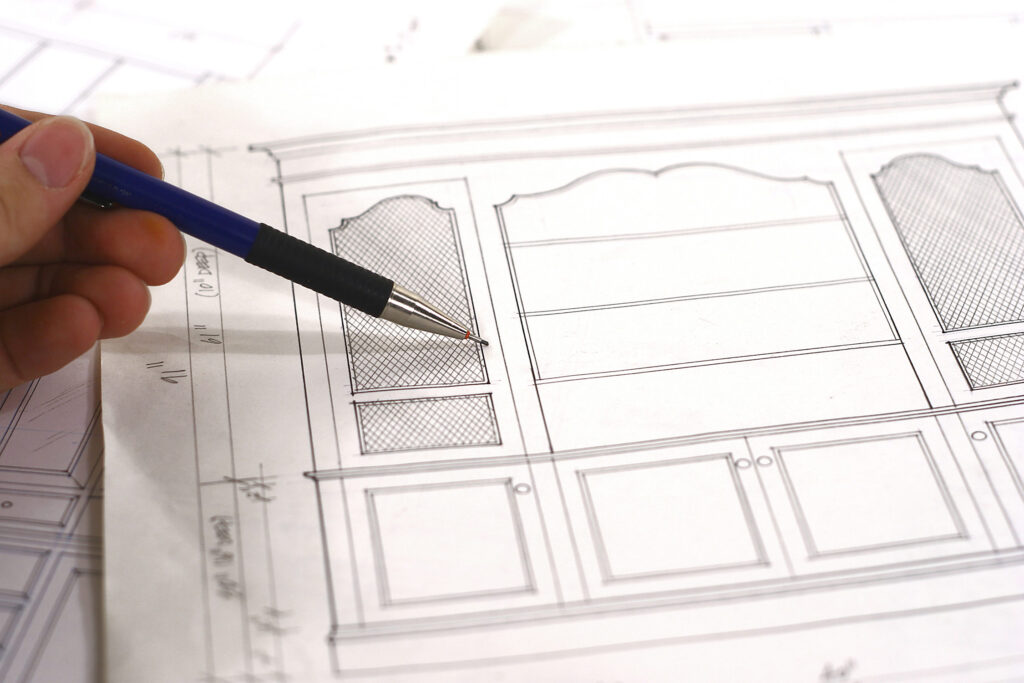
Now isn’t the time to estimate where a custom order will fit into your home. Going custom can stir up a sense of overwhelm and confusion, but Chetna Baveja of Baveja Design says measuring not once, but twice, can help you feel more at ease.
“Keep in mind not just the size, but also the bulkiness of the piece,” she adds. “And don’t forget to measure doorways and stairwells that piece of furniture will have to fit through! If the piece poses a problem to get through narrow spaces, plan ahead and see what parts can be assembled inside. I once had to request the manufacturer attach the sofa arms after it was brought into the room. Otherwise, it would not have made the turn in the stairwell.”
2. Skipping the Sample Stage
Samples allow you to test-run a product, seeing it in your space and in your lighting. Without them, you can’t guarantee it’ll work in your home until it arrives at your door.
“Always get samples!” Baveja warns. “I can’t stress this enough. Establish communication with the manufacturer early and explain your ideas with drawing and photos. Ask if all the fabric is coming from the same dye lot, and if it’s not, request samples from all the dye lots that your order will be filled from. We don’t want any surprises there!”
Thomas J. Story
3. Limiting Communication with the Artisans
You’ve likely chosen skilled workers to collaborate on this project, but you need to be an active participant throughout this process. Don’t solely rely on their expertise, and advocate for yourself and your design to get it right.
“When it comes to ordering custom products, I always suggest really immersing yourself in the process,” says Liad Schwartz of Interiors with Liad. “Ask plenty of questions so you’re clear on what you’re getting, and share your vision openly. Having a fair number of inspiration images is a great way to back up what you’re trying to achieve and makes it easier for everyone involved to align on the outcome.”
Brown shared a recent experience asking all of the right questions for a project in Phoenix, Arizona. She had two outdoor chairs reupholstered, and made sure to ask about the most durable fabrics, how these fabrics might be affected by direct sunlight in the desert, and which ones were ideal for a poolside environment.
This open line of communication is something you can foster early on, and nurture as you go. For example, Baveja often asks manufacturers for progress photos or visits the studio or shop to check in on a project. (It’s very exciting to see it coming to life, and sometimes you can make minor edits,” she adds.)
Thomas J. Story
4. Brushing over Important Details About Your Chosen Materials
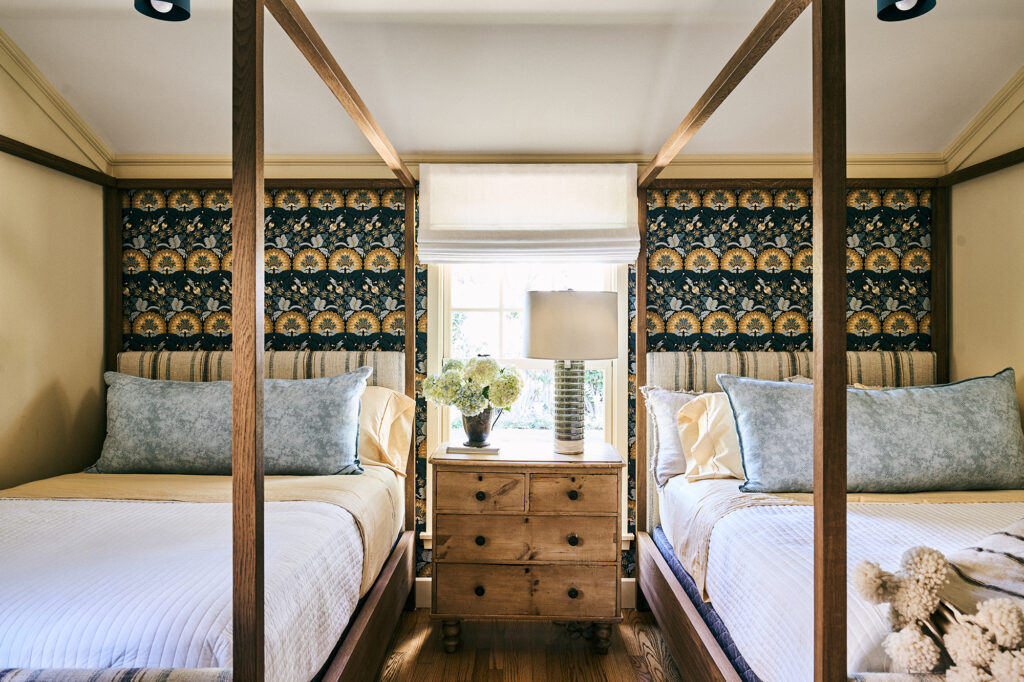
Even after requesting samples, Baveja says you should also talk specifics with your manufacturer about pattern repetition for fabric upholstery or the stain or grain visibility for a wooden piece.
“When using fabric for a sofa or custom bed, have a clear knowledge of the pattern repeat and if it can be railroaded so you can run it and use it along its length (that’s not always possible with patterned fabrics),” she says. “Don’t forget to ask where the seams will go and how many seams will be visible! When it’s a wooden piece of furniture, you should not only consider what type of wood you want to use, but also how dark the stain will be that’s applied, and how much of the wood grain will be visible.”
5. Paying Too Much
Baveja also has a money-saving tip for custom orders on wood: “If it is being painted, then the grain becomes a moot point, and you can go with a less expensive wood,” she says. “If the wood in question is going up against the wall, we don’t need the highest quality wood there.”
6. Underestimating the Time and Effort Required to Complete Your Project
You’re probably eager to see your custom order come to life, but patience is key. Even if you’re given a timeline early on, expect custom to take longer (and cost more) than anything you’d find online or in stores.
“A common mistake is assuming a custom piece can be produced on the same timeline as something off the shelf,” Schwartz says, adding that the timeline gets even more complicated if multiple trades are involved. “Another challenge is underestimating how many decisions go into a custom piece. From fabrics and finishes to proportions and functionality, every detail matters.”
The state of the world can also affect your plans, says John Tricamo of Tricamo Construction.
“Because custom items are not in stock you are at the mercy of someone else’s timeline, regardless of what they tell you at time of order,” he says. “This is especially true today for items that come from out of the country with fluctuating tariff policies and ongoing global conflict.”
Courtesy of Sundays
Alternatives to Ordering Custom
If you’re feeling uneasy about going custom, rest assured there are plenty of workarounds for a custom-ish creation. Here are our experts’ favorite design detours:
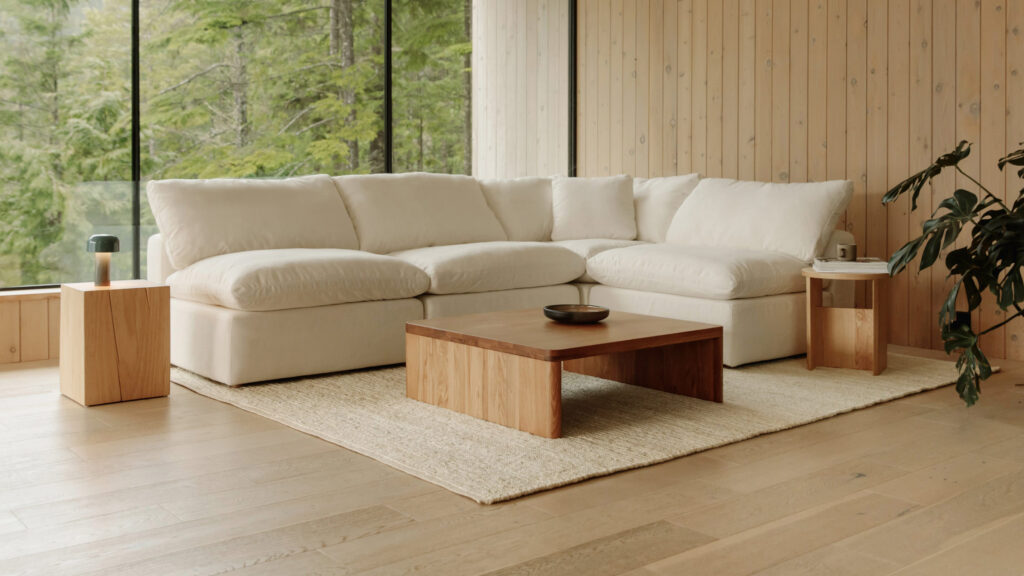
- Modular furniture. “With upholstery, for instance, many people want to go custom because of dimensions,” Schwartz says. “A great option is modular furniture, which provides flexibility and allows you to achieve a similar intention without the longer lead times or costs of fully custom work.”
- DIY wallpaper. “Many companies now allow you to submit your own design, and they can print it out for you on a variety of paper types, and even silk,” Baveja says.
- Go semi-custom. “Refresh a vintage piece with a 2025 ‘elevated’ fabric, or mix store-bought basics with a few custom accents—it still feels unique without the cost or the wait,” Brown says. “We may decorate a room that includes a $5,000 chair next to an $80 side table.”
We only recommend things we love. If you buy something through our site, we might earn a commission.