
Feeling Light Wood Fatigue? Here Are Designers’ Favorite Ways to Use Dark Wood
The experts say it’s so back.
Thomas J. Story
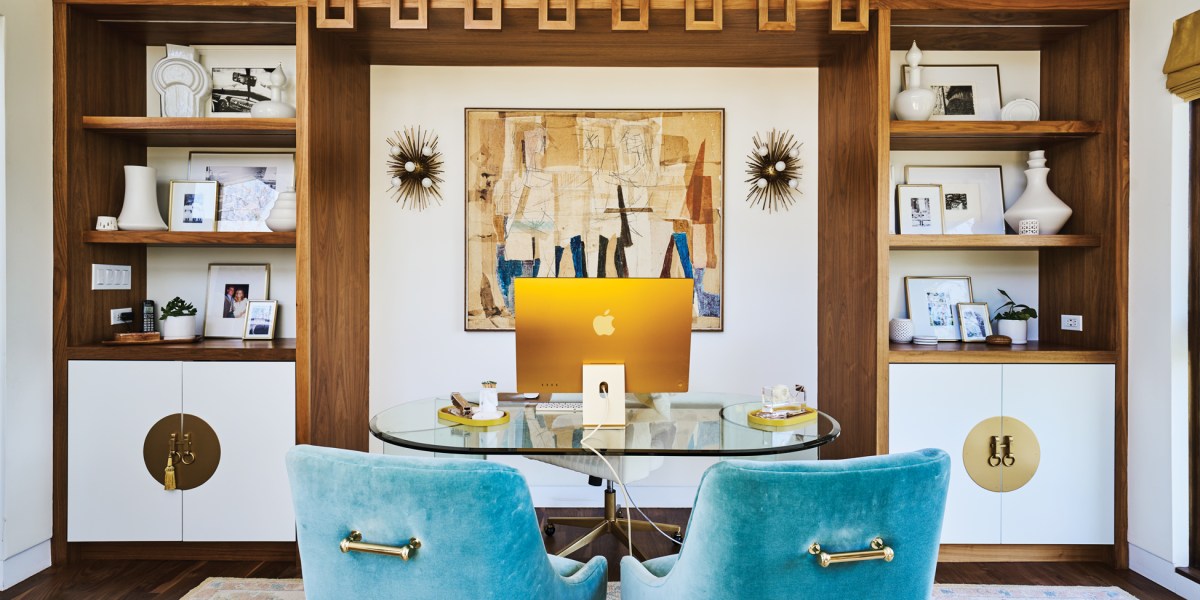
Light wood, once a refreshing go-to for modern coastal homes, is quickly becoming overdone. But designers’ dark horse of 2026? Dark wood. Maybe we can credit Kendall Jenner’s mountain hideaway, complete with exposed beams and a deep-toned wood veneer on her 2020 Airstream Bambi-turned-guest room. Or perhaps we’re all gravitating toward mediums that add warmth and richness to our surroundings.
“I really believe dark wood is back and here to stay,” says Sarah Akbary of Sarah Akbary Interiors in Los Angeles. Jaime Rummerfield of Jaime Rummerfield Interior Design agrees, adding, “Darker wood tones—particularly smoked, ebonized, or blackened finishes—bring a sense of depth and permanence that feels both timeless and quietly dramatic.”
Homeowners have very real fears about dark wood, like whether it’ll coordinate with their space, or make it feel too heavy or even cramped. To get us all out of a light wood rut and reclaim dark wood interiors, designers are sharing how they incorporate this moodier material in all types of homes out West.
Reinforce Your Home’s Architectural Identity
Rummerfield argues the material is best for homes with “strong architectural identity,” such as Spanish Revival, California modern, mid-century, and Arts and Crafts.
“In these settings, dark wood and timber feels inherent to the architecture rather than layered on for effect,” she says. “Even in more contemporary homes, darker woods can be incredibly successful when introduced as sculptural or architectural moments.”
Choose the Best Stain for Your Home
It’s easy to think of ebony or dark walnut, but dark wood has more range than you might think. Both Akbary and Ashley Clark of Skout Interior Design remind us that medium-toned woods are still a departure from the white oak, whitewashed look that’s taken over recently. Classic walnut is a popular choice for Clark and her clients, and she says the “incredibly versatile” type of wood is great for furniture, built-ins, and statement pieces like a media console or dining table.
“Another favorite trick is staining oak black or deep brown,” adds Clark. “You still get all that beautiful grain, just with more drama.”
Think of Dark Wood as an Anchor
Speaking of grounding forces, many designers recommend bringing dark wood to the ground—more specifically, on your floors. “I often encourage clients to think of dark wood as an anchor rather than an accent,” explains Rummerfield. “When used thoughtfully, it grounds a room and creates contrast that allows other materials—plaster, stone, textiles, and light—to truly shine.”
…Or as Carefully Placed Focal Points
Adam Potts
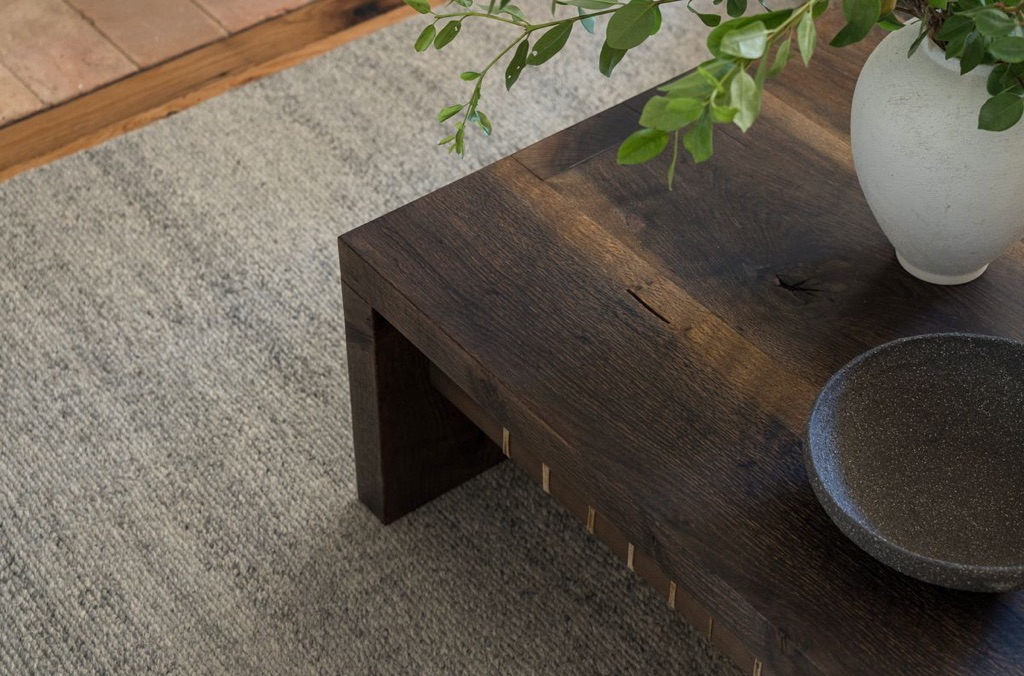
Rummerfield’s preferred approach is thinking of dark wood as specific focal points worthy of attention. “A smoked walnut or blackened wood coffee table can quietly command a living room such as Heide Martin’s wood coffee table, while a fireplace surround or paneled wall instantly adds gravitas,” she says. “I’m particularly inspired by how Noah Walker incorporates blackened wood—often in fireplaces and wall treatments—where it feels warm, modern, and architectural.”
Create Contrasting Elements
You’ll want to take a floor-to-ceiling approach here, and our experts agree that adjoining elements like cabinetry and flooring shouldn’t match.
“If you’re using dark-stained cabinetry, for example, I like to make sure there’s a clear contrast between the cabinetry and the floors,” Akbary says. “They can be close in tone, but I avoid them being identical, so nothing feels flat or washed out. Dark wood also pairs beautifully with rich stone, detailed marbles, and wallpapers with deeper or more saturated colors.”
And for anyone who can’t part with light wood, combine it dark wood that has similar undertones. “I think the key is mixing,” says Liad Schwartz of Interiors with Liad. “Light wood is everywhere right now, and while it’s great, what really makes a space feel rich is contrast. Dark wood does not have to take over the room.”
Schwartz has a formula to try this in your own home: The 60-30-10 rule. A popular design method, it’s all about decorating your space with 60 percent of the primary color, 30 percent of the secondary color or texture, and dedicating the remaining 10 percent to some sort of accent. “If you are just starting out, let dark wood be the 10 percent,” he says. “Choose the amount you feel comfortable with and see how it lands. You can always build from there.”