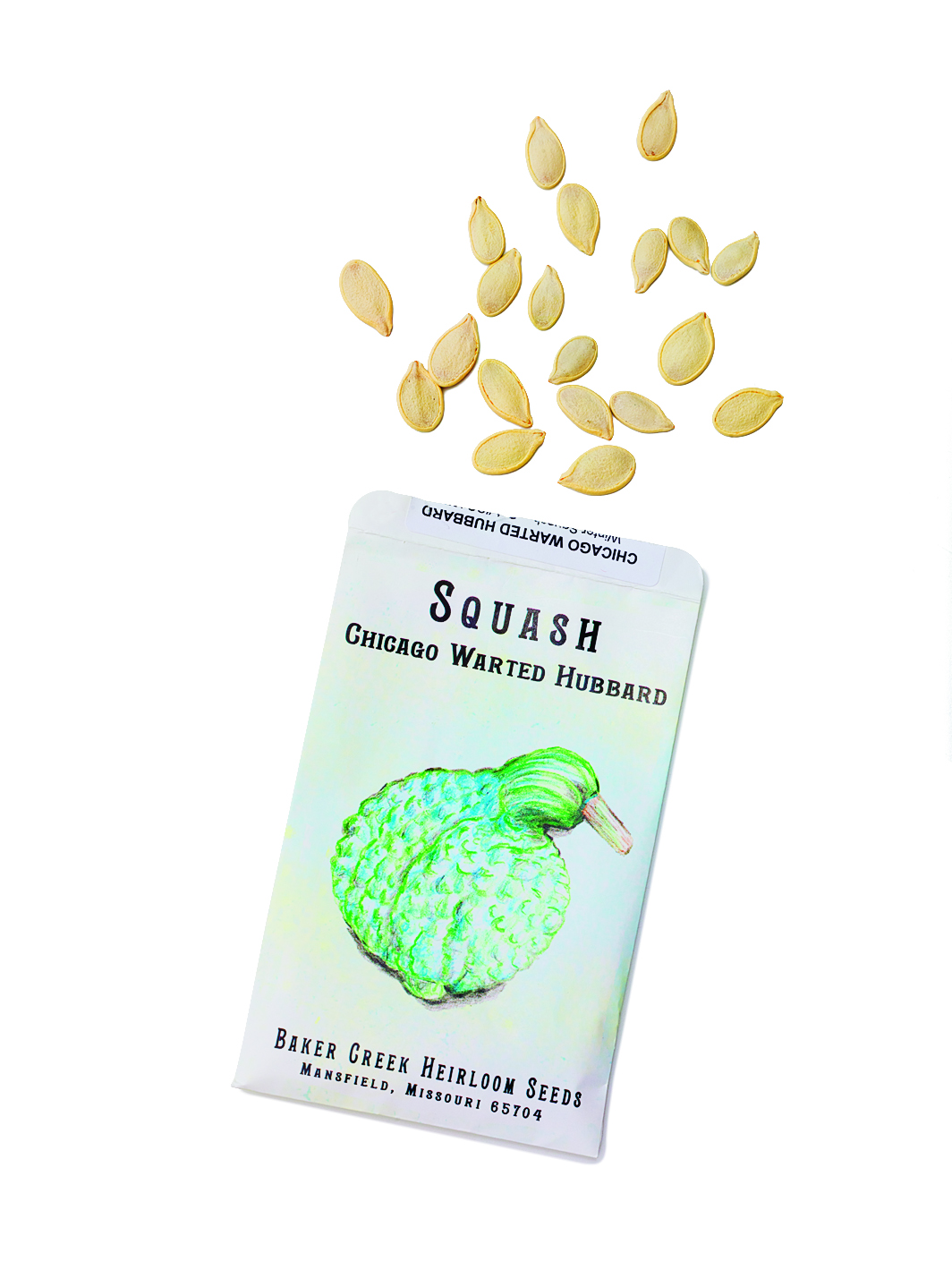
What is an heirloom?
Although debate rages on the exact definition, an heirloom is—it’s generally agreed—an open-pollinated variety of fruit or vegetable developed before mass commercial hybridization began in the 1950s. As such, its seeds grow true: The offspring look and taste just like their parents. Handed down from generation to generation, heirlooms have tended to be selected for flavor, not how well they survive shipping or how perfect they look. That’s why ‘Brandywine’ tomatoes are so sweet and juicy, lemon cucumbers so zesty and crunchy, and ‘Red Kuri’ winter squash so creamy and nutty-flavored. And even if they’re not the classic, flawlessly symmetrical specimens we’re used to seeing in grocery stores, they’re gorgeous in their own fascinating, idiosyncratic ways.
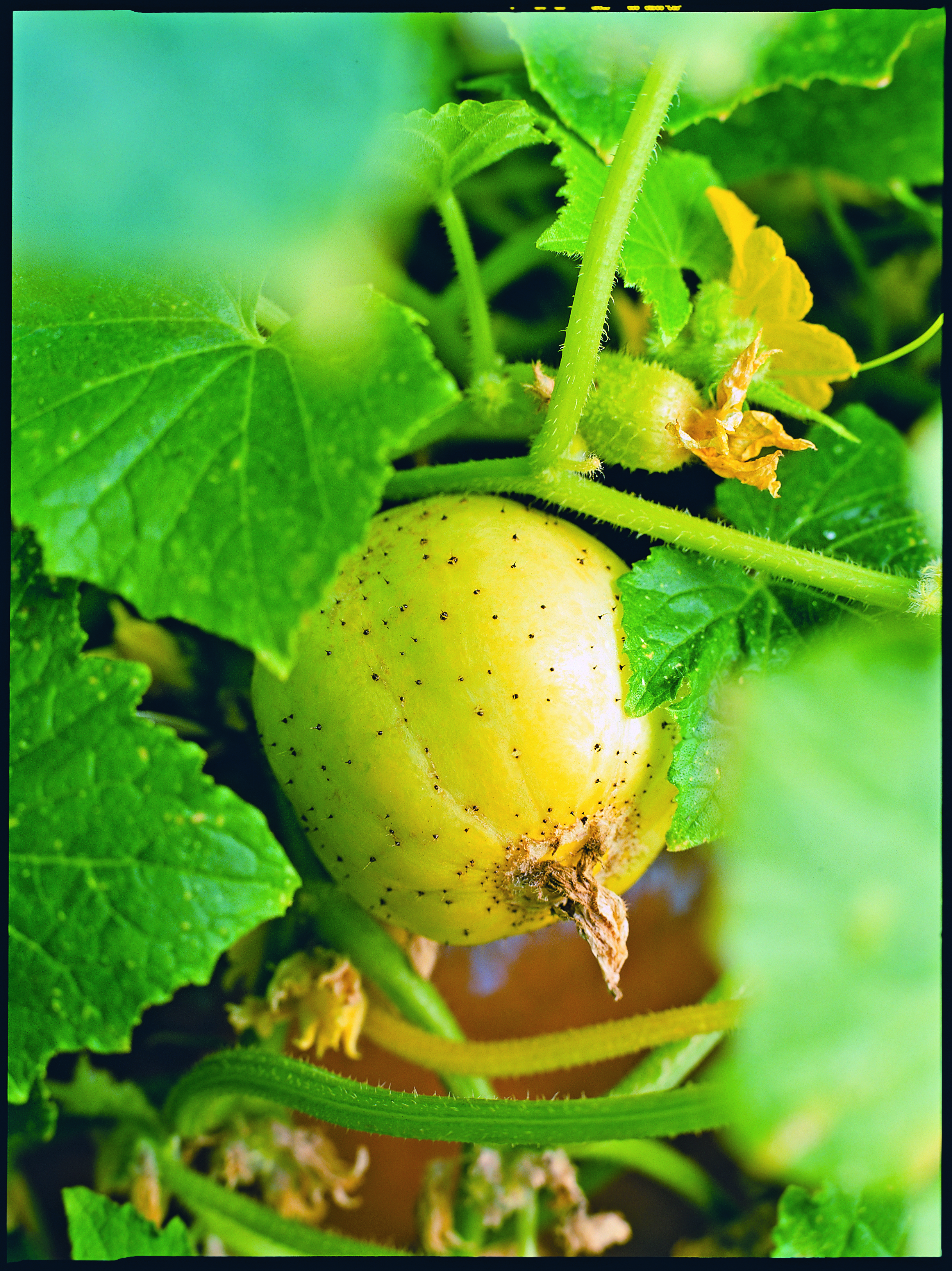
Lemon cucumber
Eat it like an apple or use it to garnish cold drinks. It’s crisp and refreshing, without any bitterness.
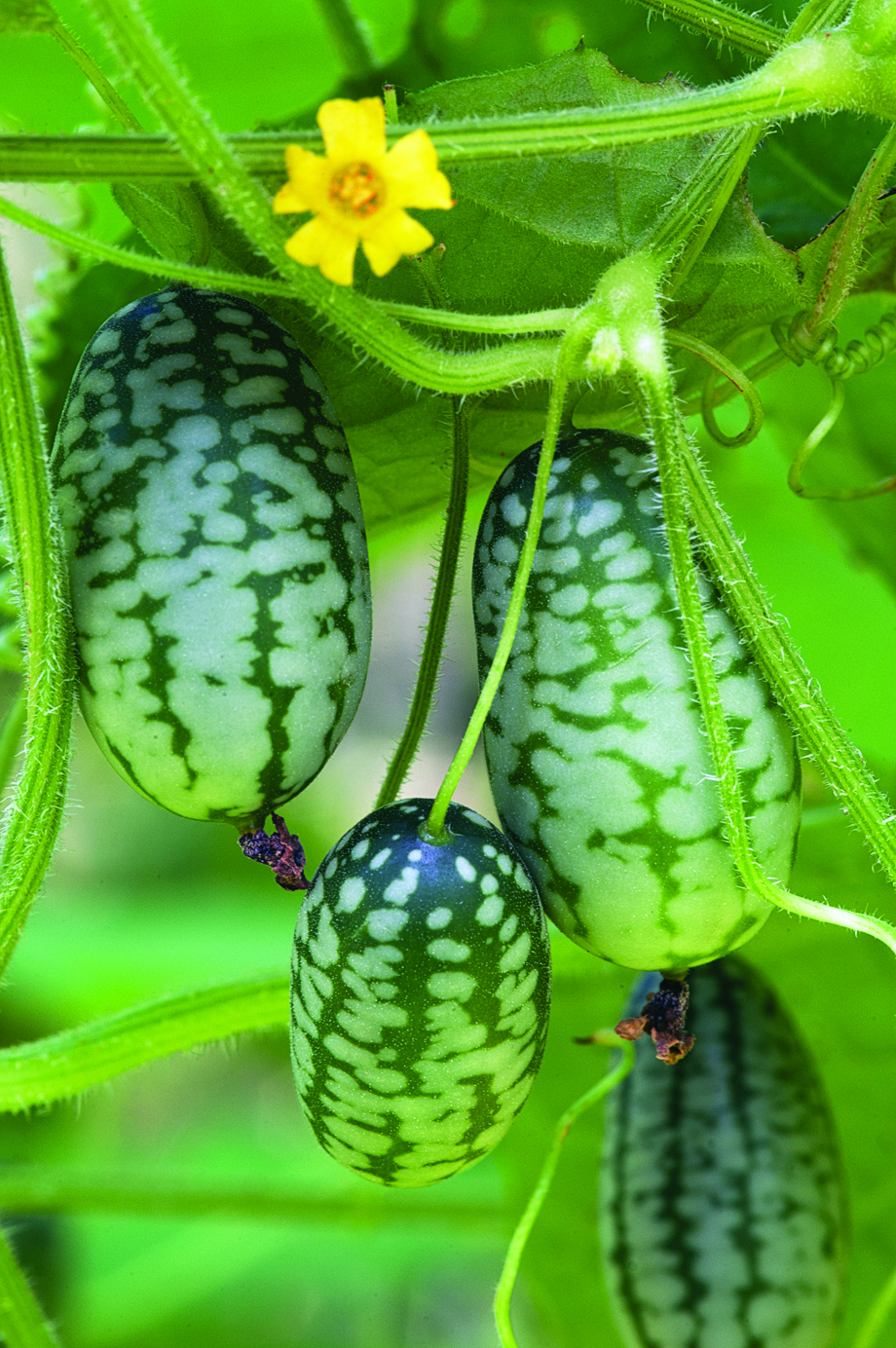
‘Mexican Sour Gherkin’ cucumber (Melothria scabra)
The fruit looks like a baby watermelon, but its flesh is crunchy like a cucumber.
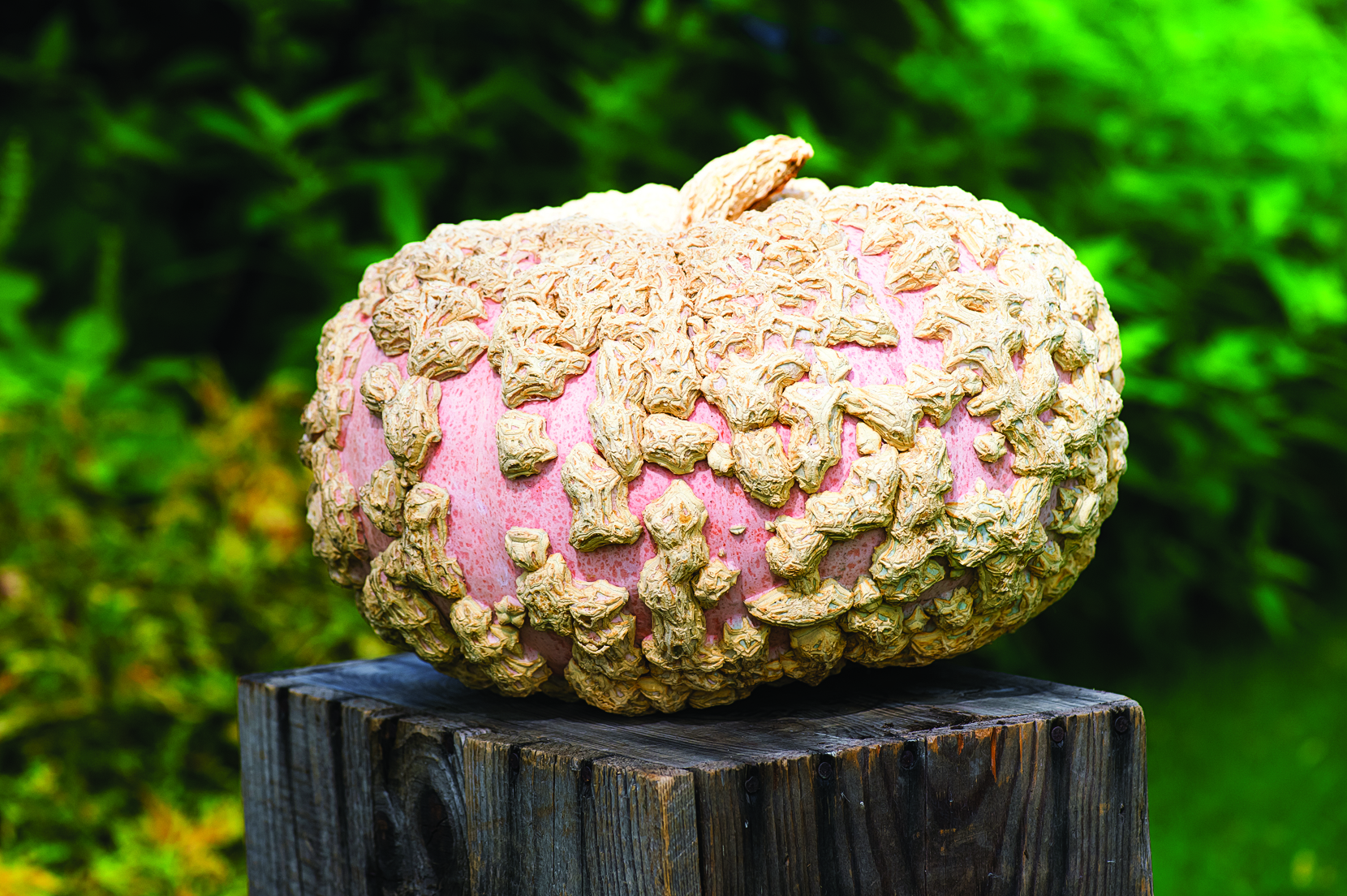
‘Galeux d’Eysines’ squash
This French heirloom’s knotty, textured exterior is like brocade on salmon-colored silk.
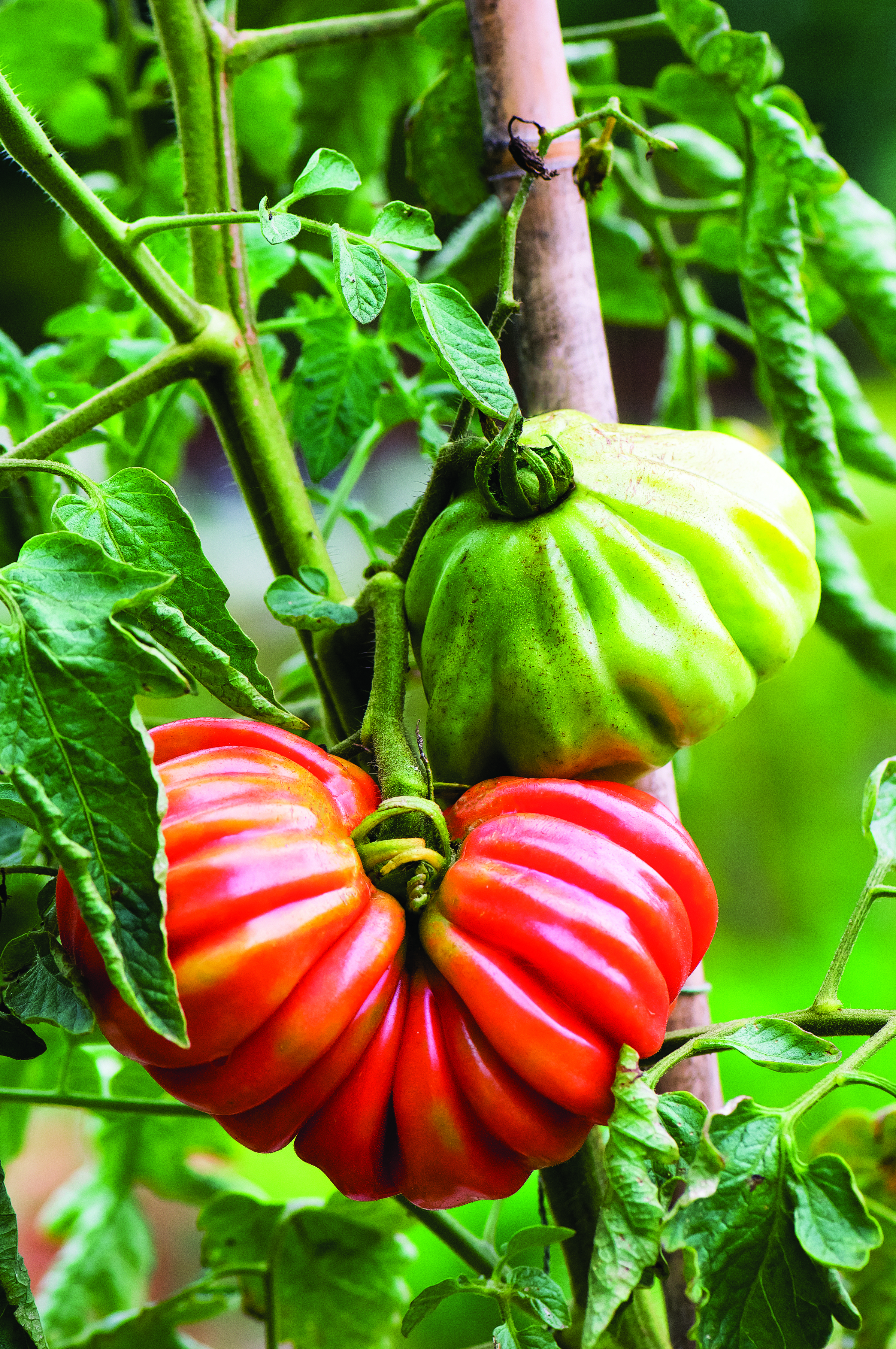
‘Pink Accordion’ tomato
Its pleated shape resembles a satin evening clutch. A great tomato to stuff.
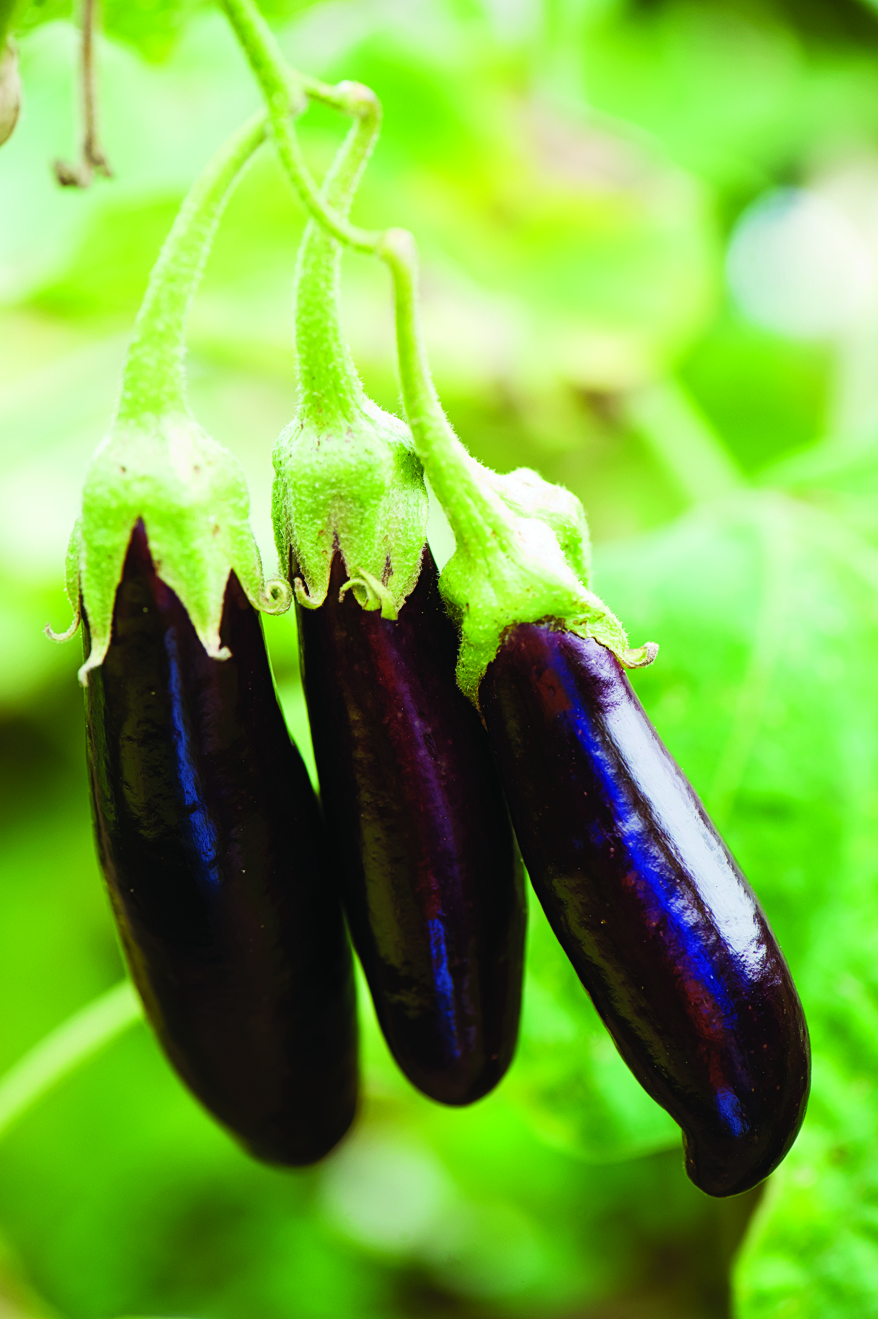
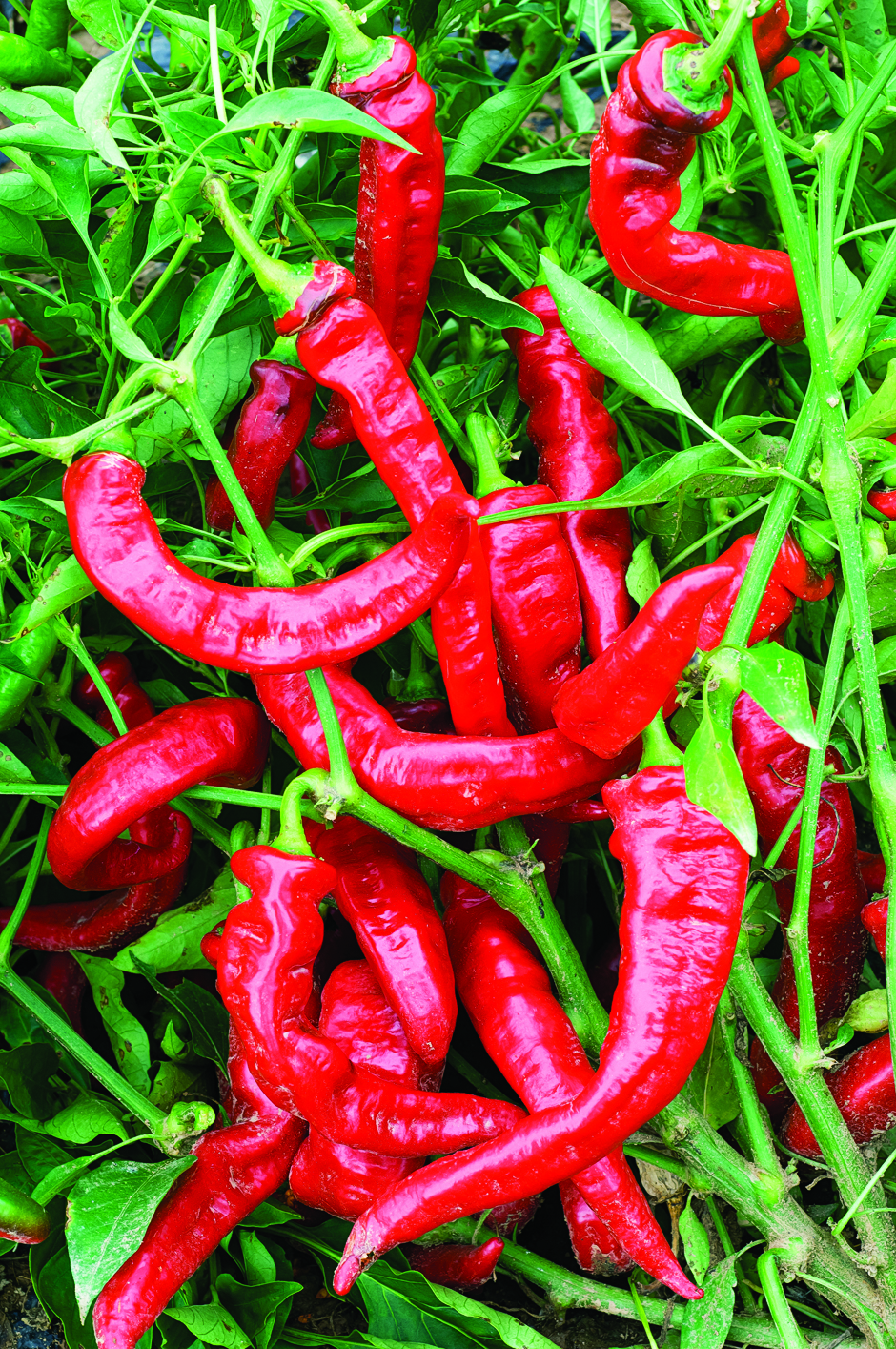
‘Jimmy Nardello’s’ pepper
Its thin skin turns creamy and soft when cooked, especially in stir-fries. Or slice and sauté it for sandwiches.
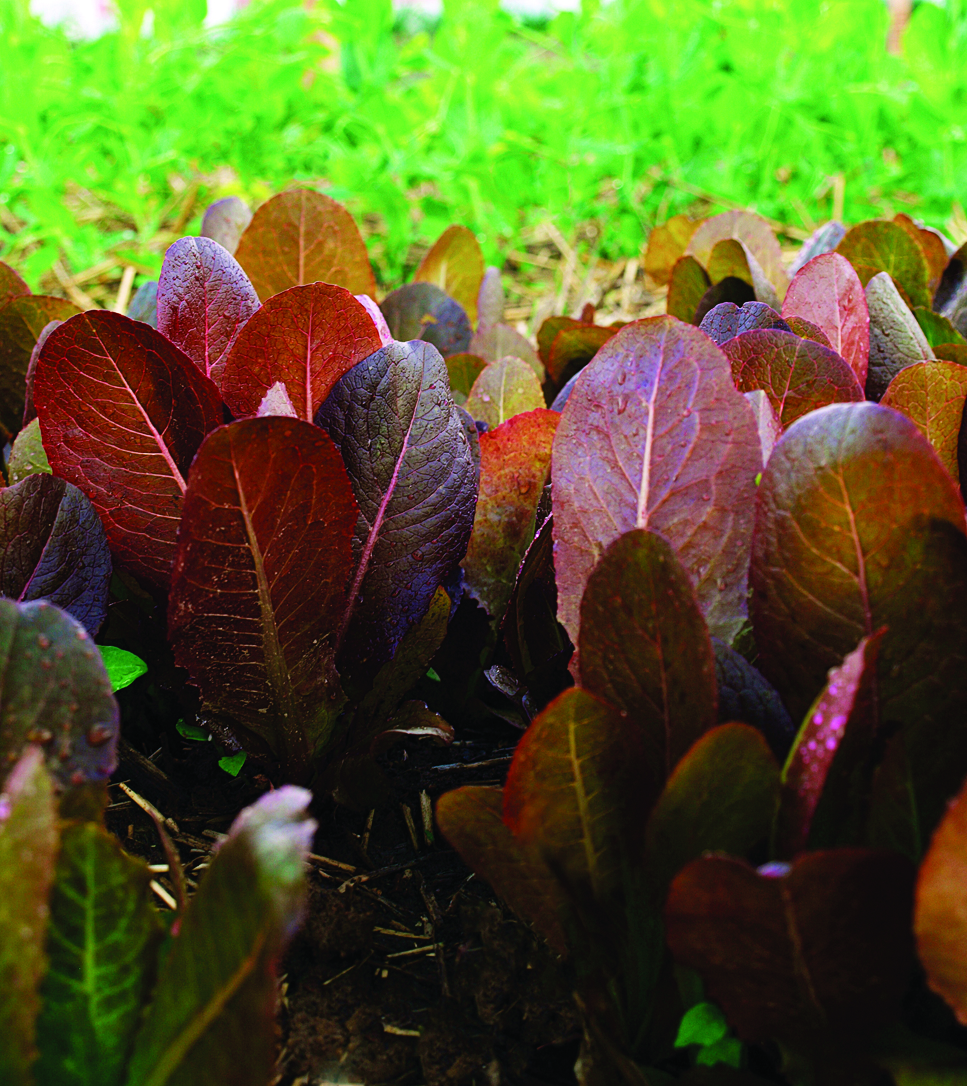
‘Cimmaron’ lettuce
Deep red leaves on this romaine-type head are crisp, juicy, and delicious. Striking in salads.
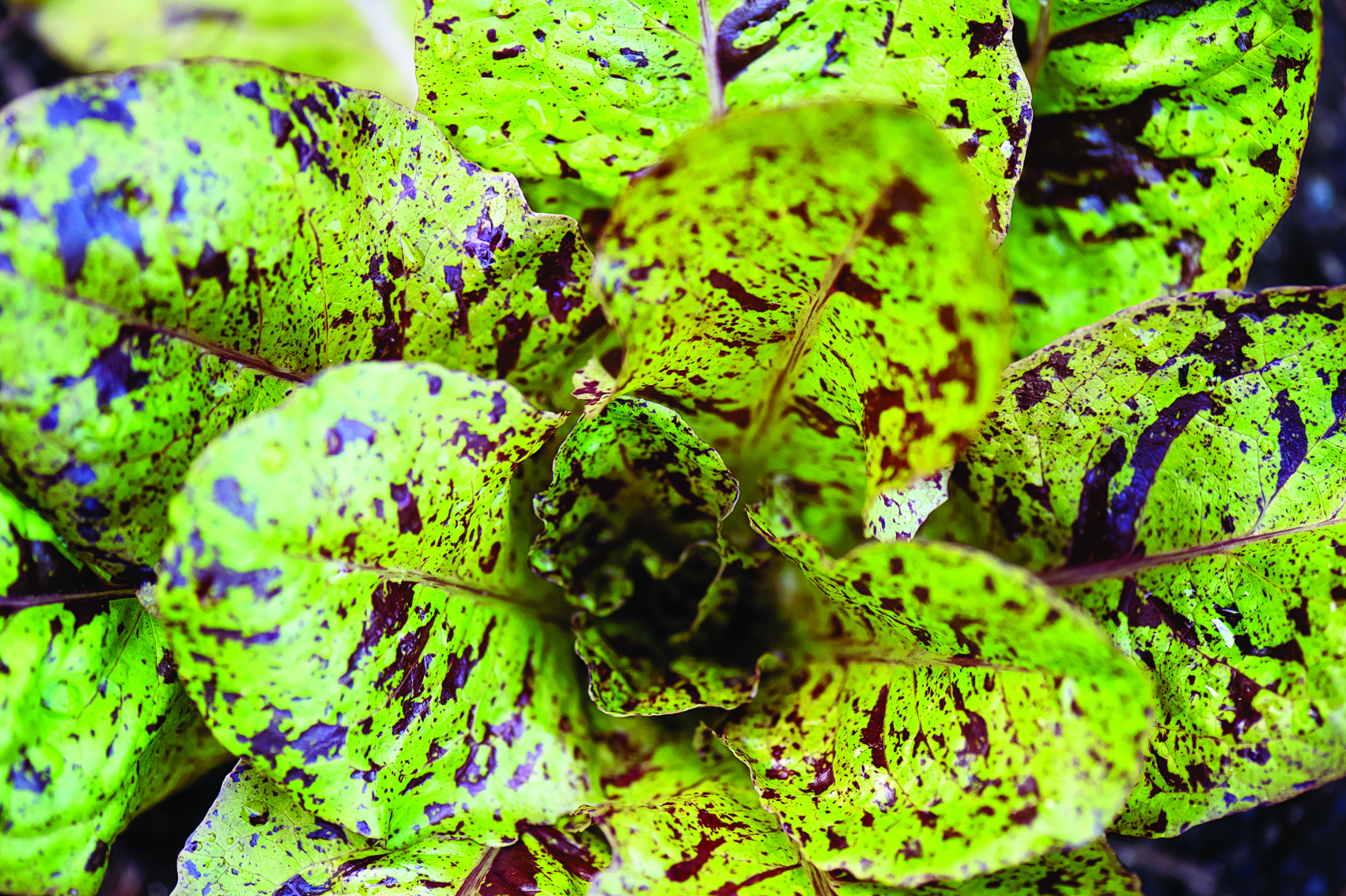
‘Freckles’ lettuce
The red speckles turn darker and darker as temperatures drop and sunlight increases.
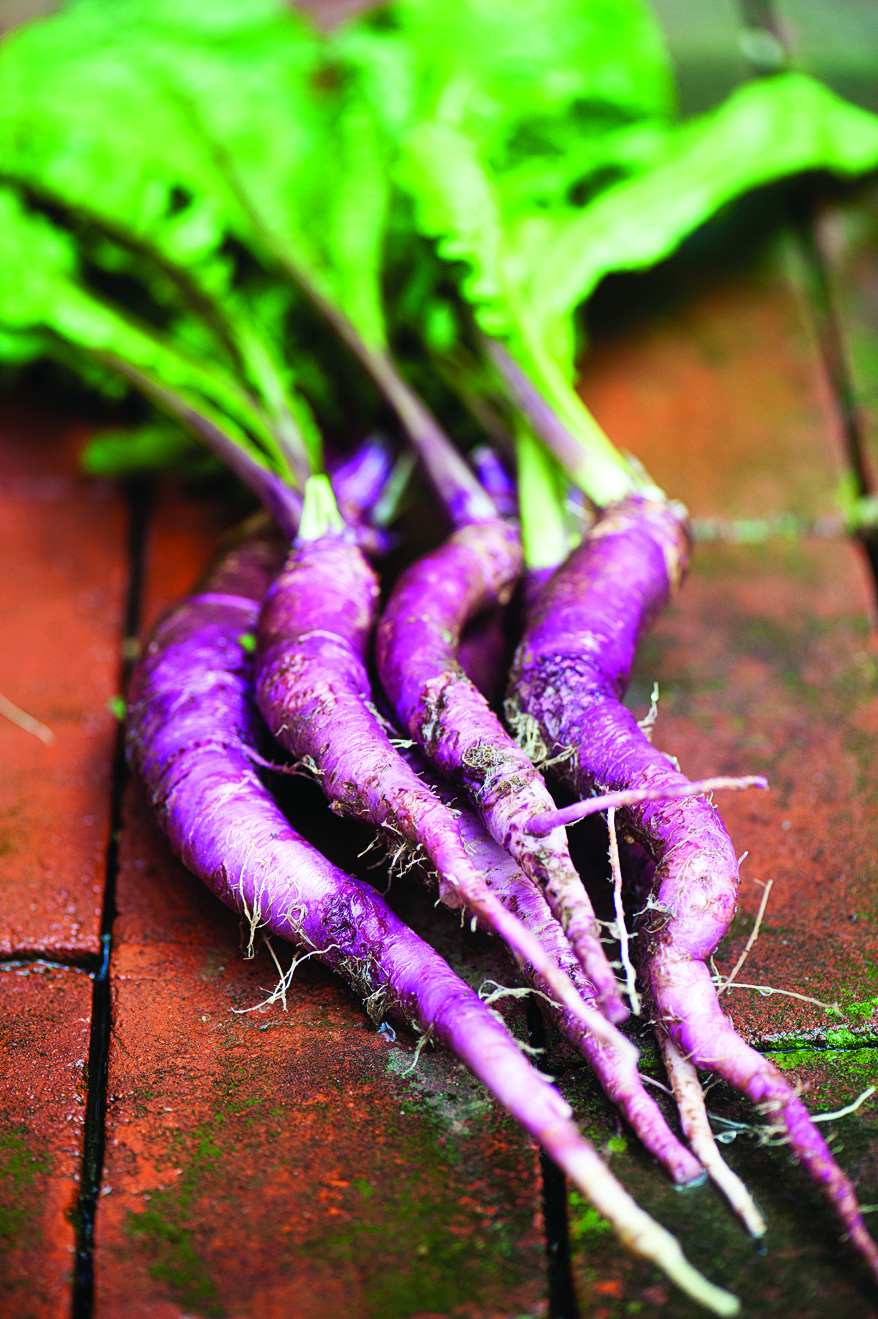
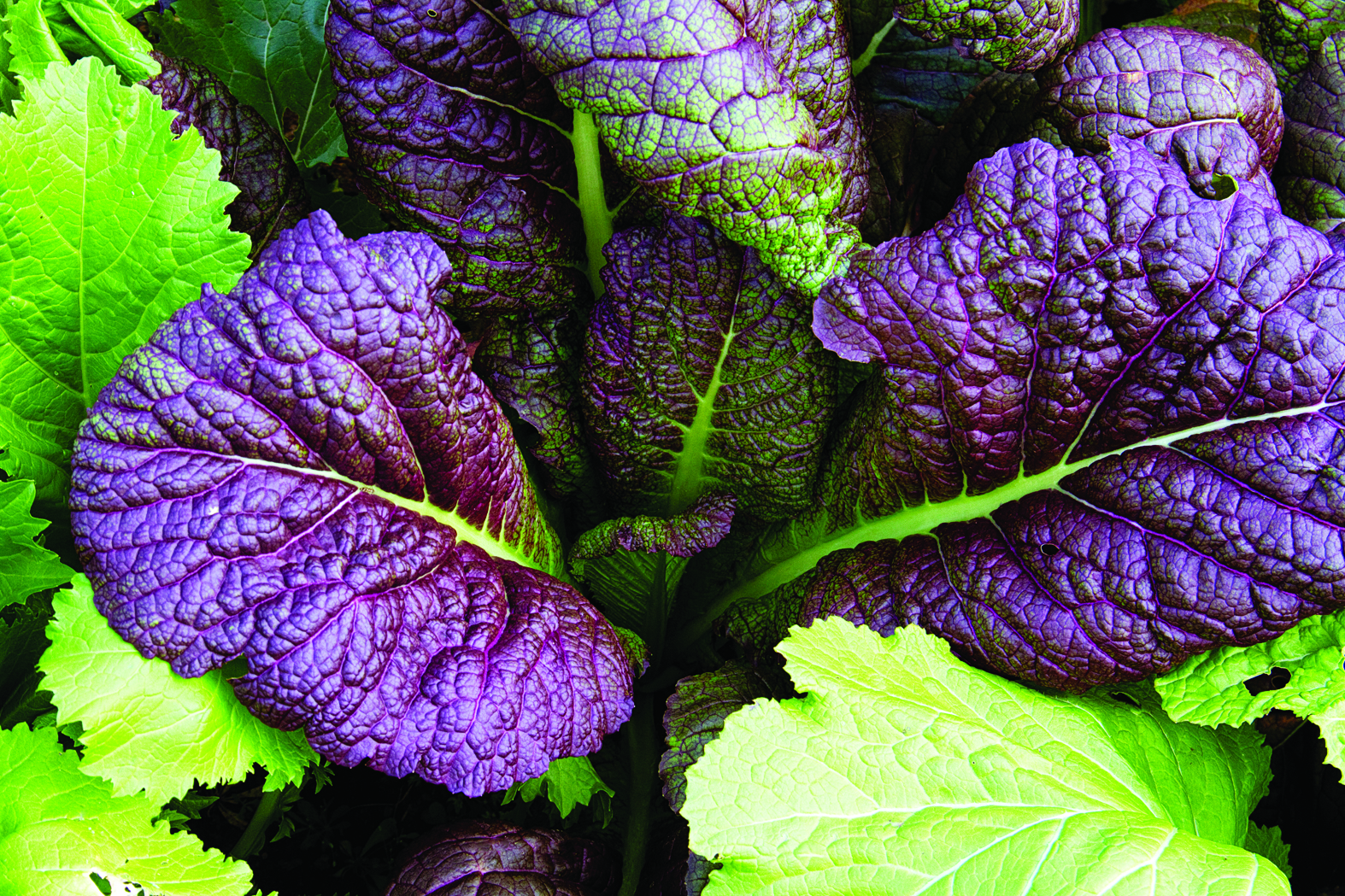
‘Japanese Giant Red’ Mustard
Let the spicy purple-red leaves grow large, then use them in stir-fries or in soup.
Top tips for growing heirlooms
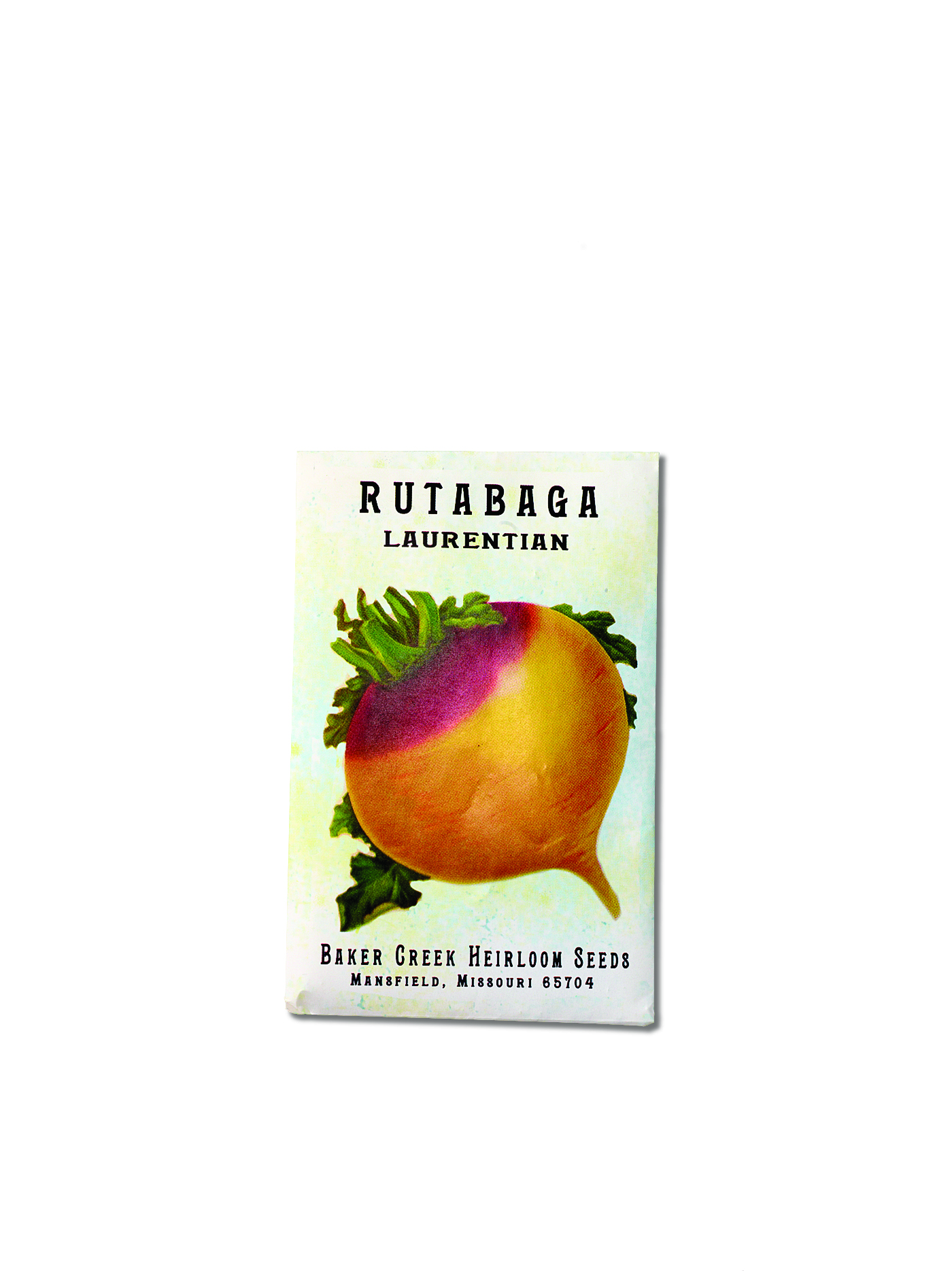
Inspired by a 1990 Sunset article on heirlooms, Jere Gettle put his first seed catalog together when he was 17 years old. Since then, his Baker Creek Heirloom Seeds (rareseeds.com) has become one of the most recognized sources of heirloom seeds; the current catalog offers more than 1,400 varieties. Here are his top tips for growing heirlooms:
1. Start with healthy soil. We mix chicken and duck litter into the soil before planting time. We also mulch heavily with straw each year; as it breaks down, it adds more organic matter to the soil.
2. Choose the right varieties for your area. Look for crops that were developed in a similar climate. If you live in California’s Central Valley, seek out varieties developed in places with really hot summers, like Texas or Thailand. On the coast, try varieties from places with shorter growing seasons, like Norway or northern Japan.
3. Give plants the space they need. If you want to save seeds to plant next year, give the crops enough room this year so that they won’t cross-pollinate. Otherwise, the seed they produce might result in crops next year that look or taste different from the parents. This is especially true for members of the melon, squash, and cucumber family. If your space is small, grow just one variety per year so that cross-pollination can’t happen.