How to Throw the Ultimate (and Historically Accurate) Oktoberfest Party This Fall
Discover the history behind Bavaria’s famous 200-year-old festival, and how to bring its spirit to your next fall party.
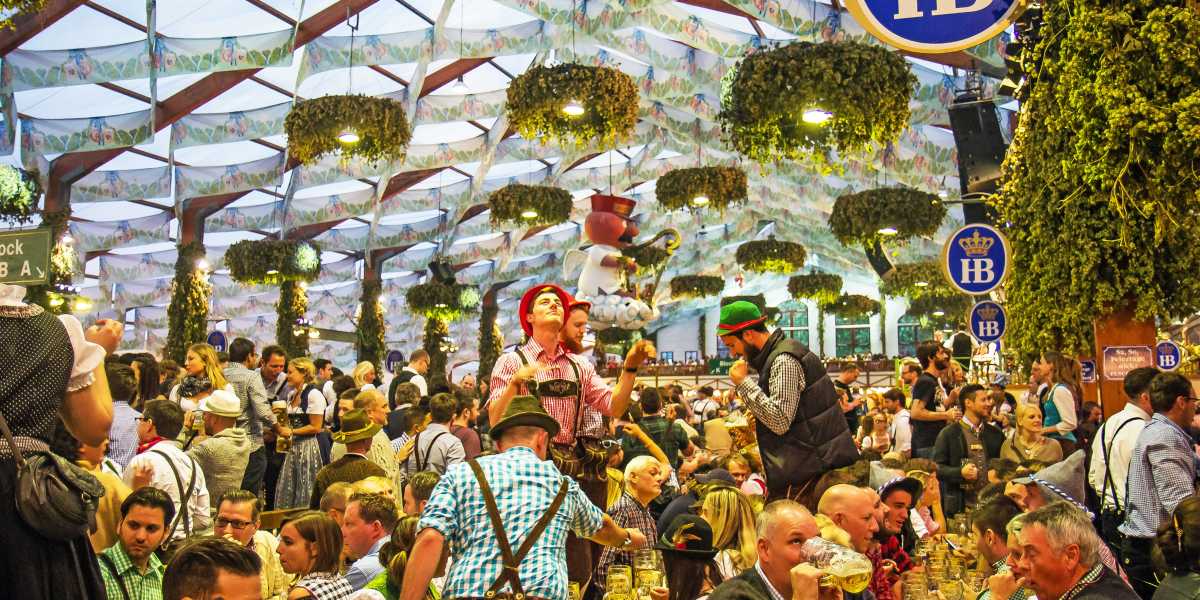
Courtesy of ©München Tourismus, Werner Boehm.
Oktoberfest Beer Hall
Long before Oktoberfest became synonymous with huge beer tents and crowds carrying glass mugs, it represented a wedding celebration—and a horse race.
Festivities began in 1810, when Bavaria’s Crown Prince Ludwig married Princess Therese of Saxe-Hildburghausen. The celebration culminated with a race on October 17 on the Theresienwiese—named in honor of the bride. This meadow, on the outskirts of Munich, remains the festival’s home today.
“Many people believe that Oktoberfest is all about beer, when in fact it is a diverse cultural celebration,” the Oktoberfest press office says.
More than two centuries later, that royal celebration offers inspiration for a gathering closer to home: a long, shared table, roast chicken, warm pretzels, music, and an afternoon for the whole family. Here’s how its traditions developed—and how to borrow their spirit for your own fall party.
The History of Oktoberfest
The original 19th-century event did more than just celebrate the newlyweds. At this time, Bavaria had recently incorporated Franconia—present-day northern Bavaria, including cities like Nuremberg—and the festivities helped reinforce a shared identity, explains Ursula Heinzelmann, a freelance German food and wine writer, author of Beyond Bratwurst: A History of Food in Germany, and curator of Cheese Berlin. The wedding table featured bread, mutton, sausages, beer, and Austrian white wine.
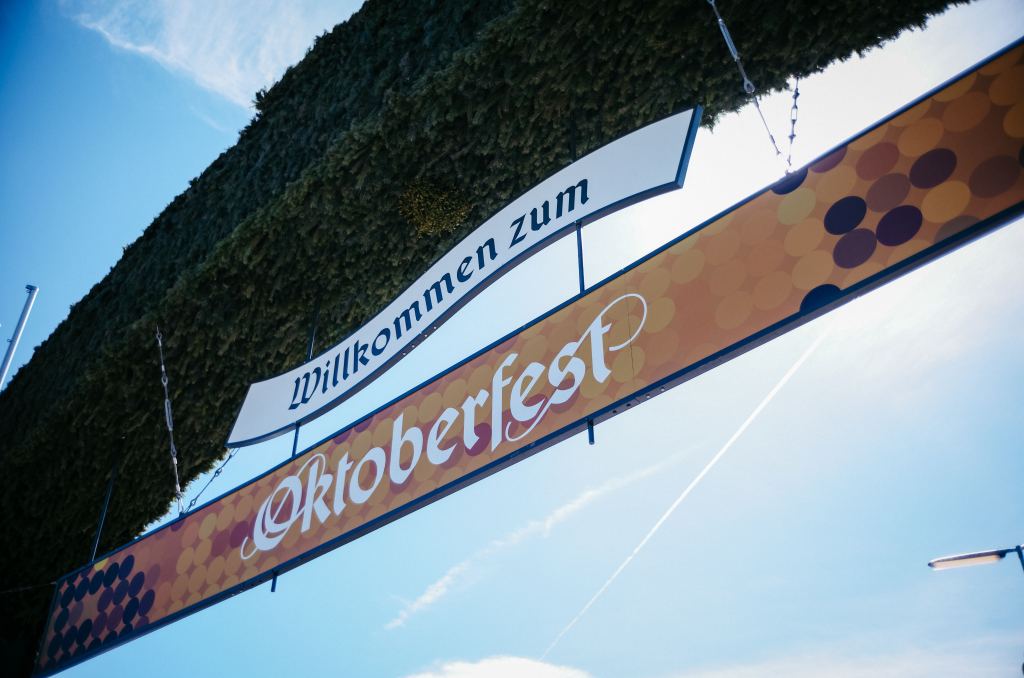
Courtesy of ©München Tourismus, Tommy Lösch.
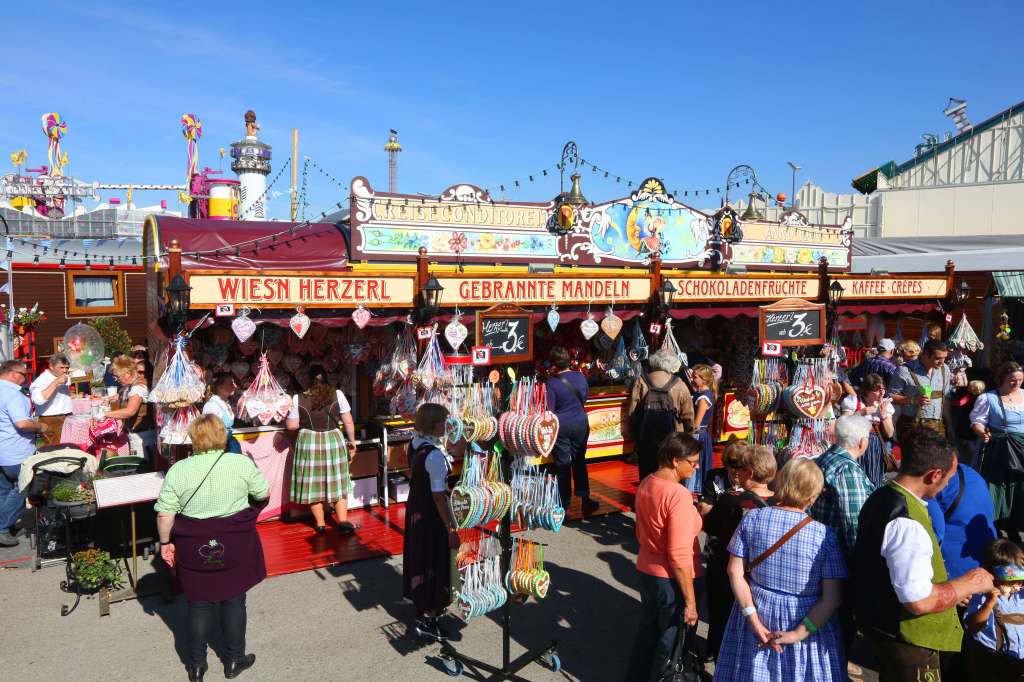
An agricultural show joined the festivities in 1811, connecting the celebration to Bavaria’s farming traditions. Over the nineteenth century, food vendors, amusements, and increasingly elaborate taverns helped transform the royal celebration into a public festival.
By the turn of the century, hospitality had become its own spectacle. Take Georg Lang, for example, who combined five stall plots to build a 2,000-square-meter beer tent with 6,000 seats in 1898. Or the Bräurosl Festival Hall, built by Hacker-Pschorr in 1901, illuminating the façade with hundreds of light bulbs and placing a brass band in a six-sided tower. The images we associate now with Oktoberfest emerged from these expansions rather than royal festivities.
Courtesy of ©München Tourismus, Tommy Lösch.
With more spectators, the timing evolved. The festival moved into September to take advantage of the warmer and longer days, still retaining its October name. Today, the celebration spans from mid-September into early October.
“The festival begins in September because the weather in Munich is usually still pleasantly warm at that time of year, which makes for a more enjoyable experience for visitors,” the press office says.
How to Decorate and Set the Scene
“Beer, pretzels, and Blasmusik, brass bands, may be representative of Bavarian culture, but Germany as such is much more complex and has much more to offer,” Heinzelmann says.
This regional distinction should guide your party. Establish your color palette with blue and white, Bavaria’s colors. Consider white plates, blue napkins, or a simple runner to establish a theme without having to purchase one-time-use decorations.
Courtesy of ©München Tourismus, Dominik Parzinger.
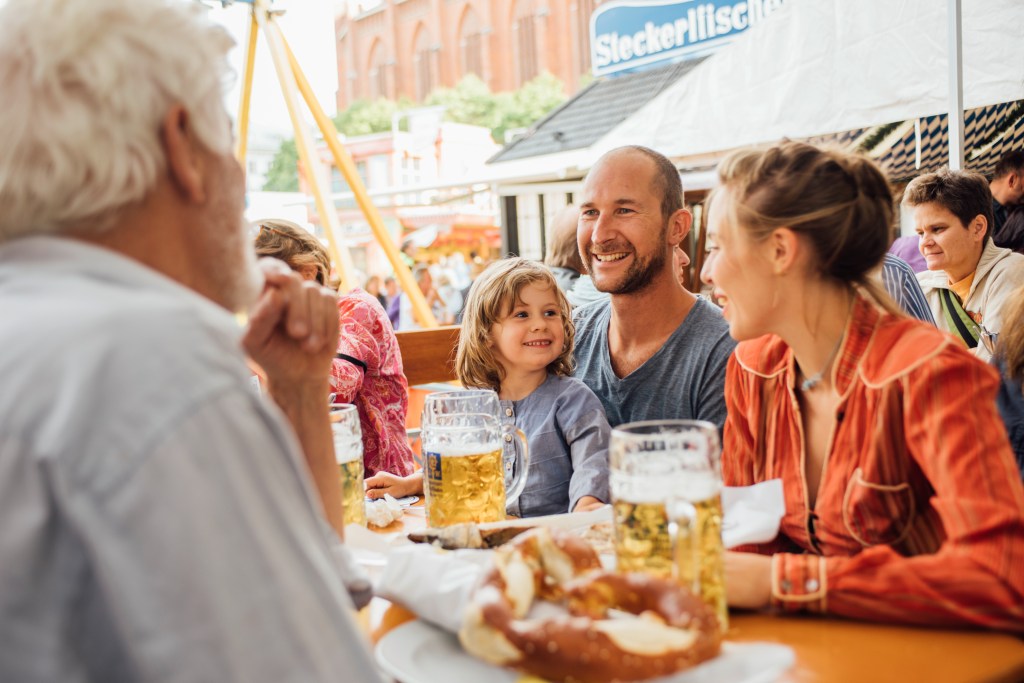
Push tables together so guests can pass plates and seamlessly converse. Set up a separate drinks station, and play some Bavarian brass bands for added ambiance. This setup offers a manageable way to borrow the atmosphere of the festival’s original taverns.
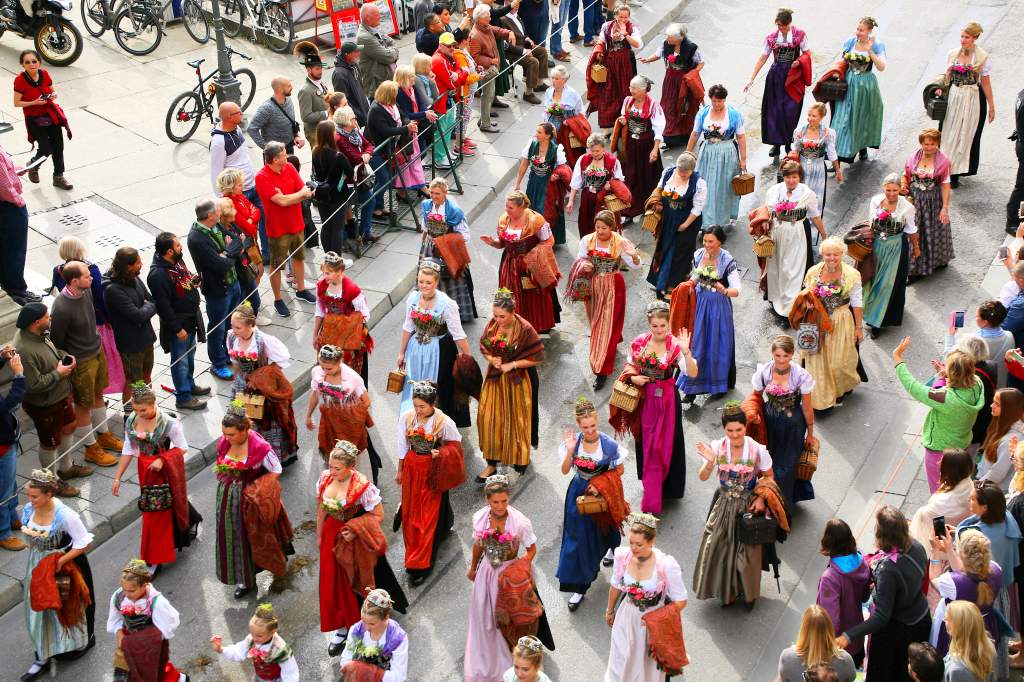
Dirndls and lederhosen—traditional German clothing associated with the festival—are also a part of Oktoberfest’s recognizable look.
Courtesy of ©München Tourismus, Tommy Loesch.
The Oktoberfest website describes the dirndl as being practical clothing for women farm workers in Bavaria and Austria, long before it became festival attire. They also add that women vacationing in the Alps helped turn the dirndl into a fashion trend in the 1930s. This outfit’s journey is another example of how the festival’s traditions have evolved.
For your gathering, we suggest making dressing up optional, keeping the emphasis on a welcoming table.
Plan the Menu—and Think Beyond Sausages and Pretzels
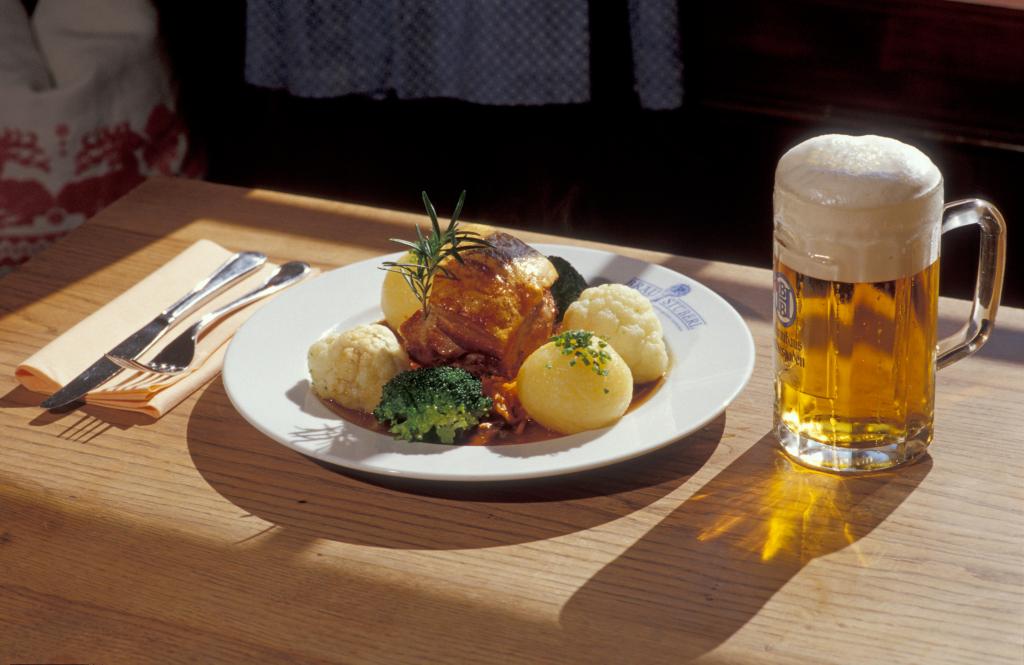
Rightfully so, sausages and pretzels have earned their place at this party. When asked why they’ve become so closely associated with the festival, Heinzelmann explains that, traditionally, “they are the street foods of Bavaria.”
However, Oktoberfest’s menu is much more expansive. Bavarikon notes that in the 1870s, for instance, there were 30 cheese stalls and 20 sausage stalls, alongside vendors selling bread, fruit, sweets, and fried pastries.
Courtesy of ©München Tourismus, Bernd Roemmelt.
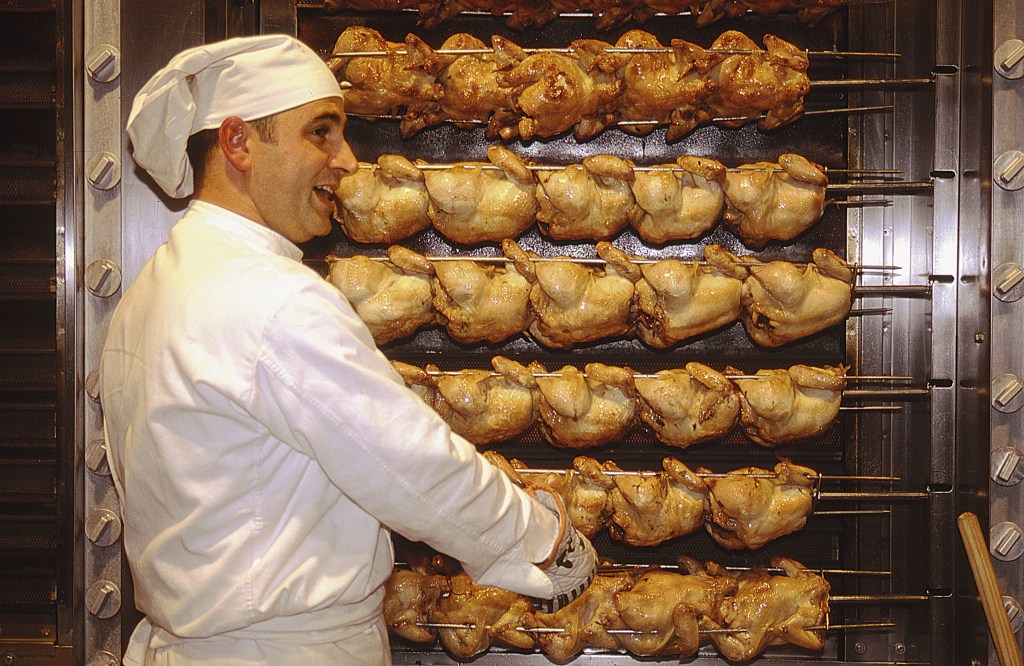
People might not know that roast chicken is also a popular festival food, with a particularly tasty backstory. There was a time when guests once brought their own birds and paid festival stands to roast them. Josef Ammer, for example, brought his chicken-roasting business to Oktoberfest in 1885. “However, until the Second World War, roast chicken had not yet achieved its status as one of the most famous Oktoberfest dishes and was more of a culinary specialty,” Bavarikon adds.
At home, make our roast chicken with herbs your centerpiece, and serve bratwurst, soft pretzels, and mustard alongside it. Another Bavarian option is finding weisswurst—white sausages—and following the package’s cooking instructions rather than simply grilling them. Add some delicious toppings like radishes, pickles, and sauerkraut.
Courtesy of ©München Tourismus, B. Roemmelt.
And if you’re having vegetarians over, there are traditional options for them, too. Oktoberfest’s official food guide lists cheese spaetzle—a German-style mac & cheese—as well as dumplings with mushrooms in cream sauce, potato soup, and sauerkraut strudel. Any of these would be a cozy addition to a home menu.
For desserts, feature the festival’s most loved sweets like candied almonds, cake, or decorated gingerbread hearts.
Know Your Pour
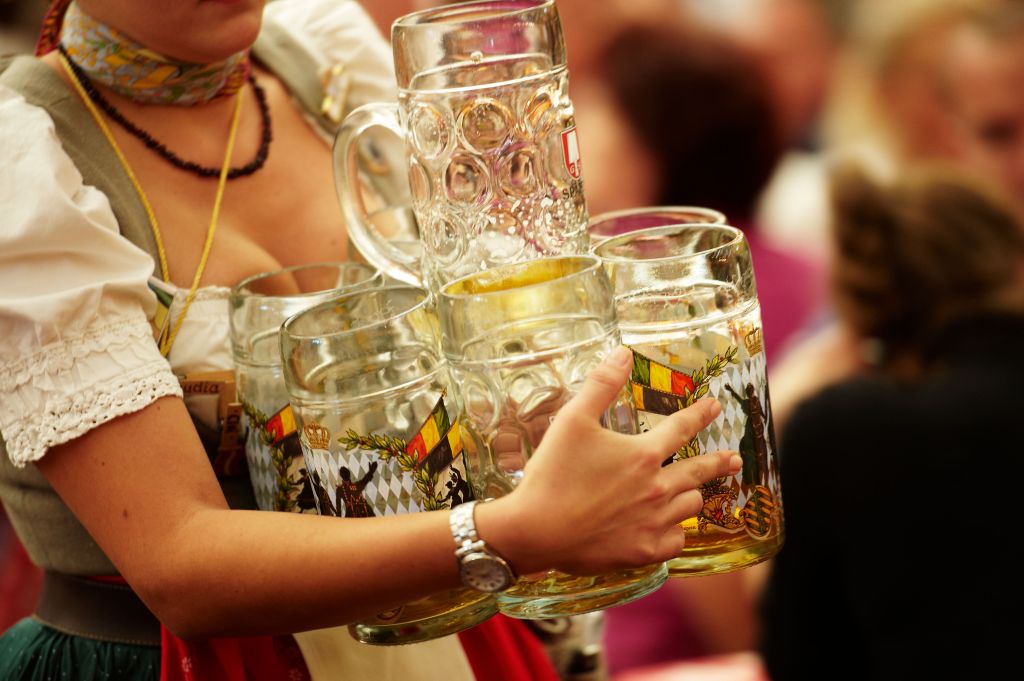
“Beer by tradition has been the standard drink in Bavaria, almost regarded as a staple foodstuff, like wine would be in wine regions,” Heinzelmann says.
Courtesy of ©München Tourismus, Frank Bauer.
Early visitors drank ordinary pale and dark beers instead of special festival brews like you see today. This all started to change in the late 1800s, when tent proprietors like Michael Schottenhamel started serving stronger, paler beers modeled on Vienna-style brewing. The golden beer associated with the festival came later. Augustiner-Brau, Munich’s oldest private brewery, developed a pale festival beer in 1953. According to Bavarikon, the style really gained popularity in the 1960s and ‘70s.
This beer evolution is the perfect opportunity for hosts to do a tasting! Offer an Amber Märzen, a Pale Festbier, and Heinzelmann’s recommendation: Helles, a pale Bavarian lager, and cloudy wheat beer. Give small tasting pours and make cards identifying each style.
For a Western approach, look into California-founded Sierra Nevada Brewing Co., particularly their 2026 Oktoberfest, which was made in collaboration with Bavarian brewer Hoppebräu. This lager, with a unique biscuity flavor thanks to Munich malt, is a 6% ABV Festbier.
Have Some Activities, Too
“In addition to beer and food, traditional music, dancing, folk costume contests, parades, and toasting with friends are key elements,” the press office says.
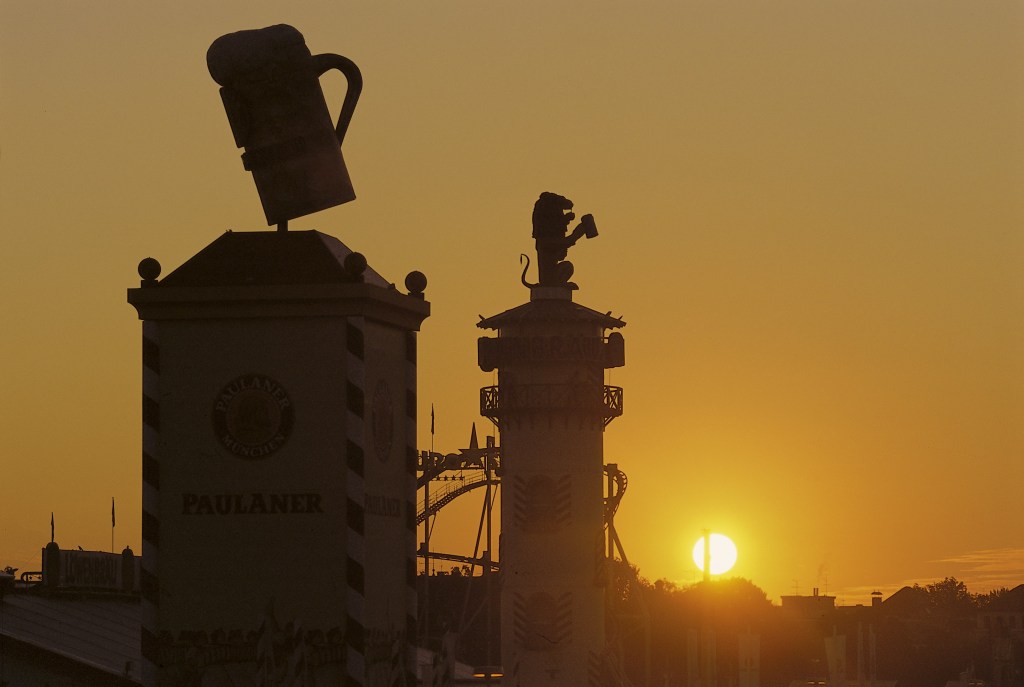
Rollercoasters and attractions are also part of the tradition. For this year’s Oktoberfest, fairground culture was added to the country’s National Register of Intangible Cultural Heritage, encompassing rides, games, amusements, and mobile food stalls. It also highlights technical skills, craftsmanship, and knowledge passed down among fairground families. For your gathering, have a designated space for lawn games, like a simple bean-bag toss, or a dance floor.
Courtesy of ©München Tourismus, B. Roemmelt.
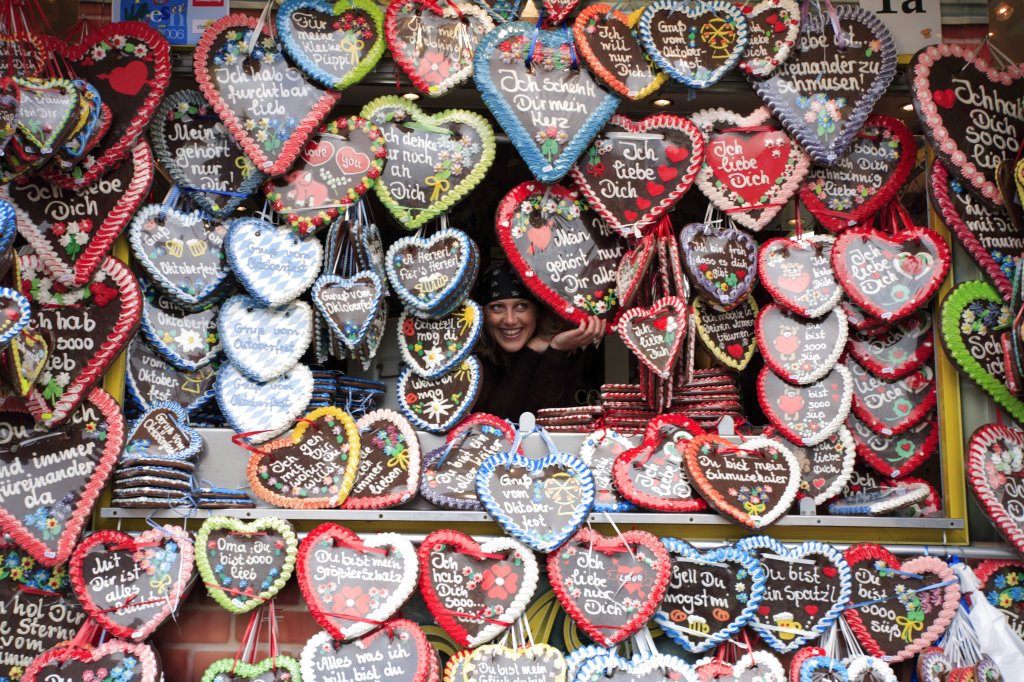
Decorated gingerbread hearts, often worn on ribbons, are the perfect family-friendly souvenirs. Bake heart-shaped cookies ahead of time, then set out icing and edible decorations so kids can decorate as they please. Use the official Oktoberfest gingerbread heart recipe as a starting point.
Make the preparation manageable: Prepare cold side dishes the day before. Set the table and organize a drinks station early in the day, and make sure the chicken, sausages, and pretzels are warm as guests start arriving.
Courtesy of ©München Tourismus, B. Roemmelt.
10 Must-Haves for Your Oktoberfest Party
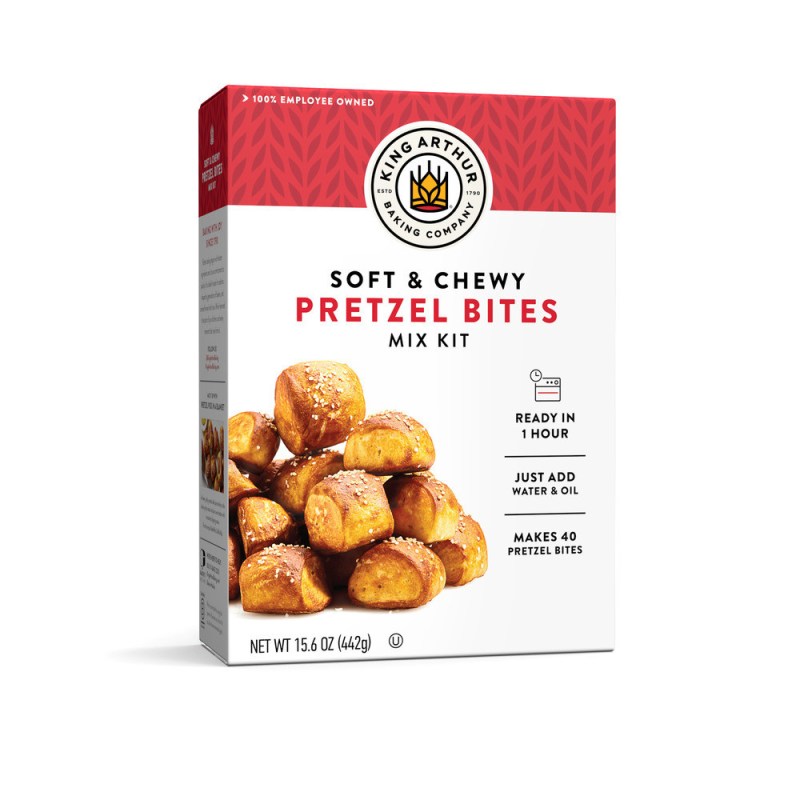
King Arthur Soft & Chey Pretzel Bites Mix Kit
Warm pretzels anchor the snack table. This kit makes about 40 bite-size pieces and includes the mix, yeast, glaze, and pretzel salt; you add water and oil. Having bites, rather than full-sized pretzels, makes passing and dipping easier.
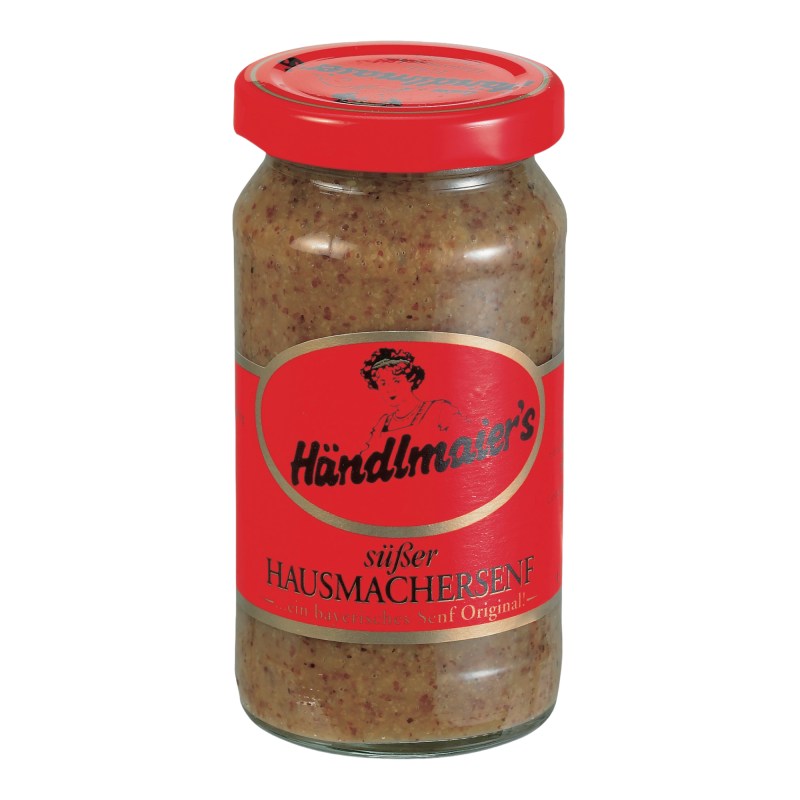
Händlmaier Original Regensburg Bavarian Sweet Mustard
Sweet mustard is a key companion to weisswurst and a great addition to your pretzel spread. This Bavarian sweet mustard is famously known for its distinct sweetness derived from brown sugar.
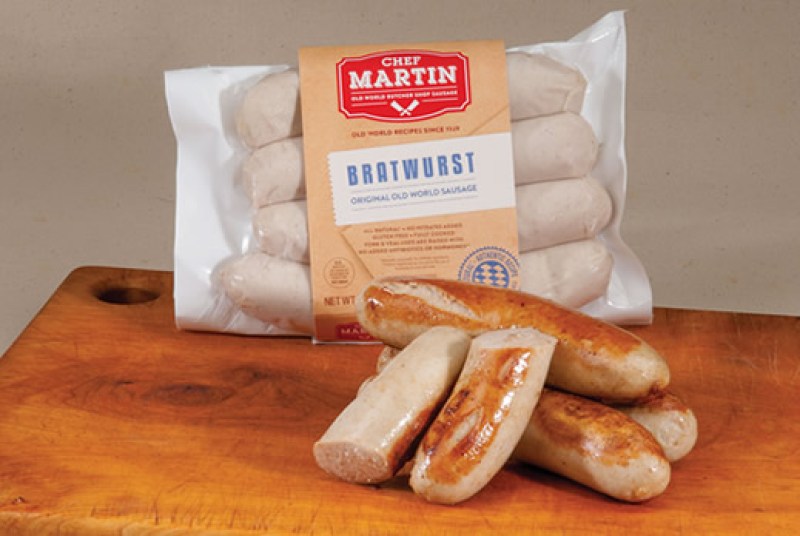
Chef Martin Original Bratwurst
These fully cooked pork-and-veal sausages make the main course easier to organize. Heat them according to the maker’s instructions and serve on a shared platter with mustard and pretzels. Order ahead to allow time for delivery and thawing.
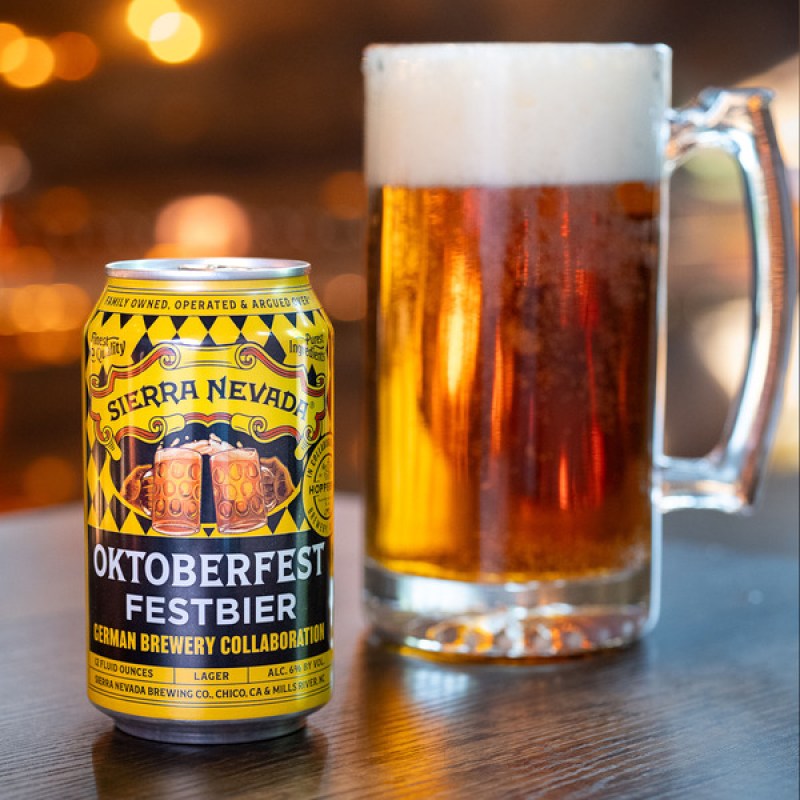
Sierra Nevada Oktoberfest
This seasonal release combines a California brewery with Bavarian brewing expertise. The 2026 Hoppebräu collaboration is a Festbier, so it’s a good pour for the pale side of your tasting. Availability and collaborators change, so check the current release when planning.
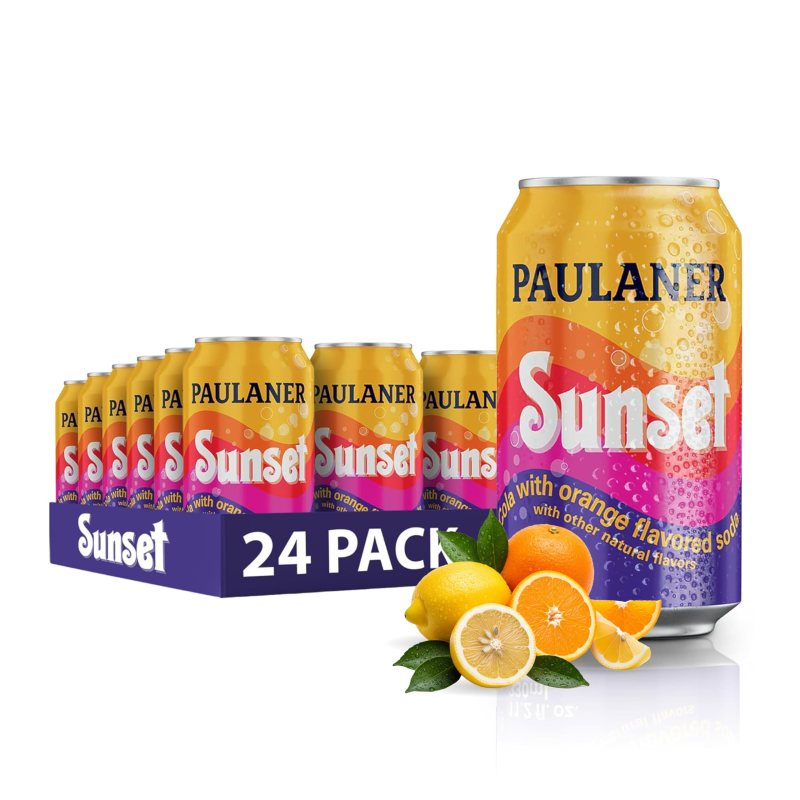
Paulaner Sunset Classica Orange Cola
A nonalcoholic choice should sit on the menu next to the beer. This German orange-cola soda adds another flavor to the drinks station and can be served in the same festive glassware. And have water and a non-caffeinated option too.
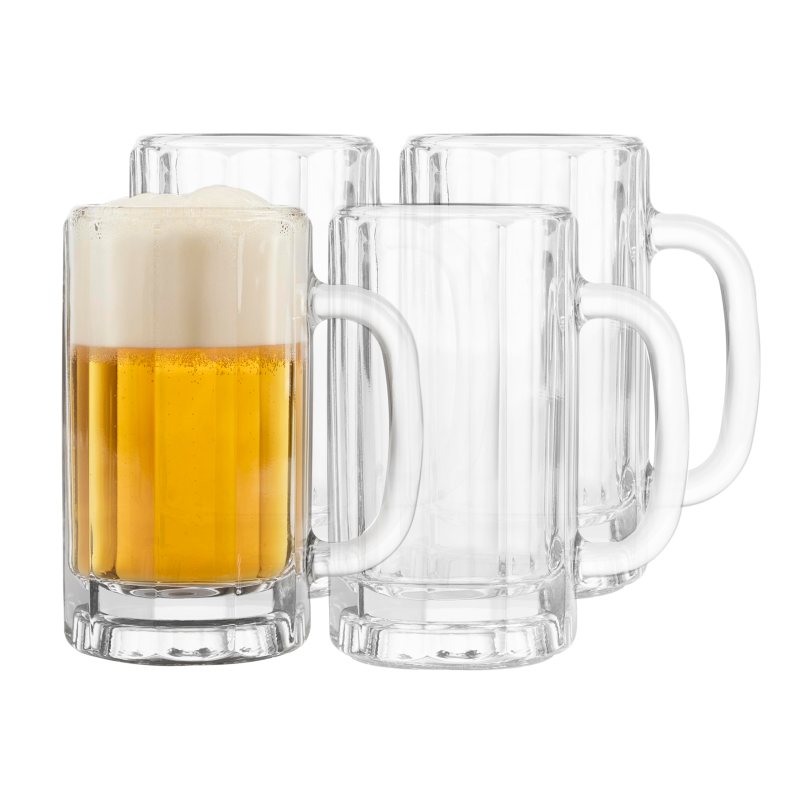
Libbey Heidelberg 16-Ounce Glass Beer Mugs, Set of Four
Glass mugs bring the beer garden look to your table, in a smaller size than the one-liter vessels of Munich. Use them for beer, soda, or sparkling water, and pour less than a full mug when serving tastings.
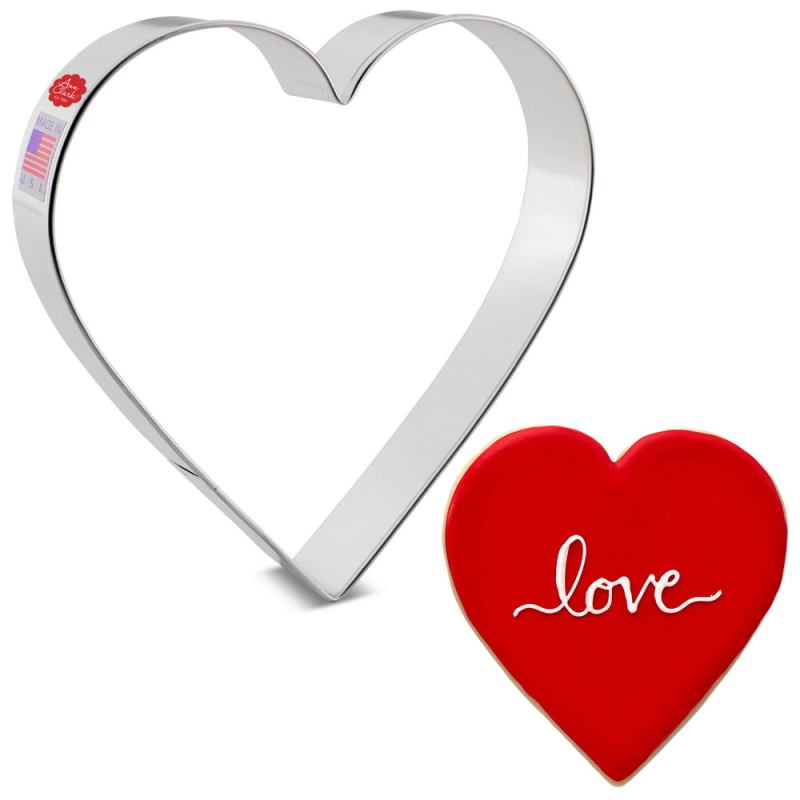
Ann Clark 4-Inch Heart Cookie Cutter
Here’s where cookie decorating starts. This cutter makes manageable heart-shaped cookies for guests to decorate and take home, a smaller interpretation of the festival’s gingerbread souvenirs.
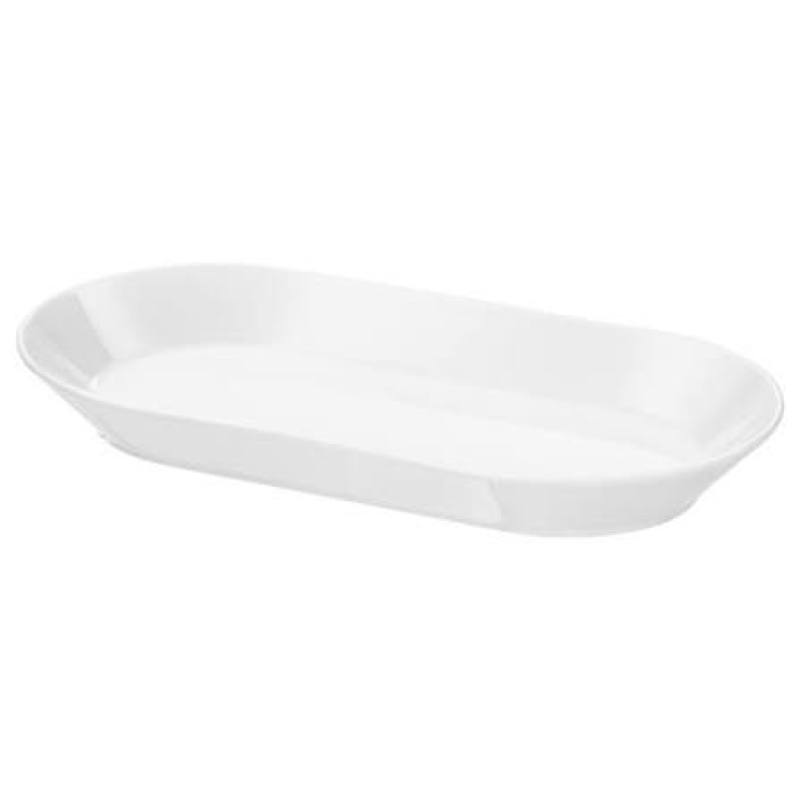
IKEA 365+ White Serving Plate, 14 by 8 Inches
Shared food needs a shared plate. This white porcelain plate is perfect for serving sliced sausages, pretzel bites, or cheese. It is dishwasher-safe for cleaning and matches the blue and white table scheme.
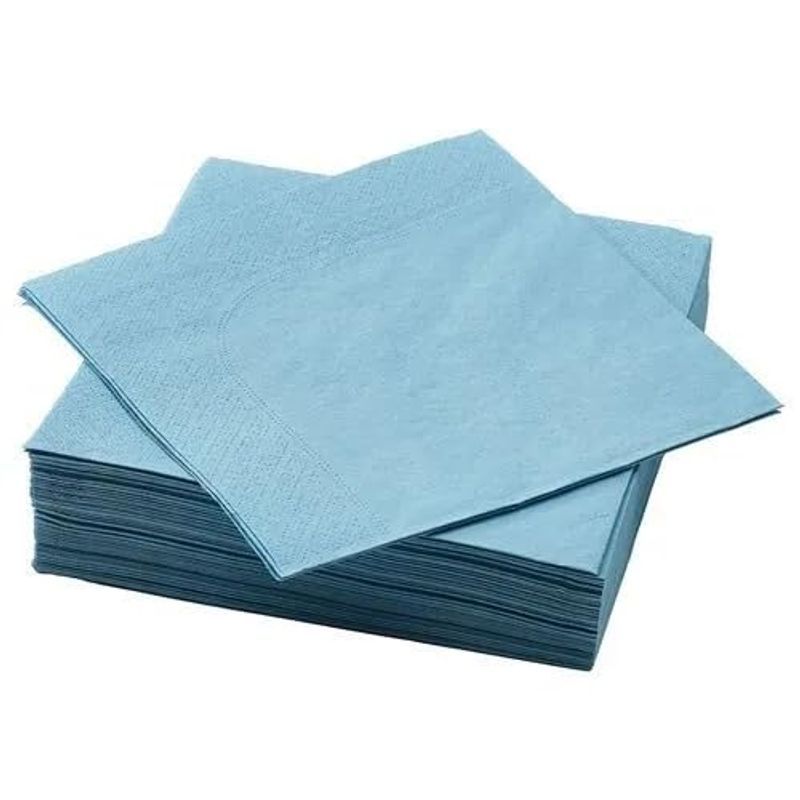
IKEA FANTASTISK Gray-Blue Paper Napkins
These blue napkins provide a subtle pop of color to white dinnerware. A pack of 50 includes extras for mustard-covered fingers and the cookie-decorating table.
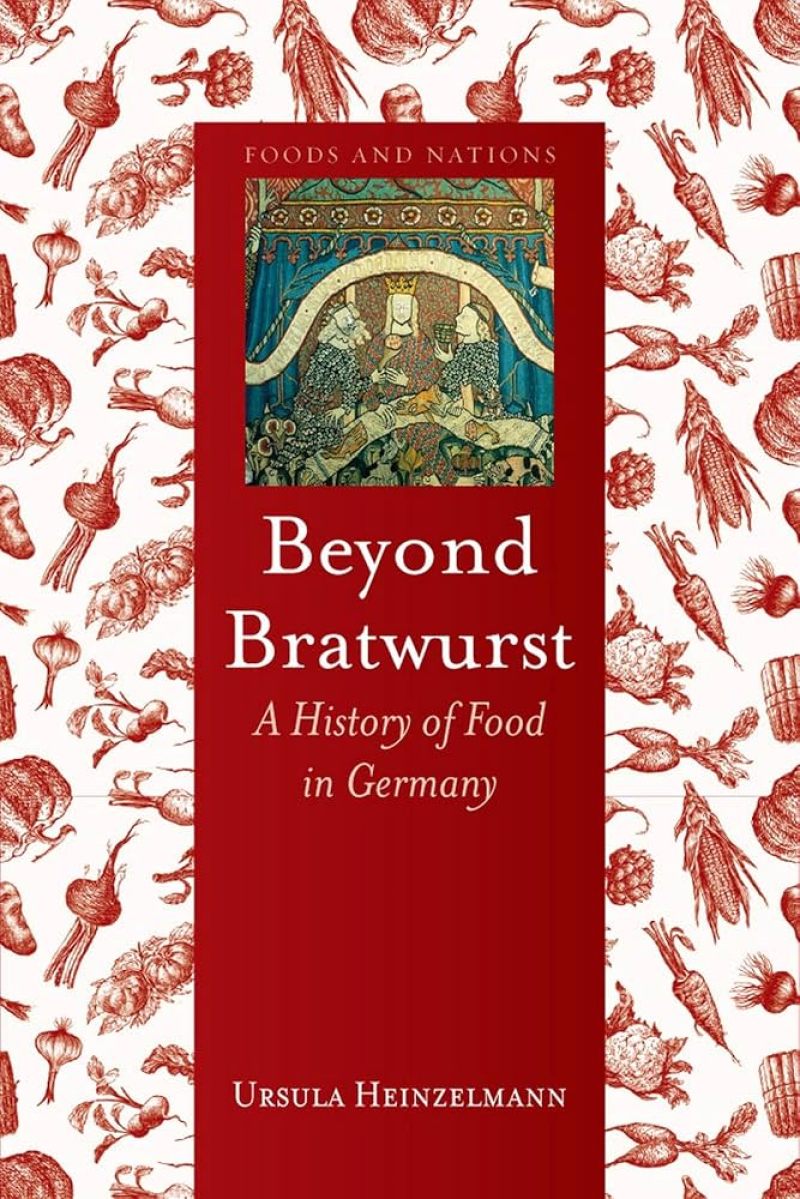
Beyond Bratwurst: A History of Food in Germany
For hosts who want to explore the history further, Heinzelmann’s book places the party’s menu within Germany’s wider food culture. Read it while planning, or leave it out for guests curious about the stories behind the spread.
We only recommend things we love. If you buy something through our site, we might earn a commission.