
Is This Kitchen Staple Going Obsolete? Designers Weigh In
Nowadays, subtlety is key.
Cooper Pacific
Most design lovers know that lighting can make or break any room, but in the kitchen, it’s non-negotiable. Vibes aside, it’s important to illuminate the areas you’ll use for slicing, dicing, cooking, and the inevitable cleanup. For years, hanging a large pendant over a kitchen island was the de facto light fixture, but now? Designers aren’t quite sure.
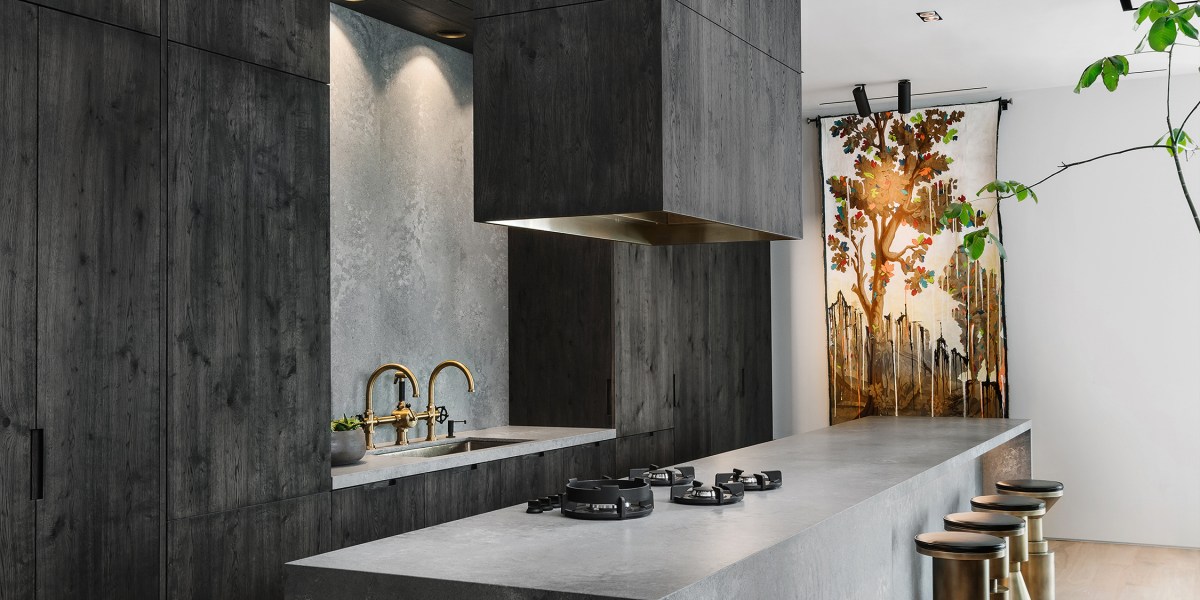
According to a recent report from 1stDibs, 52 percent of participating designers said magnanimous overheads are yielding to lights that are carefully integrated into a kitchen’s millwork. For Steven Cooper, founder of Cooper Pacific Kitchens in West Hollywood, this lighting trend is indicative of a larger shift in culinary spaces: Kitchens, he says, are becoming more architectural and less decorative.
“Clients want spaces that feel calm, seamless, and integrated into the rest of the home rather than a collection of objects hanging from the ceiling,” he explains. “Layered lighting has become a major design focus in kitchens and can work better than relying on one hero fixture in some cases.”
He has a point: As sculptural statement hoods and discreet wet bars continue to be in vogue, the kitchen is slowly but surely becoming the star of your home design. Pendants, though once the go-to way to add some style to this food-focused area, can overwhelm.
“They used to be fun accents that you could do in the kitchen,” adds Kilian Camp, principal designer of Élan Design House in San Diego. “But now, we feel they can take away from the main features in the kitchen and be too distracting—especially in smaller or mid-size kitchens where it can feel too tight and busy for something to hang down from the ceiling.”
Design by and photo courtesy of Cooper Pacific
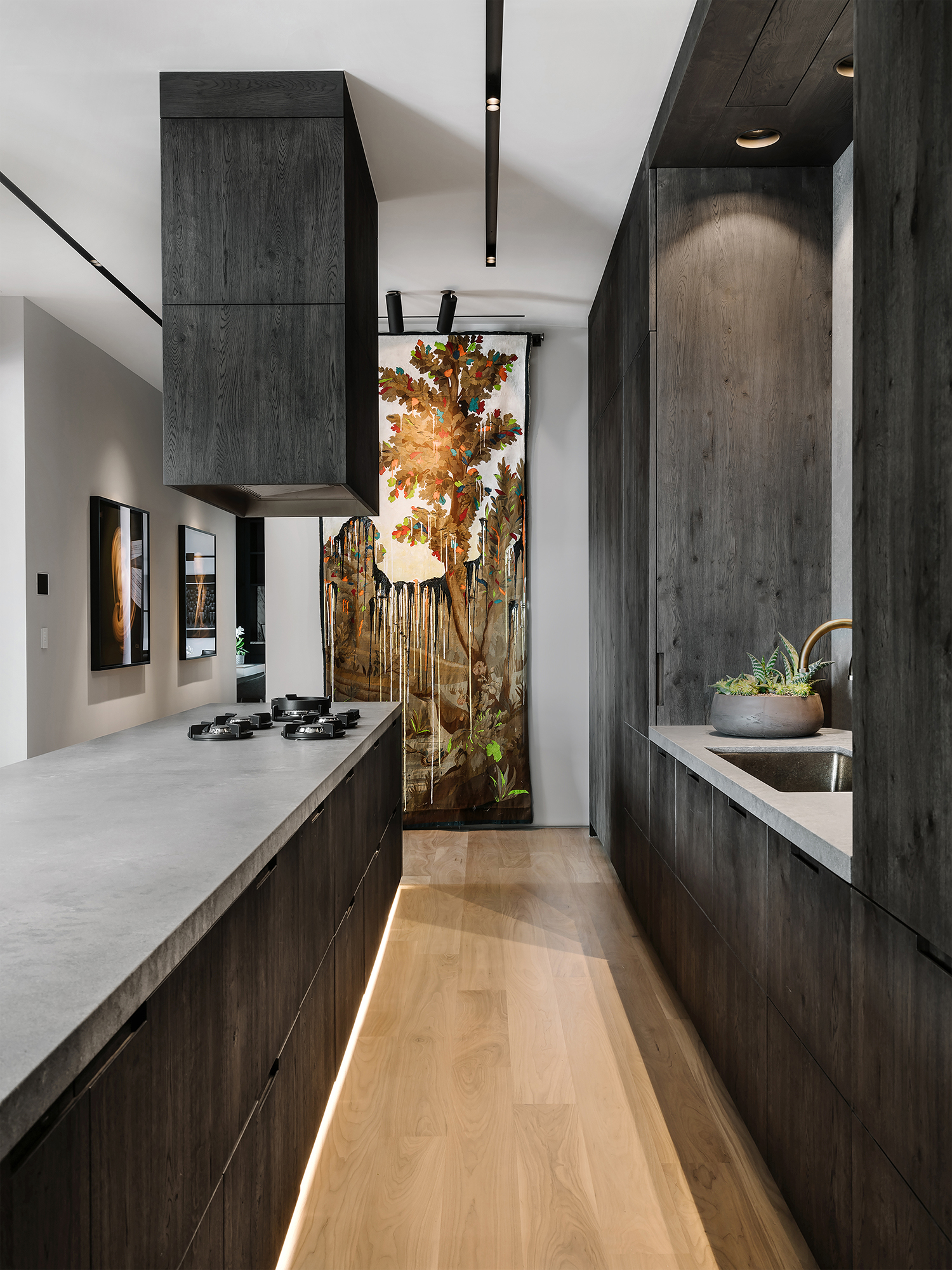
Instead, designers agree the secret to a well-lit space is an assortment of layered, less-obvious fixtures. Cooper’s goal is to make kitchens feel illuminated as opposed to lit, so he prefers multiple light sources: Recessed downlights with very tight beam spreads, under-cabinet LED lighting for task areas, toe-kick lighting for floating effects at night, interior cabinet lighting for open shelving or glass fronts, and small sculptural sconces instead of overhead fixtures.
“The best kitchen lighting is usually the lighting you barely notice,” Cooper says. “If people walk into the room and immediately feel calm, comfortable, and drawn to the materials, then the lighting has done its job.”
But beware: While a well-lit kitchen is crucial, Cooper says there’s a fine line between bright and, well, too bright. “People think brighter equals better, and they end up with kitchens that feel like operating rooms,” he explains. “A kitchen should have ambient light, task light, and accent light working together.”
If revamping your entire lighting design seems overwhelming—and understandably so—start by focusing on your cabinets. “Soft illumination inside oak or walnut cabinetry turns the cabinetry itself into architecture,” Cooper says.
The rise of layered, integrated lighting might eclipse oversized pendants, but that’s not to say they’re gone for good. Rather, balance is key. Alison Green, another principal designer at Élan Design House, says there’s still a time and a place for these popular pendants.
“If you have a large-scale kitchen with tall ceilings and fun architectural details, a hanging light can be more subtle and architectural to coordinate with that simplicity,” she says. “But you need to be certain it will not be distracting in the room as a whole.”
When a kitchen does call for a larger, overhead pendant, less is more. Cooper generally prefers a single, gargantuan option over a trio of smaller fixtures that hang over a kitchen island. But whether you choose to make a statement or prefer something more understated, consider this to sign to get your shine on.