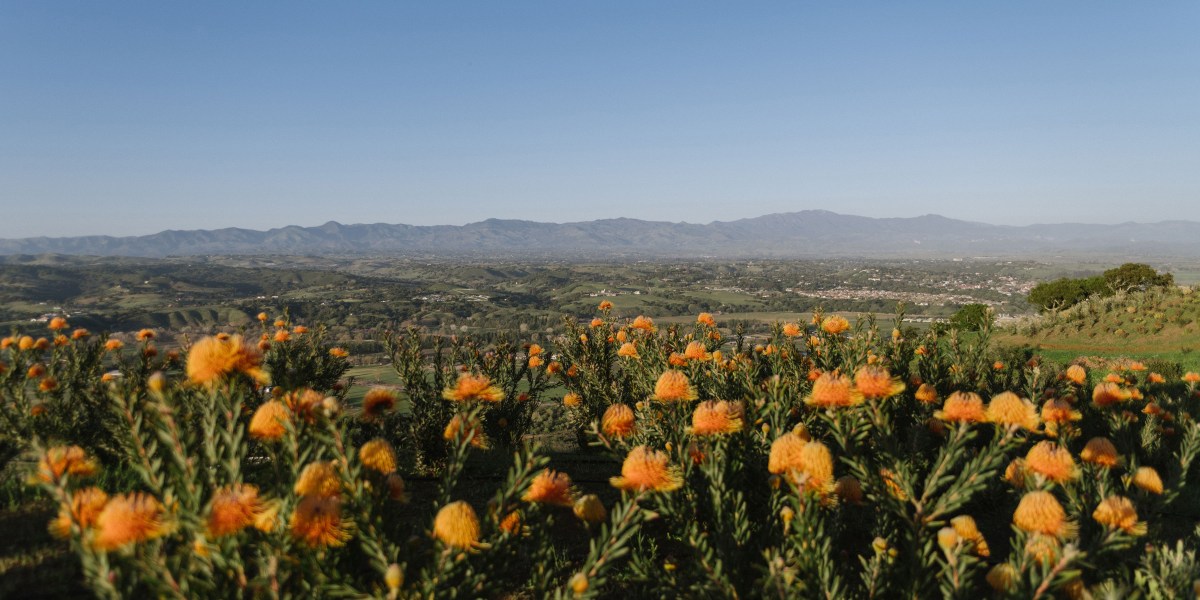
These Are the Road Trips Worth Taking for America’s 250th Birthday
From the Mother Road celebrating its centennial to the loneliest highway in Nevada, here’s how to celebrate America’s birthday.
Getty Images
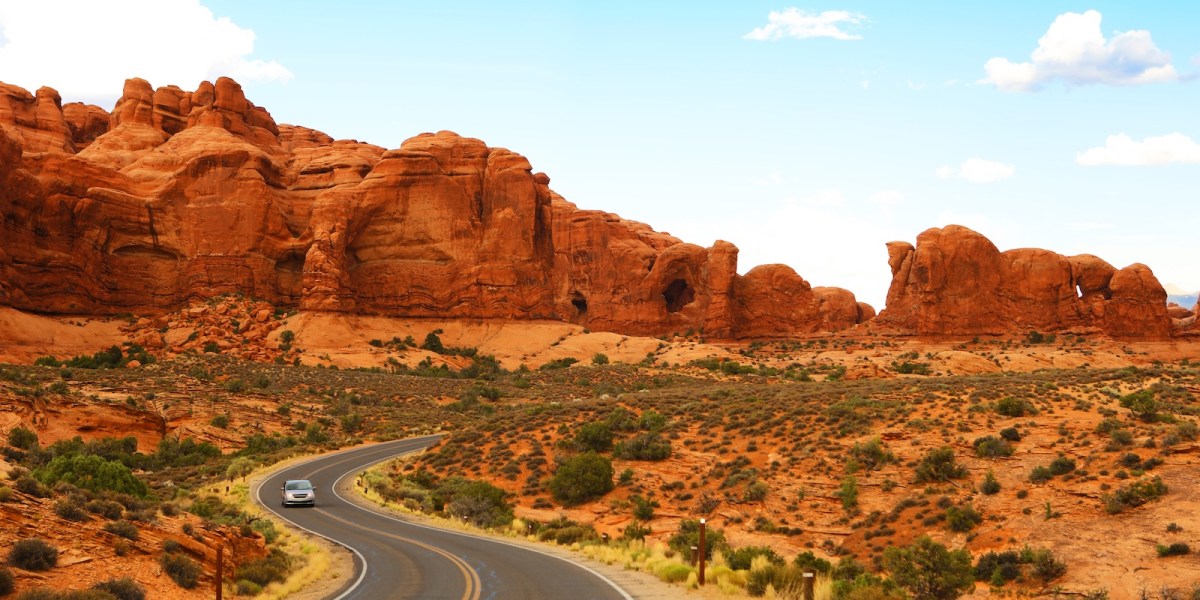
A single car driving on a scenic road at Arches National Park.
Sunset has been covering the American West since 1898, which means we’ve been around for more than half the life of this country. Jack London, John Muir, and Zane Grey wrote for us. Maynard Dixon illustrated our covers for 30 years (his lithographs now hang in the Metropolitan Museum of Art). Cliff May, the father of the California ranch house, built our headquarters. We’ve watched national parks get carved out of wilderness, sent writers down roads before they had names, and documented the West through every era of American reinvention. This summer, as the country marks its 250th birthday, that history feels worth celebrating.
The most fitting way to do it? Hit the road. Whether you trace the Mother Road on its own centennial year, lose yourself on the loneliest stretch of highway in the lower 48, or stand at the foot of the Tetons in Jackson Hole, this is the summer to drive somewhere that reminds you how much country there is out there, and how long it took to make it what it is. These are the six road trips we’d take right now.
Heidi Kaden for Unsplash
Route 66
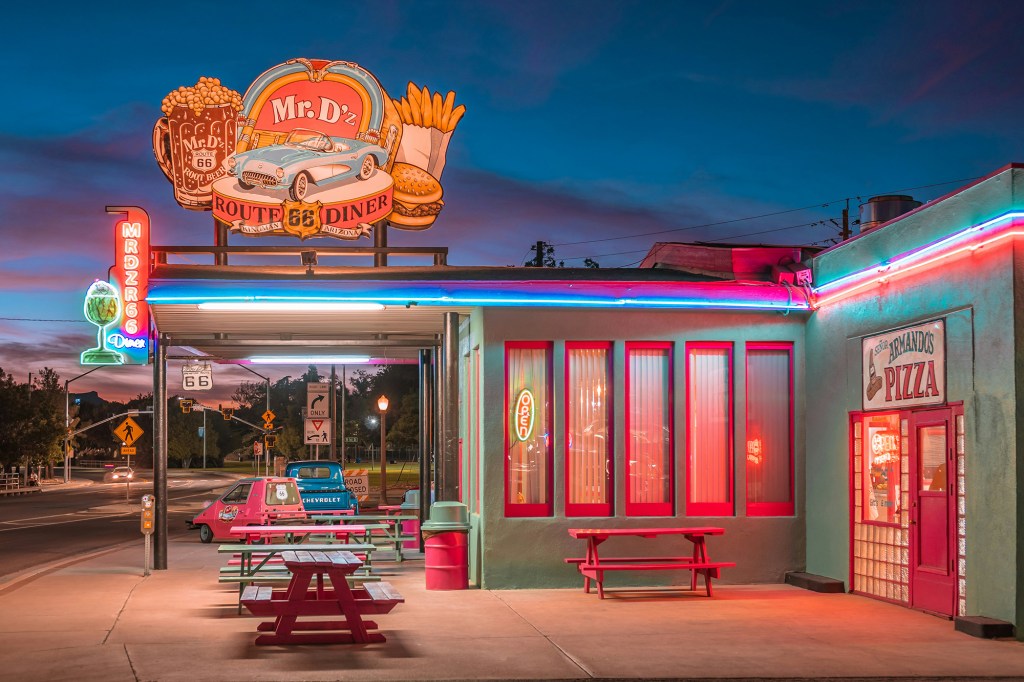
Route 66 was officially designated on November 11, 1926, connecting Chicago to Santa Monica across 2,400 miles of American landscape. This year, it turns 100 alongside the nation’s 250th birthday, and communities from California to Illinois are celebrating all year long with festivals, neon sign relightings, and car shows. The Western stretch—from Albuquerque through Flagstaff and down into the Mojave before ending at the Santa Monica Pier—is the most cinematic section of the drive, passing through red rock country, classic roadside diners, and towns that look exactly as they did in 1955. Flagstaff and Seligman are two of the best bases for the Arizona stretch.
Zuraimi / Getty Images
Grand Teton to Yellowstone
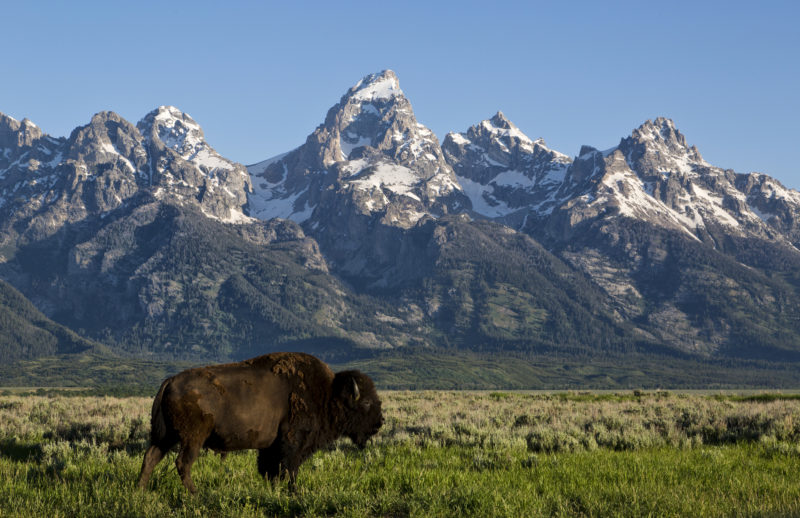
There is no more quintessentially American road trip than the drive north from Jackson Hole through Grand Teton National Park into Yellowstone. The Teton Range, rising abruptly more than a mile above the valley floor at Jackson Hole, is one of the most dramatic landscapes on the continent, and the route north through the park connects to Yellowstone’s geothermal world of geysers, hot springs, and roaming bison herds. Stop at Schwabacher Landing for the classic Teton reflection shot, then build in a full day at Yellowstone’s Lamar Valley for wildlife. Late June through August is peak season though, so you’ll want to book lodging well in advance.
Getty Images
Utah’s Mighty 5
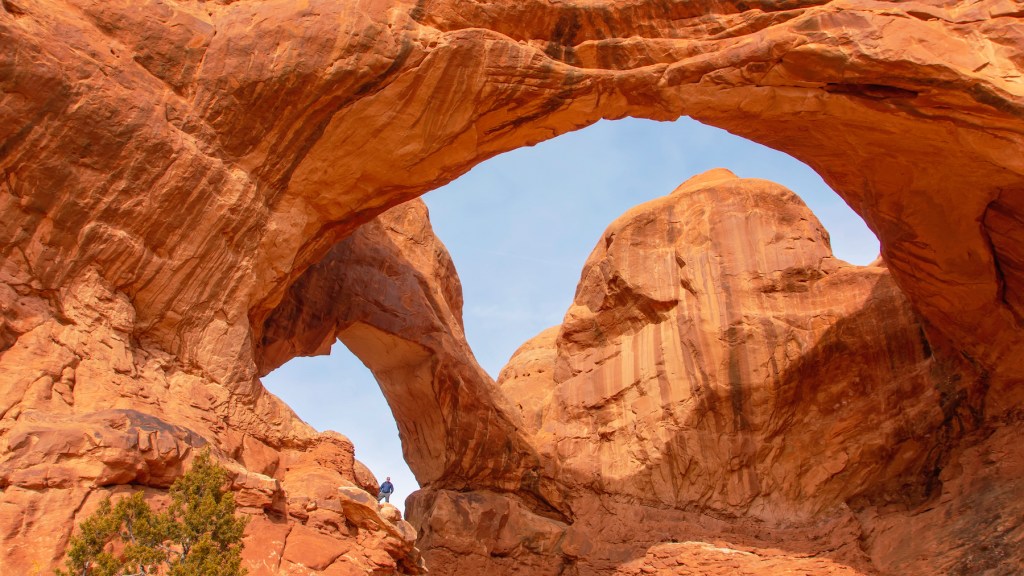
Zion, Bryce Canyon, Capitol Reef, Arches, and Canyonlands—Utah’s five national parks can be strung together on a single loop of roughly 800 miles, typically starting and ending in Salt Lake City or Las Vegas. Each park showcases a different expression of the Colorado Plateau’s ancient geology: the slot canyons of Zion, the hoodoo forests of Bryce, the hidden orchards of Capitol Reef, the sandstone fins of Arches, and the sheer scale of Canyonlands. As a celebration of the American landscape, no single road trip delivers more per mile. To get the most of your journey, you’ll want to allow five to seven days minimum for your trip, but if you can afford more time for cruising through these areas, you should absolutely take it.
Krista Simmons
U.S. Highway 395
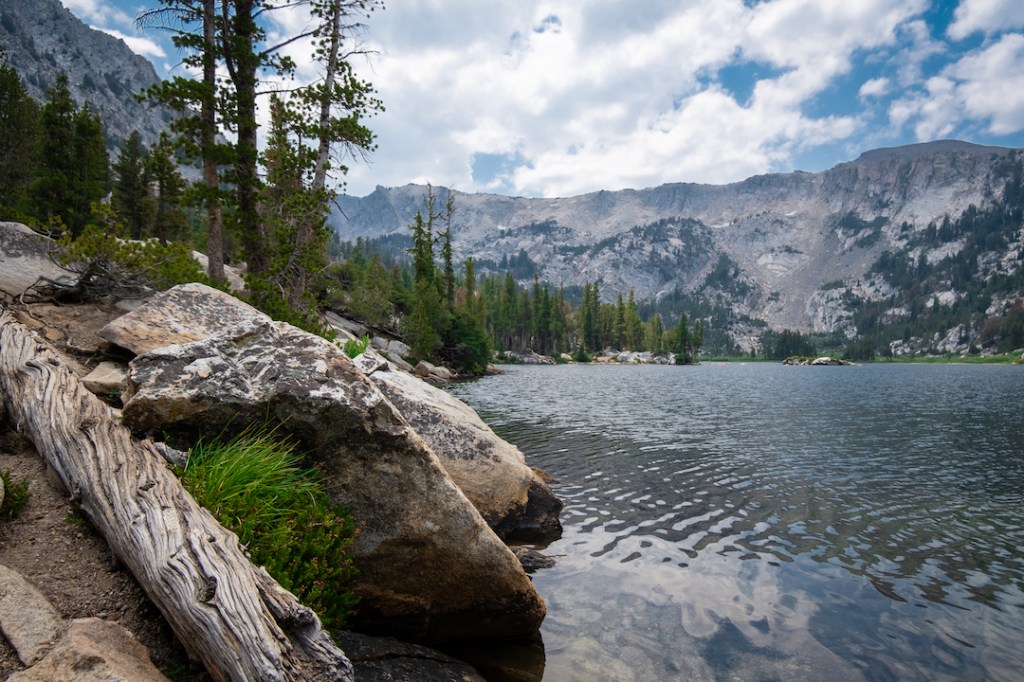
Sunset’s favorite California road trip isn’t Highway 1 (though that is a close runner-up!) The journey we keep returning to runs through the Eastern Sierra past ghost towns, ancient trees, and the backdrop of more Westerns than you can count. Running from Lone Pine north to Reno, the route traces the eastern base of the Sierra Nevada, where the mountains rise 10,000 feet straight out of the desert floor. Along the way: the Alabama Hills—the rocky landscape that served as the backdrop for dozens of classic Hollywood Westerns—the world’s oldest trees at the Ancient Bristlecone Pine Forest, the tufa towers of Mono Lake, the ghost town of Bodie, and Devils Postpile National Monument. It is the West at its most spare and spectacular.
Thomas J. Story
Nevada’s Highway 50
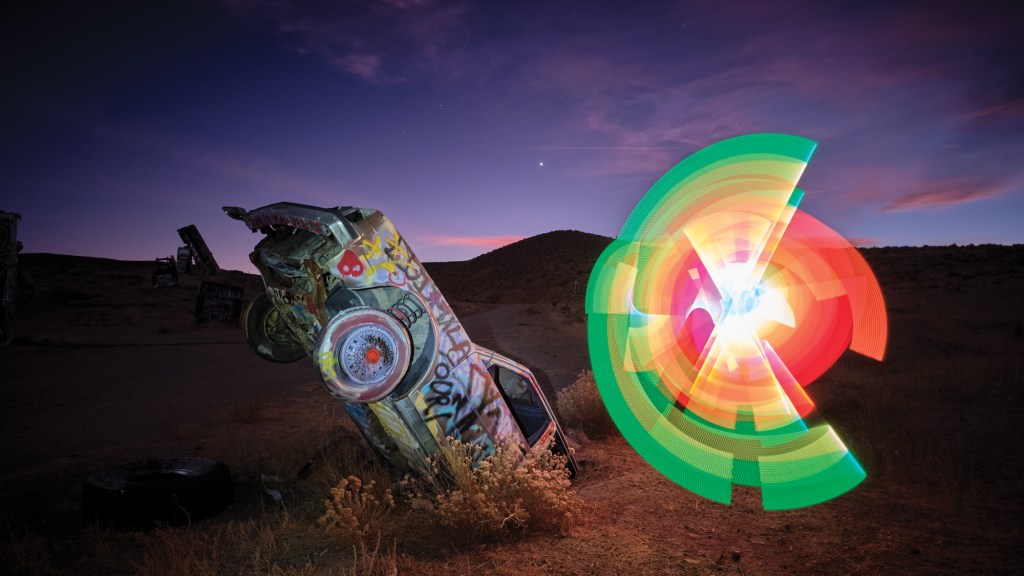
Pony Express stations, mining ghost towns, and one of the most remote drives in the lower 48—this is the history road trip you haven’t taken yet. In 1986, Life magazine called Nevada’s Highway 50 “the loneliest road in America” and warned travelers to avoid it unless they had survival skills. Nevada promptly turned that into a marketing campaign. The 400-mile route crosses the state east to west through the Basin and Range, passing through old Pony Express relay stations, Civil War-era silver mining towns like Austin and Eureka, and some of the most dramatic empty landscape in the country, finishing at Great Basin National Park—one of the least-visited and underrated national parks in the system—where hiking trails begin at 10,000 feet. For an America 250 celebration rooted in actual history, no road tells the westward expansion story more directly.
National Park Service
Going-to-the-Sun Road
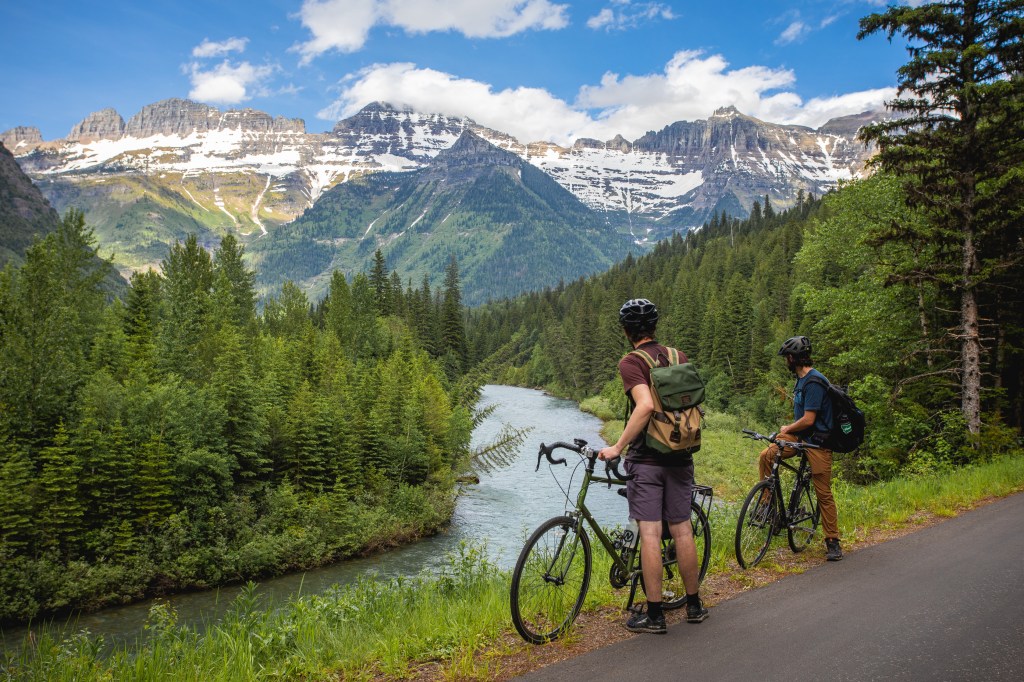
Fifty miles across the Continental Divide, carved into near-vertical cliffs by hand, this is one of the most spectacular drives ever built. It’s truly a modern marvel and a testament to the American spirit. Completed in 1932 after more than a decade of construction, Going-to-the-Sun Road crosses the Continental Divide at Logan Pass in Glacier National Park, Montana, climbing through cedar and hemlock forests before emerging into an alpine world of wildflowers, glacial lakes, and sheer cliff faces. At 50 miles end to end, it is not a long drive, but it is an unforgettable one, and one of the greatest feats of road engineering in American history. The road is only fully open in summer, making July and August the ideal window. The full road typically opens late June to early July, depending on snowpack.