
How to Cook the Perfect Steak, According to the Best Chefs in the West
Follow these tips for sizzlin’ results.
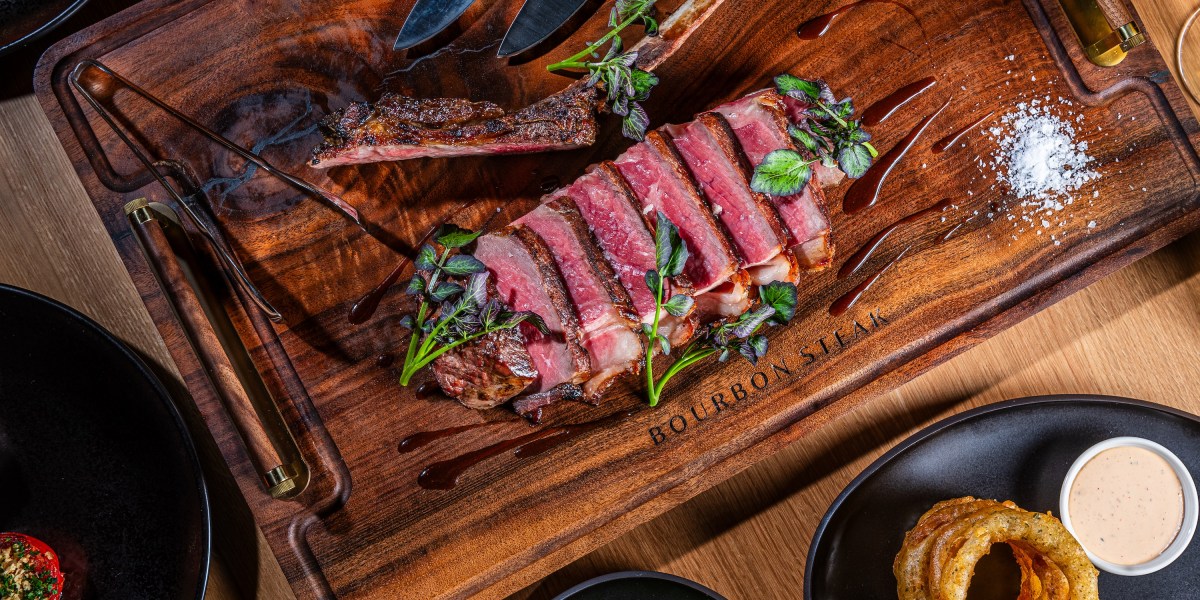
Rey Lopez
Whether you want to wow a crowd or treat yourself to a fantastic meal, a great steak is one of the most important (and most delicious) recipes in a home chef’s arsenal. But herein lies the problem: With so many cuts, prep options, and cooking techniques to choose from, does anyone really know if they’re making the best steak possible?
Don’t worry, help is on the way. To take your next steak night up a couple of notches, we asked a few pros to share their top tips and tricks. From esteemed steakhouses to excellent eateries that deserve a spot on your epicurean radar, these restaurants make some of the best steaks on the West Coast. Translation? Their advice is bound to yield sizzlin’ and scrumptious results.
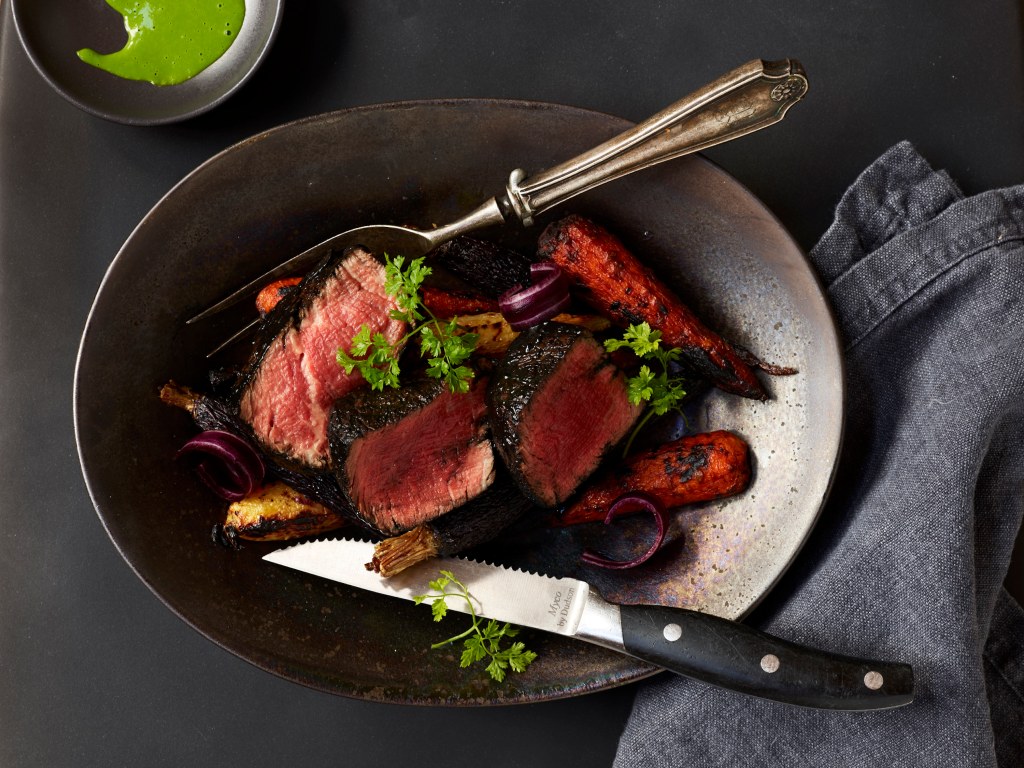
Courtesy of Paws Up Montana
Treat at Room Temp
It doesn’t matter if you’re working with sirloin from the supermarket or A5 Japanese wagyu from a posh butcher, your steak should never go straight from the fridge to the fire. “Allowing the meat to come closer to ambient temperature before the cooking process will allow for a more even cook throughout,” says Bret Edlund, director of culinary at Paws Up Montana. “You’ll avoid the medium-well edges when you cook that medium-rare cut.”
While you wait for your steak to reach room temperature, you can whip up some sides or season your meat.
Sprinkle on a Surplus of Seasoning
Tucked in the Pendry’s Park City location, KITA serves up an array of wagyu, dry-aged New York strip, and bone-in Delmonico every night. However, regardless of what the restaurant is cooking, one thing’s for sure: Every slice of meat is seasoned to perfection. If you ask Kevin Lee, Pendry Park City’s executive chef, you don’t need a fully stocked spice rack for flavor. “Steak needs far more salt than most people expect, and salt is a natural flavor enhancer that brings out the meat’s true depth,” he recommends.
Over at Paws Up Montana, Edlund likes to give his salted steak a little something extra. “Simple coarse Diamond Crystal Kosher salt is great and finished with fresh pepper after the cook,” he says. “A two-to-one ratio of kosher salt and granulated sugar with your favorite herbs and spices are also a nice touch for a lower-heat grill to introduce custom flavors.”
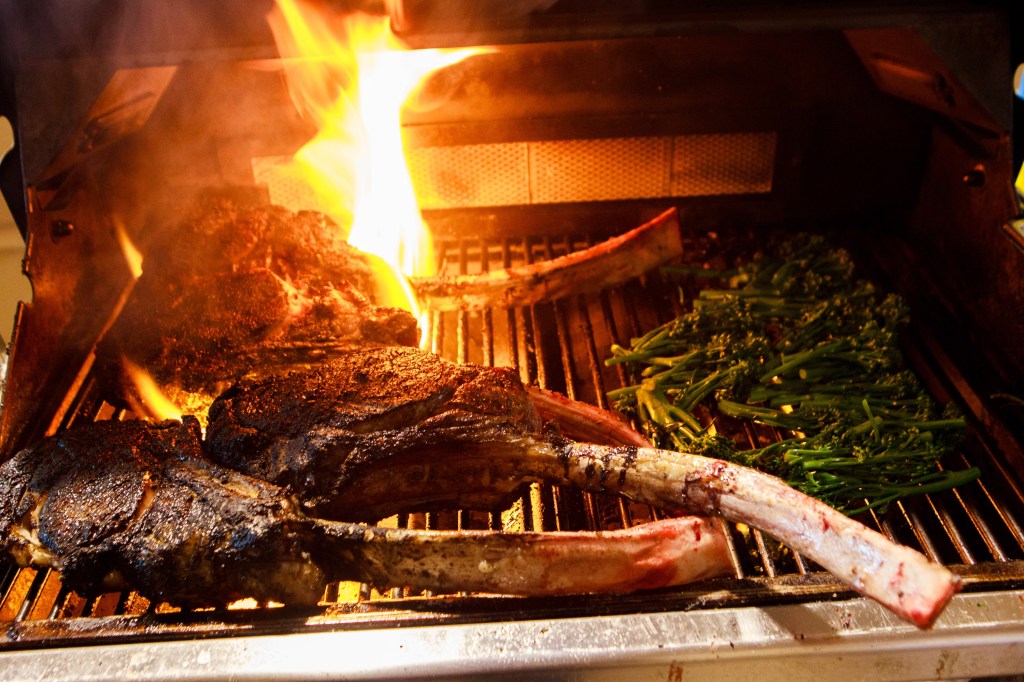
Courtesy of Paws Up Montana
Turn Up the Heat
Forget low and slow: When it comes to cooking steak, Lee encourages you to crank up the heat. “Sear hard in a very hot pan to create a rich, golden-brown crust,” he recommends. “This high heat triggers the Maillard reaction, where amino acids and sugars react to develop the deep, savory flavors that define a great steak.” Edlund agrees and typically heats a baking pan, cast iron, or sauté pan charged in the oven to about 400°F.
Try a Two-Step Cooking Process
Torn between the grill and oven? Do both! Chef Kevin Schantz, executive chef at Bourbon Steak San Francisco, likes to start by grilling his steak, but often finishes the dish in the oven. “I’ll get out a sauté pan, add my butter, and baste it in the foaming brown butter with the herbs over the top of the meat,” he says. “This basting process melts the butter over the meat and opens up the herbs and garlic, really impacting the flavor.” The result: A memorable, mouth-watering beef experience.
Give It a Rest
We know how tempting it is to cut right into your meat once it’s reached the right doneness; however, the pros say to slow down. “Whether you rest it in the middle of cooking or at the end, letting it rest on a rack for a few minutes helps redistribute the juices and ensures even heat distribution for a beautifully moist steak,” explains Curtis Stone, executive chef and owner of Gwen Butcher Shop & Restaurant in Los Angeles.
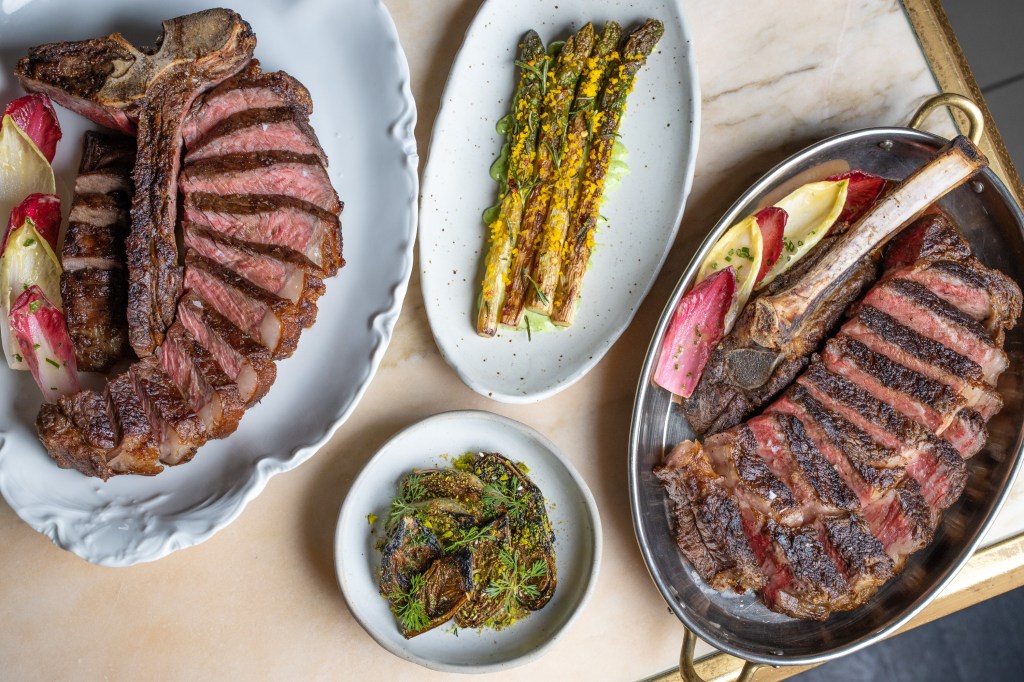
Stan Lee
If you’re working with a bigger cut such as a tomahawk or porterhouse, Stone recommends cooking it on either side for about two to three minutes, removing it from the pan or grill, and resting it on a rack for five minutes. From there, you can return your slab to your stovetop and cook it for a few more minutes.
“Or you can rest the meat just at the end of the cooking process,” Stone adds. “Cook it and let it rest on the rack for half the time it took to cook it.”
Keep Reading:
The Latest